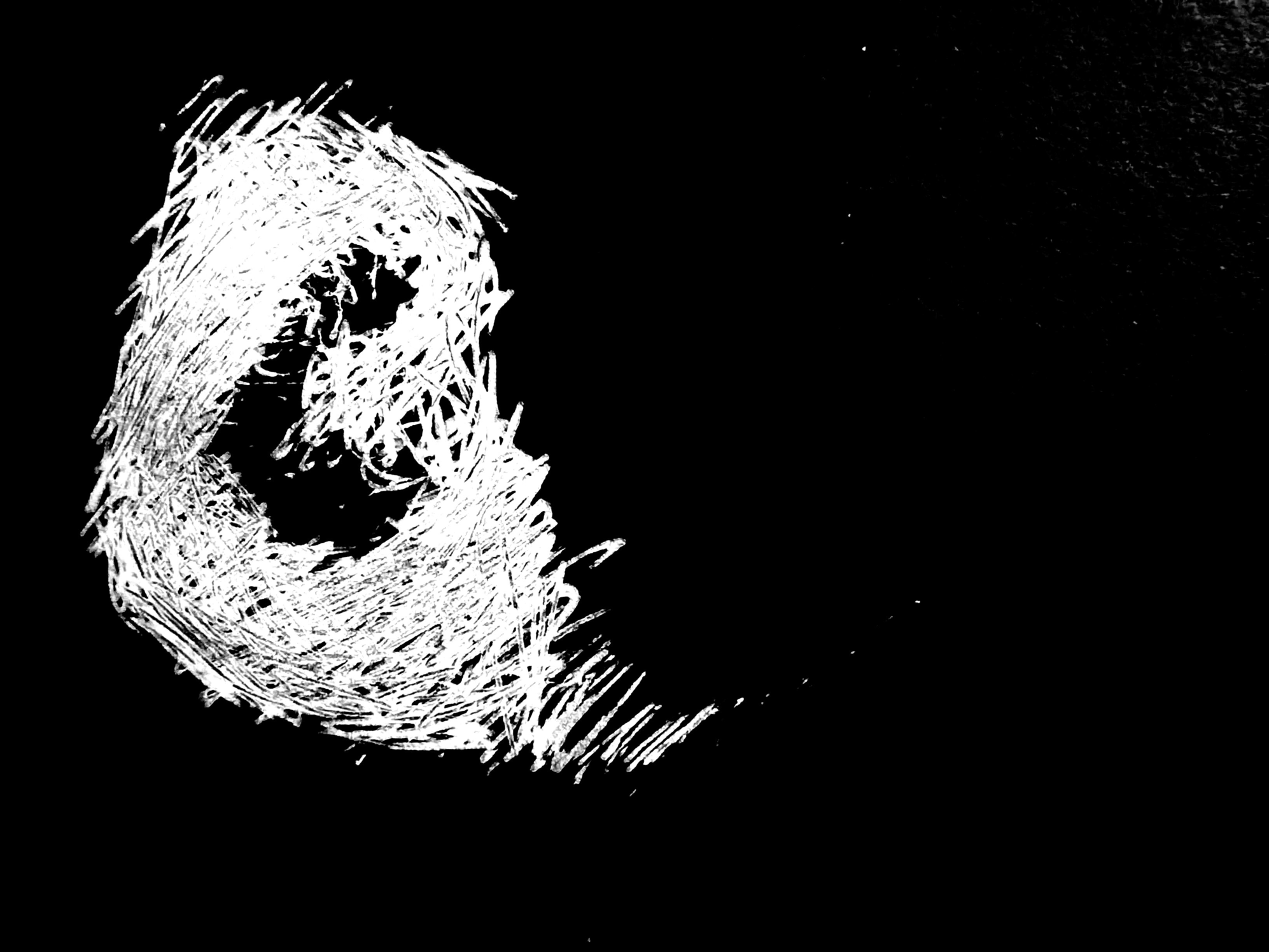
This project is about zero time, which is no time, but can also mean the time of change or a new beginning. The phantoms in question are not ghosts or spectres, but placeholders; they stand for something absent, like the mathematical concept of zero.
An important example for such a phantom is phantom pain. This term refers to the perception of painful sensations in a part of the body that is no longer there, for example because it has been surgically or traumatically removed. The key point is: The limb, organ or eye is missing, but the pain is still there, and the pain felt there is real.
The reality of pain is essential in the context of this work.
Not just phantom pain, but the broader concept of phantom experience is the subject of Phantomology. Phantom experiences are experiences that were not really experienced, such as traumatic events in early childhood; events that were not integrated into the ego system and therefore did not become part of our – accessible – memory.
The aim of the Phantomology project is to develop artistic strategies for dealing with these phantoms, guided by the question of how to grasp and investigate them as something absent.
The challenge is that it is ultimately about nothingness, timelessness, and our striving to fill voids as a basic human desire, this desire to give content to the gaps we are constantly confronted with in the timelines of our lives.