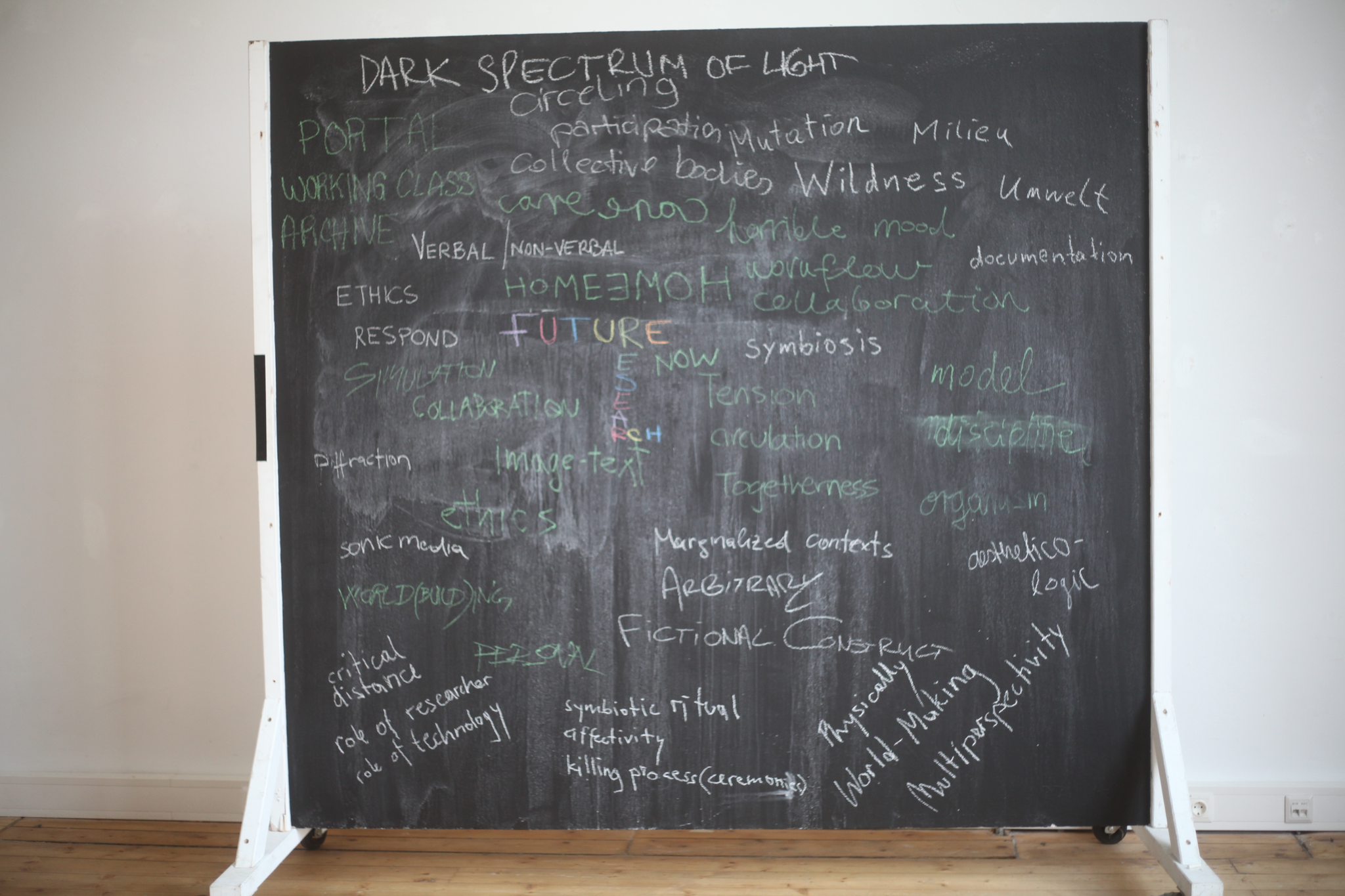
By way of introducing our viewpoint and work, we would like to propose a reflection of our positionality as an initial consideration and context for our interpretation of and approach to (doctoral) artistic research projects. Any interpretation will reflect the beings who are interpreting; thus, we feel, there must be some dimension of the authors' context that is itself brought into focus. Additionally, the authors' approach to their subject also depends on their experiences and their interpretations, including but not limited to their beliefs and practices. After elaborating on the context of our position and how it has evolved, we will propose approaches and tools relevant and supportive of (doctoral) artistic research projects. They are based on our own decade of experience conducting independent artistic-scientific and practice-based research projects, and the experiences made over the last years (2021-2024) leading the PhD in Art Doctoral Programme for Artistic Research at the University of Applied Arts, Vienna (UAAV), including the new insights gained from our current position with the Doctor Artium programme of the ARC Artistic Research Center at mdw University of Music and Performing Arts Vienna which we hold since 2025. Our primary frame of reference is drawn from working with these established local doctoral programmes. Moreover, we would like to express our gratitude to all the colleagues from European artistic doctorate programmes for the exchange. Our interest in this sector and the focus of this contribution lies in exploring possibilities for innovation and quality enhancement that extend beyond the traditional academic framework.
From which position do I speak?
With this question, we initiate reflection within the Theory and Practice of Artistic Research courses, as situated, e.g., within the framework of the PhD in Art programme at UAAV. Prior to teaching at this programme, we had already collaborated with PhDs from the natural sciences specialising in neuroscientific, psychological, and physiological questions related to dizziness. In a similar manner, their work involved clarifying this question, at least from the perspective of the disciplines and theories on which they intended to base their work. Therefore, since every artistic research project must include a clarification of the artist-researcher’s perspective, embeddedness, and situatedness – whether developed and carried out in an academic or non-academic environment – it is fitting that we begin from this standpoint.
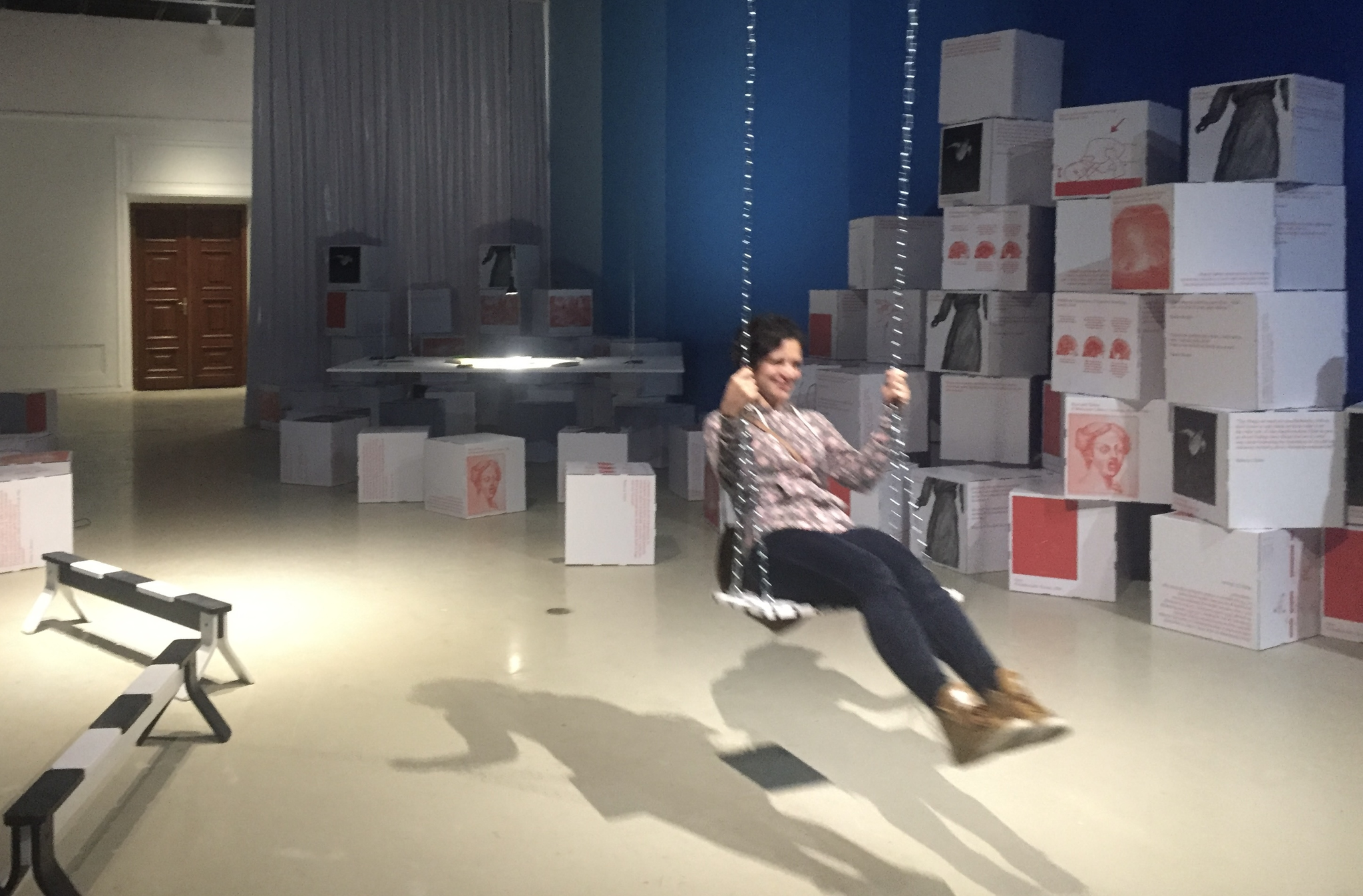
As an artist duo now based in Vienna, we engage in artistic research and can draw on many years of experience in co-creating, co-curating, co-researching, and co-teaching. Since 2014, we have been engaged in the artistic and scientific exploration of dizziness. As the first science fund financed PEEK arts-based project1 with an artistic lead at the Academy of Fine Arts Vienna, the challenges were manifold, and part of them was communicating to an academic-scholarly peer group that was, at that time, still highly sceptical of the knowledge, practices and aptitude of artists to conduct an (art-based) research project. In this atmosphere, we quickly adopted the prevalent academic and scholarly modes of expression as an acknowledgement of our new work environment and to communicate effectively with colleagues while expanding our cross- and transdisciplinary interests.
1 — The Austria Science Fund FWF finances the so-called PEEK projects for arts-based research.
https://www.fwf.ac.at/foerdern/foerderportfolio/projekte/entwicklung-und-erschliessung-der-kuenste
Since then, however, we have been searching for new and innovative ways of expression in language, both spoken and written, and have explored various forms and media of expanding and publishing our work. We have presented scholarly lectures as well as lecture-performances, created poetic, scientific, and experimental articles and book chapters, and are engaged in philosophical2 and STS experimentation.3 Additionally, we have developed research-led exhibitions. The poetic monologue Dizziness is my name can serve as one example of this path (Anderwald, Feyertag and Grond 2019).4 This monologue combines quotes from scientific, artistic, and philosophical sources, as well as our own poetic writing, and features a layer of musical improvisation by Trumpet player Anders Nyquist. It was then transformed into a sound installation that served as a mis/guide for the two exhibitions around dizziness we co-curated with Kathrin Bucher-Trantow, chief curator of Kunsthaus Graz, Austria (see video). With her, and the team from Kunsthaus Graz, as well as a team from the Institute of Psychology at the University of Graz, we simultaneously conducted a study of the artistic process and its potentially dizzying dynamics via an app.5 A new rendition of networked research exhibitions and events is currently being prepared under the title Iliggocene – The Age of Dizziness. This time, collaborating with curator Sergio Edelsztein, the first exhibition will open at Kindl Berlin in March 2026, feature, i.a., a discursive programme at KW Institute for Contemporary Art and the Historical Museum Charité, and will later travel to partner institutions, including the MSU Museum of Contemporary Art Zagreb, Kunsthaus Graz, and others.6
2 — Anderwald, Ruth; Grond, Leonhard (2025): ‘Dizzying’ In: UNCERTAIN CURIOSITY: Transforming Understanding — Understanding Transformation. (Eds. Gerald Bast, Elias G. Carayannis, David F. J. Campbell), in the series Arts, Research, Innovation and Society (ARIS), Springer books, New York.
3 — Anderwald, Ruth; Grond, Leonhard (2025): ‘Contemplations: A Perspective on Reflexivity out of the “Brackish Waters” of Artistic Research’ in Revisiting Reflexivity: Liveable Worlds in Research and Beyond (Eds. Sarah R Davies, Andrea Schikowitz, Fredy Mora Gámez, Elaine Goldberg, Esther Dessewffy, Bao-Chau Pham, Ariadne Avkıran, & Kathleen Gregory) The Bristol University Press, Bristol.
4 — Anderwald, Ruth; Feyertag, Karoline; Grond, Leonhard Grond (eds. 2019): Dizziness–A Resource. Publication Series of the Academy of Fine Arts Vienna, Sternberg Press. https://doi.org/10.21937/9783956795213.
5 — Benedek et al. (2017): Psychology of Aesthetics, Creativity, and the Arts. http://dx.doi.org/10.1037/aca0000102.
6 — Find more: https://www.on-dizziness.com/resources-overview/iliggocene-the-age-of-dizzines.
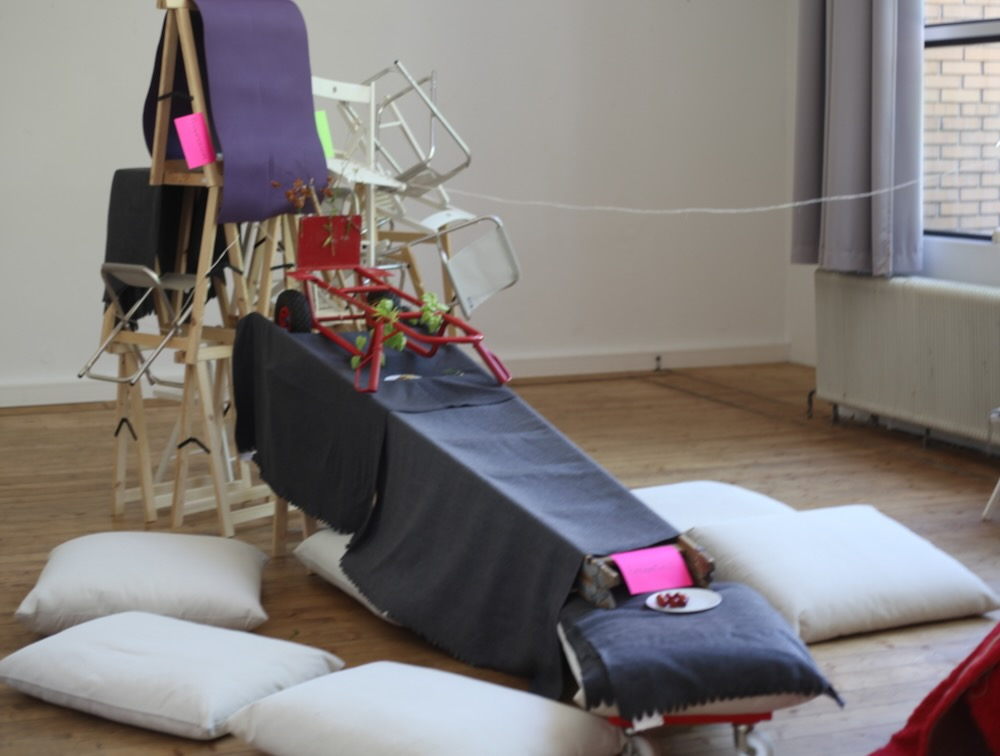
The Wide Terrain of Artistic Research
These examples are named to describe the broad cross-disciplinary field involving academic and art institutions where our artistic research projects are developed, presented, and published. However, it is also worth noting that the spectrum of practices and topics, as well as the relevant institutional integration found in current artistic research (PhD, Doctor Artium) projects,7 is even broader. Therefore, modes for finding one’s path through disciplinary geographies, institutional organisation, and orienting oneself in new knowledge fields are decisive and crucial skills. Scaffolding and support are needed to nurture them.
Researching dizziness from the perspective that it can become a resource – under certain conditions – includes reminding ourselves of the destructive and dangerous momentum that a situation of uncertainty, aporia, and unpredictability releases. In the same way, embarking on the journey of creating a doctoral artistic research project can be both exhilarating and intimidating. As a supervisor, these emotional aspects are relevant because they will co-determine the candidate's overall view of their capacities, ability and impact self-esteem, which, in turn, affects the capabilities and agency they perceive for themselves, and consequently, the quality of their work, as well as their well-being. For a successful supervision relationship, it must be clear that it is not possible to separate “the mere mechanism of acquiring a skill from the social conditions and needs which have to do with the application of that skill.”8 Creating a nurturing surrounding for well-being, furthermore, not only influences the quality of experience of the candidate, but also the quality of education provided by the educators, as well as the quality of the doctoral projects, as explained by the project Advancing Supervision for Artistic Research Doctorates (2018-21).9
Starting a project is never without its challenges. Therefore, it can be a good idea to again remind oneself why one wanted to begin this journey:
Was it to gain a degree that may further one’s career?
Was it to gain new skills or insights?
Was it to create space to experiment and think in depth about a certain issue?
Was it to benefit from peer and supervisory support?
Was it to gain financial support?
Within these questions lie the expectations for the journey that cross-fertilise and transform with the people and infrastructure that will accompany the endeavour. Creating these spaces of reflection and pause seems especially important when it comes to supervision. Doctoral candidates in the arts face specific challenges. Whereas in other doctoral programmes, candidates are expected to demonstrate their independent thinking and unique approach, which defines an R1 First Stage Researcher, according to the four career stages established by the European Commission’s communication “Towards a European Framework for Research Careers”; in doctoral programmes within the arts, prospective candidates often already possess these skills in one or more disciplines, indicated by their ongoing and active career in the arts and/or academia. If a candidate has an international exhibition or performance record, for example, they have already shown to have “made a contribution through original research that extends the frontier of knowledge by developing a substantial body of work, innovation or application. This could merit national or international refereed publication […]”, 10 as to be expected from an R2 Recognised Researcher. Therefore, in many cases, they cannot be classified as R1 First Stage Researchers and should not be treated as such.
Such a level of development demands a different approach to supervision, an approach that, we argue, should be more on a collegial level than a teacher-student level, taking their expertise and career seriously while encouraging them to address aspects that may become generative but have yet to receive their full attention. In doctoral programmes, the curriculum serves to:
“facilitate the development of students into highly specialist autonomous researchers capable of independent thought. Typically, a blend of support is provided to each doctoral student, which consists of an elective development programme of research methods learning opportunities alongside dedicated supervisor support from one or more academic members of staff called “supervisors”. It is the expectation that each supervisor will act as a guide and mentor for the doctoral student, thereby enabling them to successfully complete their programme of research.” 11
Whereas, in the case of artistic doctoral programmes, the Creator Doctus project (2019-21) remarks:
“Despite coming from the Medieval Latin verb ‘supervidēre’ which means ‘to oversee’, in the contemporary educational context it has become very loaded with connotations of hierarchies and power structures. A person in the supervisor role should be more welcoming and closer to the candidate’s needs and point of view. In the end, do we want to academise artistic practice, or do we want to invite practising artists to contribute to knowledge and innovations both in practising and teaching art?"12
Although doctoral candidates from the arts appreciate mentoring in one or more specific fields, they might have already demonstrated a high degree of independence in their previous work.13 Often, the scope of their PhD project is different, allowing them to venture into other and new artistic and/or scientific disciplines. Thus, drawing on our experience conducting projects and teaching in artistic research, we propose a new and distinct approach to artistic doctoral support and supervision, whether the focus is more practice-based, theoretical-reflective, or artistic-technological.
8 — Dewey, J. (1929): The Sources of a Science of Education, New York: Horace Liveright. P. 75.
9 — See: https://advancingsupervision.eu.
10 — See: https://www.more-4.eu/indicator-tool/career-stages-r1-to-r4.
11 — Polkinghorne, M., Taylor, J., Knight, F., & Stewart, N. (2023): Doctoral Supervision: A Best Practice Review. Encyclopedia, 3(1), 46-59. https://doi.org/10.3390/encyclopedia3010004.
12 — See: https://creatordoctus.eu/.
13 — Rogers, H.; Bento-Coelho, I. (2012): “A Guide to Learning and Teaching Practices for 3rd Cycle research”, In: The Creatus Doctor Constellation. Exploring a New Model for a Doctorate in the Arts. Eds: Jeroen Boomgaard, John Butler, Amsterdam: Gerriet Rietvield Academie, p.72.
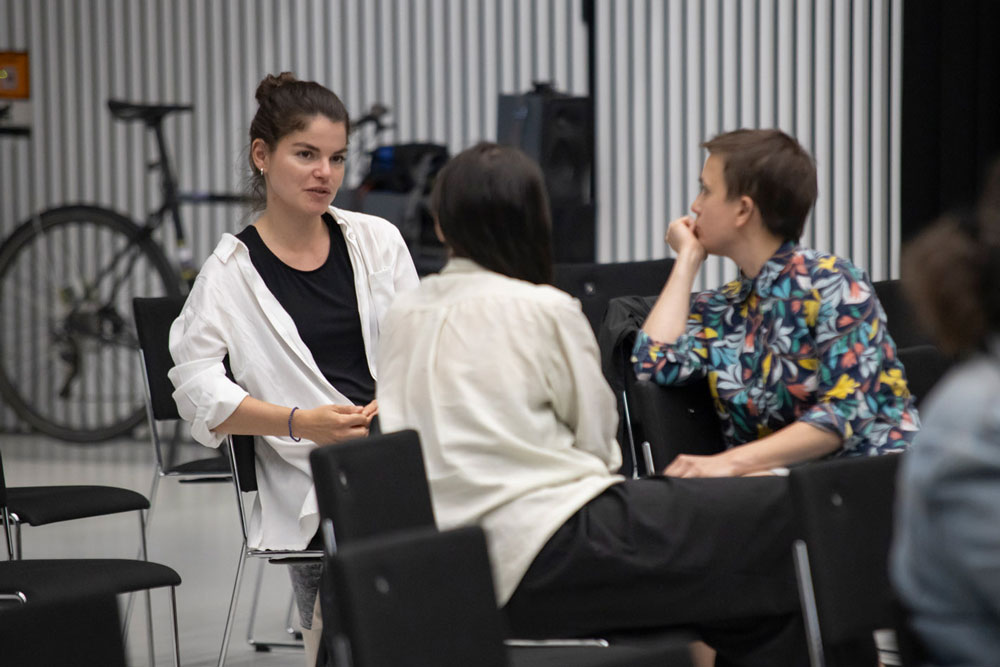
This article presents five aspects to illustrate our proposition of a contemporary approach to artistic research education and support for doctoral projects in the arts:
1. Community of Practice and Epistemic Solidarity in Artistic Research
2. Individualisation and Pooling of Supervision
3. Reflexivity
4. Tools for Structuring and Understanding the Journey of a PhD in Art or Artistic Research Project
5. Epistemic Decompression
1. Community of Practice and Epistemic Solidarity for Artistic Research
Most of us have experienced the academic world as not only inspiring and supportive but also as toxic and demeaning. Instead of an agonistic mindset, the antagonistic win-lose mindset of territorial or authoritarian thinking takes over. There is no evidence that the zero-sum interpretation of competitiveness makes a better environment for researchers in general or artist-researchers specifically. Therefore, creating a framework that regards critique as involvement and engagement to further the work of one’s own as much as that of one’s peers seems the preferable option. Instead of an antagonistic zero-sum game where the demise of one is perceived as the gain of the other, we aim to establish a framework and facilitate an atmosphere where we come together to discuss, challenge, and argue our different interpretations, scholarly and art sources, social and cultural framings, and artistic viewpoints. Opening a broader outlook on a topic allows us to see togetherness as the fertile ground on which artist-researchers convene to compete and learn with each other in an academic setting. As Michaela Glanz, Head of the Art | Research | Support department at the Academy of Fine Arts Vienna and Executive Board of the Society for Artistic Research (SAR), explains in the video released by the Glasgow School of Arts for the Advancing Supervision project,14 her recommendations for doctoral programmes involve a peer-learning strand which should be developed in addition to the supervision strand as part of doctoral programmes. The following draws on her and the project's recommendations for shared learning, which are designed to benefit peers and enhance supervisory capacity.
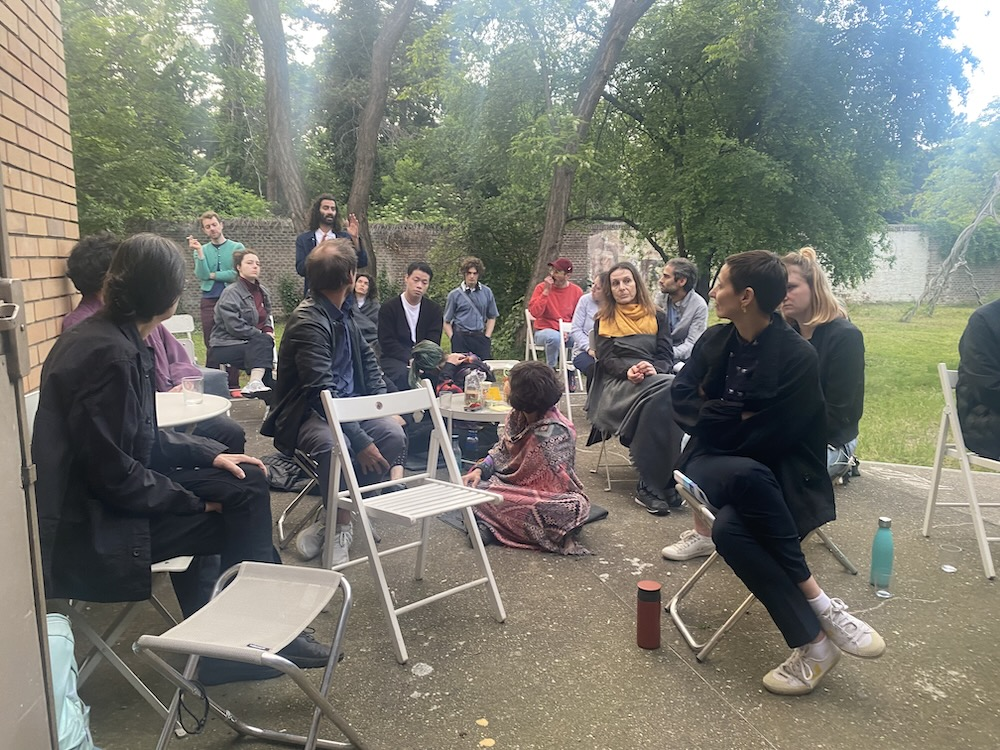
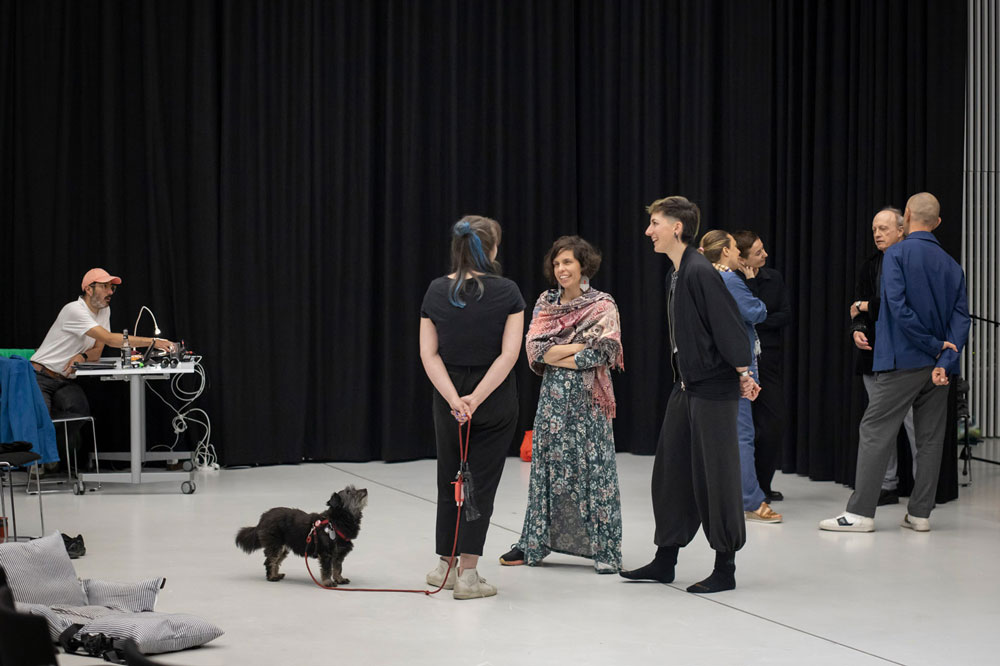
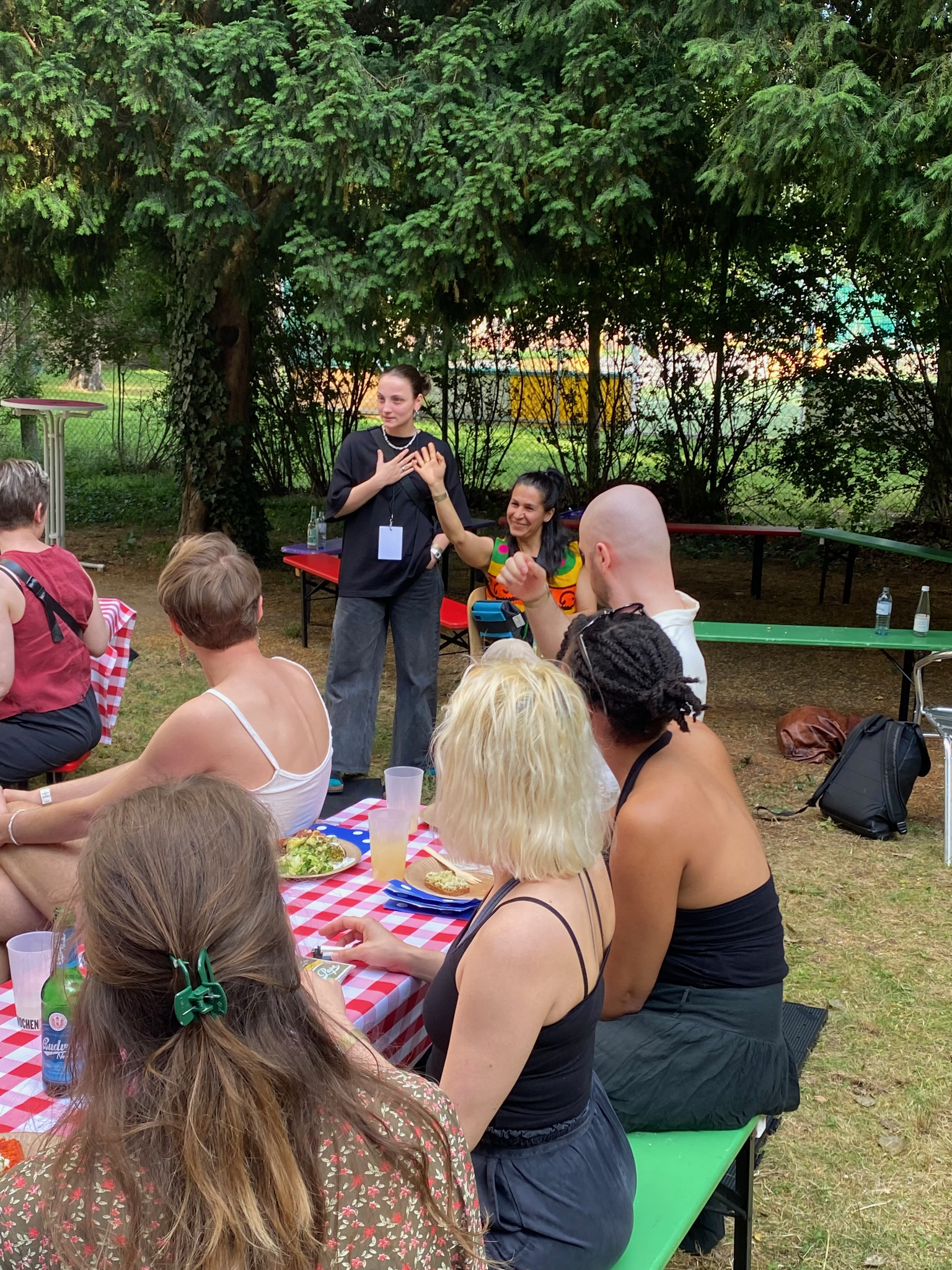
Leading the Artistic Research PhD in Art programme, we cultivated a Community of Practice, facilitating an ecology of epistemic solidarity. Such a community invites individuals from diverse backgrounds to work alongside on their individual research, with the opportunity to sometimes also create collective projects. Each participant brings a unique position, perspective and insight to the group, cross-fertilising, advancing, and challenging the collective and individual understanding, creating the polyphonic voices of artistic research as practised and valued in this growing field. By encouraging candidates to share their works in progress actively, to provide constructive feedback to others, and engage in performance, publication, and exhibition projects or organise events, a Community of Practice yields emancipatory momentum and enables participants to reflect on each other’s methodologies, artistic practices, and decisions, creating a rich peer culture. All engaged peers strive for artistic excellence and scholarly rigour in their fields, and the Community of Practice flourishes when grounded in mutual respect, acknowledgement of (cultural, social, artistic, …) differences, and open to critical exchange, based in a good-faith environment.
14 — See: https://advancingsupervision.eu/video/GSA_Advancing_Supervision_5.mp4.
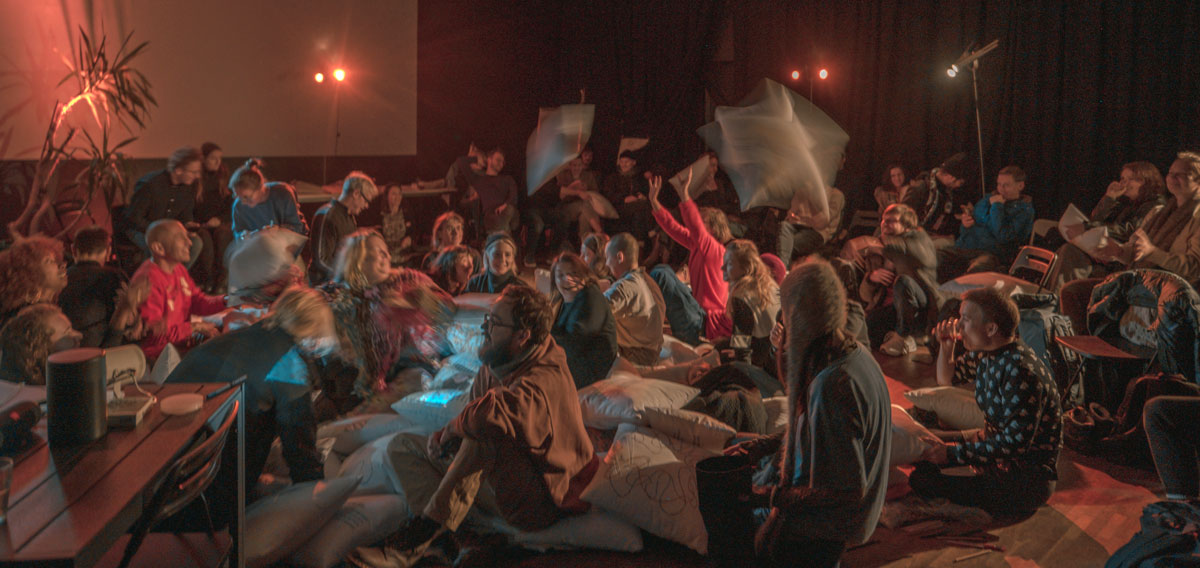
"A community of practice is the basic building block of a social learning system because they are the social ‘containers’ of the competences that make up such a system’ which members come together through their understanding of the community they are involved in terms of a ‘joint enterprise’, through ‘mutual engagement’ within a framework of ‘shared repertoire of communal resources – language, routines, sensibilities’.”15
Doctoral candidates are encouraged to challenge conventional frameworks of disciplinary fragmentation and question basic assumptions. Within their field of practice, which spans academia, the concert hall, the fine arts market, festivals and beyond, they co-build collective knowledge and strengthen their individual research practices within a supportive, demanding, and dynamic environment. Without empathic engagement and respect, however, such an atmosphere could still turn toxic, just like without attention to criticality, it may turn into groupthink. Epistemic solidarity means fostering a shared understanding and knowledge among a group of diverse learners without eliminating their differences and involves
“practices of supporting others (with whom one recognises similarity in a relevant aspect) as knowers. To qualify as solidarity, these practices must involve certain costs (such as spending time, giving up a privilege, or accepting risk for oneself)”16
Epistemic solidarity is not only the responsibility of the candidates but also of the supervisors, whether they act as a team or individually. It entails respecting and recognising how multiple perspectives, voices, practices, and experiences lead to different insights that may shift over time, thereby enriching our understanding of a subject or question, leading to more comprehensive insights in a sustainable and generative learning environment. We strongly believe the voices of artistic research are found first and foremost in the voices of learning. Not only art theory but also art history are fields that were formed through artists and their engagement, before later becoming disciplined into an academic field. Artist-researchers have a voice and mind of their own; they form their field independently, and they invite collaboration that is different from the hierarchical and hegemonic academic discourse, which they continue to question and enrich.
Throughout our careers, we found it immensely helpful to make “research friends,” people with similar interests or practices with whom to exchange. In moments of aporia, too, when we get stuck or feel lost, they are an incredible resource and support. Solidarity facilitates and enhances both individual and collective action, but it can also support overcoming biases and false or exclusionary conclusions.17 In this manner, epistemic solidarity transcends merely creating fertile ground for in-depth and group learning. It opens the vista for a more existential question, that of acknowledging each other’s viewpoints and needs. It necessitates taking seriously all challenges that arise within the group, even if they seem difficult to articulate or comprehend. As artist-researchers, we recognise that not all experiences can be conveyed in any given language or in a logical manner. Comprehensibility is an essential aspect that can only be acquired through the artistic research process. Some elements will still exceed our languages and understandings. Intuition, curiosity, anxiety, repulsion, tingling and excitement emerge. A vital aspect of peer culture and supervision culture alike involves taking seriously, negotiating, and addressing what seems significant or burdensome for a candidate, a supervisor or the group. To support the tacit and embodied insights that a project may yield and to foster well-being, we will subsequently introduce our proposition of epistemic decompression.
15 — Wenger, E. (1998): Communities of practice: Learning, meaning and identity. Cambridge: Cambridge University Press, p. 229.
16 — Pot, M. (2022): 'Epistemic solidarity in medicine and healthcare’. In. Med Health Care and Philos 25, 681–692. https://doi.org/10.1007/s11019-022-10112-0).
17 — Cf. Goodin, R.; Spiekermann, K. (2018): An Epistemic Theory of Democracy, Oxford: Oxford University Press.
2. Individualisation and Pooling of Supervision
“Peer learning can be addressed in three specific areas. Firstly, between supervisors within the context of the supervisory team in which expertise and experience from diverse knowledge bases is being brought together in support of the PhD project. Secondly, peer learning between PhD researchers themselves, either within the same year group or cohort, or across year groups and cohorts. This can take place both formally (as in designated mentoring) and informally in the context of a shared studio space. Thirdly, between supervisors and doctoral researchers. However, it should be acknowledged that whilst in some instances, supervisors may feel that they are literally learning from a doctoral researcher whose work has, shall we say, surpassed their own, when asked, the PhD scholar does not consider this as a peer learning scenario."18
A multidisciplinary and multidimensional field of research and practice, artistic research project work presents its own set of challenges. In our educational work, we follow a student-centred and decentred approach, which means, we consider it part of our educational responsibility to establish a dialogical relationship between one’s inner and outer worlds, which relies on an epistemic decentring. Such decentring serves to understand one’s role as part of a shared and ongoing process between people and environments rather than as an individual, isolated act. It means taking every individual, their skills, desires, and topics seriously and facilitating a nurturing environment.
In this vein, we would like to highlight the importance of individualisation, which, in our approach, is also informed by giftedness research’s proposition to “individualise and pluralise”.19 Individualisation is aimed at ensuring that each candidate has a nurturing environment in which to advance their doctoral project while also growing artistically, academically, and personally. Every individual has their unique process of acquiring and processing knowledge. How findings and challenges are embodied, applied, and expressed is equally individual, as is the time spent with the pertinent disciplines and source materials, as well as the time required for processing and forming a valid body of research, artworks, and reflection relevant to their artistic research topic. Artist-researchers further require support in aporetic moments, as mentioned earlier, and we will repeatedly address this topic throughout this contribution. These moments will inevitably arise in different intensities or phases. By relating to giftedness research and education, we highlight that the decentralised approach aims to assist candidates in reaching their full potential, enabling them to thrive artistically and academically and create a sustainable and supportive environment for their future work. This encompasses offering strategic adaptations and thoughtful supervision to foster their development optimally. One of the primary challenges in gifted education, drawing from our personal experience, is striking a balance between the individual needs of candidates and the resources available within universities. This challenge includes managing the additional workload for supervisors and administrative staff while ensuring that each candidate receives personalised attention and support.
Whilst not always possible for several logistical reasons, the preferred option should be for co-supervision. There are three reasons for this: i) it stops an ego-driven supervisor forcing their own agenda or perspective upon the student, ii) it means that all parties are aware of other points of view being brought to bear through discussion in supervision meetings, and iii) it offers the doctoral researcher an immediate point of support should one supervisor become unavailable (due to leave, moving institutions, or relationship breakdown).20
Furthermore, artist-researchers will need support not only from their peer group but also from their supervisors during aporetic moments, and these will occur at different levels and stages; some can be navigated more easily, while others may be persistent. With great gratitude, we think of those who supported us when we tried something new, such as writing our first journal articles in fields like cultural science or philosophy, where we had no formal training. Sometimes, even recognising that a task is challenging can be a relief in itself. Sometimes, knowing you have the advice of an experienced person who means well can be immensely reassuring, especially when you feel like you’re about to fail. Artist-researchers, of course, vary in their needs and reactions during these times, and having multiple supervision and support options can be crucial. To access this support, however, they must trust their supervisors not only on a personal level but also as individuals capable of providing the necessary knowledge and understanding of their projects. Therefore, empowering them to have a choice and offering diverse supervisory options is advisable. Deviating from a supervisor-student relationship which presents the supervisor as the all-knowing authority, and creating diversity in a pool of supervisors may enhance self-determination, leading to the artist-researchers’ long-term independence and autonomy, as they need to learn to hear everyone out, weigh out and experiment with options, and trust and interpret their own intuitions as well.
As mentioned above, every individual has a unique learning process. The manner in which findings and challenges are embodied and applied is individual, as is the time required to engage with relevant materials and practices, to form a research body and to find their respective modes of expression in artistic research. From our own work, we realise that, at times, you may need to exchange ideas with a philosopher; at other times, a microbiologist would be more helpful; and at still other times, a printmaker, curator, or engineer can make an essential contribution to advancing an artistic research project. Thus, being able to connect with experts from a range of academic and practice-based fields can support projects in a more sustainable and pluri-vocal manner, especially when it comes to dealing with multidisciplinary topics and their specific demands. Promoting the pooling of supervision and mentoring draws from our own experience of leading long-term artistic research projects, from working with doctoral candidates, as well as advising and supporting doctoral programmes, where the question of how to teach the unknown, how to support the formation of new directions or even disciplines may become virulent in different ways. Ultimately, learning to engage with experts from various academic and practice-based fields is an invaluable resource for both the individual candidate and the field of artistic research, particularly given its multimodal modes of expression and publication.
Creating a sustainable and supportive environment, therefore, encompasses offering adaptations and different viewpoints to foster students’ development. It is essential that candidates can engage with the curriculum in a manner that aligns with their intellectual level, artistic needs and topical interests, ensuring they remain challenged and inspired throughout their doctoral journey. Equally important to the relationship with the supervisor is the opportunity to share a space with and learn alongside like-minded peers, as such interactions nurture motivation, ignite passion, and build a sense of belonging. Not only capabilities and skills, but also motivation, are key factors in bringing together a cohort. Doctoral candidates should be encouraged to form long-term and sustainable support networks with their peers. These networks are invaluable as they offer emotional support, (future) collaborative opportunities, and diverse perspectives on artistic research challenges. Moreover, the relationships built during the studies ideally extend beyond their doctoral journey, providing ongoing professional connections, peer mentoring, and friendship. By balancing individualisation with a pool of supervisors and peer engagement, an environment is formed where candidates are encouraged to grow and transform in every dimension. A doctorate is not only an academic degree; it is also a tool, a vehicle that enables one to reach a place that cannot be reached otherwise, whether it be a deeper understanding of a topic, the development of a new field, personal growth, advancement to a desired position within an institution or a combination of different aspects. As diverse as their goals, interests, skills, learning styles, and projects are, all candidates need to be challenged, nurtured, and supported. Support and solidarity, then, will be provided by the Community of Practice involving the peers and the supervision team, which ultimately forms part of the experience and helps improve the quality of the projects and the well-being of all involved.
18 — Rogers, H.; Bento-Coelho, I. (2021): 'A Guide to Learning and Teaching Practices for 3rd Cycle Research with Especial Consideration of Collaborative Arts Research and Engagement with Societal Partners’, In: The Creatus Doctor Constellation. Exploring a New Model for a Doctorate in the Arts. Eds: Jeroen Boomgaard, John Butler, Amsterdam: Gerriet Rietvield Academie, p.54.
19 — Gardner, H. (1983): Frames of Mind. The Theory of Multiple Intelligences, New York: Basic Books, p. xvi.
20 — Rogers, H.; Bento-Coelho, I. (2021)
3. Reflexivity
In addition to defining and conceptualising possibilities for supporting and supervising artistic-research work that is directed into the unknown, unknowable, and uncertain, or located within limit-experiences, reflexivity, methodology, and (somatic) learning theory are key points in our understanding of 3rd tier artistic research education. For some readers, these considerations may have raised the question of what exactly, and how, we think about artistic research – a legitimate and relevant question that we will address shortly here. As we have already detailed elsewhere, we hold that the term “artistic research” is a tautology, just like the notion of an “organic apple” or a “participatory democracy”. We only need the adjective before the noun because there is something wrong with our understanding or usage of the noun. More specifically, the combination of “artistic” and “research” implies that scientific research lacks any creative, artistic elements, just as art and creative practices would then lack any connections to research, scientific or technological practices. We know that to be untrue. Art has always involved research and its diverse practices, and concurrently, research has made extensive use of creative and artistic thinking and practices.21
Too often, artistic research is defined by referencing the use of scientific or technological methods in artistic processes. This is certainly part of artistic research, arts-based research, research-creation and research-based art. However, it is not its only defining principle. Rather, when considered through the lens of the arts, it is the rigour and commitment to accountability and reflexivity in the chosen processes, methods, and disciplines that define the differences in approaches. An artist can easily claim to have followed a sudden inspiration to create an artwork without ever bothering to explicate. Artist-researchers would undertake the meticulous task of exploring what has led to said inspiration, what it has changed, how such a decision is viewed within the chosen disciplines, and ponder its impact on the topic at large. They would communicate this reflection as part of their project development in order to account for their process, learning, decision-making, and outcomes. The importance of reflexivity in artistic research, and the engagement in the communication and sharing of the process and findings, can be further illustrated by Claire Pentecost’s concept of the artist-researcher as the “public amateur […] who consents to learn in public so that the very conditions of knowledge production can be interrogated.” 22
Her public amateur learns in public, for, and with the public in an emancipatory movement that empowers and connects the artist-researcher and their audience in a mutual act of learning and epistemic solidarity. With Pentecost, the main distinguishing principle of artistic research from “purely” artistic output, which also can be informed by research, as in research-based art, is the reflexivity that brings about emancipation for artists and audiences alike, in order to open new perspectives and challenging interpretations. At a time when artistic research is increasingly encroached upon by more traditional academic disciplines claiming hegemony over the young field of artistic research,23 its emancipatory potential and the solidarity among practitioners are crucial. Artistic research, as a being-with and being-in the world, invites reflexivity for a more autonomous and empowered thinking and criticality, whether institutionalised or not. Its emphasis on process-oriented learning, critical thinking, and reflexivity will assume greater significance in an academic environment where numerous texts are already generated by AI. Decentering from outcomes and focusing on process and critical thinking, the reflexivity of artistic research offers an invaluable approach for the future of art and research.
21 — Anderwald, R.; Grond, L. (2025): ‘Contemplations: A Perspective on Reflexivity out of the “Brackish Waters” of Artistic Research’ in Revisiting Reflexivity: Liveable Worlds in Research and Beyond (Eds. Sarah R Davies, Andrea Schikowitz, Fredy Mora Gámez, Elaine Goldberg, Esther Dessewffy, Bao-Chau Pham, Ariadne Avkıran, & Kathleen Gregory) The Bristol University Press, Bristol.
22— See: http://www.publicamateur.org/.
23 — There are different ways to account for this trend; one would be highlighting the recent rise of the notion of “artistic-scientific” (and universities and their programmes using this notion) that is, in this context, meant to describe a mode of artistic research mainly informed by scientific, scholarly practices within academic hegemonies that claim the capacity for theorisation, interpretation and reflexivity, to be their academic territory.
4. Tools for Structuring and Understanding the Journey of a PhD in Art or Artistic Research Project
Although we often employ the capacity for reflexivity to engage in reflection, we must add that dizzying, non-deliberative, meditative, habitual, social, and somatic experiences constitute a generative factor for enhancing reflexivity and the quality of artistic research projects. The significance of reflexivity is also based on the fact that artistic research work is always cross-disciplinary. This means the artist-researcher has to find a path through disciplines that are not familiar to them, in the sense that they are new to the discipline, and they need not only a steep learning curve to understand the parts of the discipline that they would like to access for their project but even more, they need to learn how to find a path through disciplinary territory other than their own without losing themselves onto the vastness of the discipline or to the lure of perfectionism that may entice the artist-researcher to become an expert in a new field while losing sight of their PhD project. The strong cross-disciplinary strive of artistic research, and its merit, is formulated by Luis Camnitzer’s Let’s Call it Art!, where he holds that
“we have equated knowledge with science but have also believed that knowledge is a geographical entity that can be artificially mapped like countries—where some areas may be picked, and others ignored. These “knowledge countries” are called “disciplines.” They have borders and customs officials, and they promote chauvinism. If you don’t know everything that is contained within a given discipline’s borders, you are deemed an ignorant, second-class citizen. As an artist and knowledge worker, I prefer to define myself as an “ignorant generalist” and enjoy my freedom. Being an ignorant generalist does not preclude knowing some things better than other people do. It only opens up the possibility of exploring those interstices that fragmentation overlooks. It rescues ignorance from the danger of its own fragmentation.”24
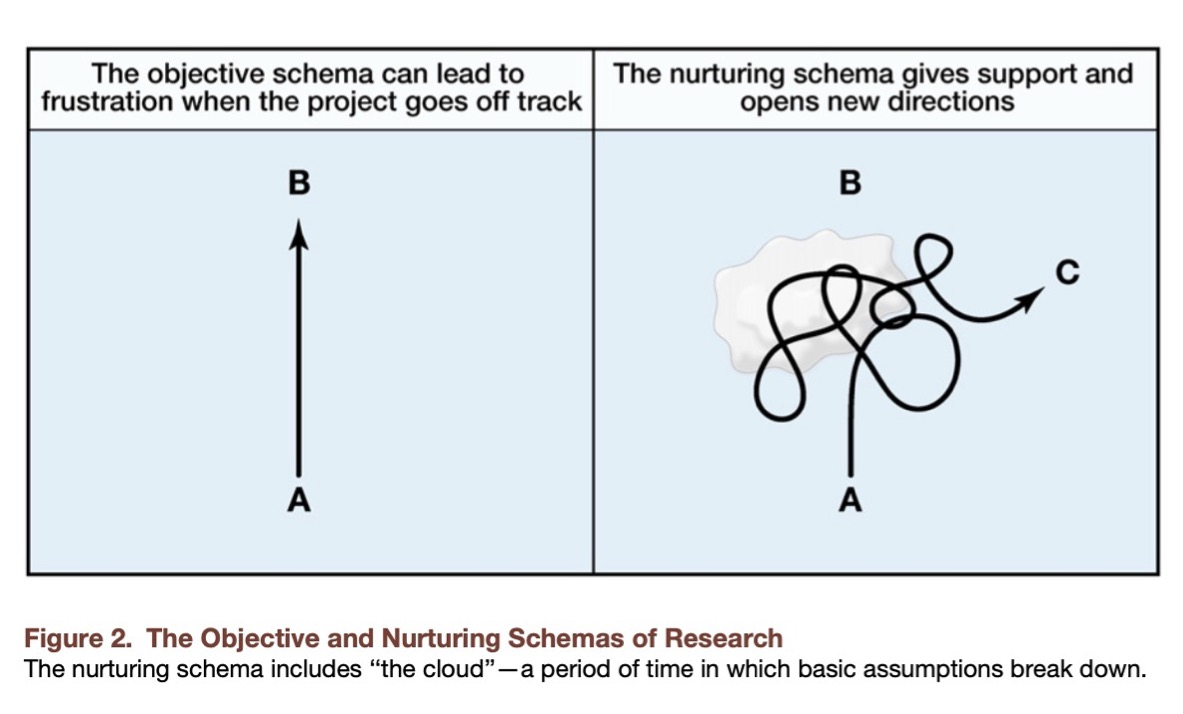
In the following, we would like to introduce tools we have developed that are helpful for artistic research pathfinding. These make part of our methodological toolkit developed along our long-term project of researching dizziness. As also illustrated by microbiologist Uri Alon, any doctoral project involves aporia and the unpleasant feeling of getting lost. Therefore, we will first list and sketch out some of the tools for orientation that we devised for ourselves and successfully introduced to doctoral students, and then provide insight into our evolving practice of transcultural learning with the doctoral cohort.
24 — See: https://www.e-flux.com/journal/143/591206/let-s-call-it-art/.
4.1. Bi- and Multi-sociation
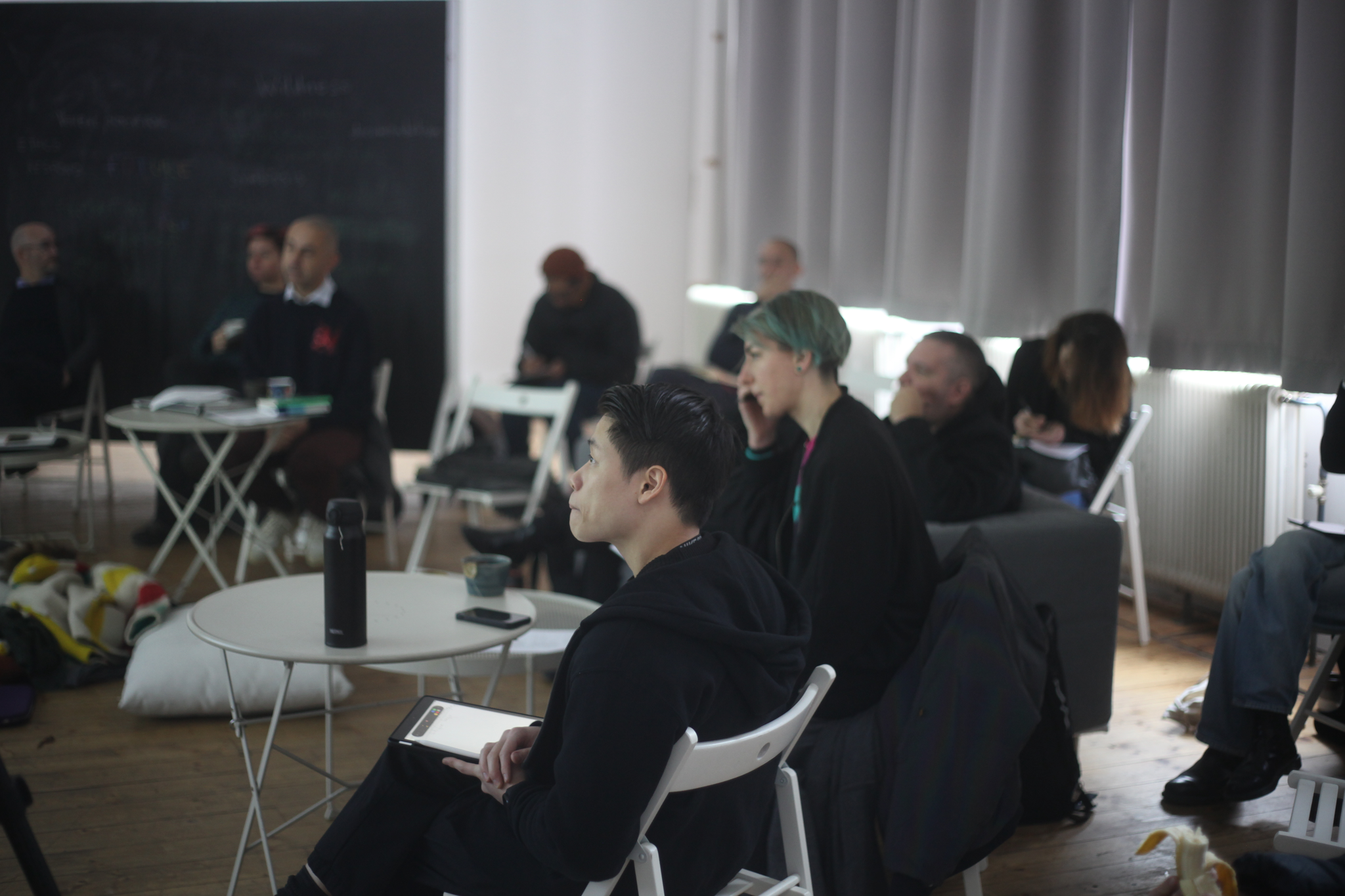
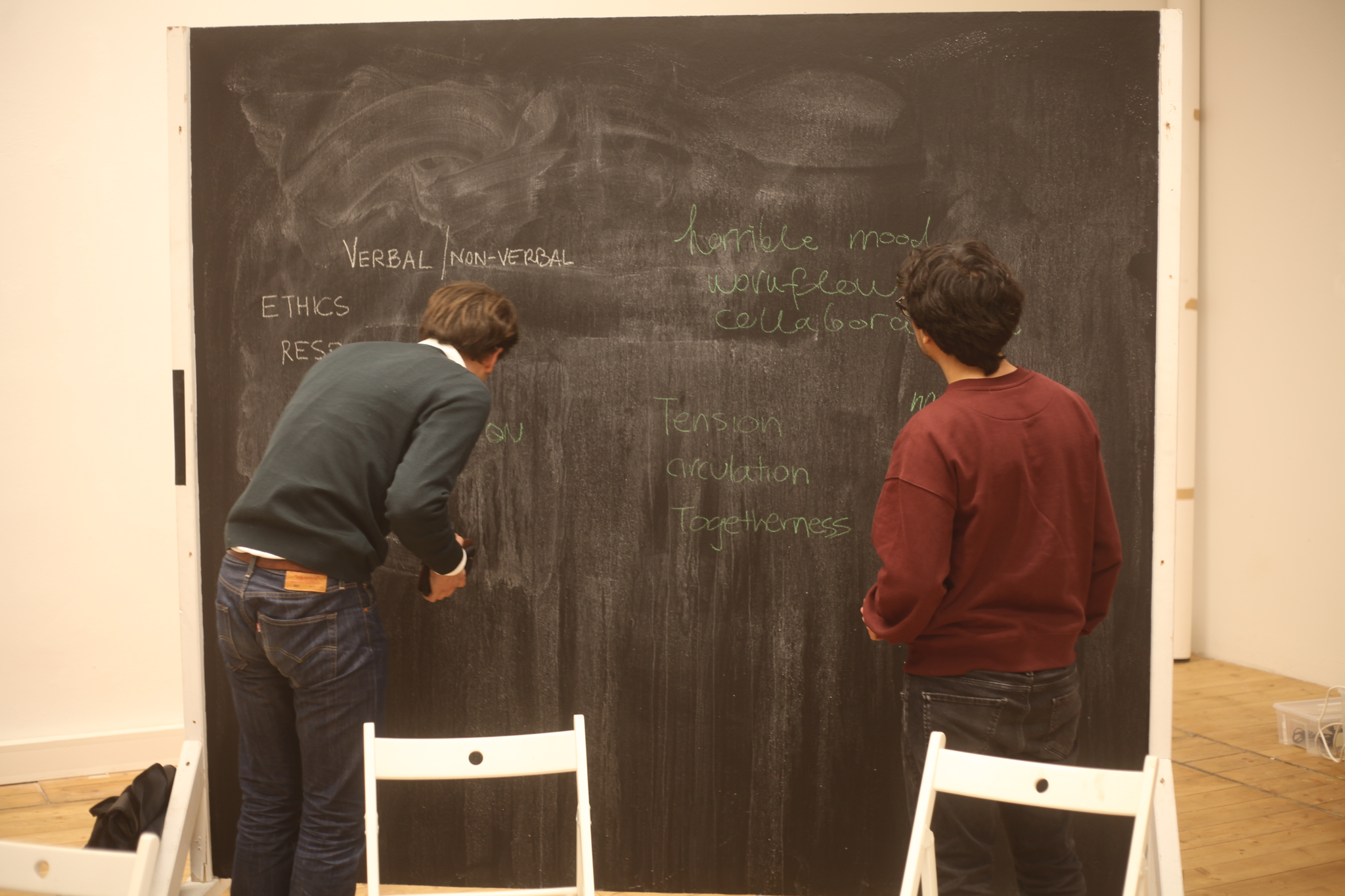
One of the tools that adds reflexivity and understanding is this method, which we developed based on Arthur Koestler's proposition in his book The Act of Creation (1964), where he introduces the concept of bi-sociation. Bi-sociation holds that instead of associating with one topic, two (or more) different topics, images, metaphors, and elements, or their distinct associative layers, are brought up, and the associations to these distinct topics are then interconnected to form a bi-sociation. This discursive method foresees introducing modes of bi- and multi-sociation, that is, using a person’s or group’s multifaceted associative and intuitive approaches on more than one plane. After relating, considering and discussing the emerging connections, then bringing these planes into resonance in a group setting or as a tool of individual basic research. This method foregrounds previously undetected and sometimes surprising somatic, artistic, formal, and theoretical connections and relationships, while also allowing for the disentanglement of elements that do not exist on the same plane or scale and were previously intertwined. This method will further explore positionality, fostering the emergence of new pathways, mutual understanding, and transdisciplinary relevance.
4.2. Theory-led and Practice-led Artistic Research
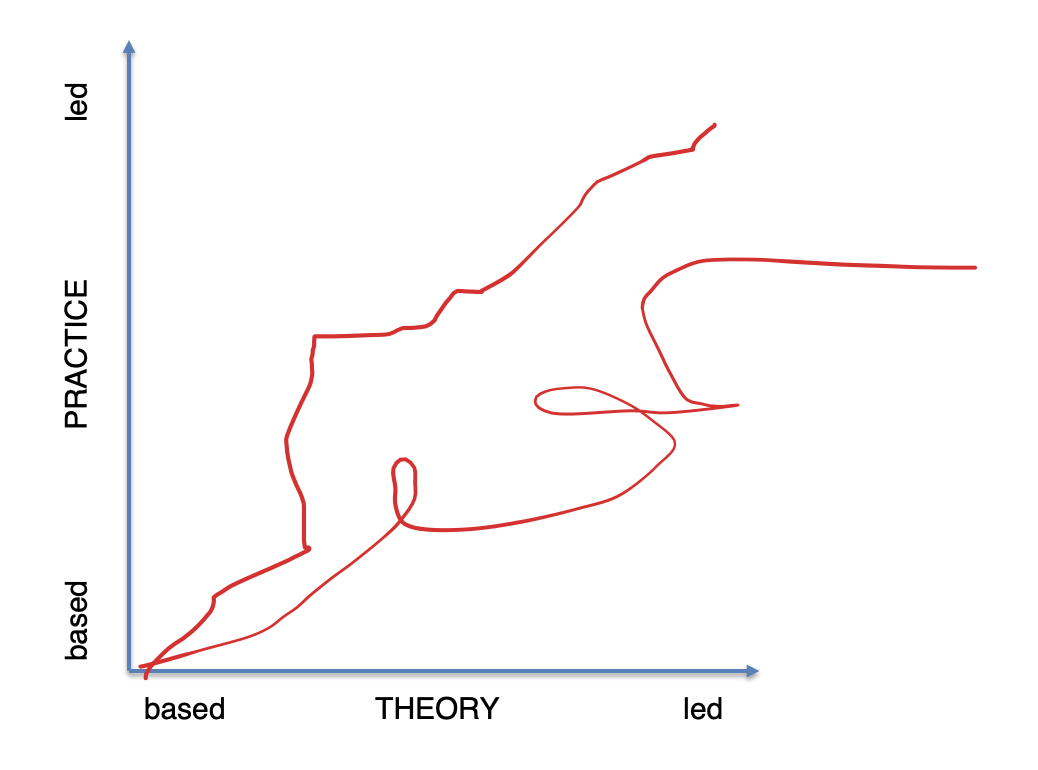
Artistic research projects are characterised by a process-driven and open approach, as also applied in basic research. Mathieu Kassovitz’s movie “La Haine” (1995) opens and closes with the story of a man falling from a high-rise building. During his fall, he repeats: Jusqu’ici, tout va bien – until here, everything went well. This certainly paints an overly drastic picture of what can happen if one doesn’t orient oneself during a long-term basic research project. However, structuring and orienting oneself throughout the project's trajectory is pivotal if one doesn’t want to let the dynamics of one’s unconscious attitudes and habits, or other people’s desires and ideas, take over. Therefore, an accompanying reflection on the process and teaching tools for reflecting at different moments in the research trajectory is key. Structuring the manifold topics and needs of a large group of doctoral candidates during and after the pandemic, we asked them to differentiate their current focus. To do this, we provided them with a simple vector graphic and asked them to locate their project and their artistic research movements along the following questions:
Is my research process practice-driven or theory-driven?
Is my expected outcome practice-oriented or theory-oriented?
What is in the driver’s seat of my research at the moment: theory or practice?
What do I aim to learn/derive from it?
Where did I start from and with what intention? What will take over the driver’s seat in my next step?
What should be the overall focus of my project when it is finished?
Understanding what fuels the artistic research at the moment and taking time to bring into perspective how the project’s orientation may change or even needs to change can help design the next steps consciously. This can (re)inspire a sense of direction and control. As a doctoral or any artistic research project may develop in surprising and unforeseeable ways, such moments of re-orientation can bring valuable insight and progress.
4.3. Understanding Dynamics of Divergence and Convergence in Relation to Progress
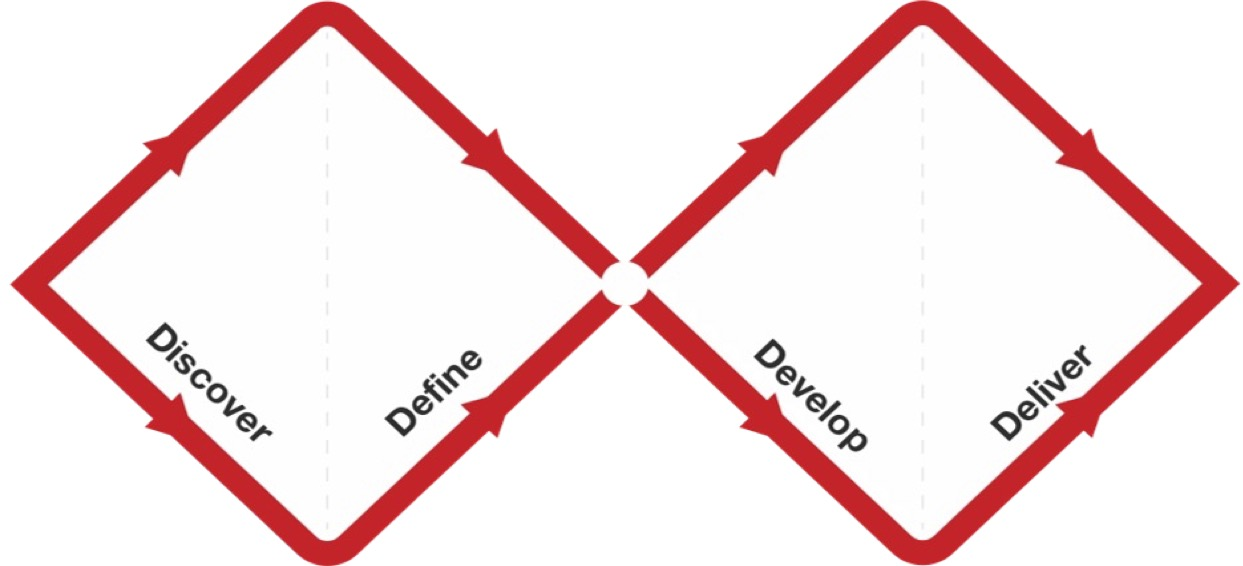
Artistic research requires modes of convergent and divergent thinking in order to advance. In management and design, the process of innovation and development is sometimes referred to as the Double Diamond. It was developed to help understand the progress of a design process. We have created an adapted version for our artistic research projects. In the early stages, collecting ideas, approaches, and methods is essential. A phase of divergent thinking opens the field illustrated in the first part of the first diamond. After a certain time, a form of saturation sets in, which can be indicated by a slowing down of finding relevant, new and exciting information. If information starts to become repetitive, this may be an indication that one is entering the peak, and the convergent phase of diligent editing and reflection is about to begin.
4.4. Transcultural Learning
When speaking about transcultural learning, we should clarify that this approach takes ‘culture’ neither essentialised as an unchanging category of difference nor as its translation declared to be a post-universalist solution principle, but rather to take into account the diversity of cultural representations and the related patterns of perception, framing and interpretation, as laid out in the ongoing research project Transculturality_mdw Cultural diversity in the arts, science, teaching and university structures.25
Integrating transcultural perspectives into supervision strategies in a programme featuring doctoral candidates from many nationalities worldwide becomes particularly significant. Such diversity presents a challenging but unique opportunity to create an enriched learning environment that values inclusion, sharing, multiperspectivity, and cultural sensitivity.
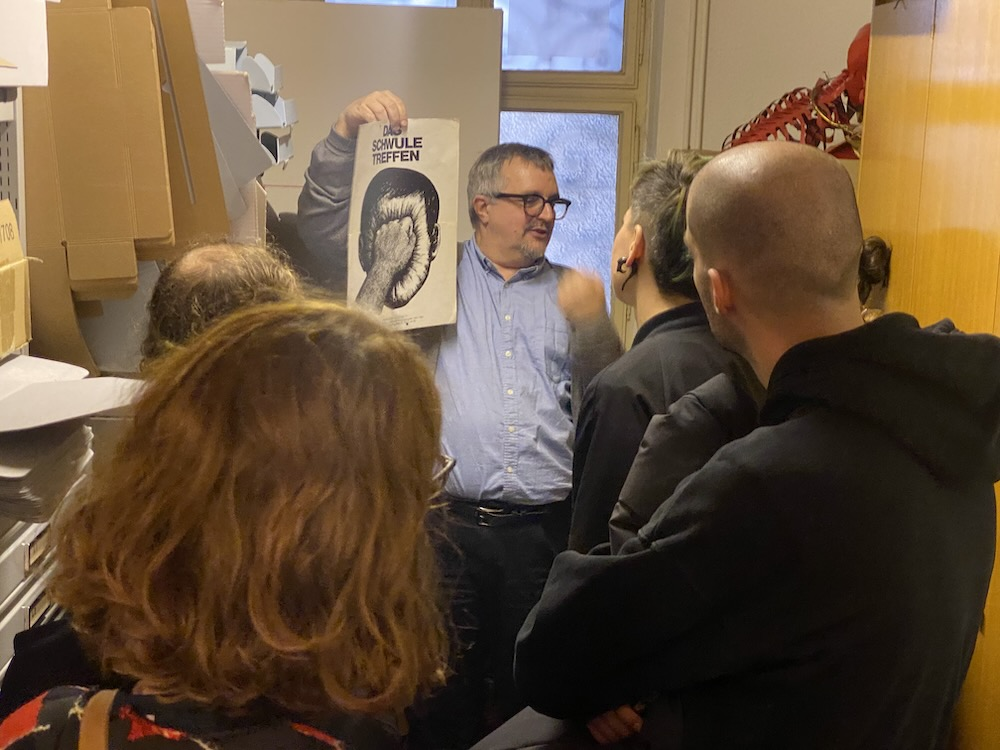
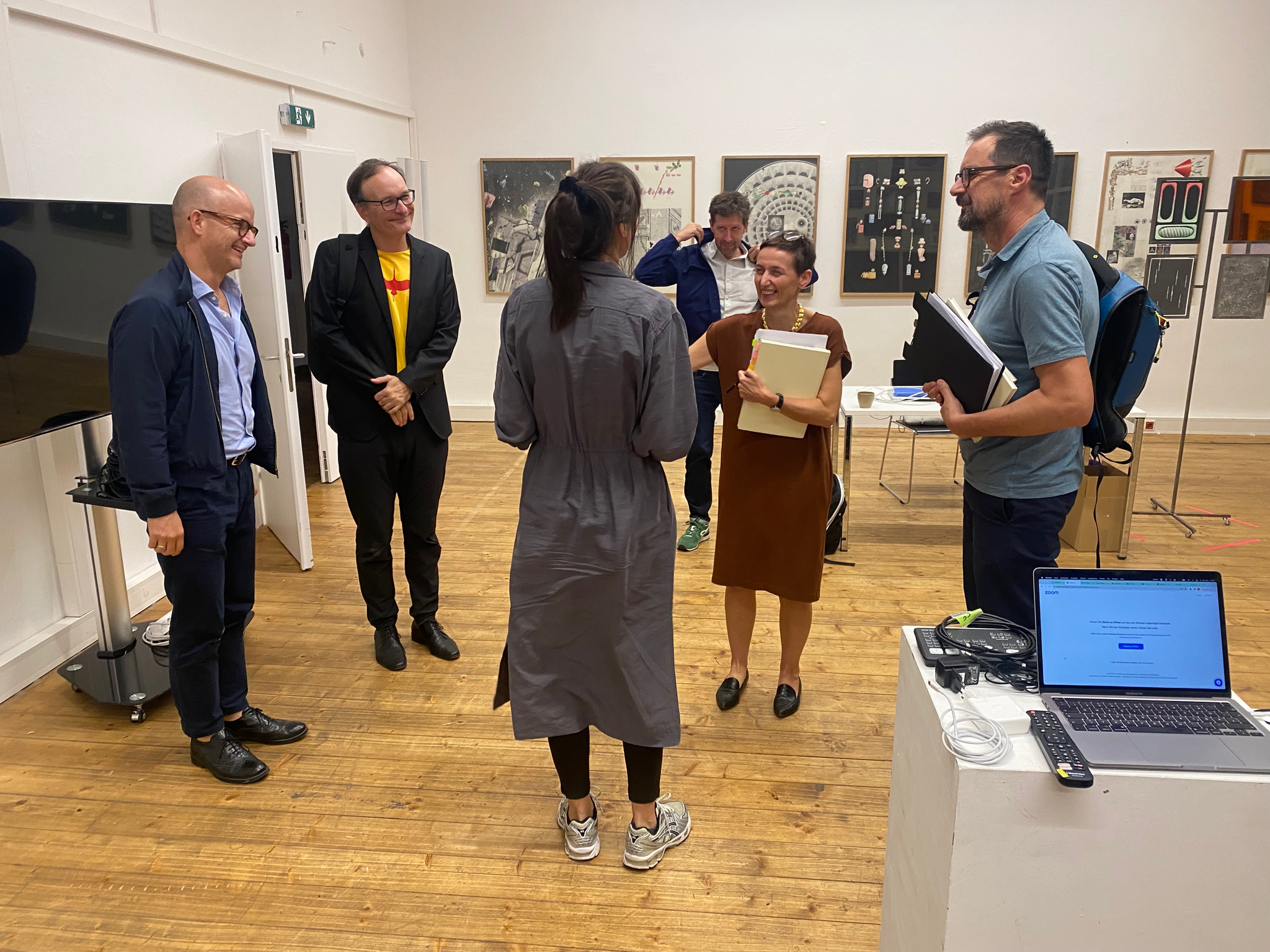
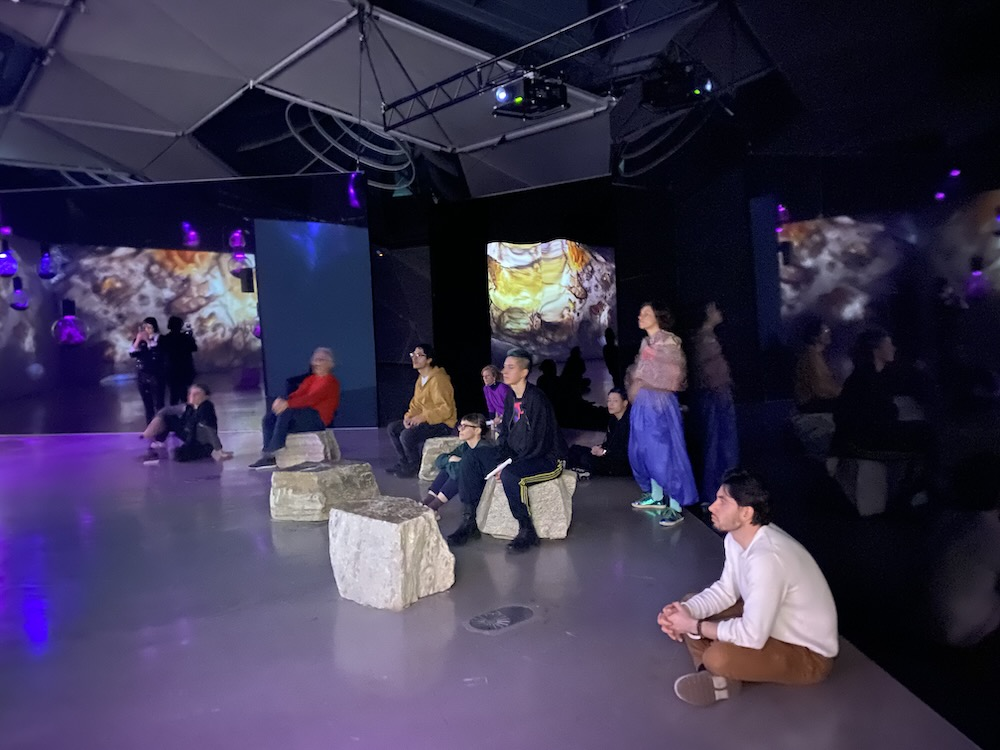
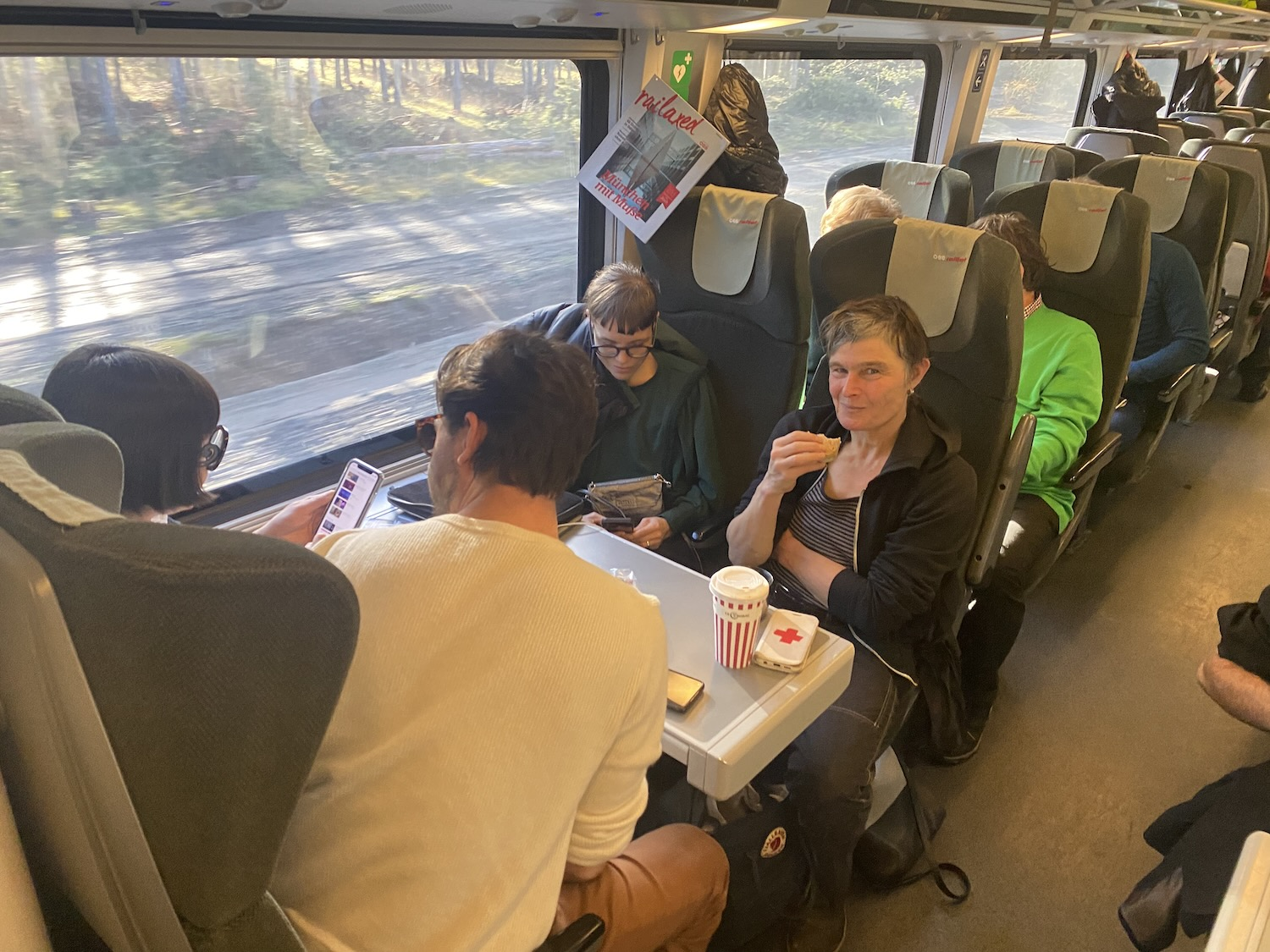
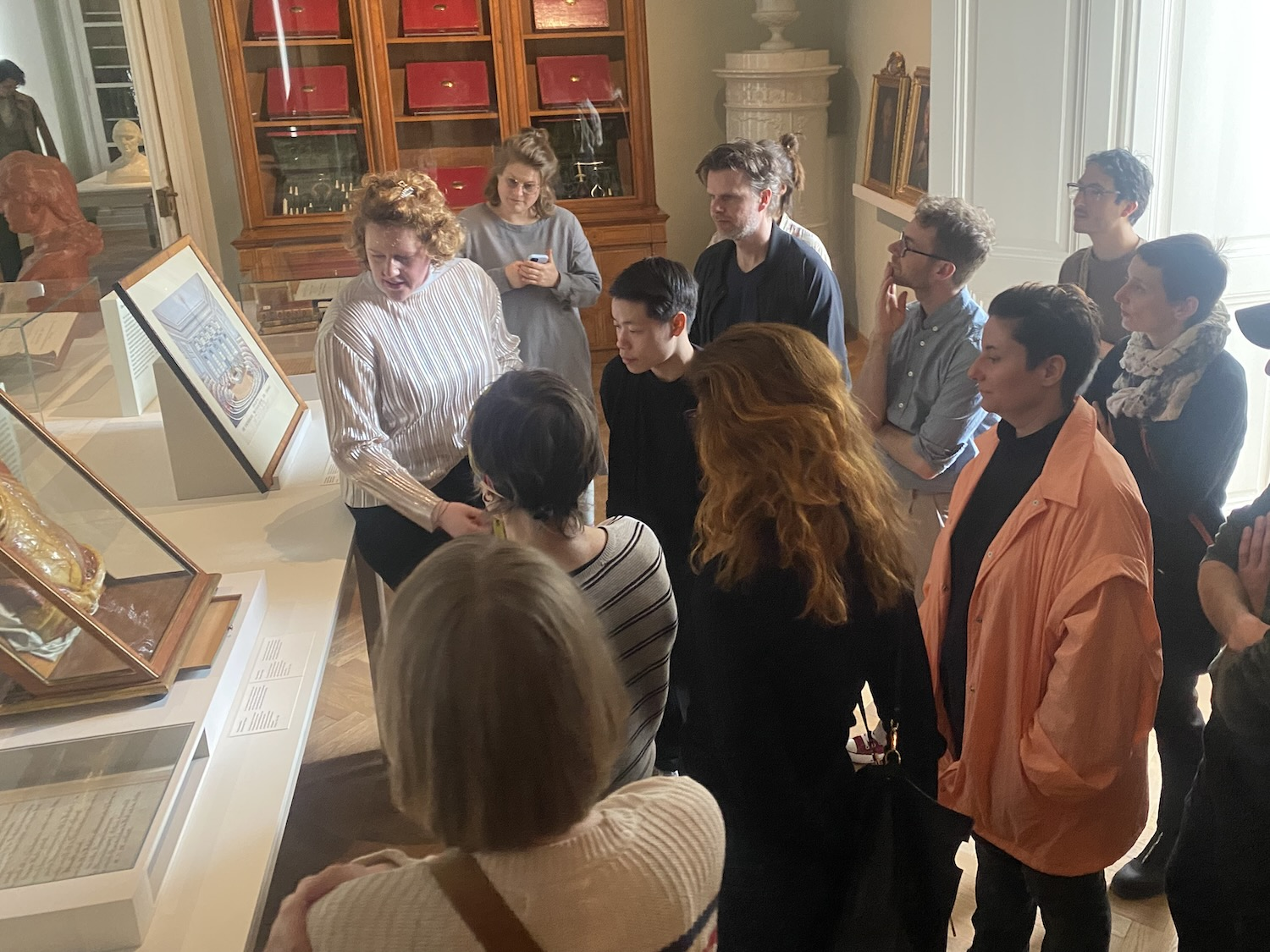
To harness this potential in our own practice, we included activities such as excursions to cultural and academic institutions in Austria, including Kunsthaus Graz, Leopold Museum, QWien – Center for Queer History Vienna, Josephinum Collection of the Medical University of Vienna, or the Arnold Schönberg Center. On many occasions, we invited colleagues from the Doctor Artium programme of ARC Artistic Research Center at mdw University for Music and Performing Arts Vienna to join us, the institution with which we have been affiliated since 2025. These experiences enable candidates to engage with each other and their diverse cultural narratives, histories, and artistic expressions, fostering a deeper appreciation of inclusive perspectives. They also enhance the level of collective exchange within the cohort and create valuable shared experiences. At the Doctor Artium programme, every year, a long weekend is spent together outside Vienna, where supervisors, staff, and candidates meet, get to know each other and exchange over three days at the beginning of each new academic year.
Another key aspect of transcultural learning was not to expect international candidates to conform to local cultural norms, but rather to support the cohort in adopting transculturally sensitive practices that respect and incorporate diverse cultural perspectives and expressions. However, in our experience, having a few “locals” in the cohort supports the onboarding and overall navigation of candidates new to the environment. The examination phase of a degree programme creates significant stress, which candidates express and manage in different ways. Often, this is the time when cultural divergences become apparent, but it always revolves around finding a pragmatic approach to provide the candidate with a supportive environment for this final step.26
However, during their study, reflective writing – guided by carefully crafted prompt questions and contextual readings – serves as a powerful tool for supporting candidates’ processes and helping them make sense of their transcultural experiences. This structured approach improves their capacity for reflection and builds transcultural competence by encouraging meaningful and critical engagement with their cohort’s diverse viewpoints.7 Furthermore, fostering reflexivity in teaching and supervision actively promotes critical thinking, including but not limited to discussions of colonial histories and their ongoing impact on contemporary society. This supports a more nuanced understanding of global and local dynamics, challenging dominant narratives and exploring alternative perspectives. In the Understanding Practice programme, which we initiated, we invited guests from various backgrounds – writers, visual artists, philosophers, performers, activists, and scholars.28 In particular, invited guests were encouraged to bring their positionality into focus and demonstrate how this nourishes their practice(s). For a programme that is internationally diverse, such encounters are vital in creating an inclusive academic environment that values and integrates the wealth of cultural and social experiences and insights each candidate, supervisor, or guest contributes, and that traverses across disciplinary and academic boundaries.
25 — See: https://www.mdw.ac.at/ive/gesamtkonzept/.
26 — Kidman, J.; Manathunga, C.; Cornforth, S. (2017): Intercultural PhD supervision: exploring the hidden curriculum in a social science faculty doctoral programme. Higher Education Research & Development 36,1208 - 1221.
27— Williams, Tracyann (2017): “Using a PRISM for Reflecting: Providing Tools for Study Abroad Students to Increase Their Intercultural Competence.” Frontiers: The interdisciplinary journal of study abroad 29 (2017): 18-34.
28 — We initiated and developed this format; its execution and co-hosting were conducted in collaboration with Alexander Damianisch, the then-director of the Zentrum Fokus Forschung. An example: https://www.on-dizziness.com/resources-overview/understanding-practice-dominique-savitri-bonarjee-with-jack-halberstam.
5. Epistemic Decompression
Acknowledging that our positionality is the embodied hinge from which our epistemic-artistic work materialises, decentring is crucial to the approach we follow when it comes to accompanying students, as stated earlier. Writing about somatic practices for decentring as a pathway to educational and research integrity, education researcher Hélène Hagége holds that
[…] critical and complex thinking, cognitive flexibility, contextual relativism, and decentering, […] are skills that can be fostered in spite of simplifying thinking, dogmatism, naive epistemology (and dualism) and cognitive fusion, respectively. It points to […] the benefits of an educational approach in which subjects are encouraged to practice different types of meditation and to feel free to break institutional rules. Therefore, promoting educational integrity may require methods that lie beyond the obvious choices.29
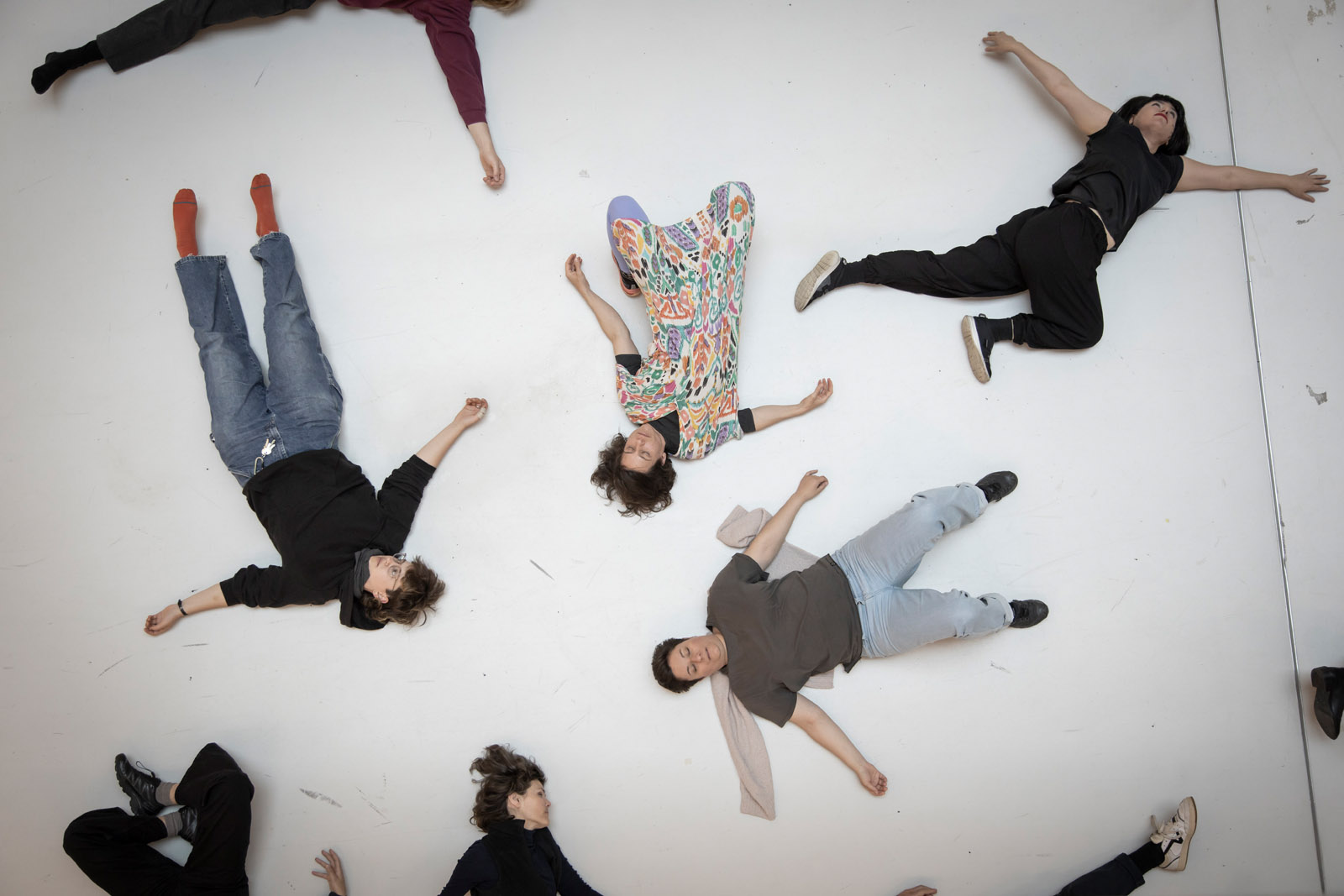
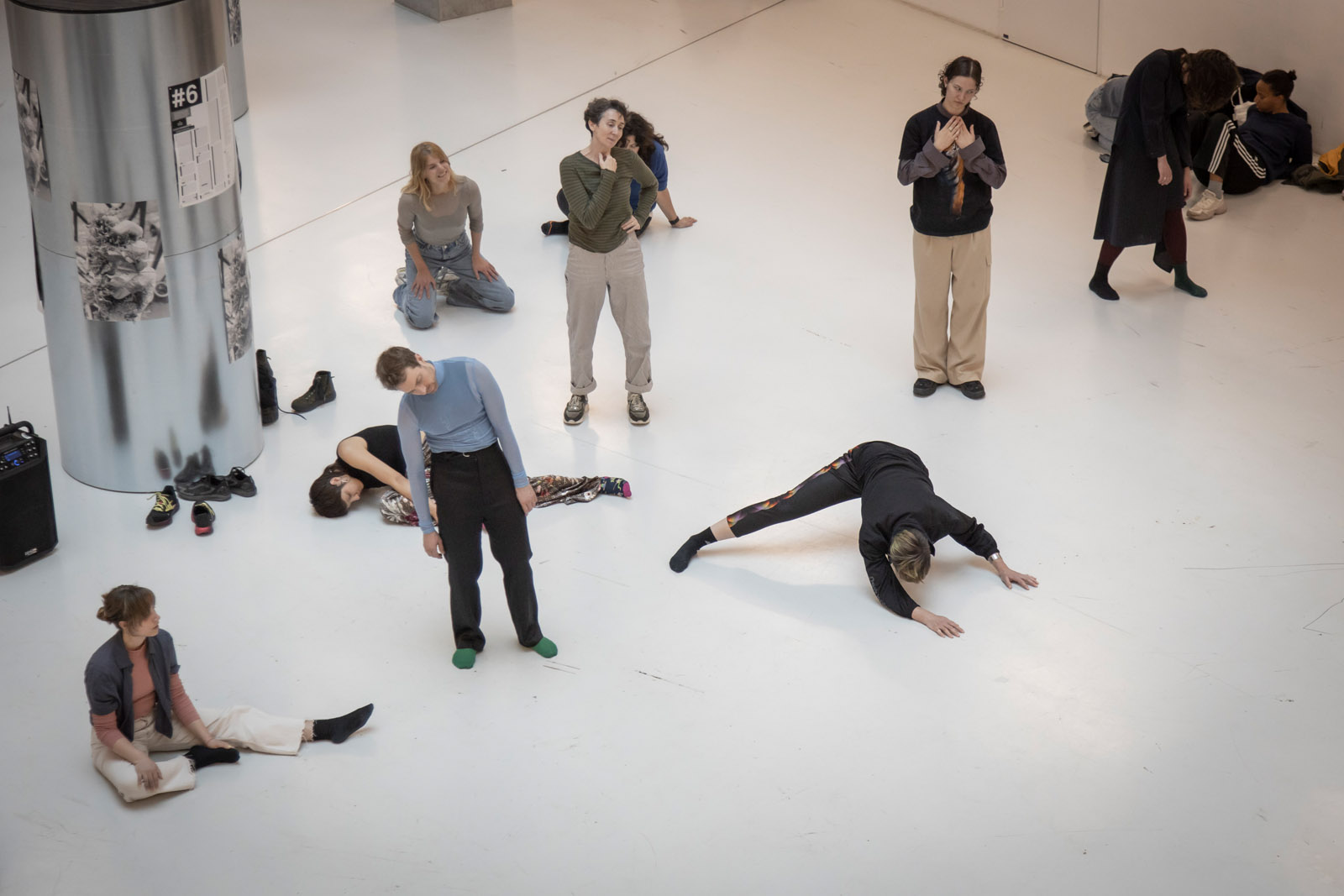
In the format of epistemic decompression, embodied dimensions of practice and knowledge sharing, which differ from the voicing, lecturing, and performing of artistic research, take centre stage. A moment of pause, contemplative movement, somatic learning and reflection can help bring courage, mutual understanding and renewed appreciation of the differing knowledges, perspectives, attitudes, roles, and tasks, and thus, add to the well-being of all involved in the process. Well-being, as mentioned earlier, should be fostered throughout the doctoral journey, and we view this format as an innovative possibility to enhance and support mental health and quality of life. Graduate students are among the high-risk groups when it comes to experiencing mental health crises, according to The Centre for Economic Policy Research (CEPR).30 Emotional support from the peer group, attention and awareness from the university staff and supervision team can help alleviate and mitigate such developments.
Our proposition of epistemic decompression is developing and aims well beyond embodied practices of knowledge transfer, non-linguistic and tacit modes of sharing, even though they may be an integral part of musical performances, dance, lecture-performances, film screenings, poetry or prose readings and other formats that involve the sentient body. Epistemic decompression essentially recognises somatic learning as a crucial aspect of education and consciously allocates a space and framework for such somatic learning. It brings the artist-researchers’ awareness back to their body, its conditions and situatedness, exposing similarities with mindfulness methods. So, after the day filled with lectures and performances, we may ask ourselves to reflect:
Is there ease or unease with what was experienced?
What remains unknown or unnamed?
How does it feel?
Where can I locate this feeling in my body?
How could this feeling be expressed or recognised?
Does the feeling change with awareness, attention and/or body movement?
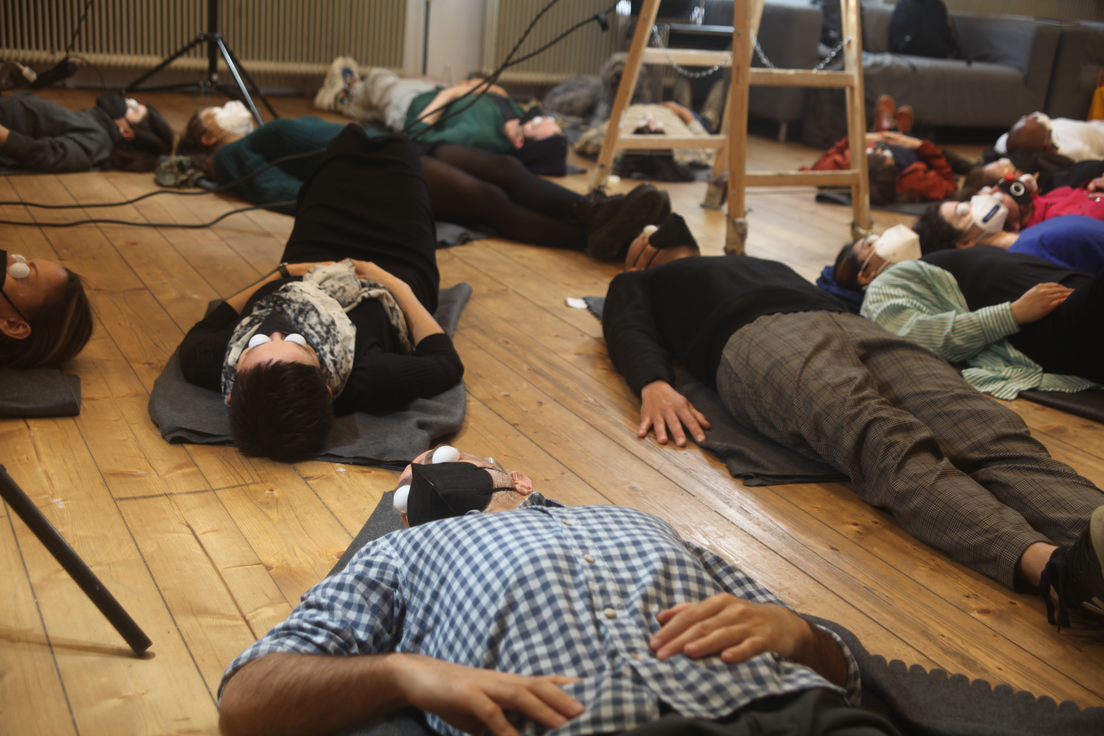
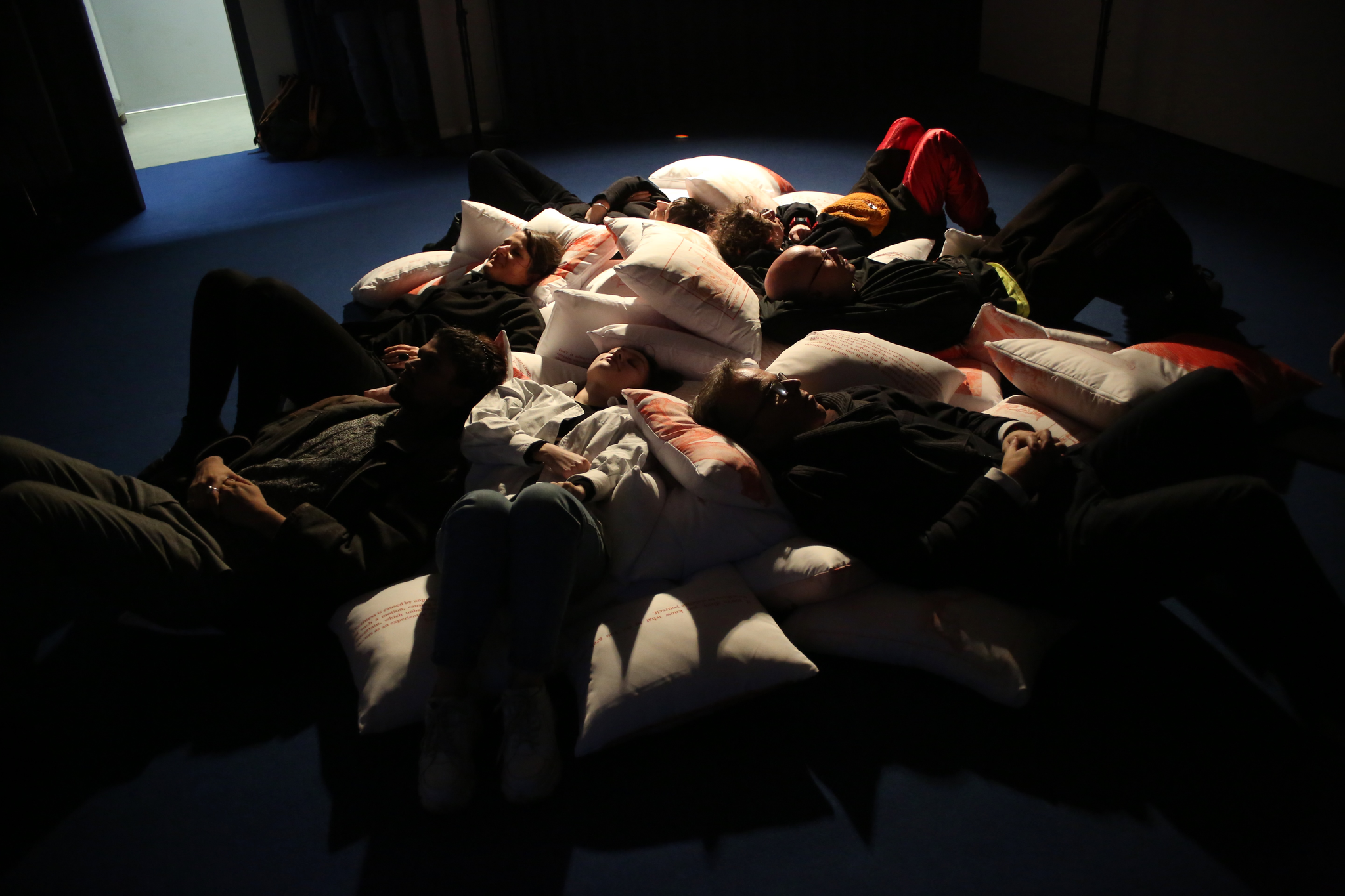
In the following, we will provide an example, as we have previously presented this type of balance training on multiple occasions and in various contexts. We aim to further develop this format, based on Feldenkrais practice, a somatic learning method, of which Leonhard is a certified practitioner. We are convinced that it can create a fertile shift towards well-being, holistic insight, and contribute to the learning experience of conventional modes of academic-artistic presentation and expected learning skills and outcomes. The move beyond artistic and/or academic representation of research activates an embodied, immediate and ephemeral presence and togetherness in a shared space. This is highly beneficial in a line of work that is directed into the unknown, unknowable, and uncertain, or one that involves exploring limits and finding novel ways of expression. New artistic impulses, epistemes, and even research endeavours become palpable in these gatherings of epistemic decompression. Sometimes finding new orientation and courage involves lying down on the floor.
If you like, lie on your back and lengthen your legs.
Close your eyes.
Place your right hand with its fingers on your forehead and the base of the palm on your right cheek.
Your right-hand cups your right eye and covers it.
Place the base of your left hand on your left cheek and your left fingers over your right hand so they can rest on the right side of your forehead.
Your hands cross lightly, without any pressure on your eyeballs.
Try to find, inside the background of your eyes, the darkest point that you can see.
Notice your breathing and observe if the brightness of what you see changes when you inhale and exhale.
Now become aware of the dark point in the background again
Do that without exceptional effort because you will excite your nervous system again if you try too hard.Simply be aware of the darkest point in the background.
Continue with your eyes closed and lower your arms.
Keep your eyes closed all the time, and with your eyelids closed,
turn both your eyes very gently to the right.
Move from the middle to the right.
Look at the bridge of your nose and turn your eyes to your right, as if you want to look near your ear or somewhere near the floor.
Continue to do this slowly.
And pay attention to what you do when you look near your right ear.
Don’t move your head.
Begin this movement quickly – very quickly, but gently. Look quickly to the right and back to the middle.
Come to the middle and take a rest.
→→→ →→→→→→ →→ →→→ →→→
29 — Hagège, H. (2023): "Epistemic decentering in education for responsibility: revisiting the theory and practice of educational integrity." Int J Educ Integr 19, 18. https://doi.org/10.1007/s40979-023-00134-3.
30 — See: https://cepr.org/voxeu/columns/reassessing-mental-health-crisis-among-phd-students.