Heidi Hanninen, Academy of Fine Arts
/ Uniarts Helsinki, 5th year Doctoral student
Artistic research:
KAS! Kontula Art School – socially engaged public art
Possibilities of the community art in culturally diverse contexts
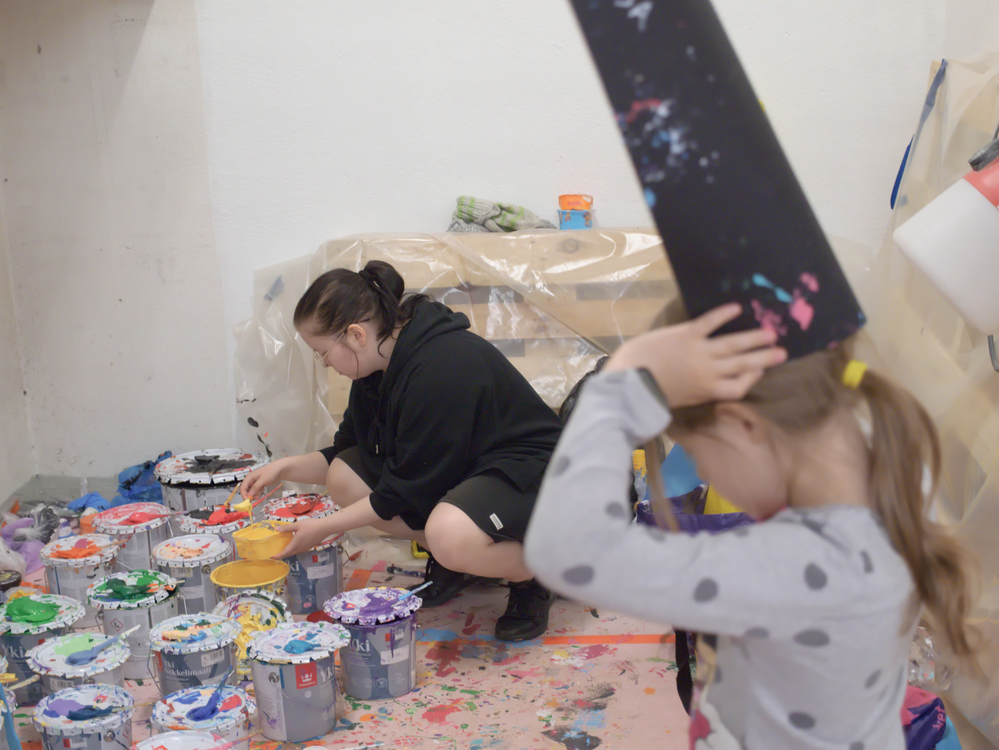
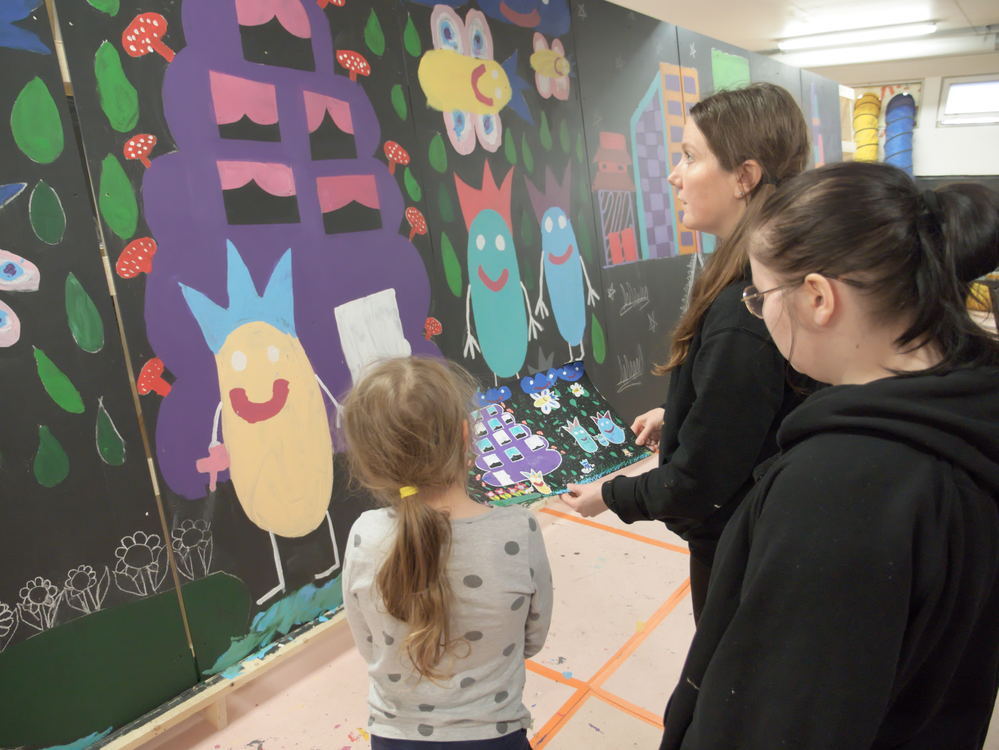
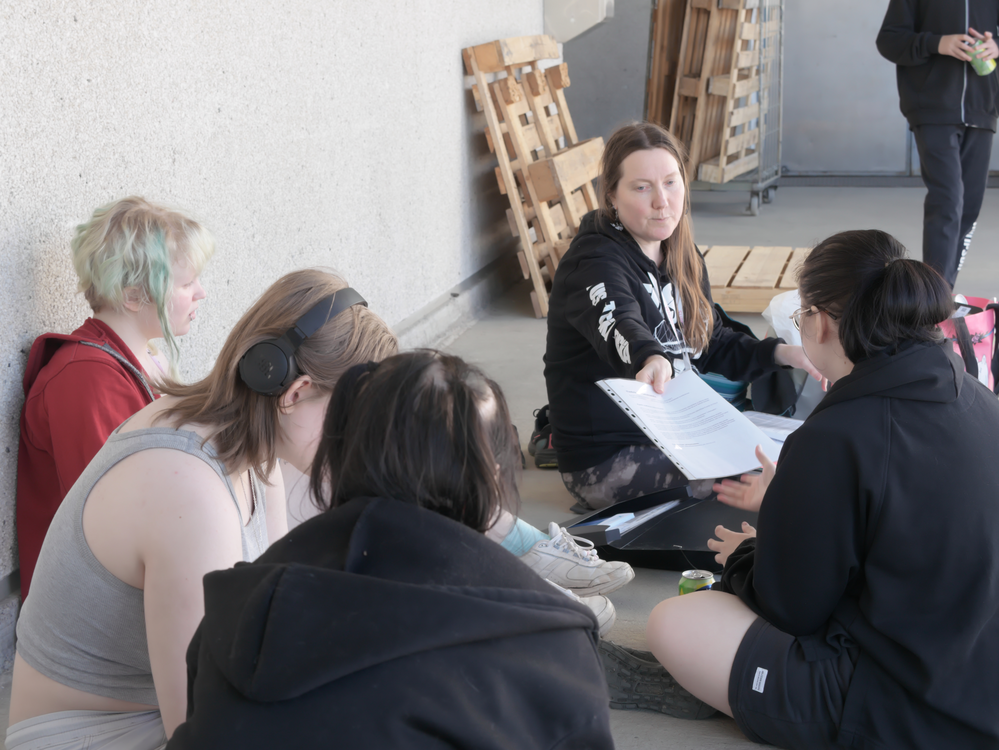
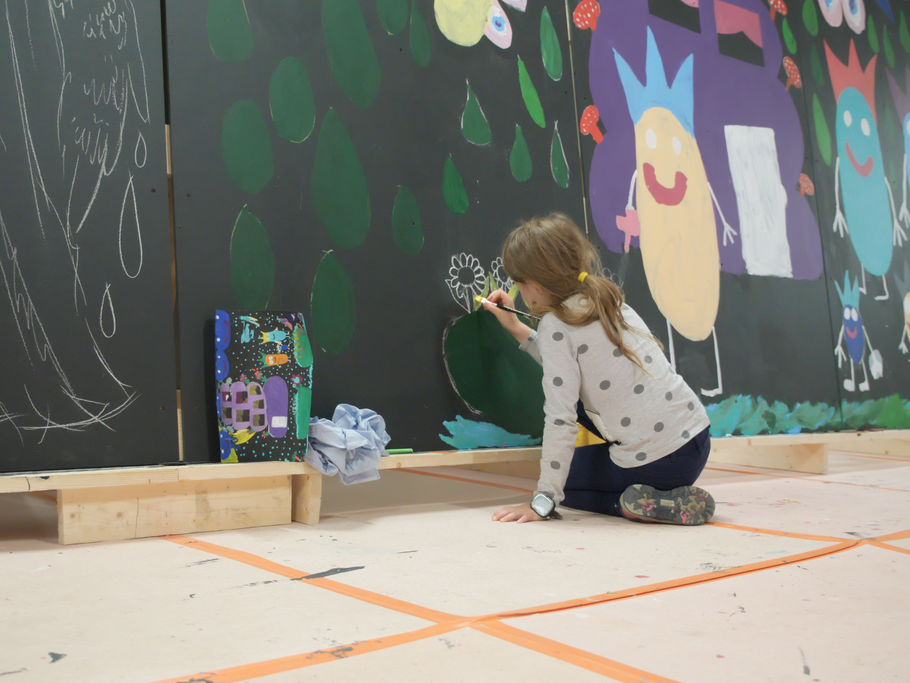
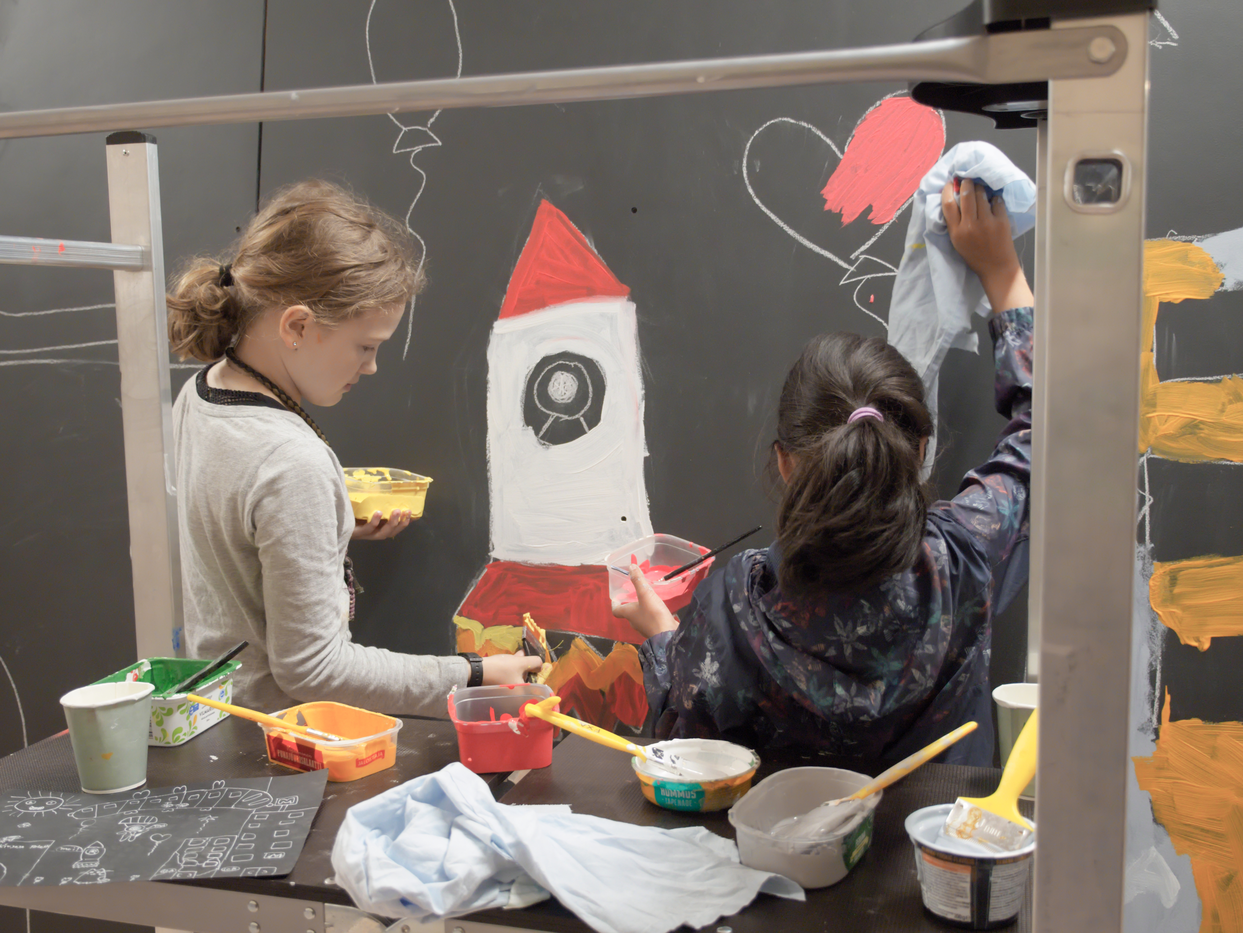
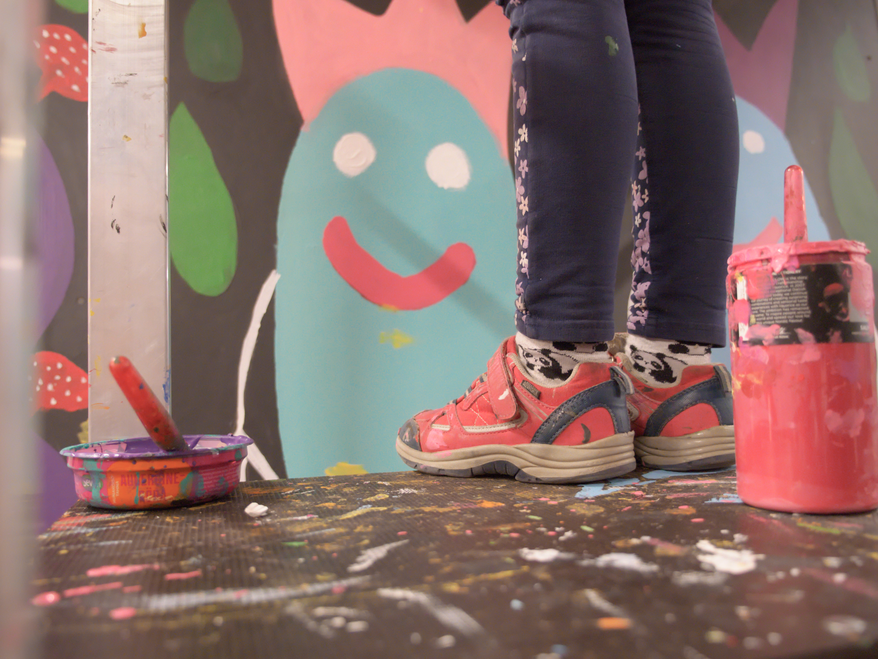
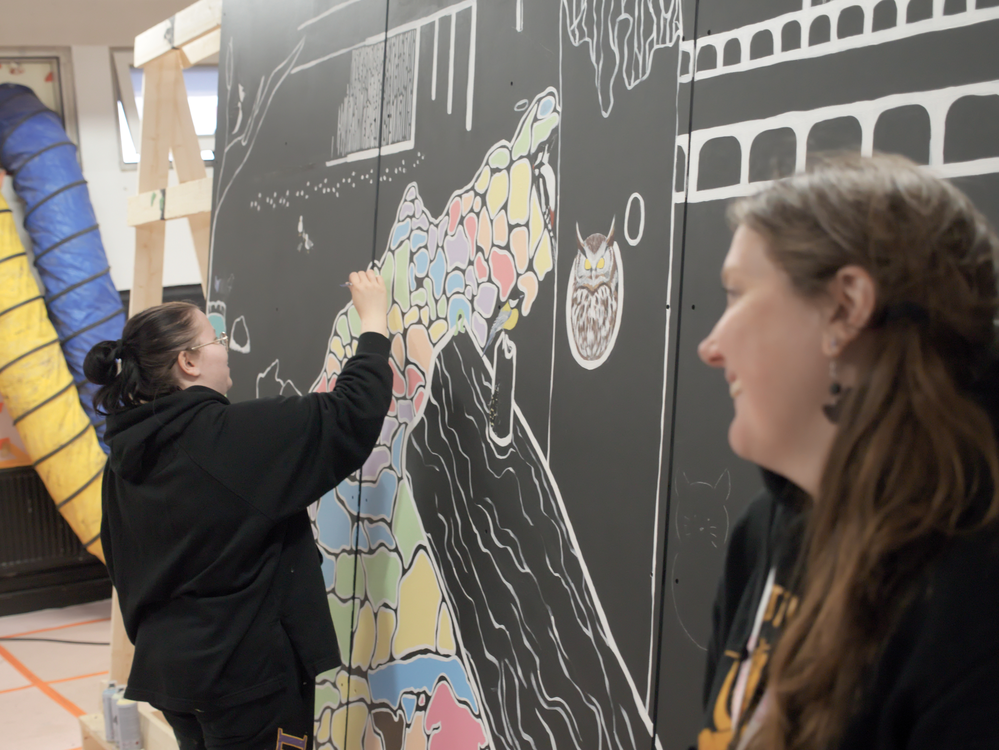
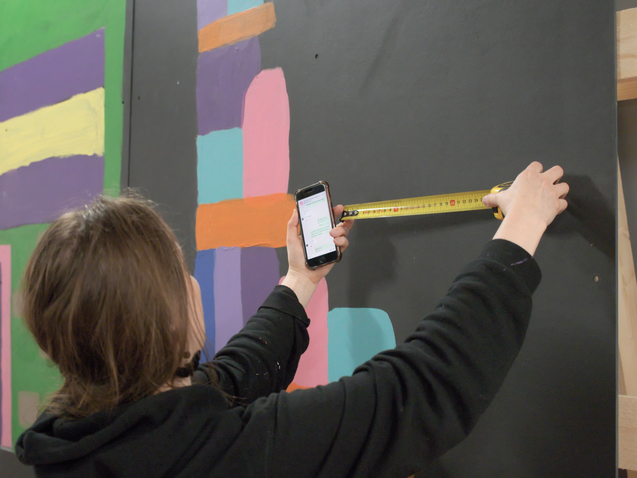
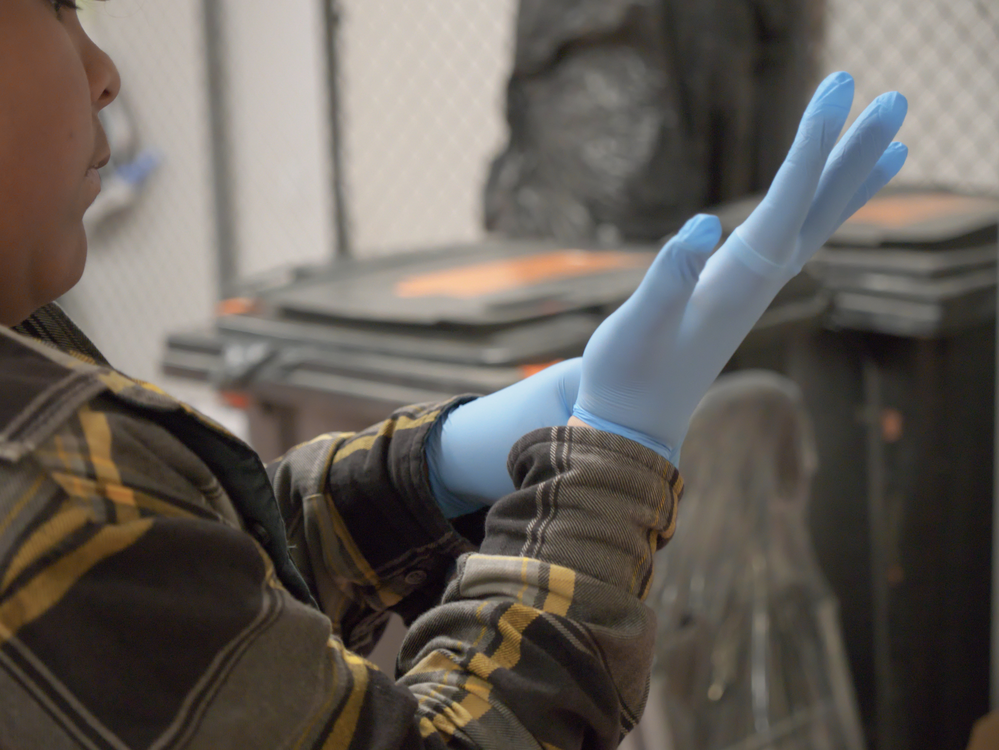
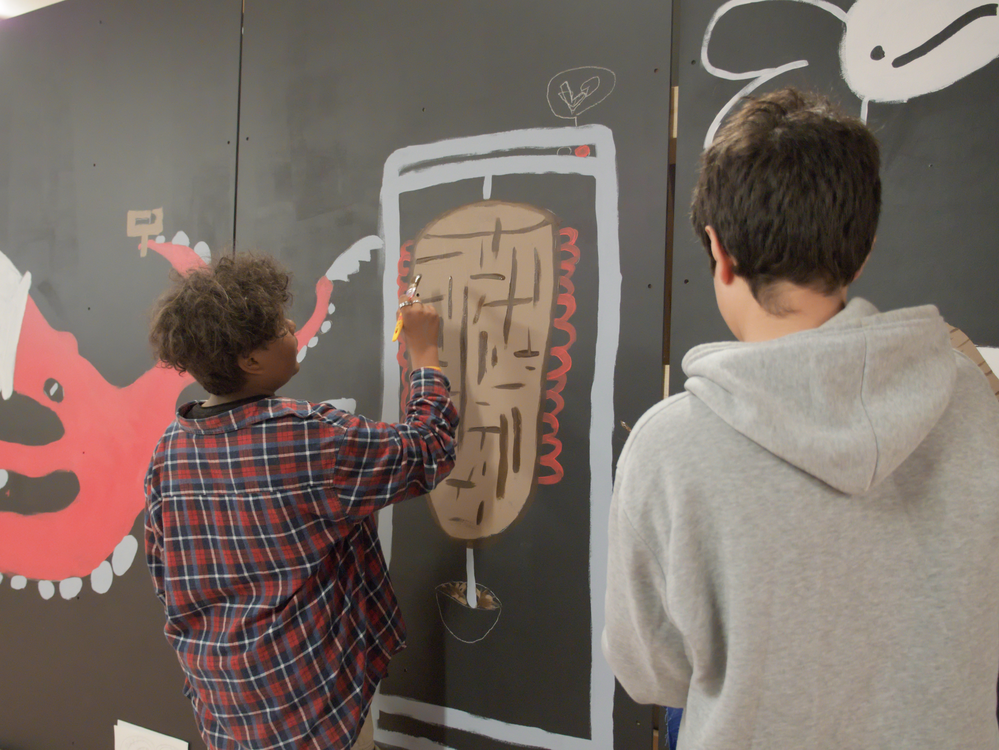
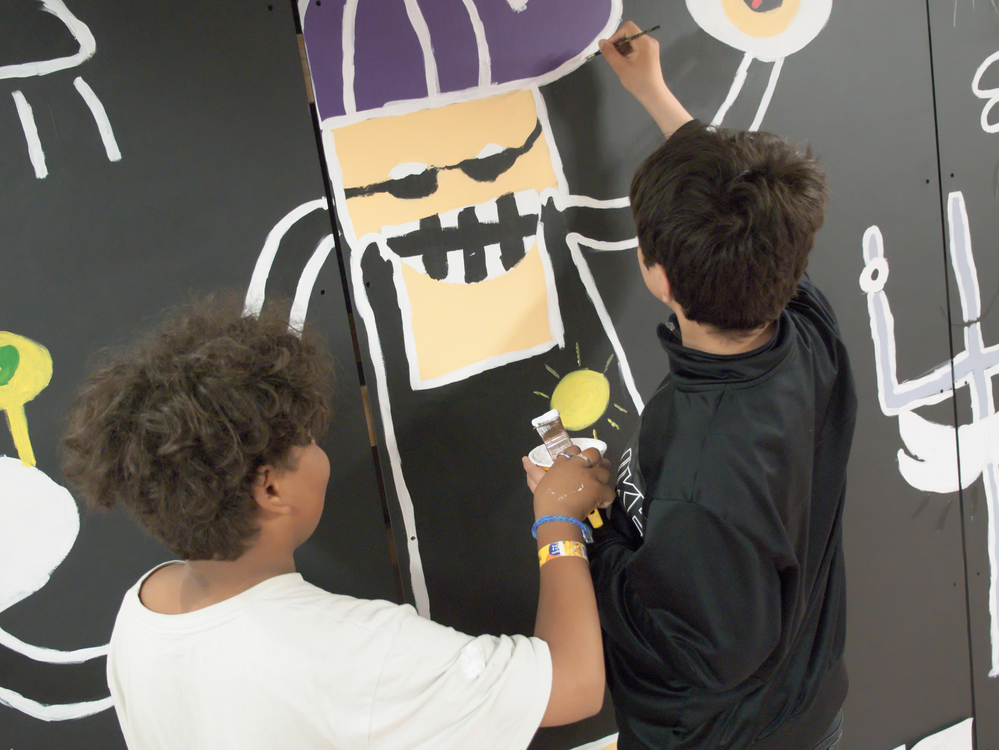
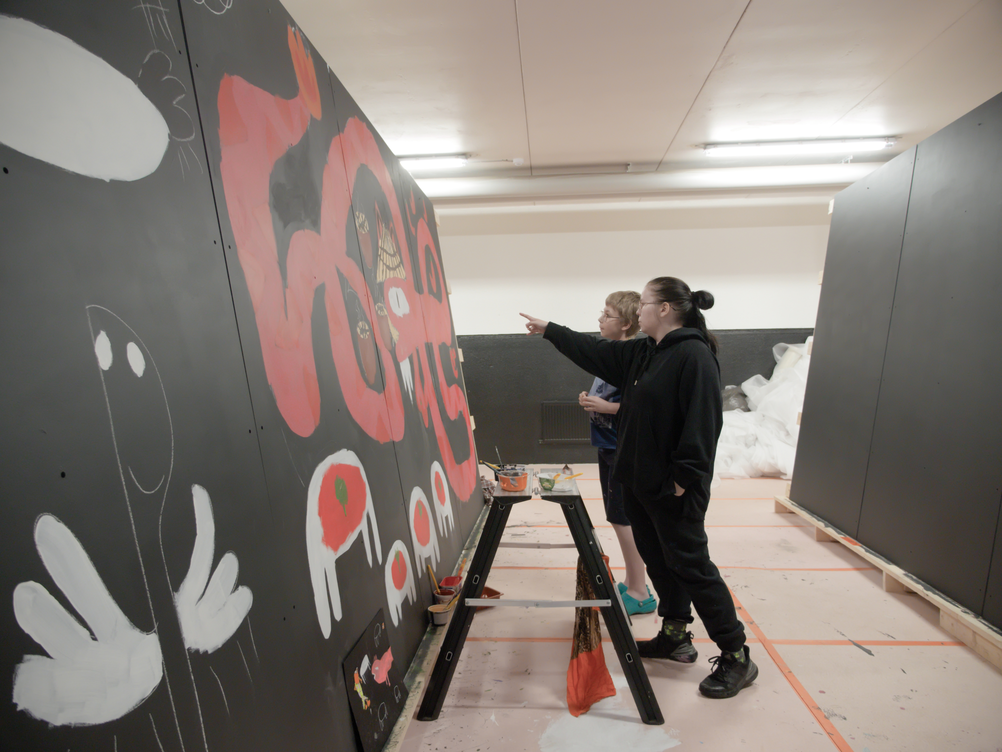
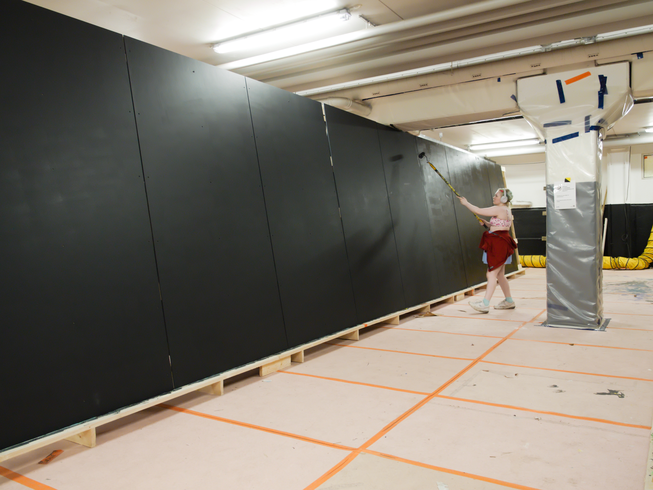
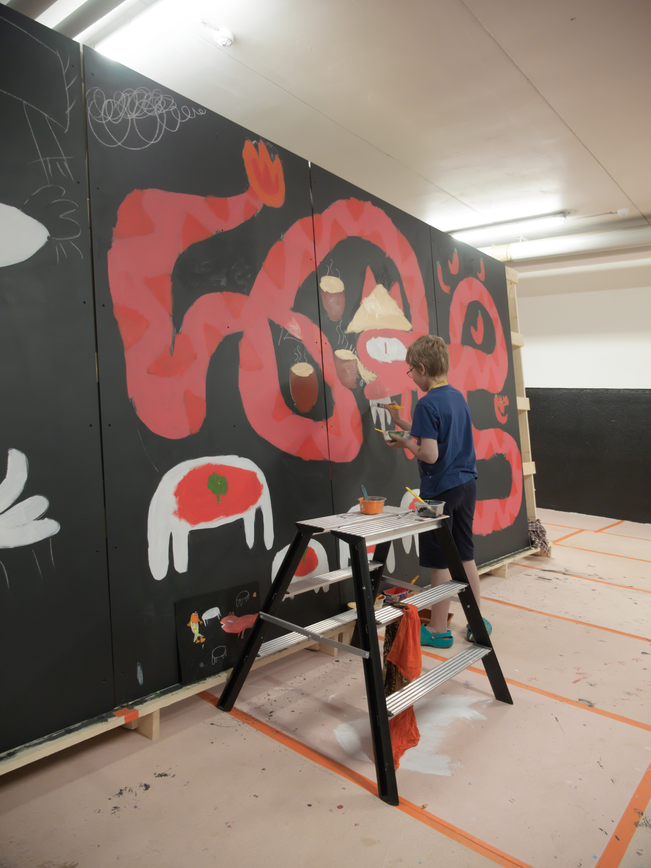
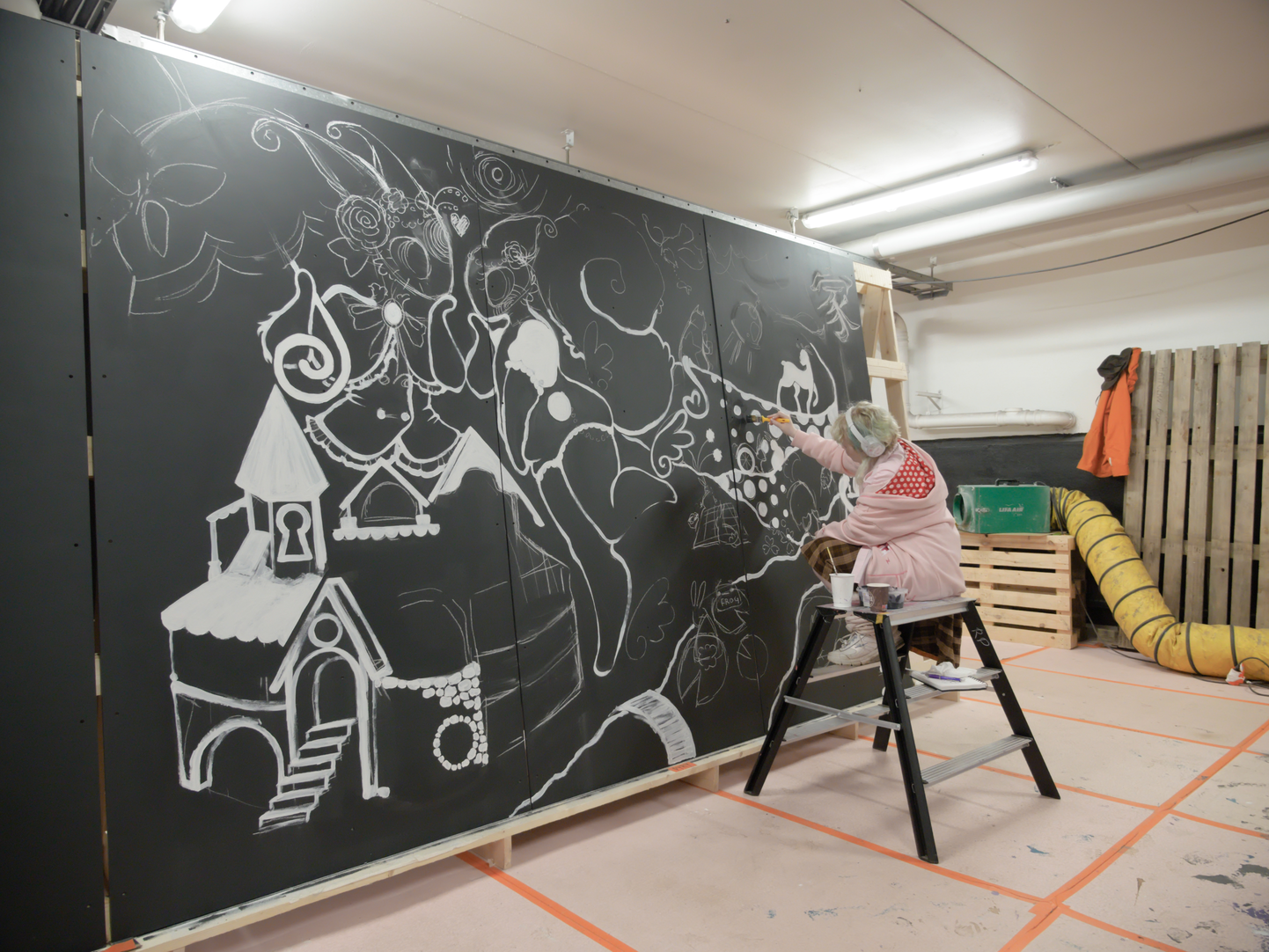
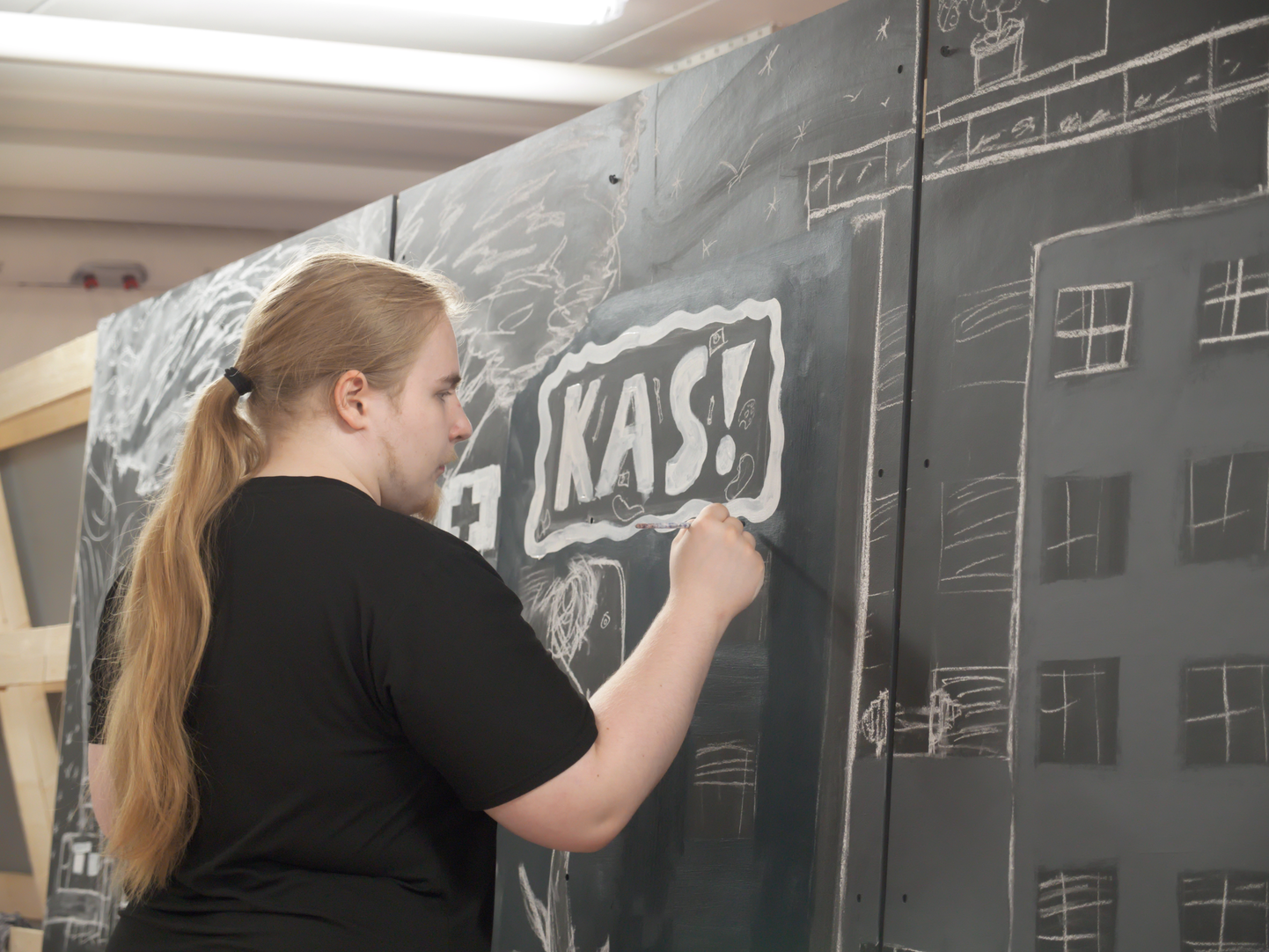
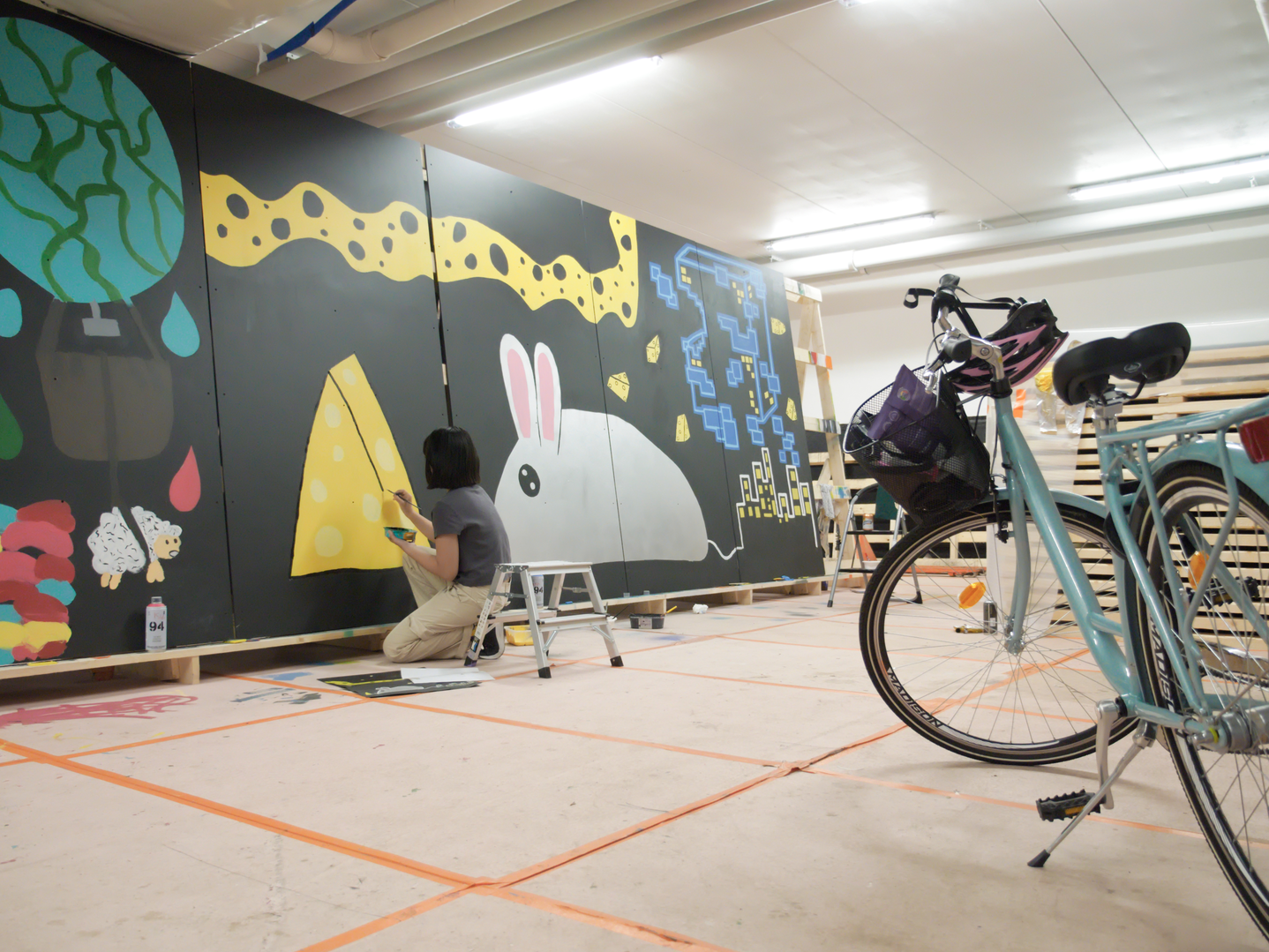
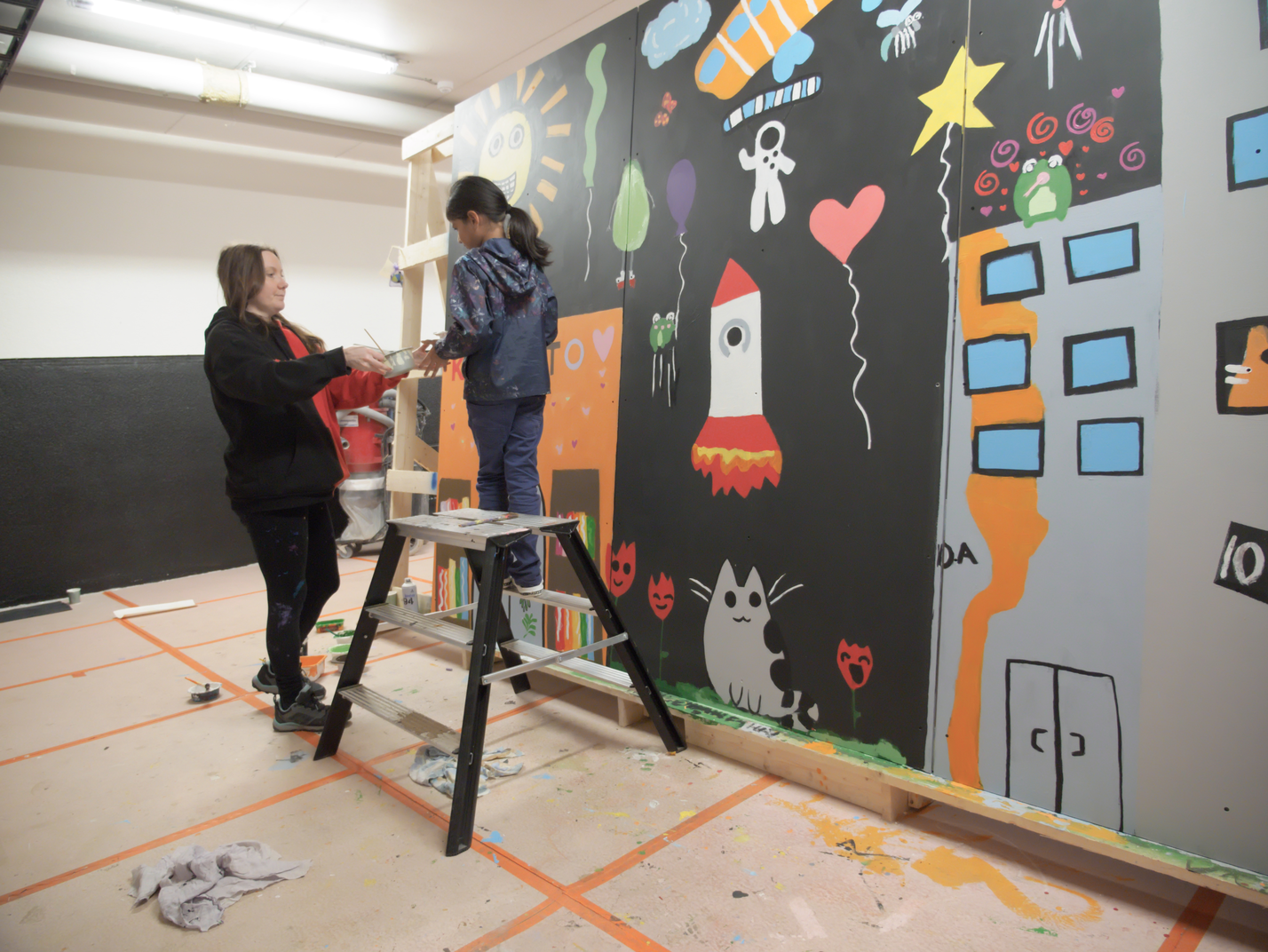
In this photo gallery you can take a look inside to KAS! Kontula
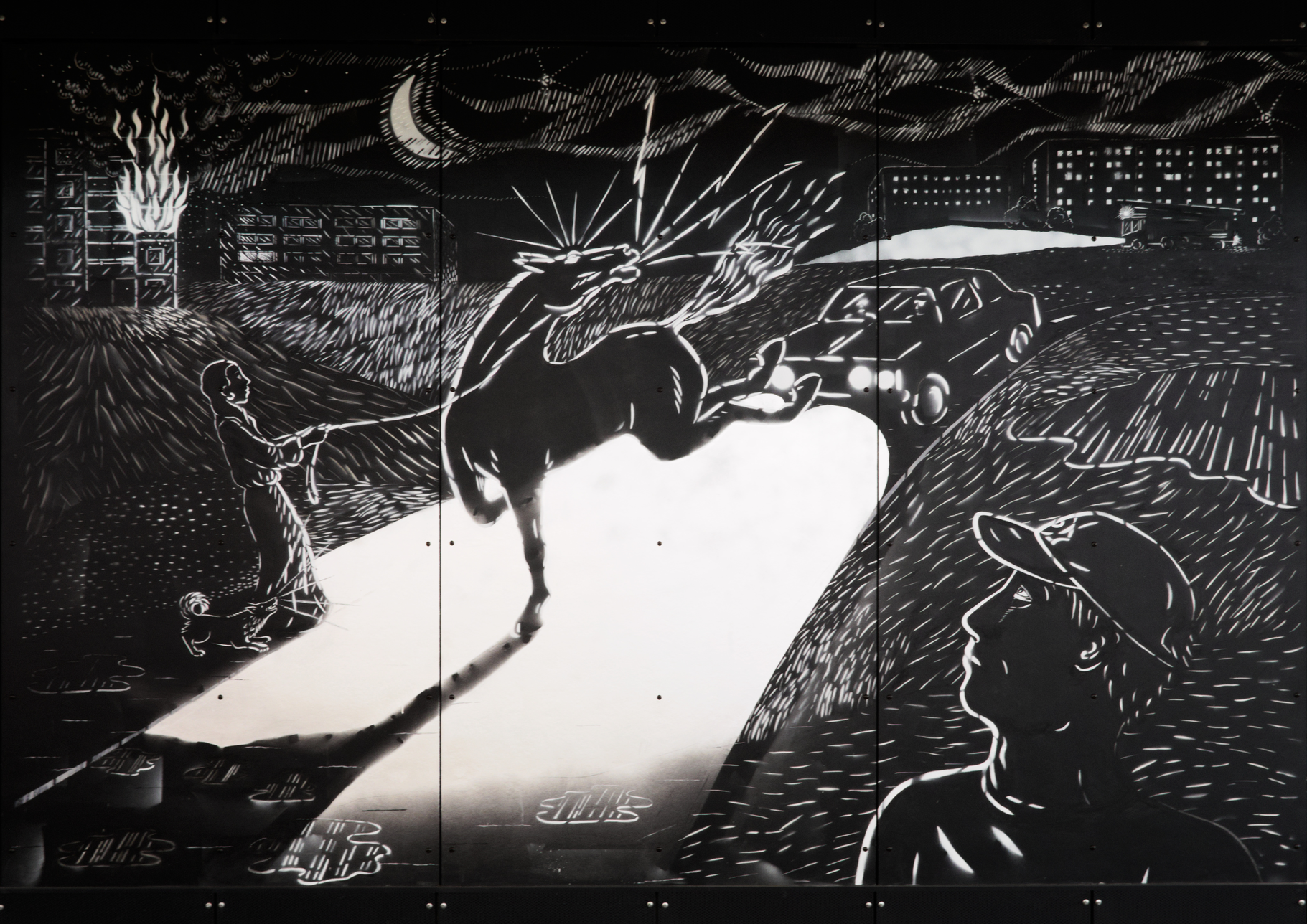
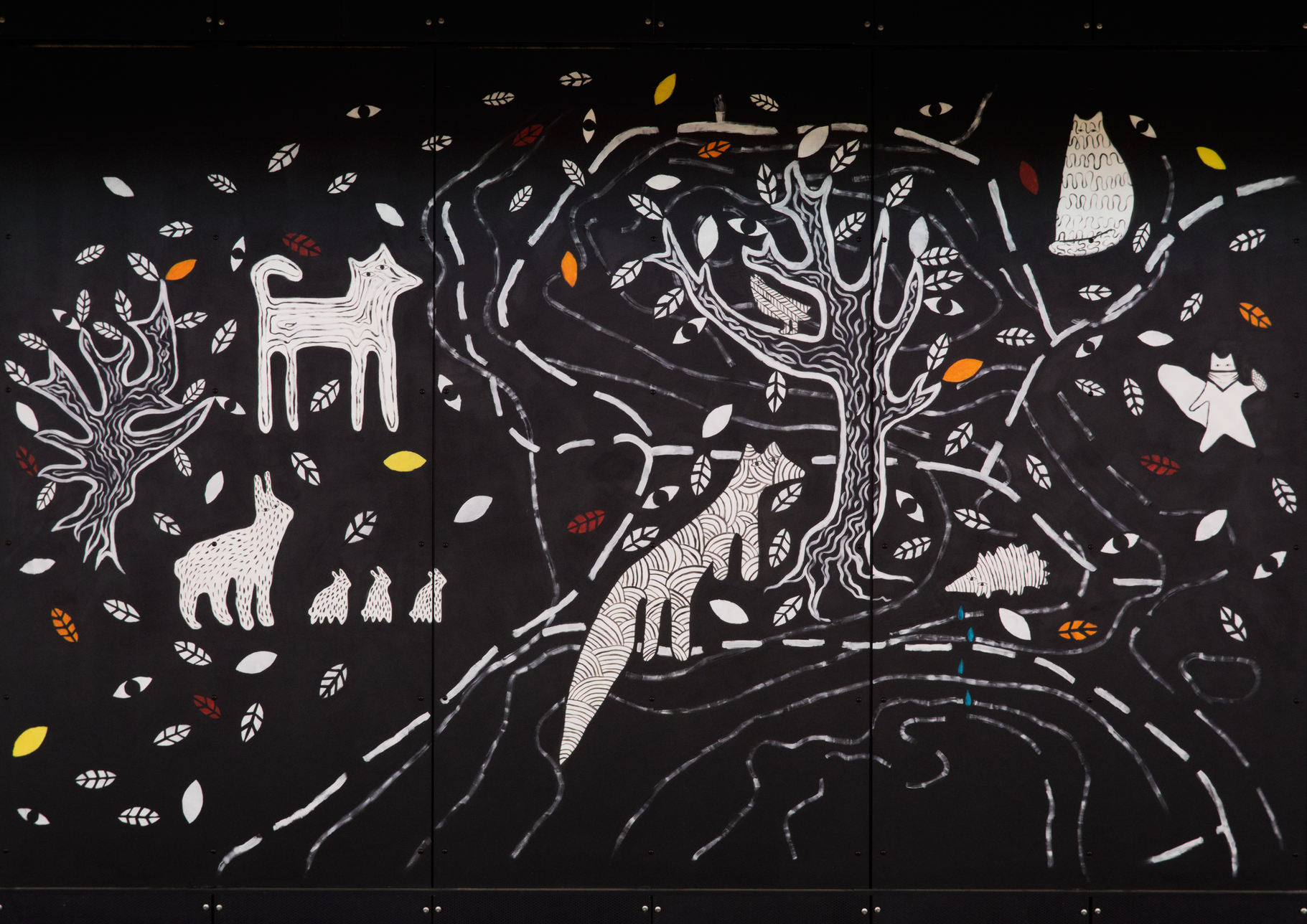
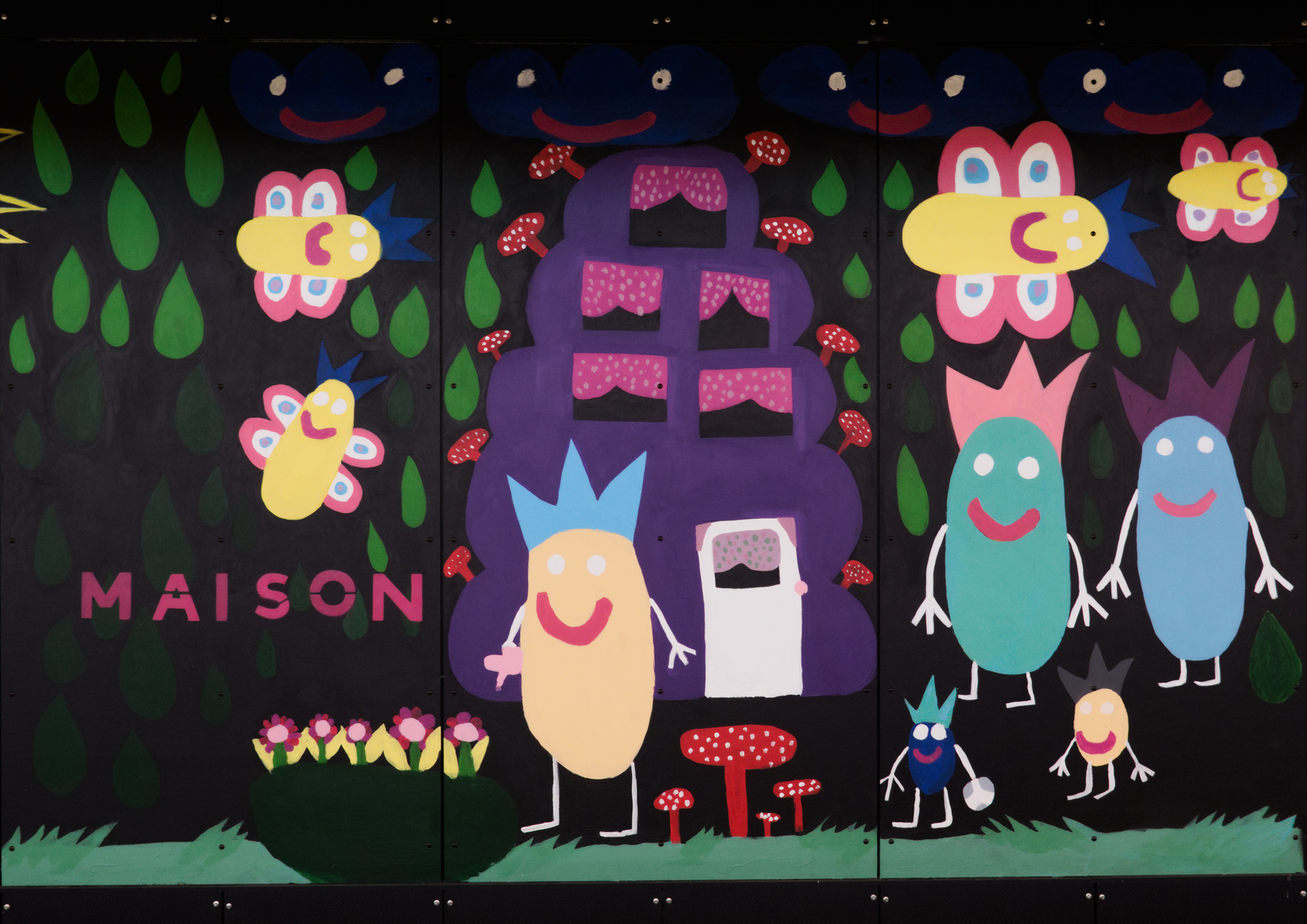
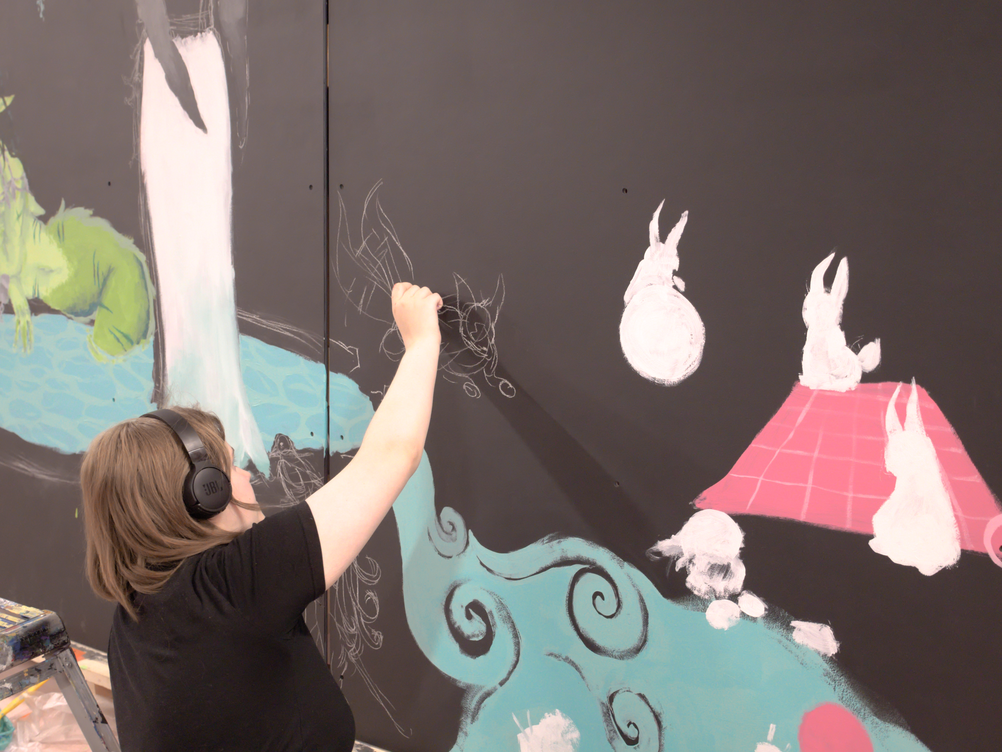
Art School's socially engaged public art practice through the last artistic part of the artistic research by community artist-researcher Heidi Hänninen. "Kaupunki on meidän koti" ("City is our home") art work includes paintings from 36 KAS community members implemented for the renovated metro station in Kontula suburb. Both sides of the walls by the metro rails were covered by art: other side with the paintings by 18 adults from KAS collective and the other side by KAS Juniors (age 8-19 years). Juniors paintings include word HOME in 29 different languages locally spoken at homes and by friends and relatives of these kids and youngsters involved. Some of the languages are such that our juniors would like to know better or are already learning.
In my artistic research initiated in 2021 I focuse on questions about ethically sensitive community art practice in the context of my ongoing project called KAS! Kontula Art School, socially engaged street art project, that I started in 2019 in suburban district Kontula in Eastern Helsinki. The aim of The Kontula Art School is to implement interesting public art but also to strengthen the community spirit and contribute to reducing potential conflicts in the region. Kontula is one of the most vivid, multilingual and culturally rich suburbs in Finland with the income level lower than the average. Kontula has been well known, especially among the media, for drugs used and sold around the shopping mall. The area is conflict sensitive and challenging but also a ground for experimenting new kinds of social / artistic realities and for the birth of communal practices far from the conventional borders and definitions.
KAS! project has been cooperating with the local low threshold day center Symppis, where many of the customers have dual diagnosis (issues with both substance use and mental health). The participants of highly heterogeneous Kontula Art School consists of both adults and children. Participants represent various cultures, including substance use cultures. Some of the participants have educational background in arts but majority of them have been self taught. KAS! project has been involving artistically motivated people, regardless of their background, status or the life situation. Through the art making process I have had access to build ethically sensitive methodological toolkit for community art practices in culturally diverse contexts in a changing urban environment like Kontula, where understanding about good life varies greatly between its residents. Art creates possibilities for encountering and helps to break stigmas concerning certain groups of people. From the point of view of “Rebellious Research” (Ryynanen & Suoranta 2016) the world of art has crucial role in the process of fostering wellbeing of people and the justice in our shared society; art can reconstruct thinking and sometimes even the whole life of an individual.
The key element in activist art is the act of participating, and questions like how people take part of the process and how does the act of process participates politically arise. (Suoranta & Ryynanen 2016, p. 235) In my study (street) art practice is the method of working and collecting research material (socially engaged art making practice and ready artworks in the public environment) but it is also an intervention for the (social) change. Through this research I suggest that socially engaged art interventions similar to KAS practice can empower both, the authors of the public art works and the whole surrounding community in a unique way, especially when used through the heterogeneous group context. KAS! practice is bringing up critical perspective concerning issues about public art and artistic experience of the urban environment by creating new directions to debate questions related to the community art, artistry, and the nature and possibilities of art itself in this changing world among those new realities that we share and shape together to be lived in.
text: Heidi Hänninen (2025)
photos: Tanguy Gérôme (2025)