I started photography as a means to learn more about the world and about myself. The light engraved on the sensitive surface made of silver grains had this indexical and personal truth I was looking for at the time.
As I went through studying photography, I came across the nude as a genre and as a performative tool to convey other types of meaning in this world. Whether it was about politics, sex, or intimacy, it appeared to me as a very powerful form of expression—not only because of its indexical/corporal nature, but also because it is a common and metaphysical experience.
By using the body, I speak about both the particular and the universal. This is philosophy encapsulated in matter, or, with Judith Butler’s thought in mind, a shared human experience.
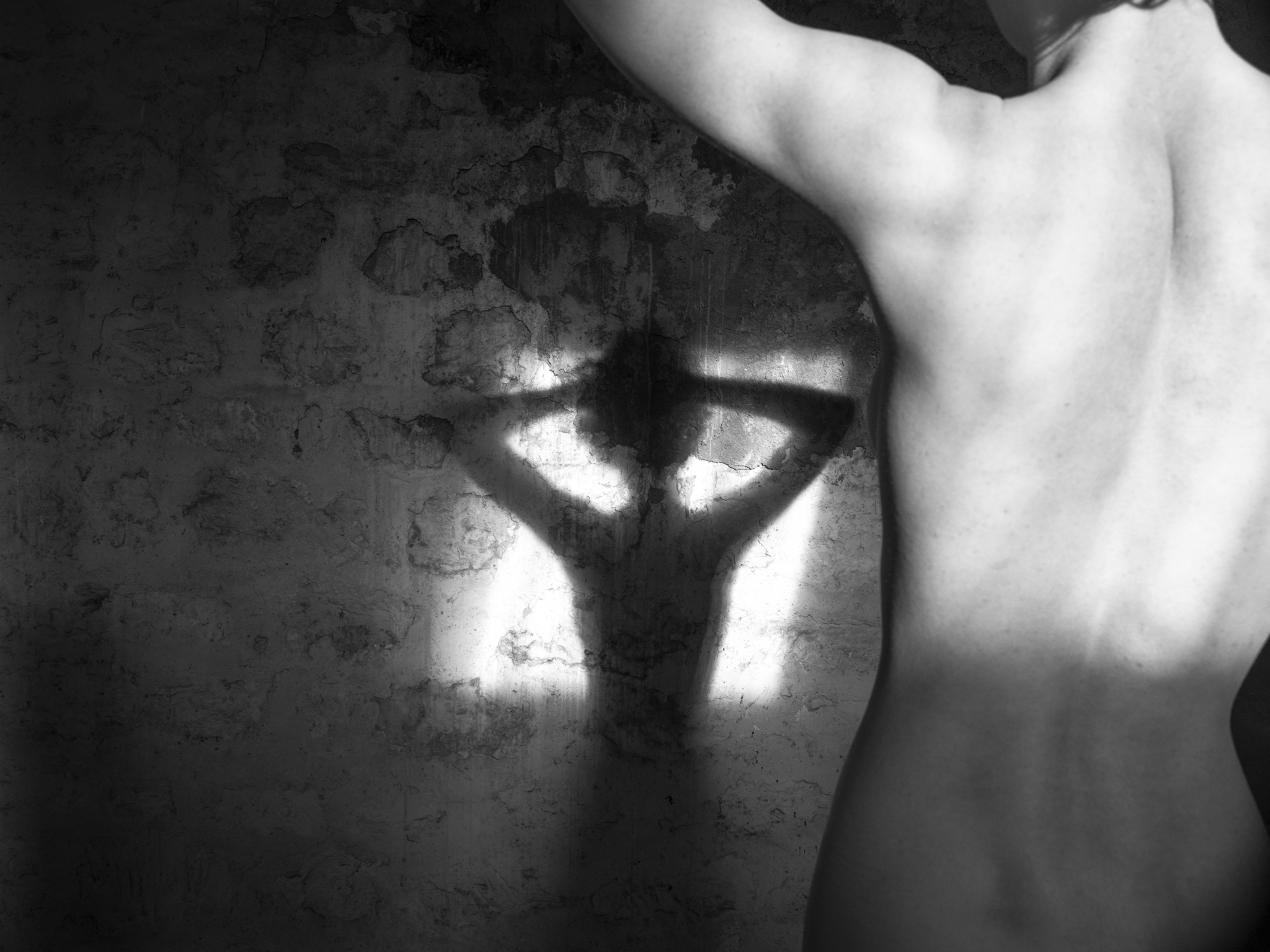
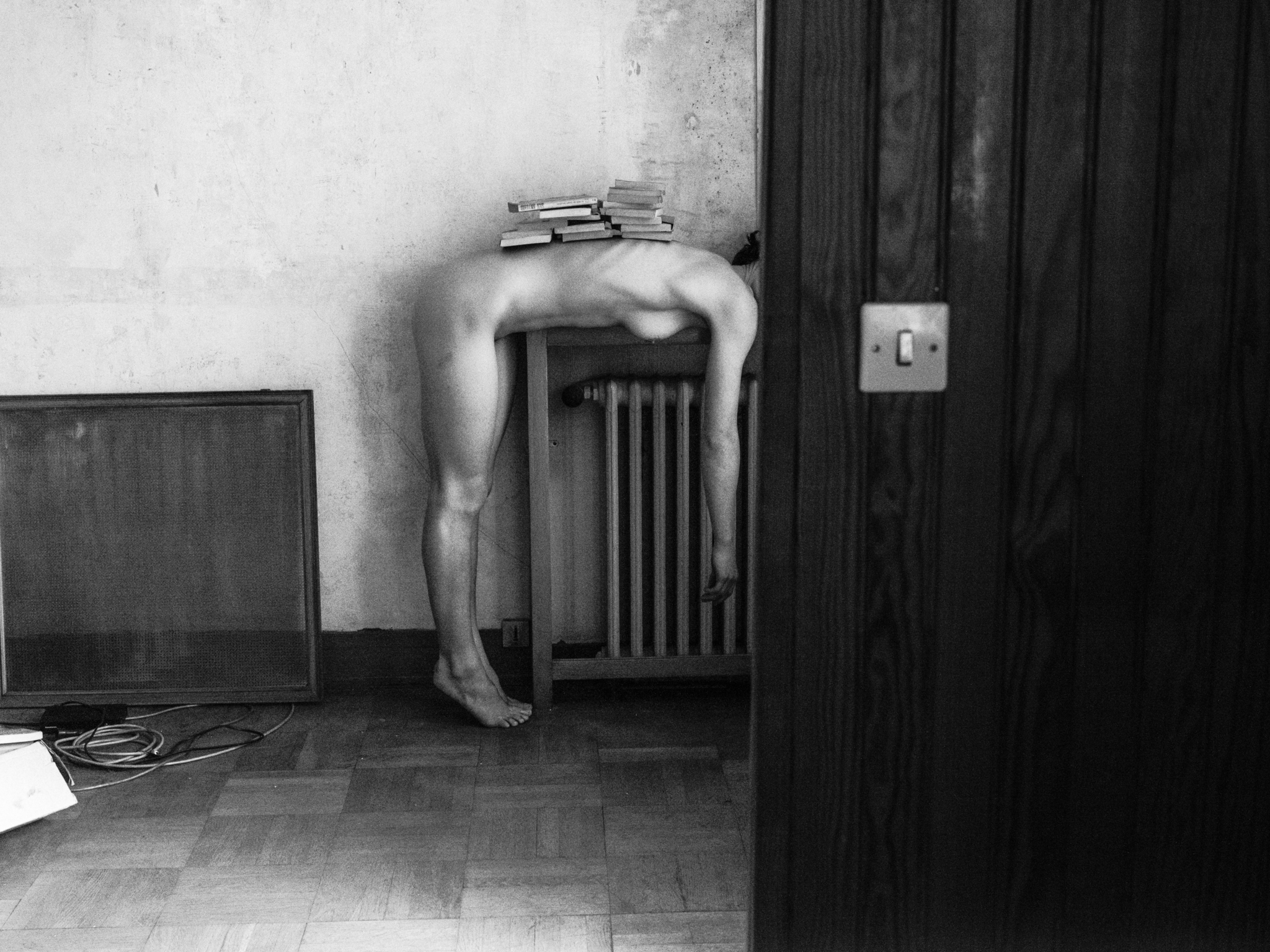
Personally, I debuted with nudes through intimacy on a personal level. While questioning my sexual identity and my ways of seeing others, I quickly came across the themes of the male gaze, performance, and theatricality. My first series, CORPS/DECORS (2024-2025) (BODY/BACKGROUND) (see image above), explores this idea of permanent gazing and how it shapes even your own perception.
Although I tried to tone down the erotic aspect of the work, I couldn’t help but think about how it would be perceived. Showing it in real life is always different from showing it on social media too. (making it a big print to instill the idea of a work of art would be impossible digitally)
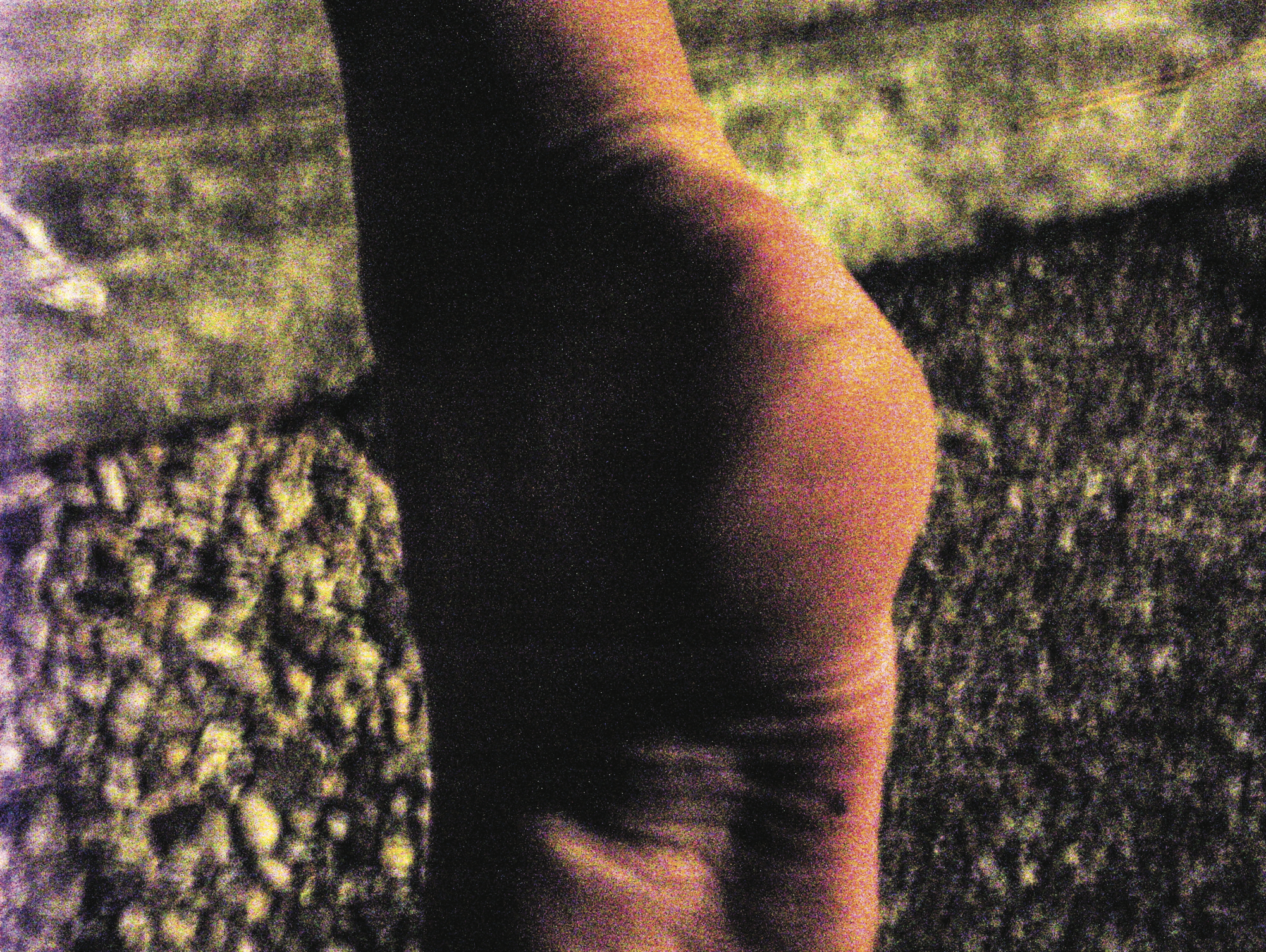
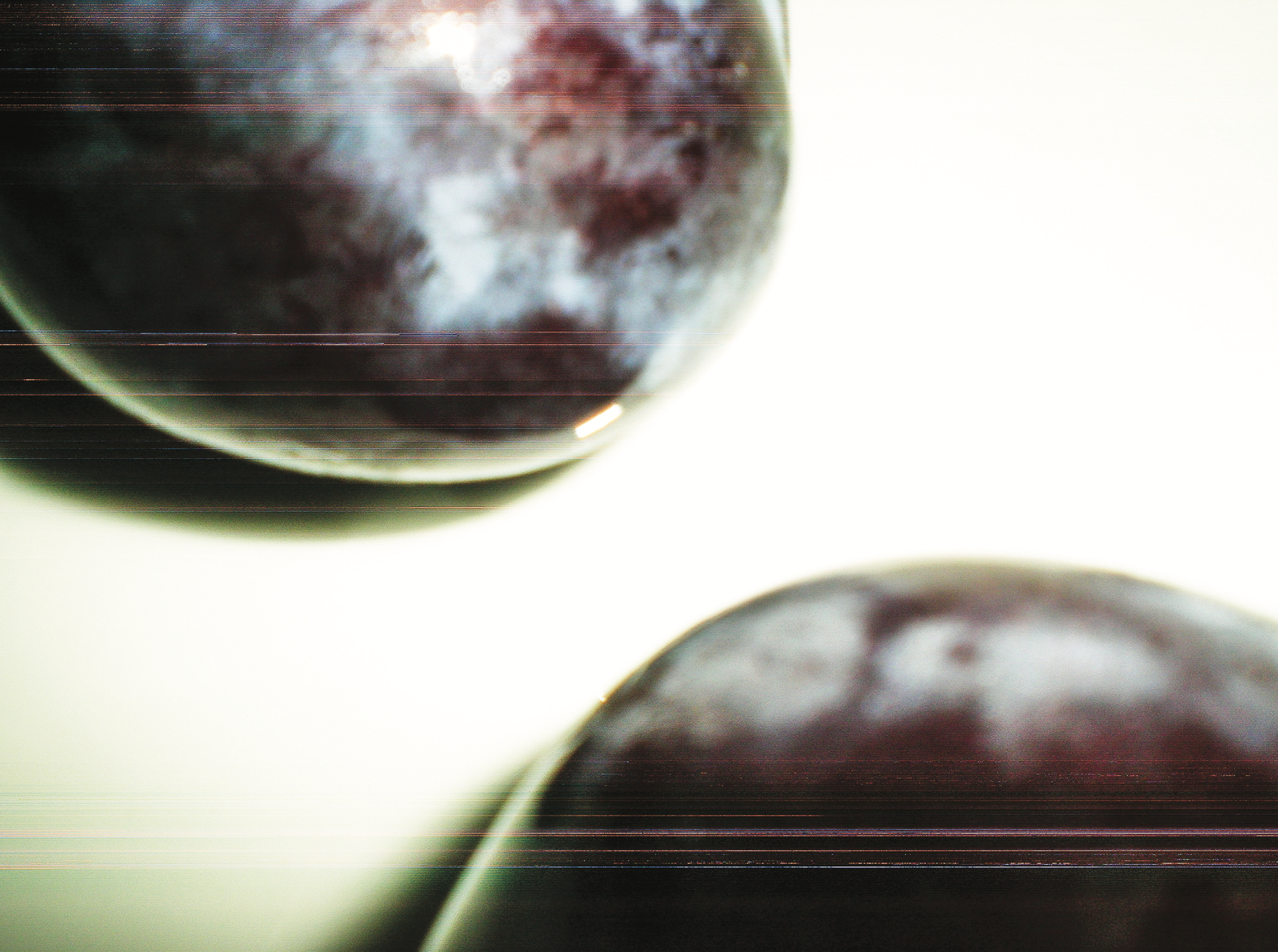
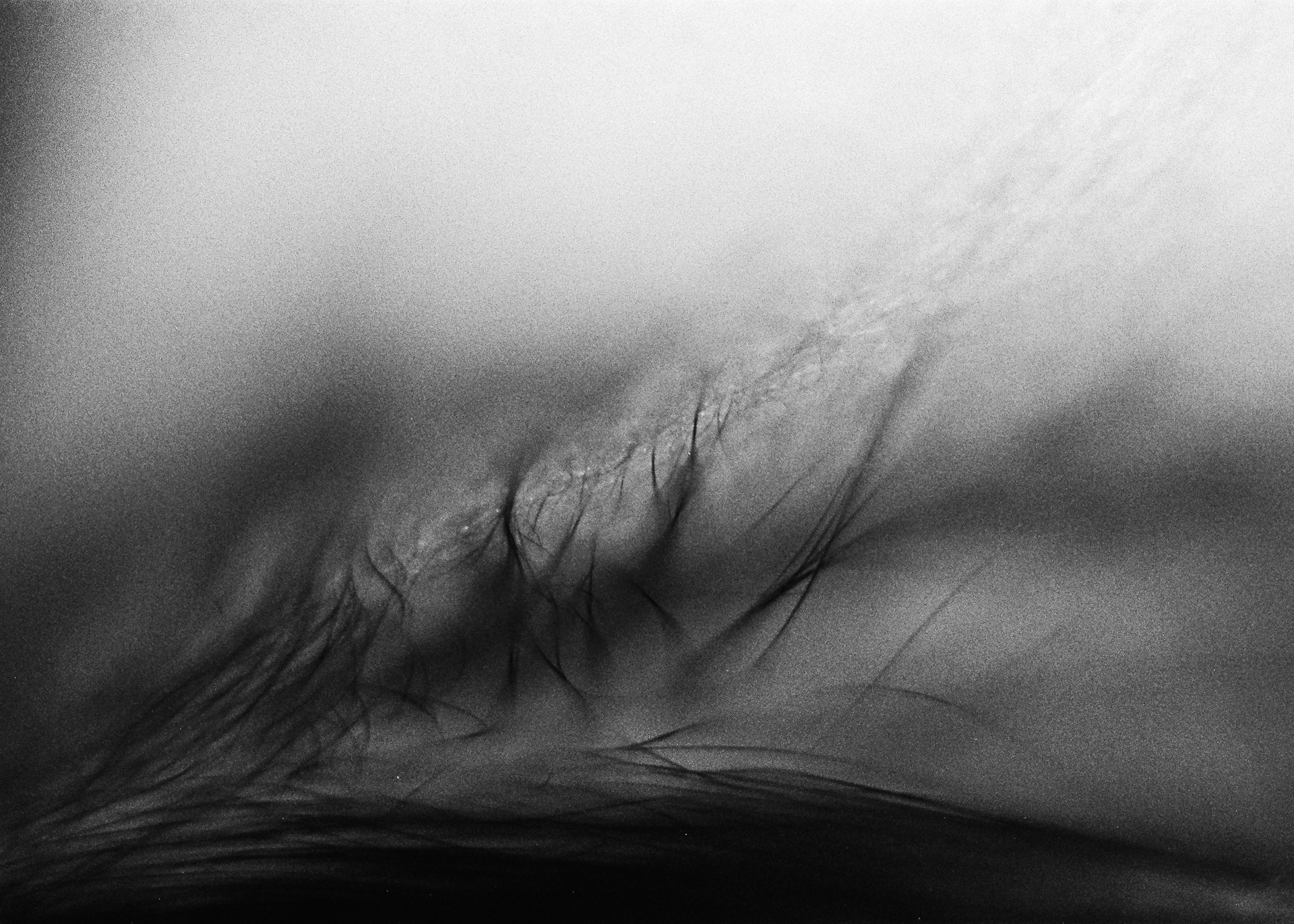
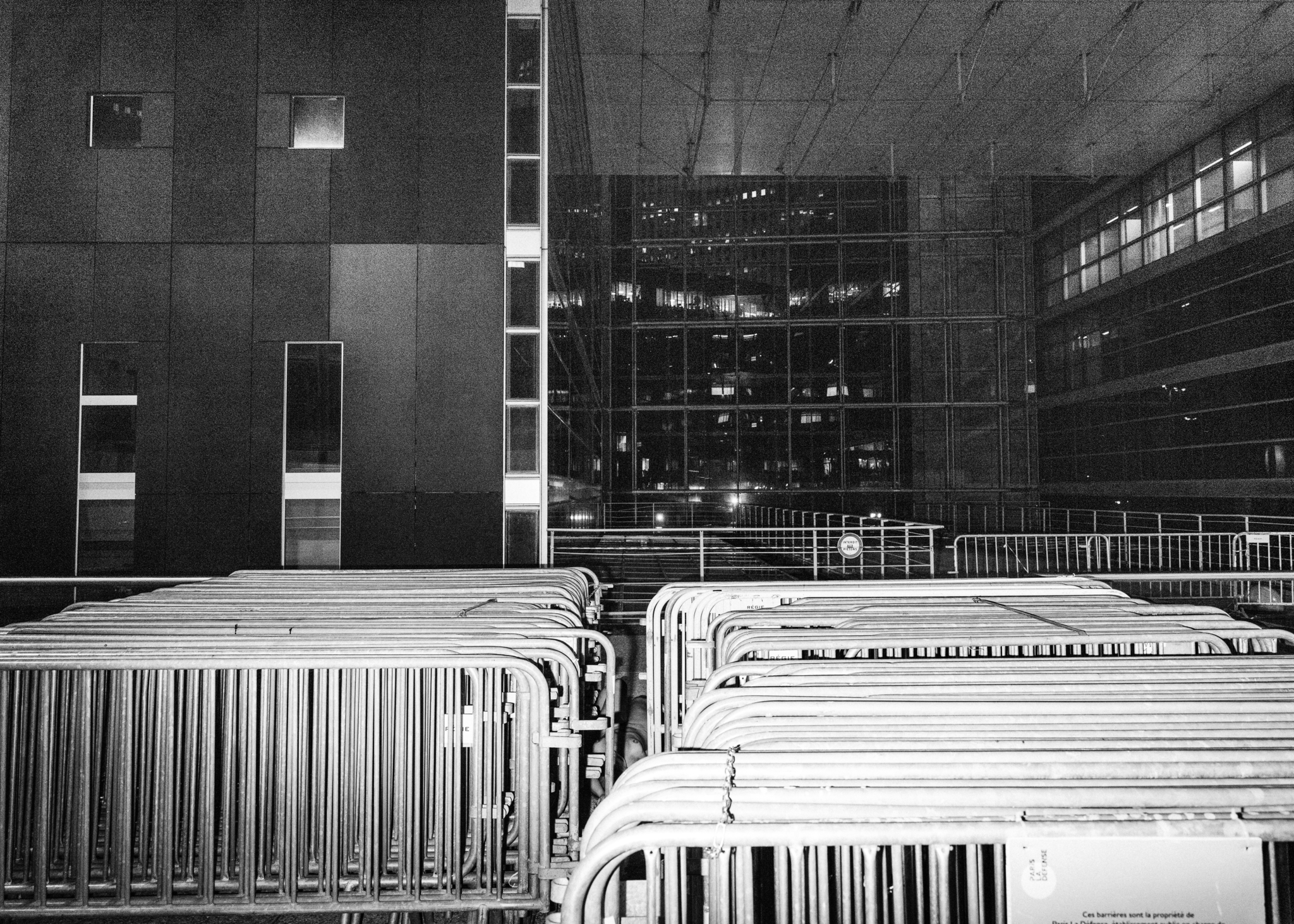
SCOPIC (2025) is another itineration of CORPS/DECORS in which I wanted to exagerate the male gaze by applying this filter to the streets of Paris. Mixing panoramas with macro shots of details from bodies, the project aims to represent this state of overgazing, overlapping with the desire of control.
My concern about the digital space being the main catalogue for my visibility made me question the place of the viewer.
How can I keep my intentions and meaning intact? I also couldn’t help but subject myself to this external and fabricated judgment from the outside. While I do know that intentions change over viewer (cf. Duchamp and his Readymade or the notion of the death of the author by Barthes), there is a need for me to direct the viewer when it comes to intimate projects.