

This exposition is based on the occasion of a oral presentation and paper written by the three of us (catarina, carolina and joana). It delivers an academic experience developed in the context of a Master of Teaching of Visual Arts, whose focus is the training of teachers for third cycle and secondary education.
We all took part in the proposal, two of us Master students and teachers in training, and the other a teacher (of the AIPD2 - Activities for Initiation into Teaching Practice II - in the Master of Teaching of Visual Arts).
“Discovering that one is engaged is to interrupt the sense of the world. There is no need to dwell at length on what the sense of the world is. ‘‘It is what there is’’: the unquestionable reality of capitalism as a system and way of life, and the complexity of a system of interdependencies that is presented to us as incommensurable, uncontrollable and ungovernable. Managing one’s own life in this context is our place and our role. And we must meet the challenge under threat of being left ‘‘out of the deal’’. Discovering that one is involved breaks this sense that locks our lives into impotence and places them under threat.
(...)
Discovering that one is engaged is to find the power of anonymity. In this experience of our unthought-of proximity with the world and with others, a void is opened up while at once an encounter is taking place. We are dislodged from our managed lives, from our ‘‘I-brand’’, and we find ourselves among things and among others, made of the same material as the world.”
(Marina Garcés, p. 4, Honesty With the Real)











The proposal was based in specific pedagogical and political goals discussed within the context of the teacher in training, and eventually involved concerns with:
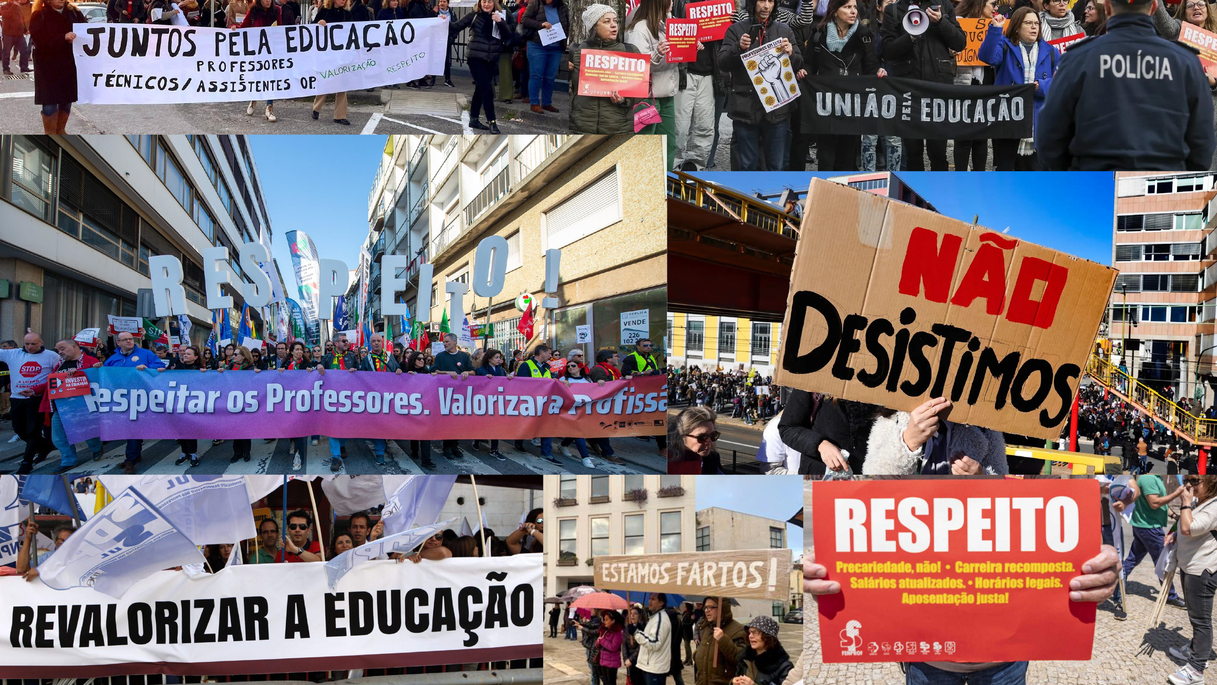
During 2003 Portugal knew many street protests undergone by teachers, that resulted in temporarily closed schools and in media coverage voicing teachers’ discontent, the claims of their union leaders, and also the collateral effects of their actions in other related citizens, like children and their parents.
The images circulating showed a massive and very organized class taking over the public space. It actually was an image that was in opposition with what has usually been taken as a vulnerable and quite fragmented professional group.
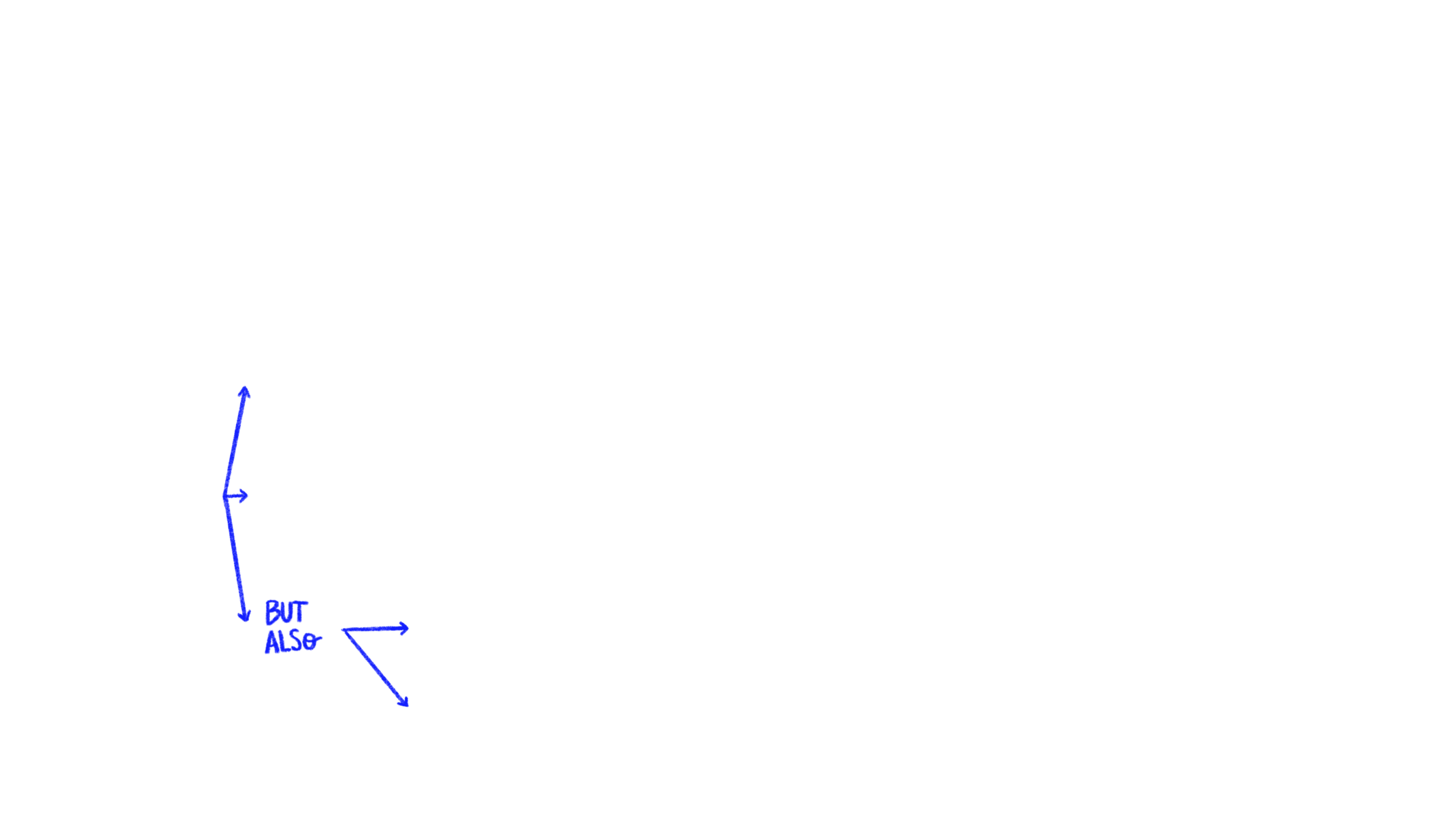
Also in our reading of the situation we were afraid that this outside of the school showed, in one hand, an organized collectivity, but on the other that it could be a place where individual politics and micro scale events tended to go unnoticed and are diluted, turned irrelevant.
What could this unity of the protest, or this diluted collectivity, possibly do to the type and the quality of the work done within the school, to the teaching and learning performances of those involved in school routine?


The dynamics among individuality and collectivity in the limitation of the space of action for the teacher;


“This “No" is not the expression of a judgment or a prohibition from a distance, but rather the realization of a rupture. Breaking up is the essential common movement for men and women who are not yet together but are already united by "the friendship of this certain, unbreakable, rigorous No that unites them and makes them united."
(Blanchot cit in Marina Garcés, p. 52, Un Mundo Comun)
So, to begin with a bit of a context, it is important to situate the proposal in relation to two identified spaces where the teacher can perform: outside and inside the school space. The proposal aimed at ways of bridging both spaces and their instances and possibilities.
Also, it was much a necessary anonymity for the protest to be more effective and for the group to appear more
Also, it was much a necessary anonymity for the protest to be more effective and for the group to appear more powerful, since it interrupts heterogeneity and diversity; yet, but not the kind of anonymity Marina Garcés speaks of in the ‘Honesty with the Real’, which is an anonymity that will eventually optimize the individual political sense and counteract the previous weakening dilution.
What could this alternative anonymity do if moved into the school space?






And also, what could possibly do the ‘friendship of interruption’ experimented on the streets, and its resulting forms of solidarity, if planned to upset the hard and stiff habits of isolated and solitary teachers in their daily work?











We wanted to erase the separating line
-
that leaves outside the sense of collectivity which would support a sense of common within the school,
-
And that at the same time removes the usually discreet and unglamorous teaching work, preventing it from getting more public attention, just like other kinds of cultural work.
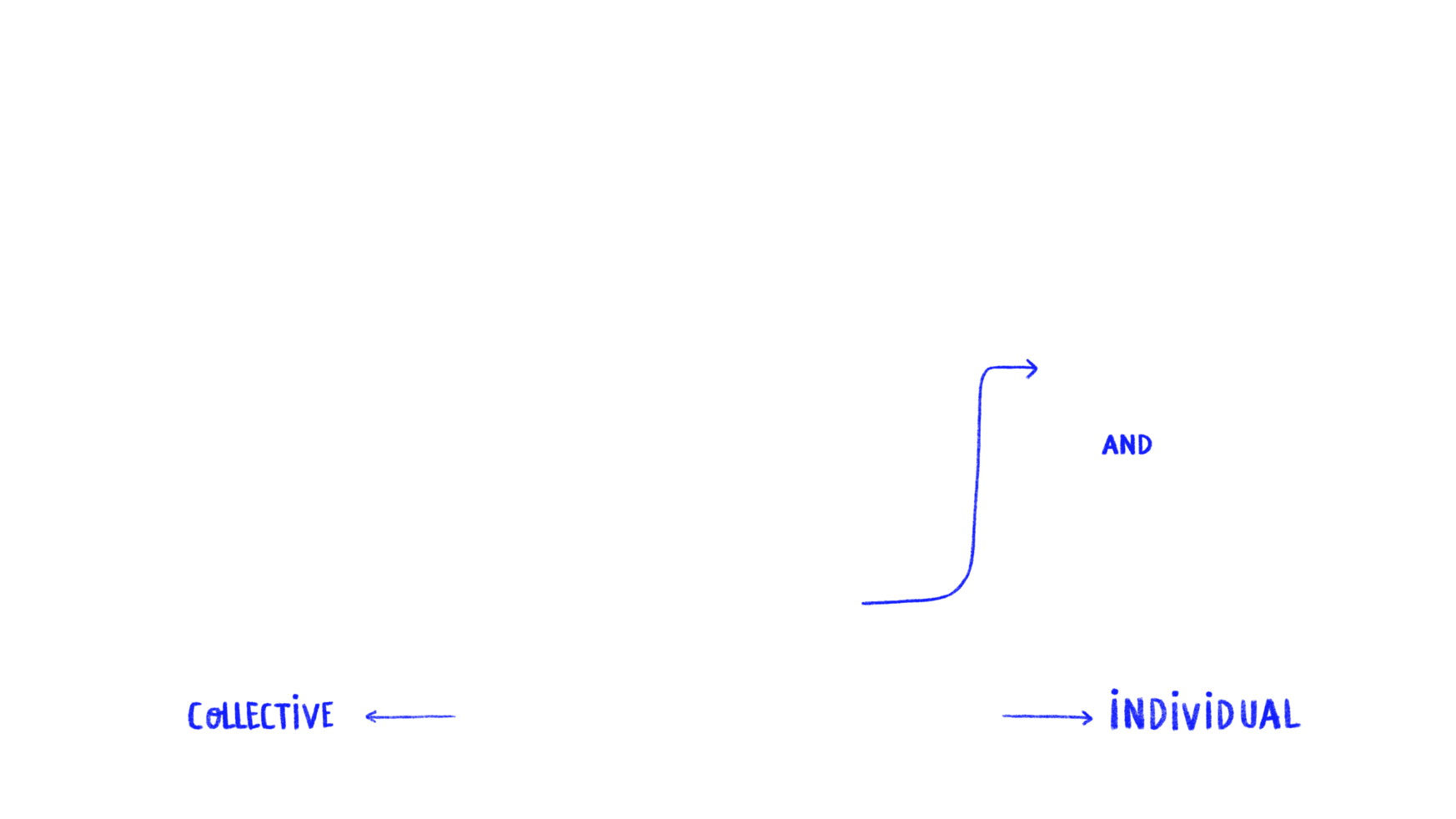
Thus, at stake was this dynamics between the collectivity felt outside of the school and the individualism felt inside of the school, and the challenge was ‘how to use the potentiality of the individual that rests within the school to turn it into a culture of commons/collectivity”?
How to benefit from being
together, building on a network of
communality also inside of the
school? And to gain access to and
to experiment with other peers’
individual practices?

By reviewing the teacher’s role as individual, both as intellectual and as artist, forms of making public, what once was a discreet and unglamorous teaching work, were at stake and pushed the formulation of our assignment.
Therefore, and in order to build the proposal and to merge both outside+inside, and collective+individual, questions arose to take us there, like:
Being a teacher as intellectual and as artist, how to intervene in the
school taking it as a public space
and the teacher as an agent
acting beyond the classroom walls
and beyond the strict relationship
teacher-student?





How to take advantage of the
power of anonymity as in the
protests, while taking it not as a
handicap, but as a possibility to give
up artistic authorship and to use art
to develop languages to deal with contemporary crisis?




We wanted to think of the school as a public space where art teachers could intervene and review their role as individual agents.

From now on, we talk about the exhibition “Uma escola para…” from two different points of view:
-
As the experience itself, that we took part as students and teacher.
-
As grounds for thinking exhibitions as a pedagogical tool, as (future) teachers.
How to record / exhibit our work
Making an exhibition was a possibility within the assignment, from its very beginning, so it made us wonder about the materiality of our work? How were going to record / exhibit our work?
We realized that our exhibition would be less about solutions or pieces, but more about ways of doing and sharing and how to communicate.
Portfolio as a way to shed light
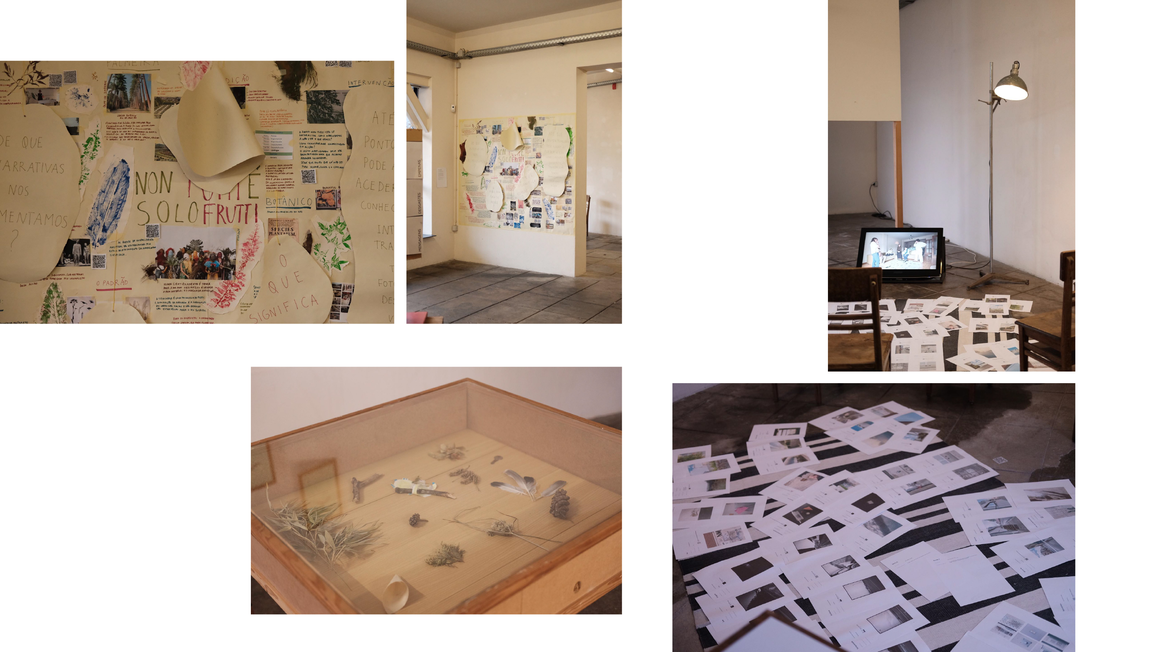
The project started with the making of a portfolio of work that could serve as inspiration to our work. What we soon realized, while looking at art work done by others, was that we were also looking at ways of showing and exhibiting what, most of the time, didn’t constitute itself as one piece, like a painting or similar, but was subject to another kind of materiality and proof. This fase of the assignment shed some light on what we could do.
To this end, the projects chosen to the portfolio of artistic projects that we were asked to make, also had to be projects that had a physical presence, translated into different formats. They did not necessarily have to be objects; they could be statements, sets of steps, tasks or games, records of processes, etc.
This part of the process gave us a very accurate sense that, from then on, we’d be also recording this experience of thinking about arts education with the purpose of sharing our thoughts, failures, believes, etc, and abstaining from final forms.
Materialities: what do they serve?
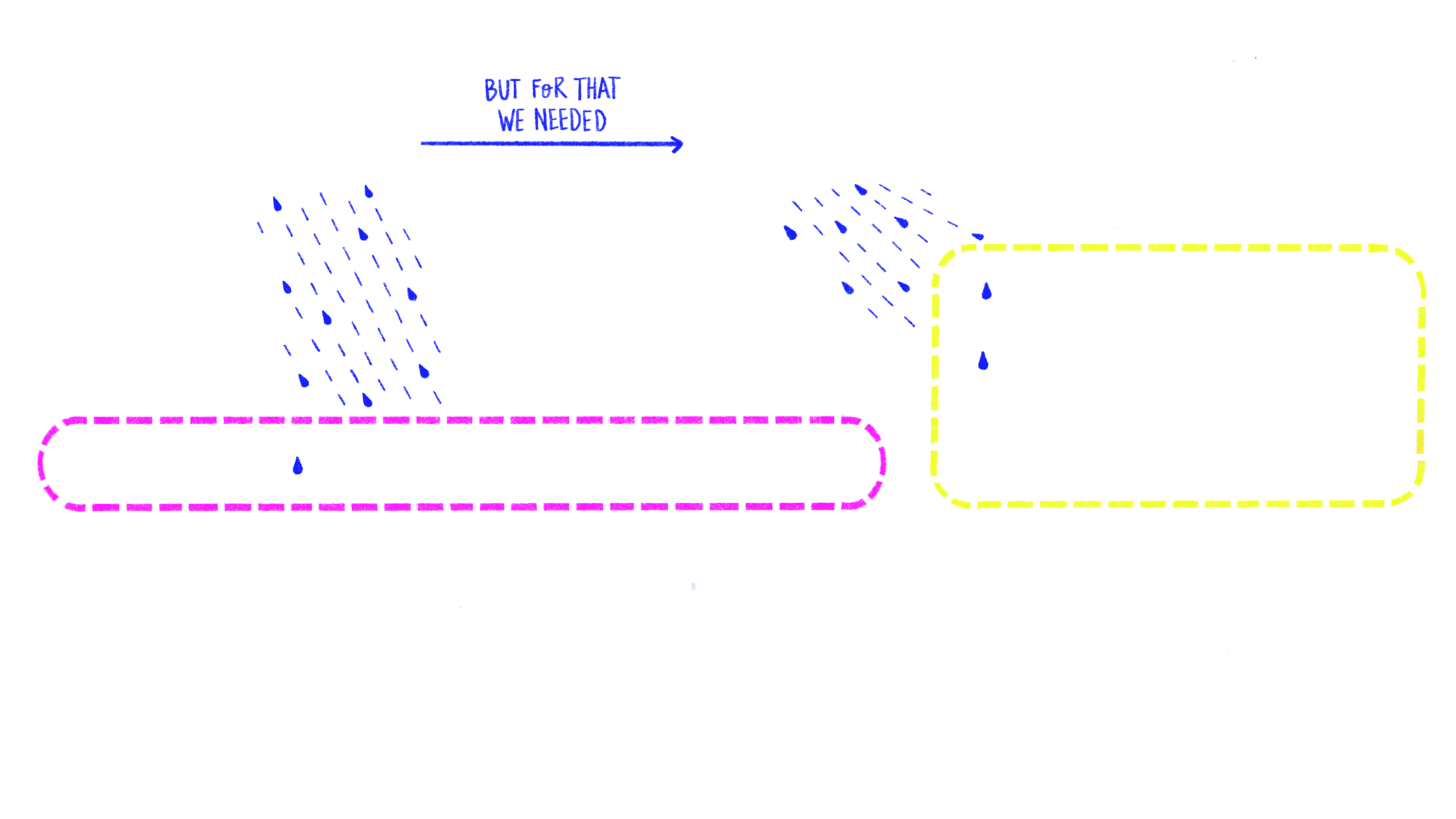
Usually: using the students' work as proof and as a way of legitimising the discourse of the restorative effects of art. (Gaztambide)
What did we aim: an opportunity to test other models of this tool – with a more flexible hierarchy, less closed, less static – while also allowing us to try out new models for exhibiting the work and knowledge produced, as well as paths, indecisions and variations explored throughout an academic year.
An empowering and emancipating space, where those who exhibit and those who visit engage in dialogue.

And this was the basis for the formulation of the assignment.
More technically it started under the influence of the project “The School That I’d Like” (Blishen, 1973) and “The School I’d Like” (Burke & Grosvenor, 2003), something that emerged as a kind of a contest in the 70s, and that later appeared more like a survey, where children across the UK were asked about the ideal school in their imagination. In the 70s the answers were quite interesting and even surprising for their political and social engagement. In our classes we have briefly talked about those books, and have adapted them to formulate our assignment, where students were asked to tell what would do their school, that is, what would do the school they were about to change. And it became “A school to _________”, that requested a verb/an action to fill the blank space and direct a argued transformation. Whether the transformation was quick or a slow one; whether it was intended for a global scale, or designed for a micro level individual reach.
Potentiality of the Individual
Agency as for ‘teachers as intellectuals’ (H. Giroux)
To resist institutional and
public opinion.
Instrumentalization.
Materiality as for ‘teachers as artists’ (H. Giroux)
To handle the material
power of art engaged
with contemporary crisis.


The idea of ‘individual’ and its potential is supported by Henry Giroux’s ideas of the ‘agency’ of the teacher as an intellectual, that is, someone that is able to critically read the world and to resist the institutional governmentality operating on teachers; and on his idea of ‘teacher as artists’ for the claimed creativity on problem solving held by those that, in combination with Marina Garcés concept of 'honesty with the real’, will look at art as a virtue to deal with the problems of the world through the material power of art.


“The School I’d Like” (Burke & Grosvenor, 2003) / The School that I’d Like” (Blishen, 1973)
“Uma Escola Para _________” / “A School To __________”
Action as the aspect taken by ongoing change.
To experiment with initial and individual training
in order to create languages to deal with the
contemporary crises once only represented in the
street protests.



Usually:
Proof of the work done by
teachers and students during
the school year and the
importance of the arts.

But we aimed:
To test less static and more
flexible in hierarchy models.
To a empowering and
emancipating space. A place of
dialog and trade.
Phase 2 of the assignment - the
portfolio - shed some light on
possibilities. Examples of work can
be fixed by a logs, statements, sets
of steps, games, etc.


Materialities: who do they serve?
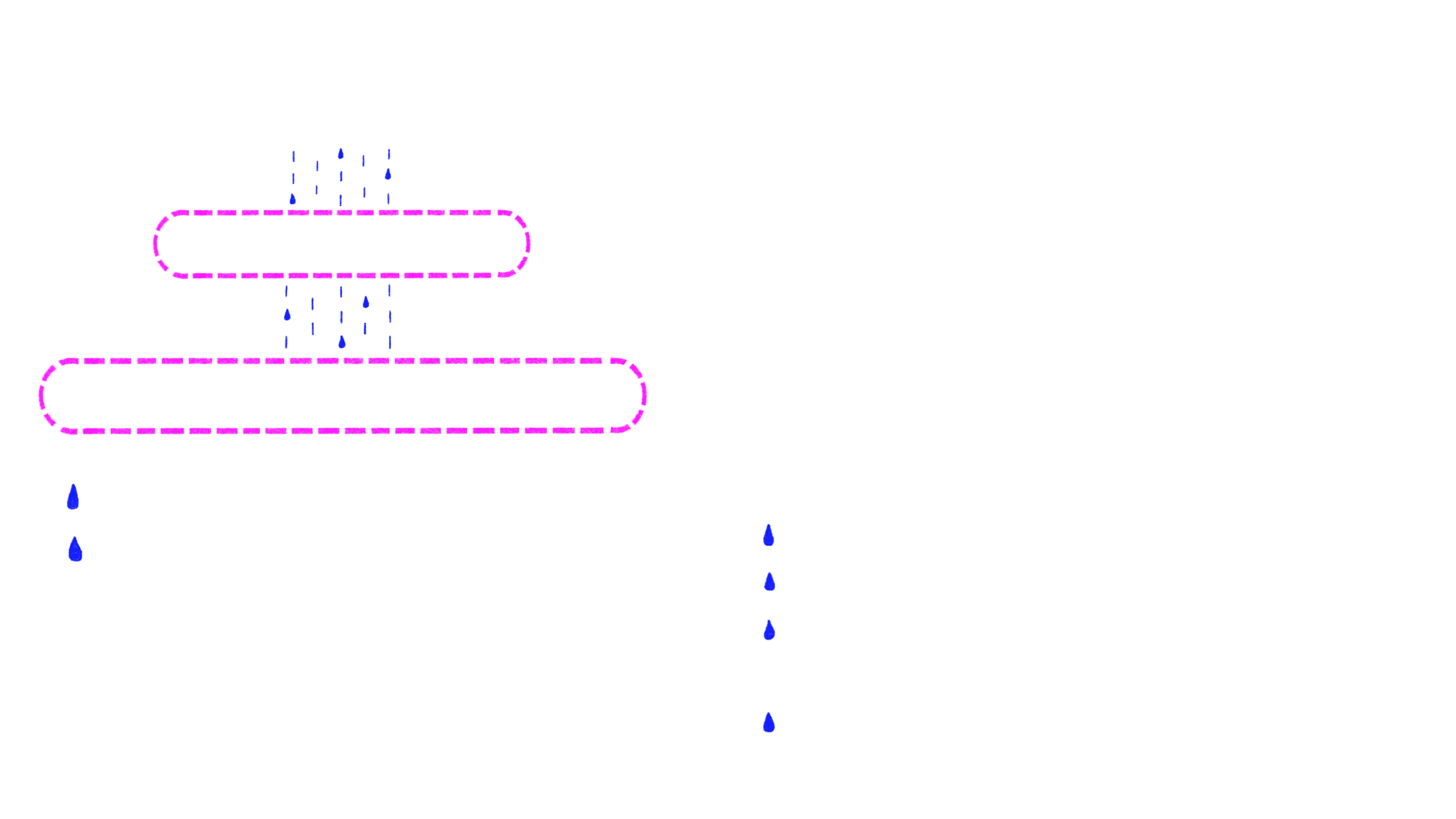
Addressing our position: “Clarity about curatorial intent begins with the awareness that all curation involves a process of power” (Sousa, 2013 in Pinheiro, 2023). We do not know if it is possible for teachers to completely relinquish this role, nor do we understand that it would be beneficial for them to do so. In a learning space, some guidance or mediation is always necessary, and so it seems most logical that teachers should have a curatorial presence at these times.
How can it be: Teachers should not enroll in authoritarian policemen, imposing their will, but rather to guide and mediate the entire process, ensuring, for example, cohesion and the fulfilment of objectives, or to have an active, questioning voice.
Looking at exhibitions and curation through Foucault's perspective in "Microfísica do Poder” (1979) ("Microphysics of Power"??)and “Vigiar e Punir” (1975) (Discipline and Punish: The Birth of the Prison??), these practices - exhibitions and curation - both for the dynamics of the art world and for artistic education, are mechanisms, among many, structured by subtle power relations and can produce problematic effects when part of an authoritarian, controlling, and disciplinary regime. However, our objective here, is not to abolish or condemn curatorial acts nor the appropriation of exhibitions as didactic-pedagogical instruments due to their innate capacity to accommodate the exercise of power dynamics and hierarchy. In agreement with the author, we recognize that these power dynamics are inevitable and can be productive.


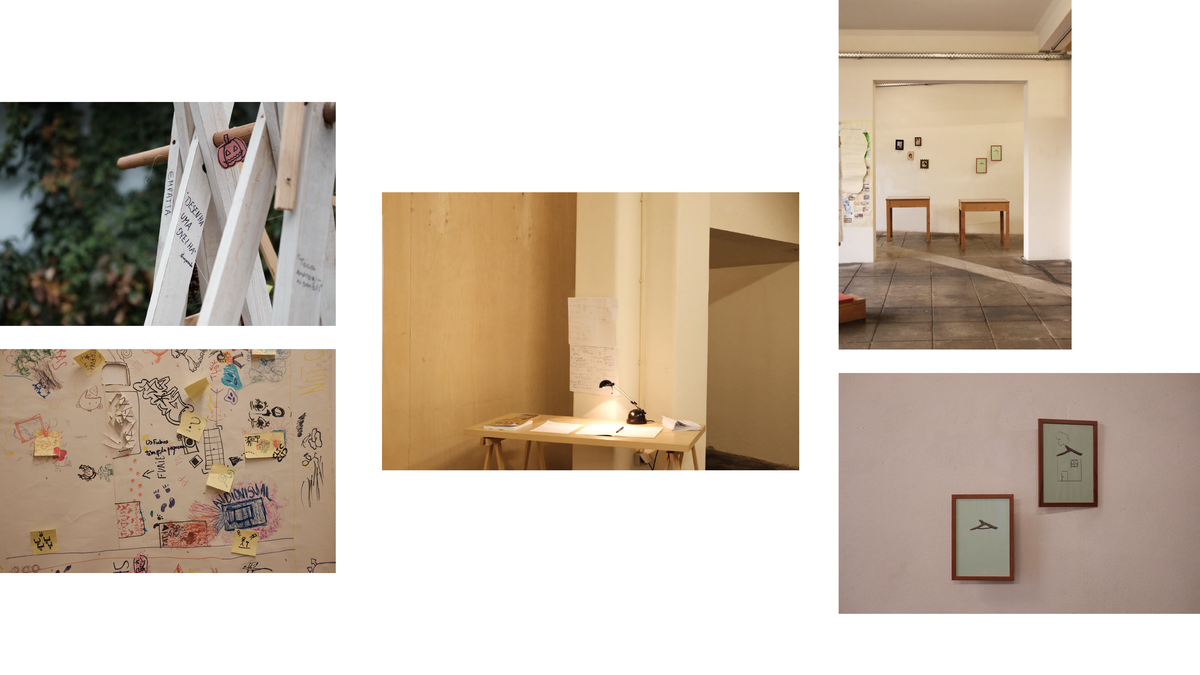
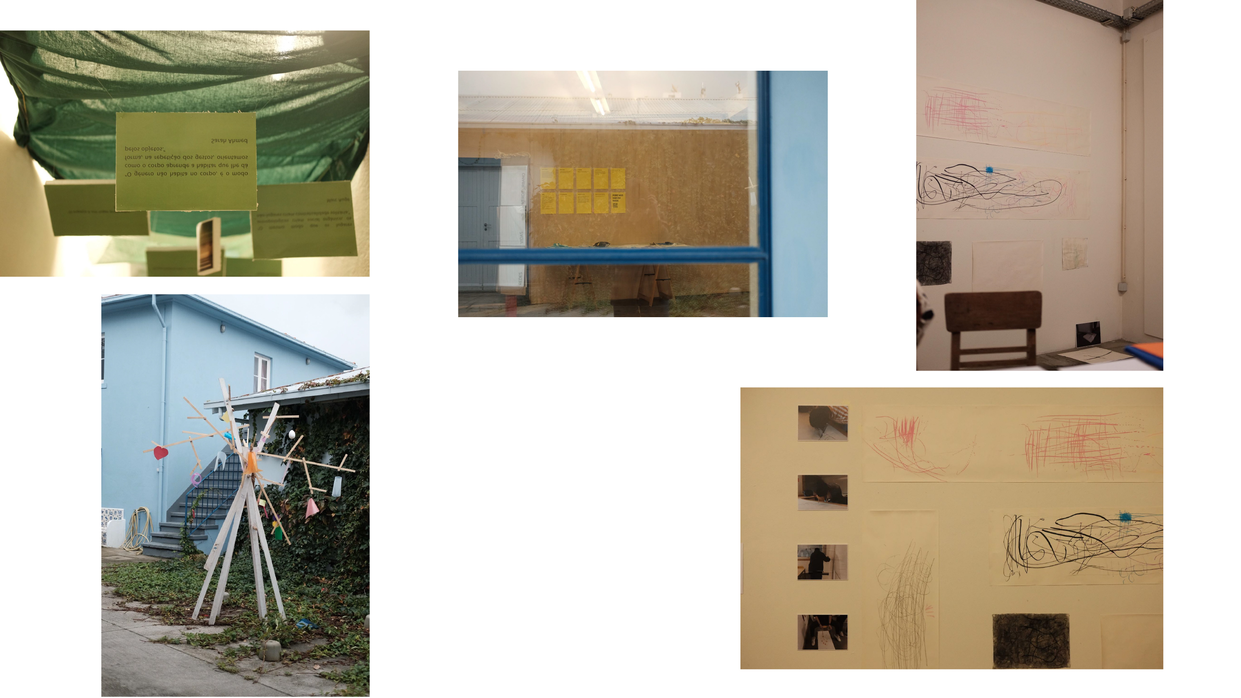
How to use this position to interrupt?
Can it bridge the gap?
Can we be political agents without
minimizing students’ will?
How to deal with intimacy of the work?
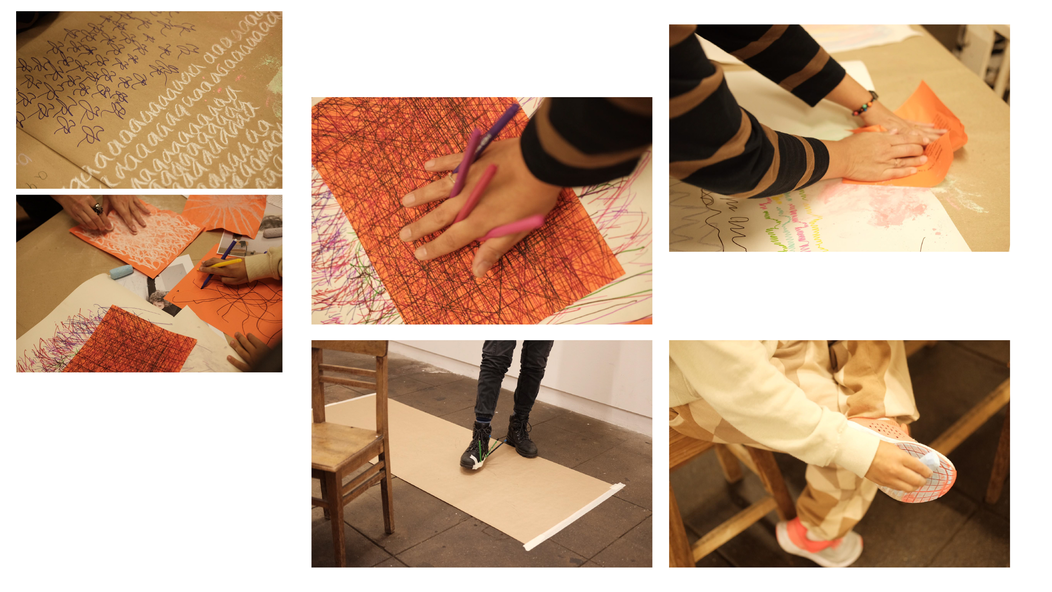

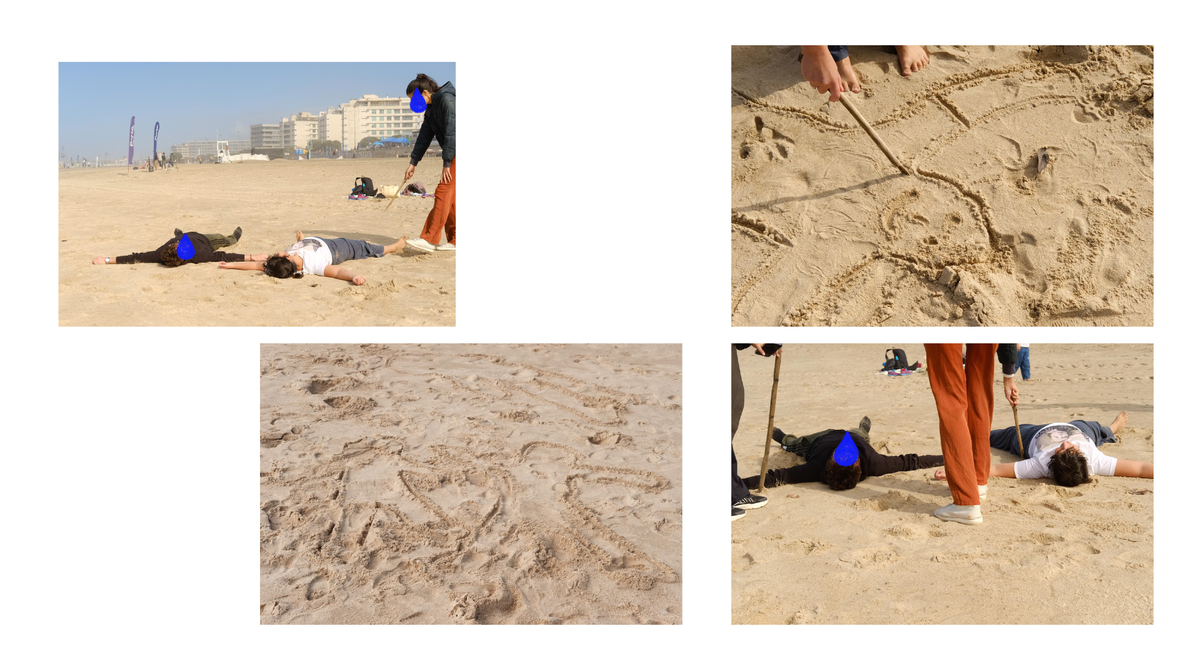

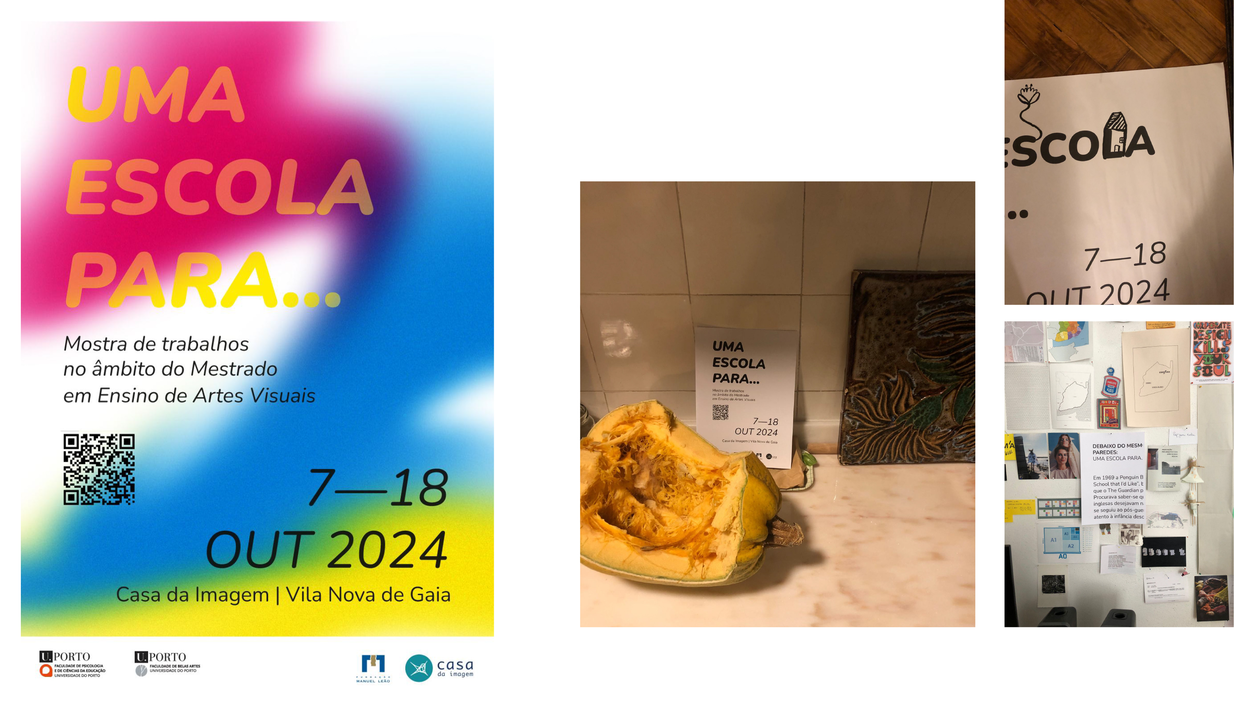
Moved our work out of the university
into the city. Make our questioning,
experiments and experiences a
subject of the community and not
only of our masters and the school.
For that we also had a parallel
program.
With this twisting/bend/subversion (that came
as consequence to events both conscious and
random) we tried to get closer to what this
paper started by pointing out: bridging the
gap between individual and collective, autoral
and anonymous. Using the exhibition as an
apparatus to bring us, experiences and
knowledge together

The exhibition took place beyond the
school year, shifting its intentions
towards what we thought was one of
the main interests — sharing. This
was not a place where we celebrated
our work and achievements together
but, out of the curricular time, a new
space we opened to deepen our
investigations and share thoughts
with others.
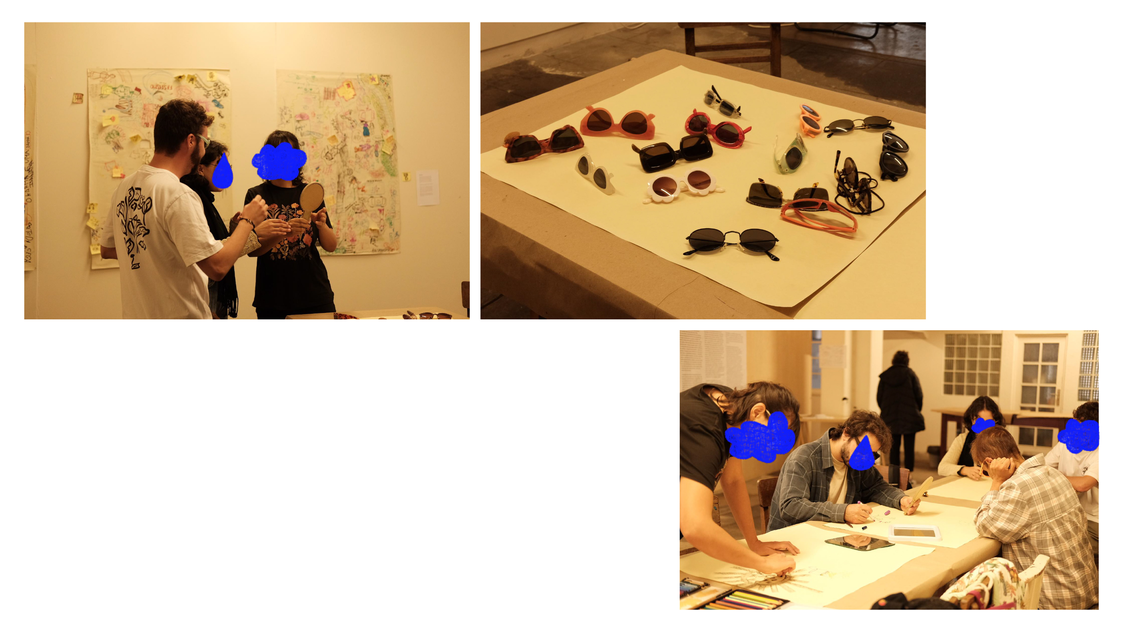
Ways to experiment with different models
Out of time — Leaving the classes, the start of internships —: Its realisation was a commitment we made beyond the return we’d receive. As a group/class, we were willing to create the space we had been fantasising about, in the months leading up to the exhibition, a place where the viewer ceases to be a viewer and becomes an interlocutor. A place for sharing.
Out of space — Leaving the university, Casa da Imagem: Casa da Imagem, which was the space that hosted us, was never a place that closed itself off, but always a space that expanded, where ideas and new constructions spilled out, liquid, beyond the doors and escaped into the outside world. There it was possible to meet people outside our environment. “A new career in a new town”.
Parallel Program
The parallel program was a strategy created to ignite and expand dialogues, possibilities, friendships and experiences beyond the materialities generated inside the school space. Both the exhibition and this parallel program act on bringing school work, production and knowledge outside its premises of invisibility.
They are form of bridging the gap between individual and collective, autoral and anonymous. Using the exhibition as an apparatus to bring us, experiences and knowledge together.