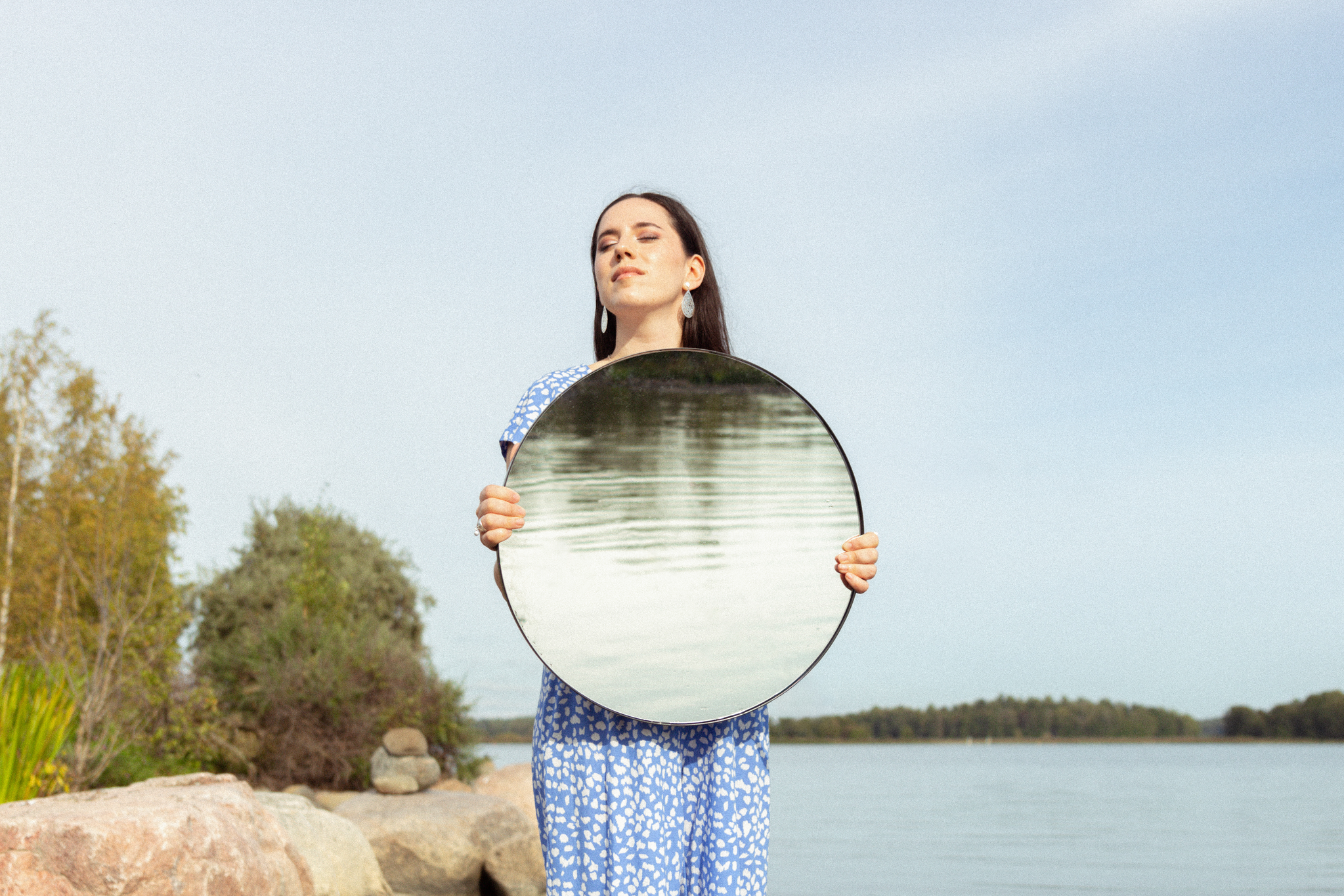
The texts have been primarily developed from my own experiences, including my autoethnographic experiences as a second-generation Kosovar immigrant born and raised in Finland. These experiences include my life as a musician, music lessons, music schooling in Finland, traveling, participating in various musical projects, and engaging with multiple sources such as personal journal entries and literature. While the core ideas, structure, and content are entirely my own, I used digital tools to support the writing process. Specifically, I used OpenAI's ChatGPT, Grammarly for grammar refinement and vocabulary enhancement, and DeepL to translate or rephrase sections of the text. These tools were used solely to improve clarity and readability, without altering the original intent of the research.
Mirësevini,
hoşgeldiniz,
tervetuloa,
welcome to Safe Ocean.
This is a space before sound, before image, before understanding.
Here, you may simply arrive as you are.
Carry your thoughts, your doubts, your memories, your silence.
They are all welcome here.
You do not need to explain. You do not need to know.
You may simply be.
This is a space to rest, to breathe, to feel held
Belonging does not need a name. Time softens. Meaning rises gently, if allowed.
You are not an observer.
You are part of this ocean.
Come as you are.
Let the water hold you.
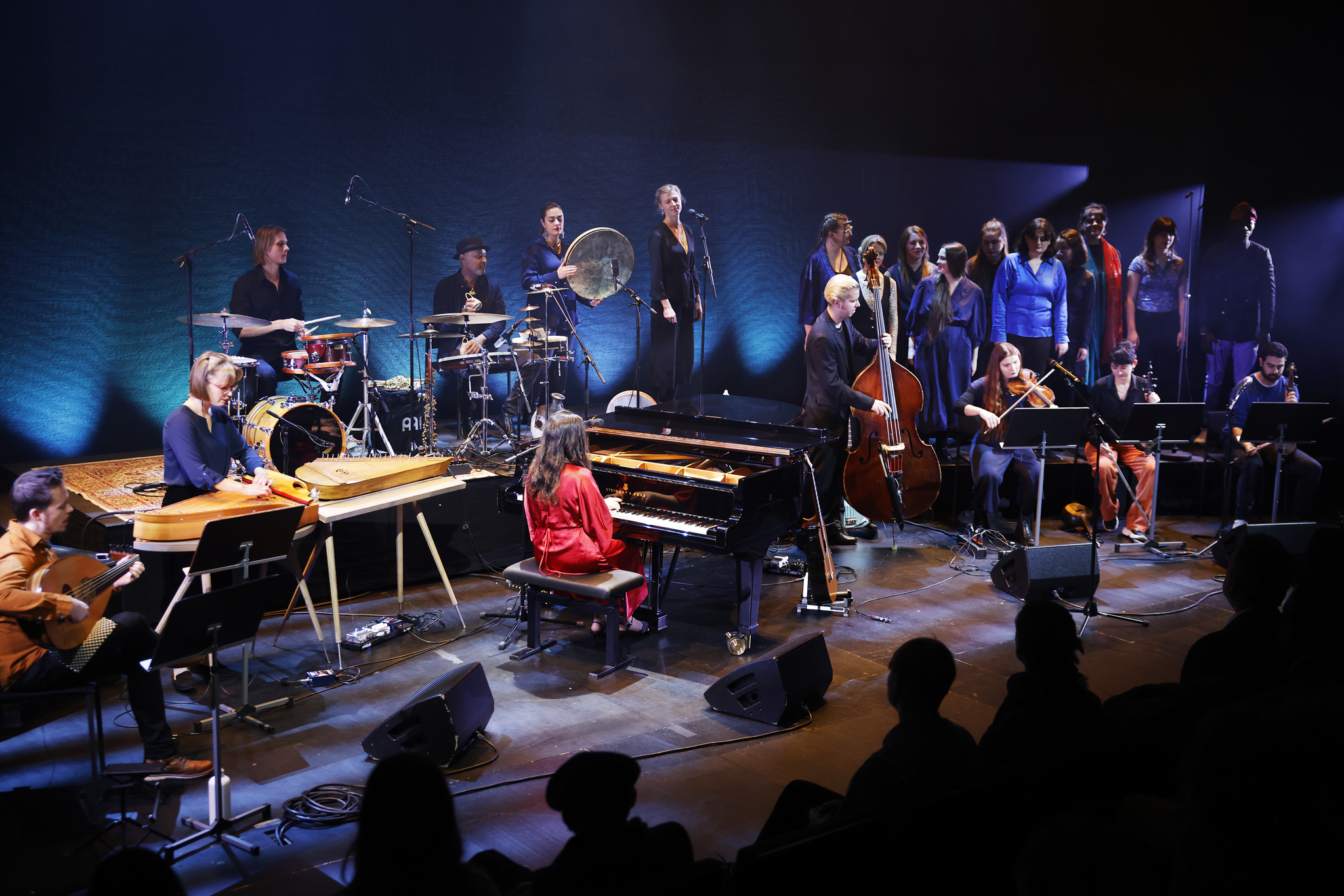
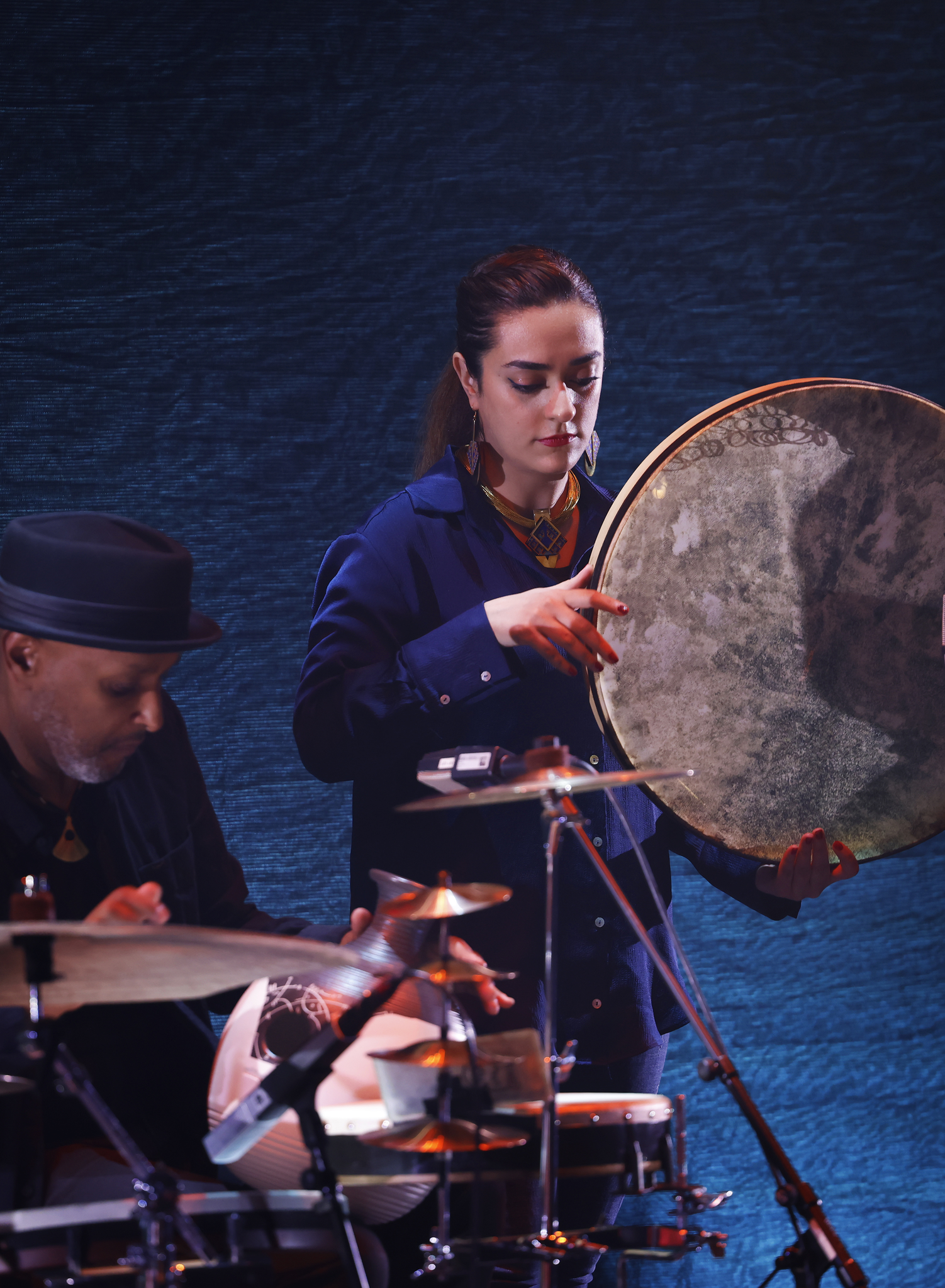
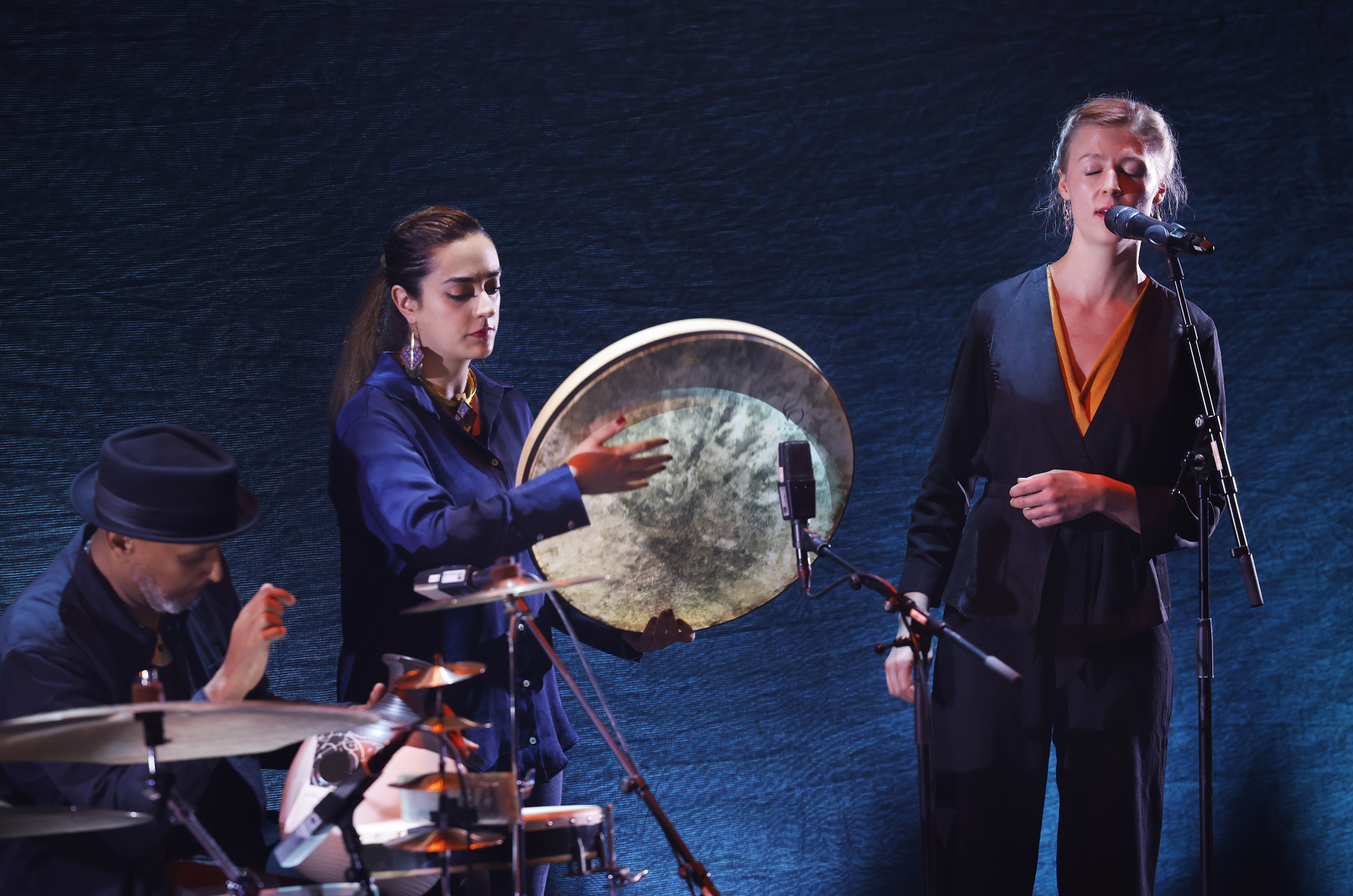
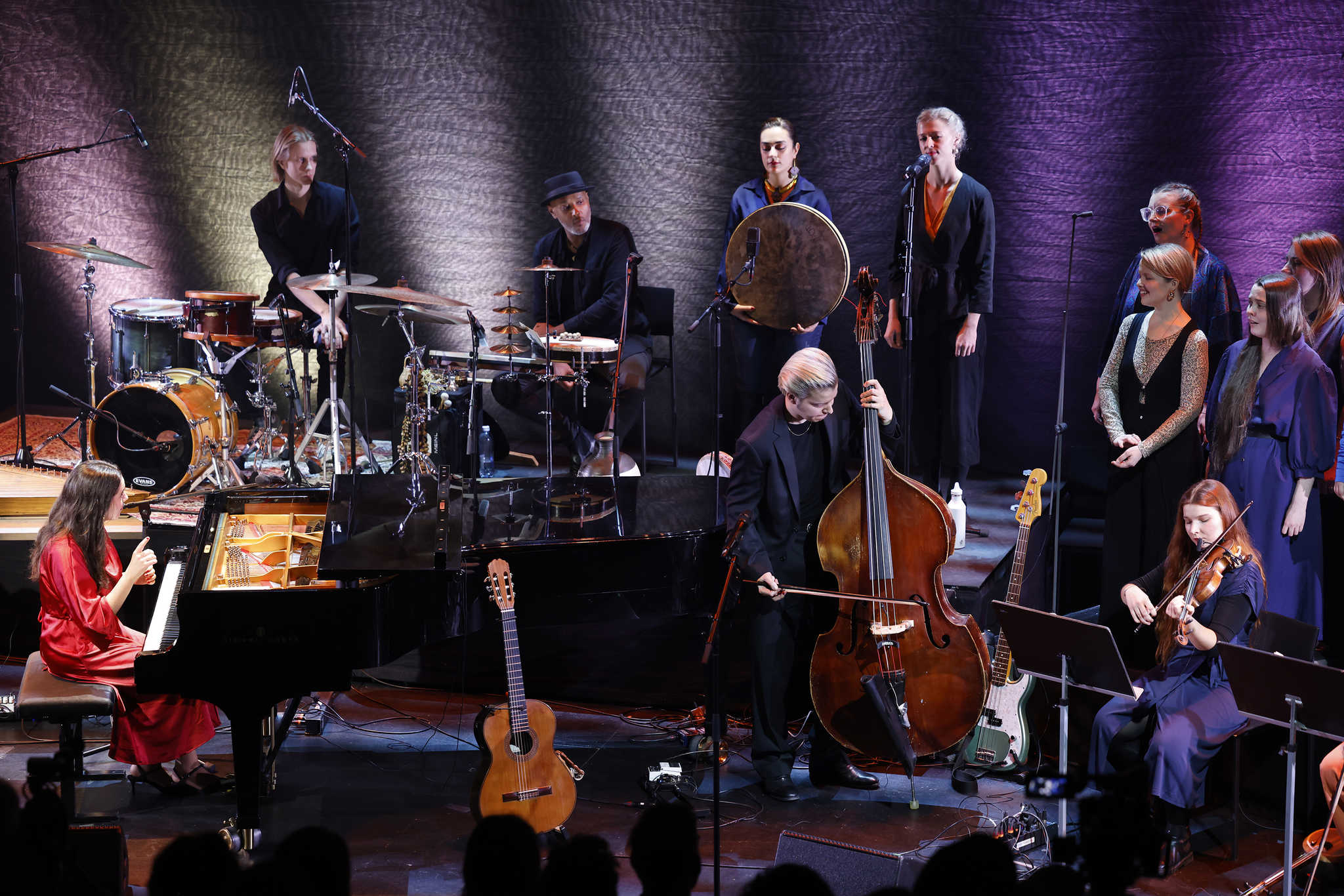
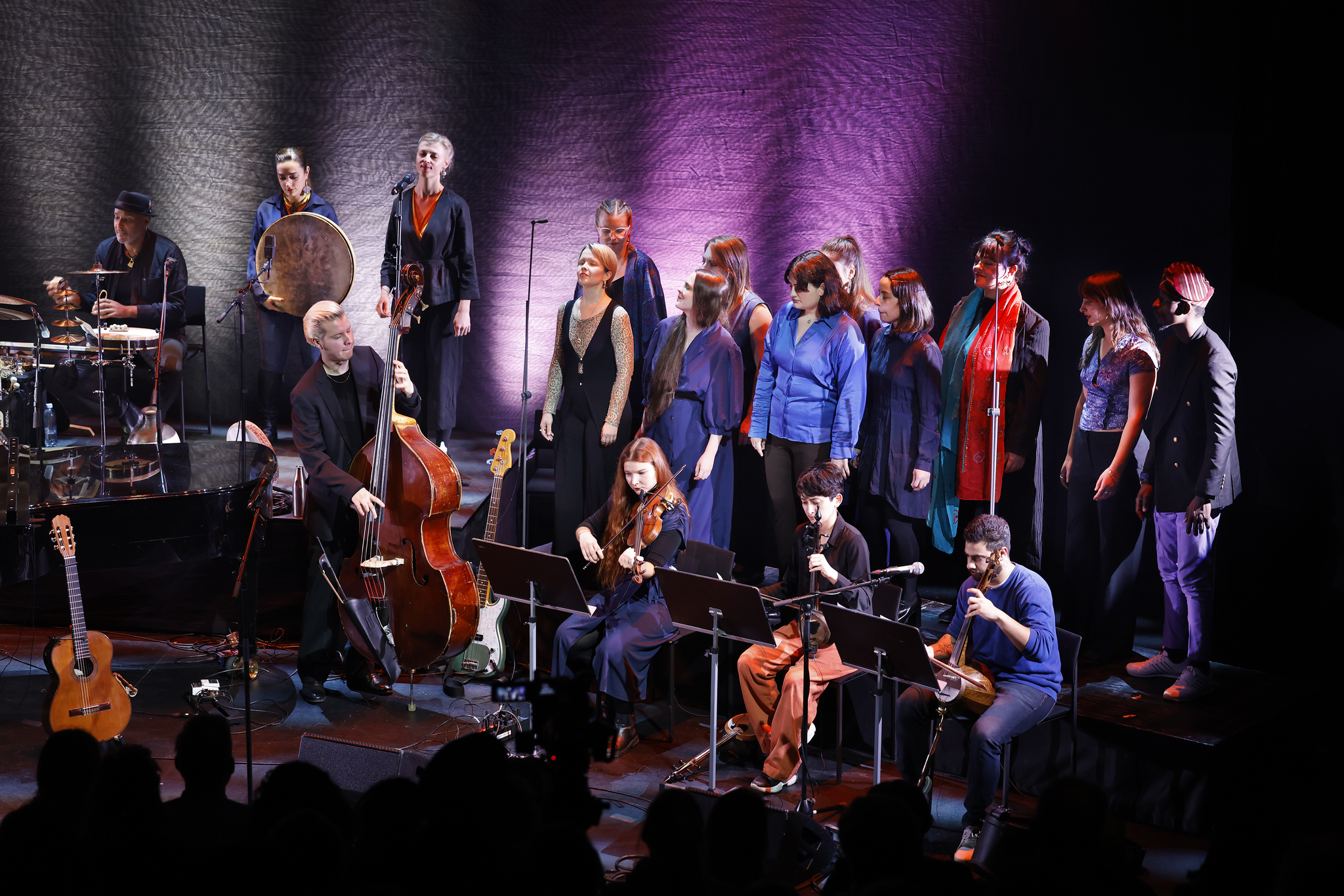
The master’s concert Safe Ocean stands at the center of this research, functioning as both a personal and academic manifestation of the study’s core themes. It is designed not merely as a musical event but as a reflective space where questions of identity, migration, and belonging can be explored in tangible form.
The concert’s conceptual framework draws upon multilingual and multicultural influences, weaving together traditional Albanian, Turkish, and Nordic musical materials. By combining these diverse sources, the work situates itself at the intersection of heritage and contemporary composition. This allows for an in-depth investigation into how music can serve as a medium for resilience, cultural continuity, and emotional expression.
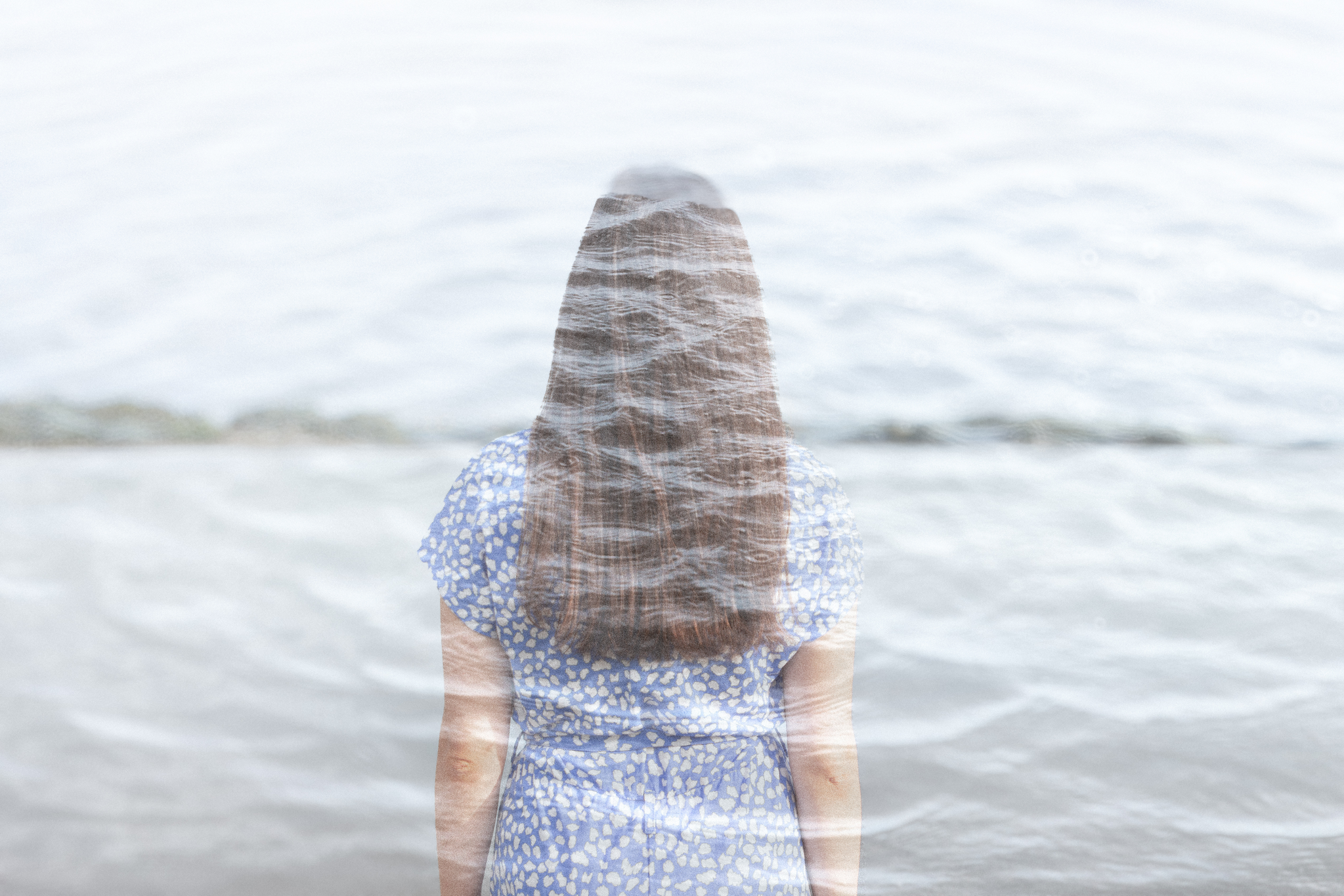
Memory begins with a sound, the soft clink of a spoon touching a Turkish tea cup. It is so small it almost disappears, yet it opens something that has been closed for a long time. Wrinkled hands move slowly, stirring the tea and, with it, time itself. Years loosen and rise with the steam, filling the room before any story is spoken. I sit without moving, listening without effort, and something inside me settles, as if it has finally reached a place where it is allowed to rest. This is where safety first found me, quietly, without explanation. Nothing here demands clarity or asks me to choose who I am. I return to this moment again and again, the way a child returns to sleep, not out of longing but out of instinct. In these small gestures, entire lives are hidden, and memory becomes something fluid and patient, like water. It holds me without question, without condition, asking nothing in return...
After Vushtrri (Kosova), back in Helsinki, I sat by the sea and let the light fall where it would. The ocean moved quietly, carrying memory, echoes, and questions without answers. From a photograph, Laura made a cyanotype: pale and almost nothing at first, it slowly revealed itself, layer by layer, in sunlight and water.
In that unfolding, I felt presence... how it rises, lingers, and passes through, leaving traces and revealing what is. Patiently, quietly, sound by sound, pulse by pulse, without demand, without end...
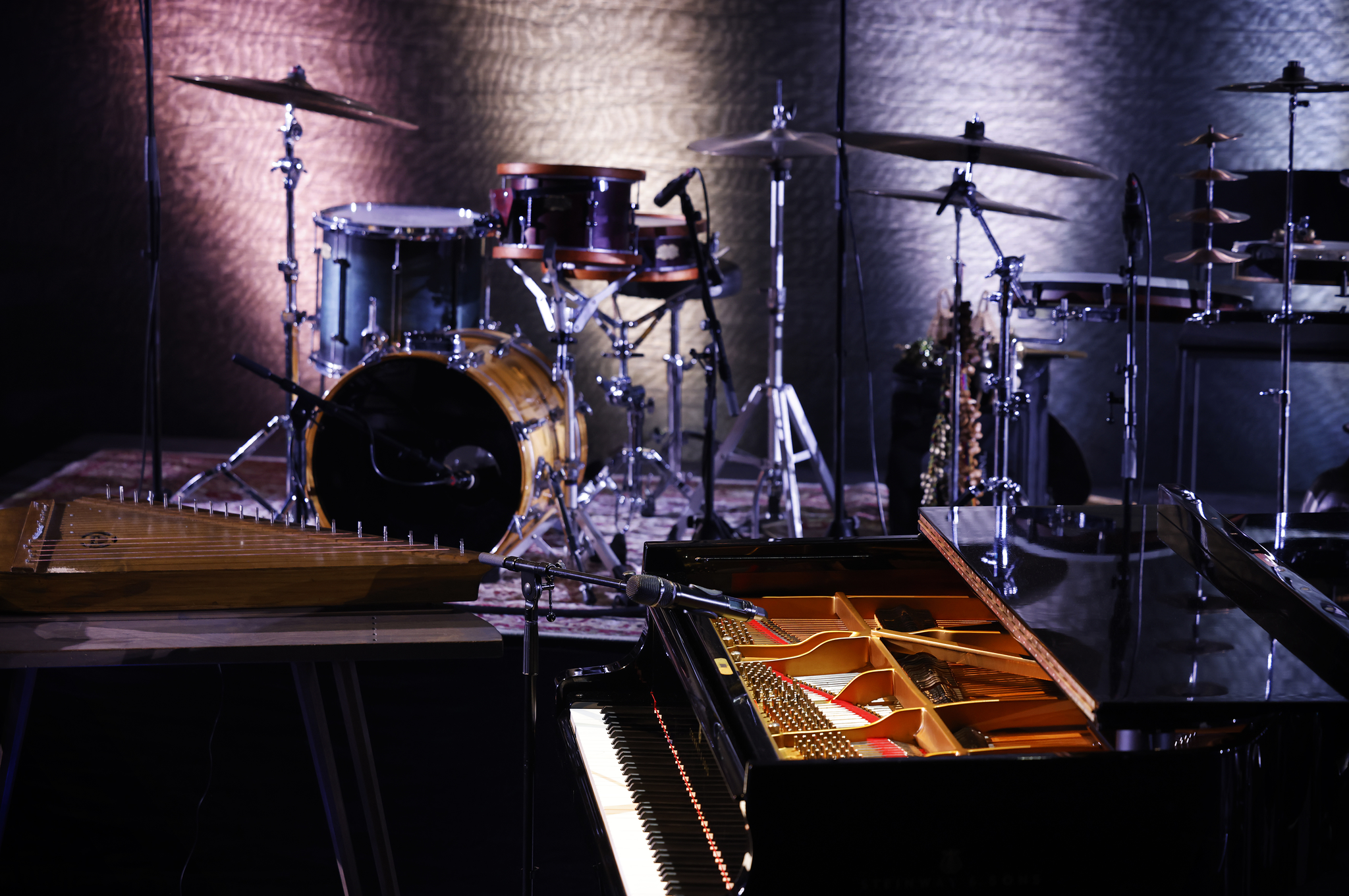
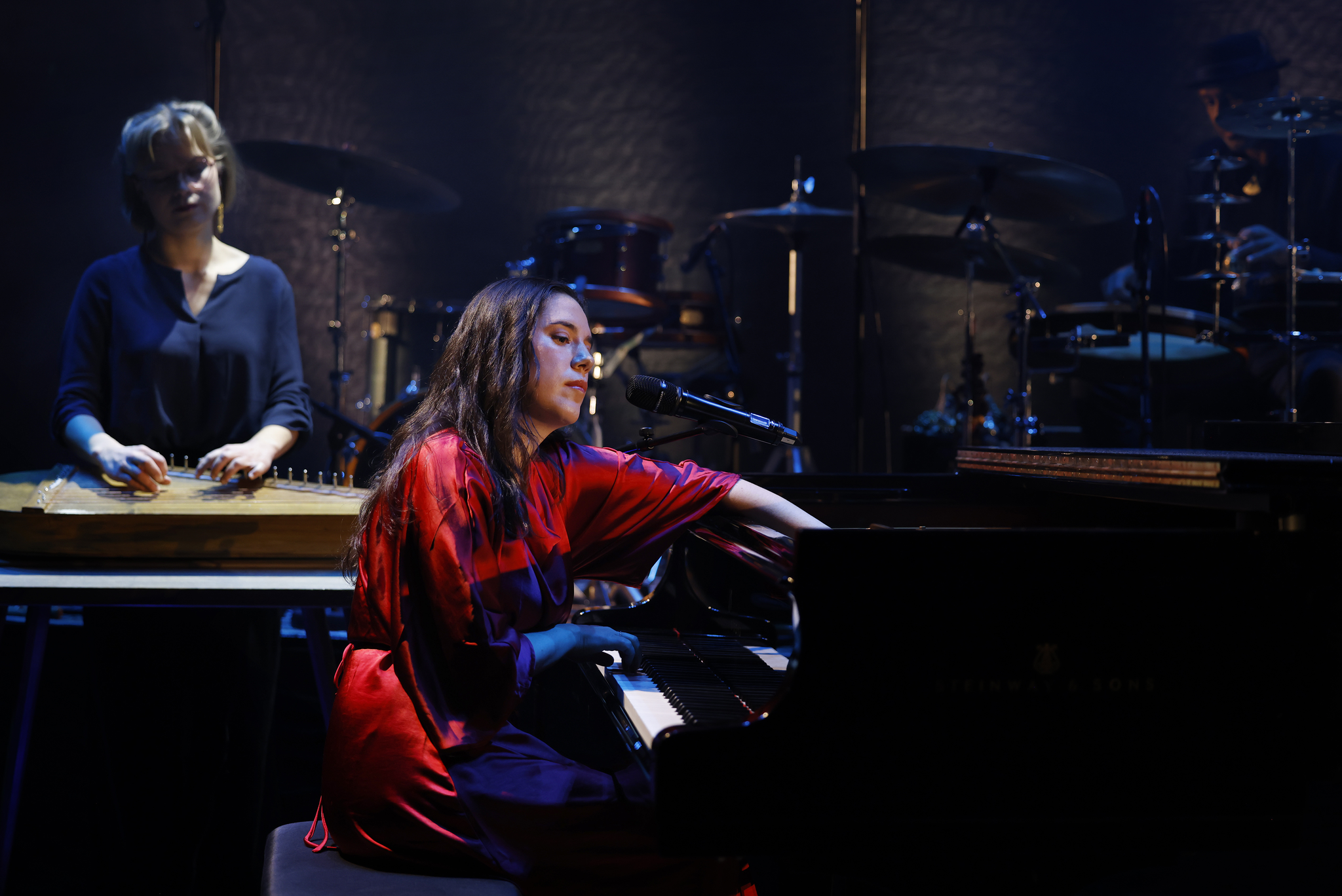
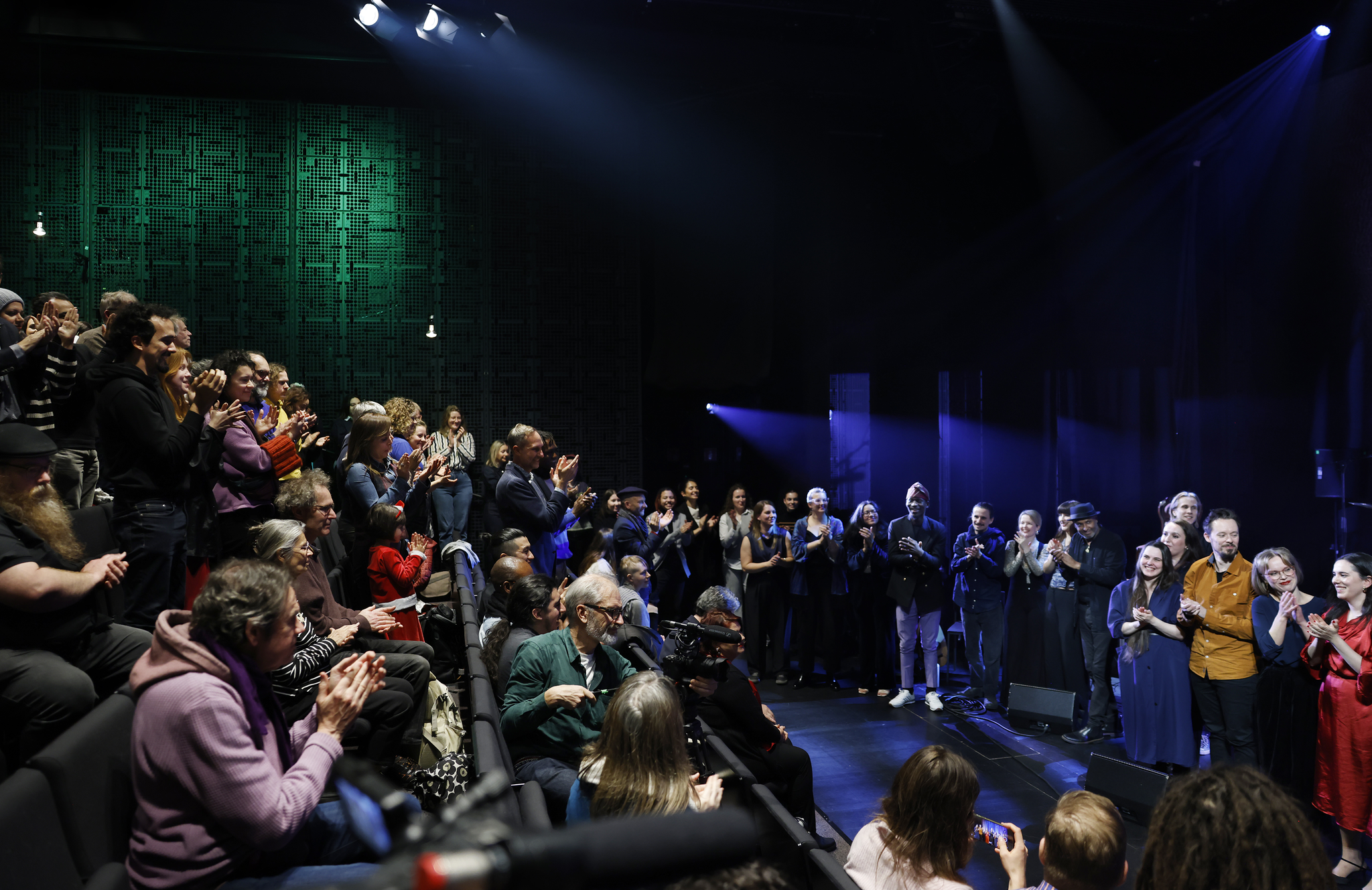
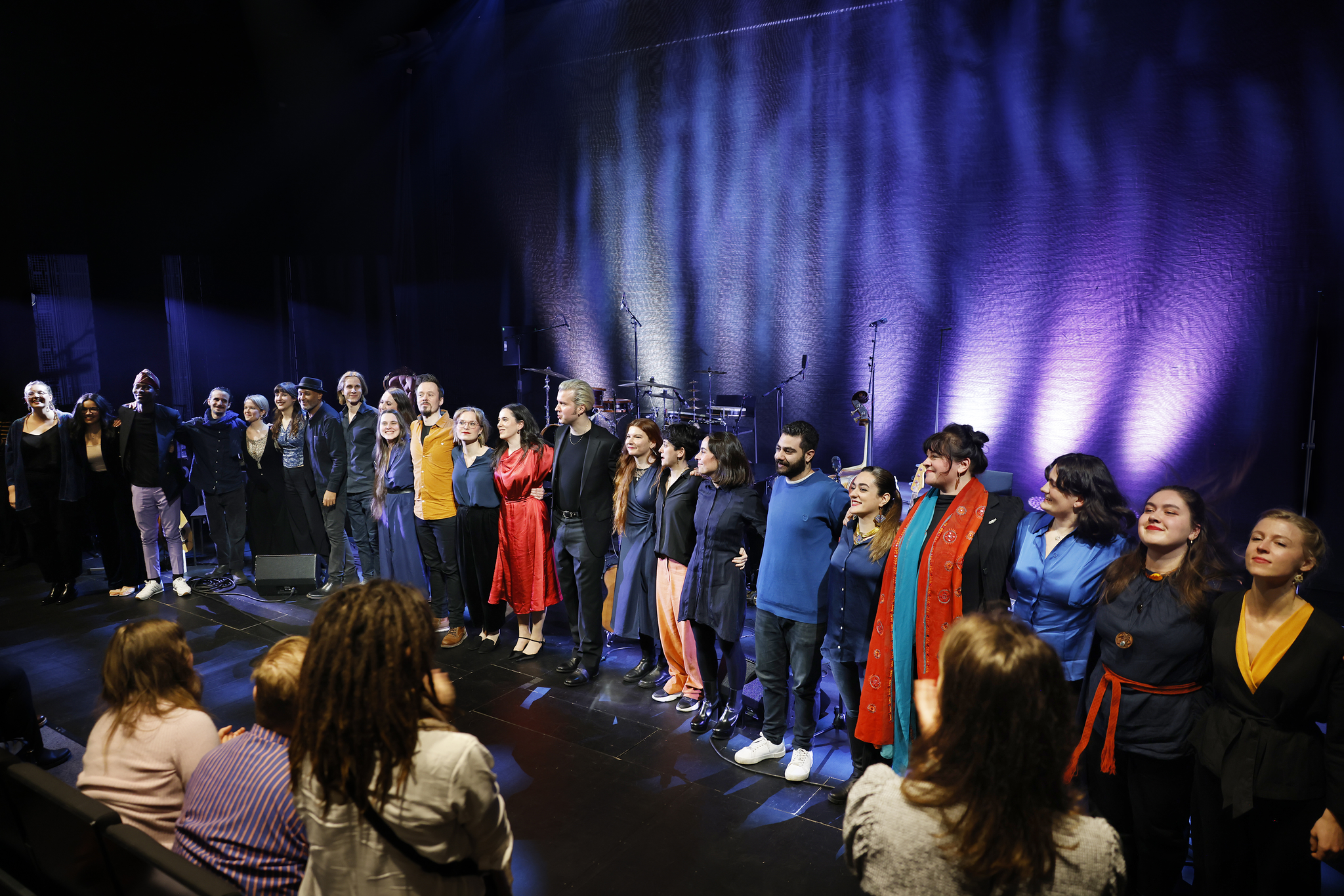
...And those memories do not stay still. They move. They grow. They spill into sound and light. Musiikkitalo, Helsinki, December twelfth, two thousand twenty-four. A stage full of musicians, a hall full of people waiting. The first sound appears and suddenly we are breathing together. Listening together. Moving together. The space fills, not just with music, but with presence. Here, memory, belonging, and sound meet. For a moment, we are no longer separate. We are part of the same ocean, fragile, alive, and deeply connected...
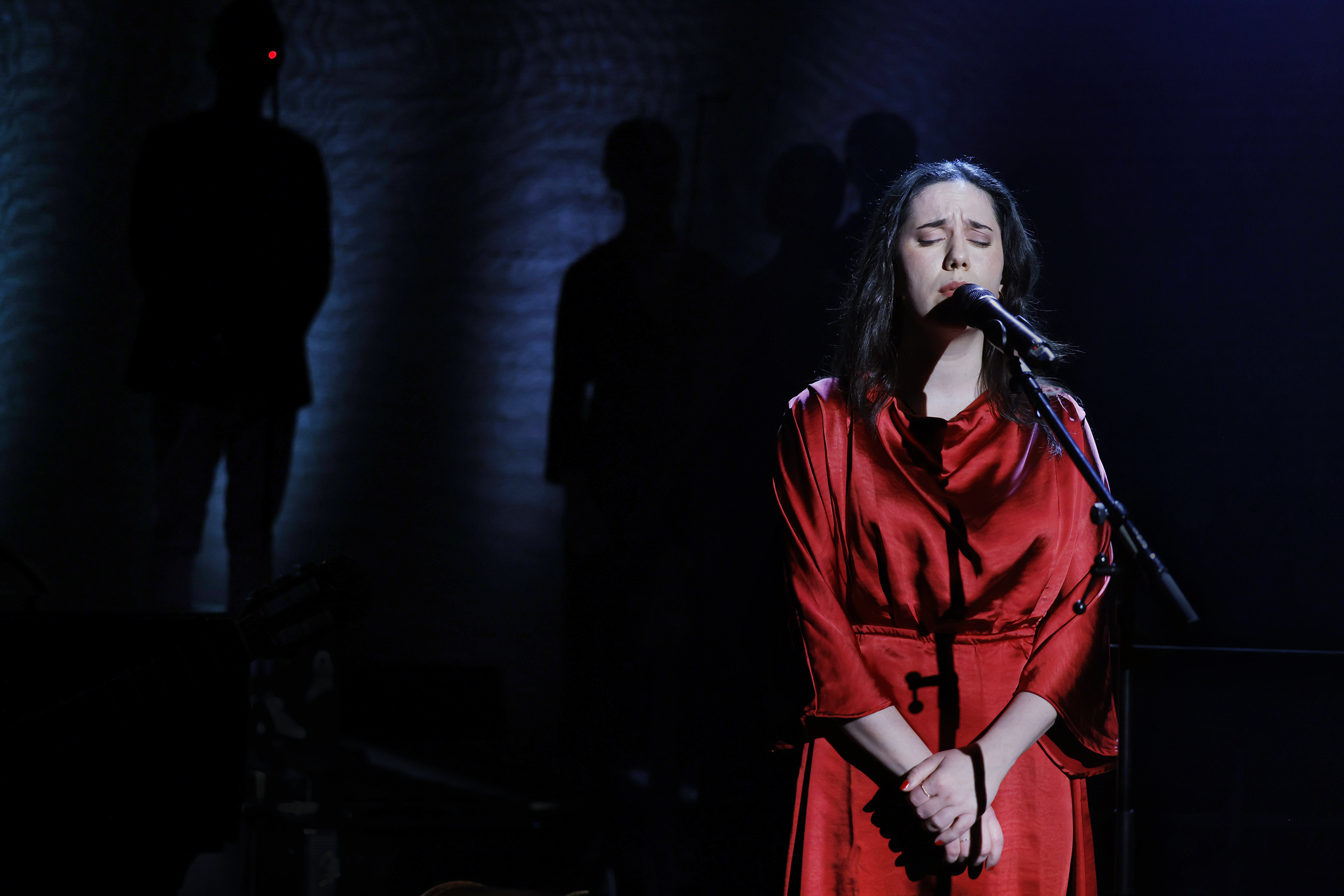
“To the lands unknown, she came with hope,
in that age, she left all she knew back home.
So much love I can see in those smiles,
in those tears, in many sleepless nights.
Nana, nana, nana, nana...
Ajo osht zani i parë, që e kam ndëgju,
kurr dashnin e saj, smuj me harru.
Krejt mërzija m'humb, kur e thom atë fjalë,
që quhet nanë, emri ma i bukur n'botë.”
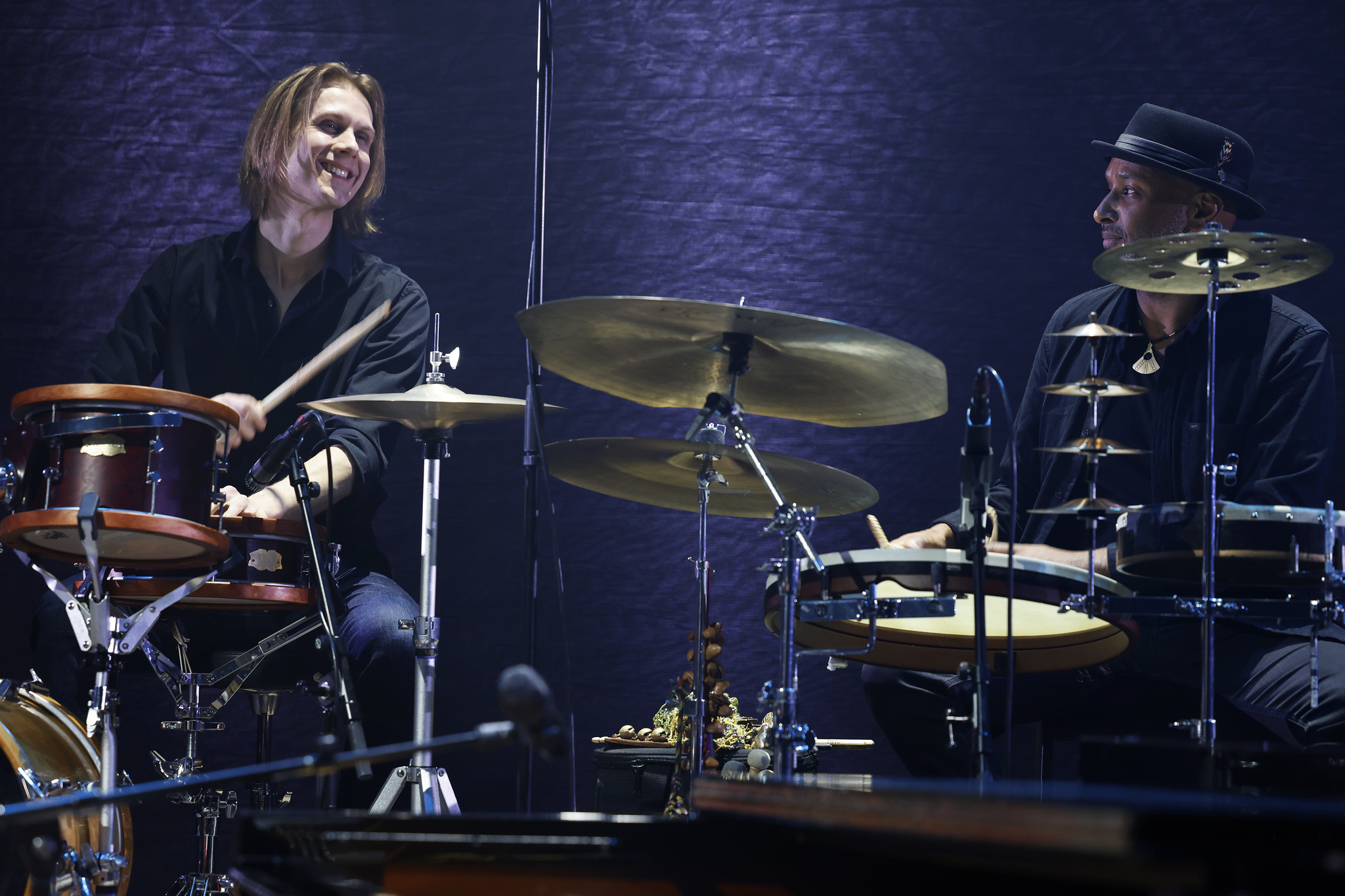
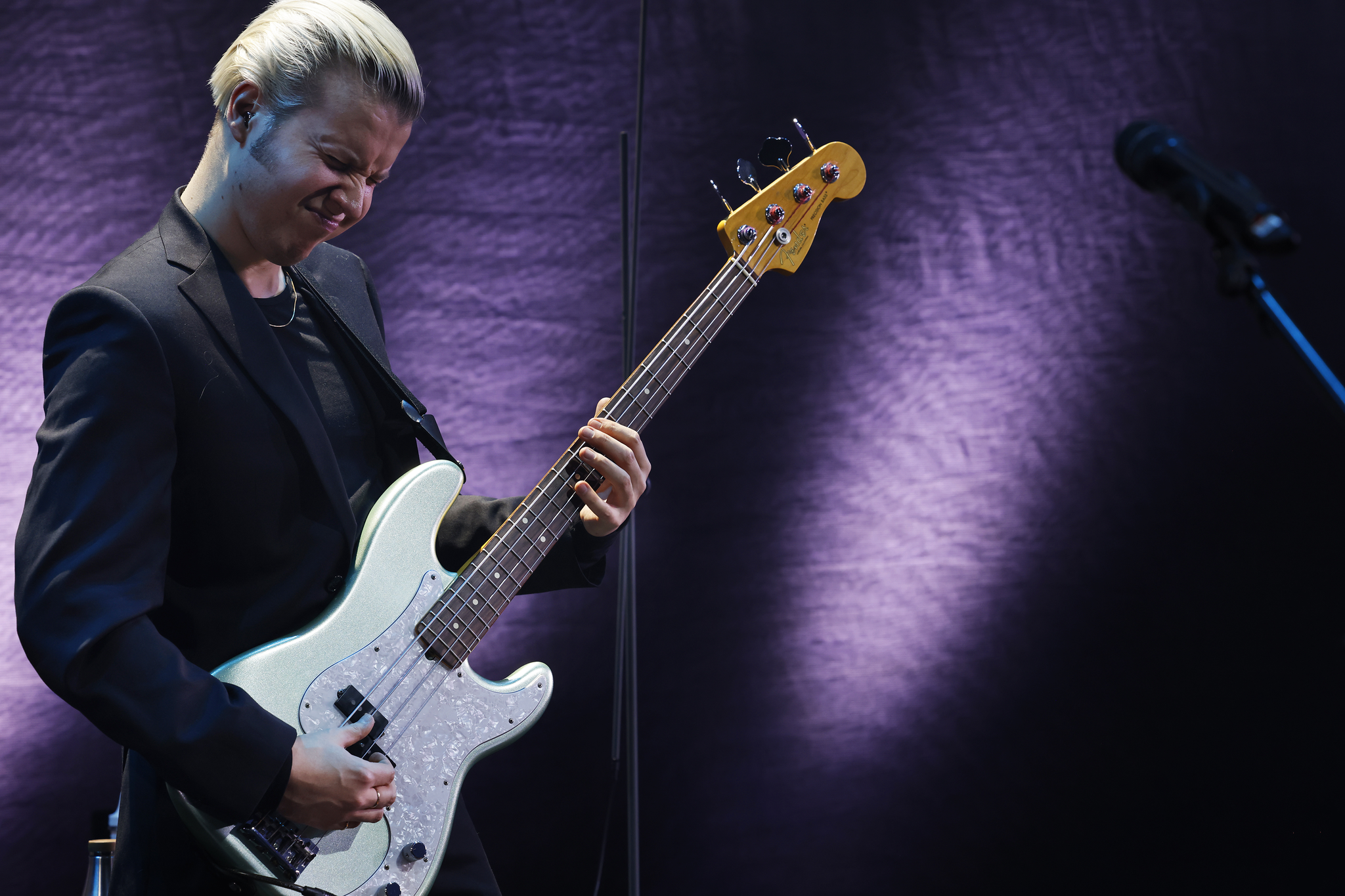
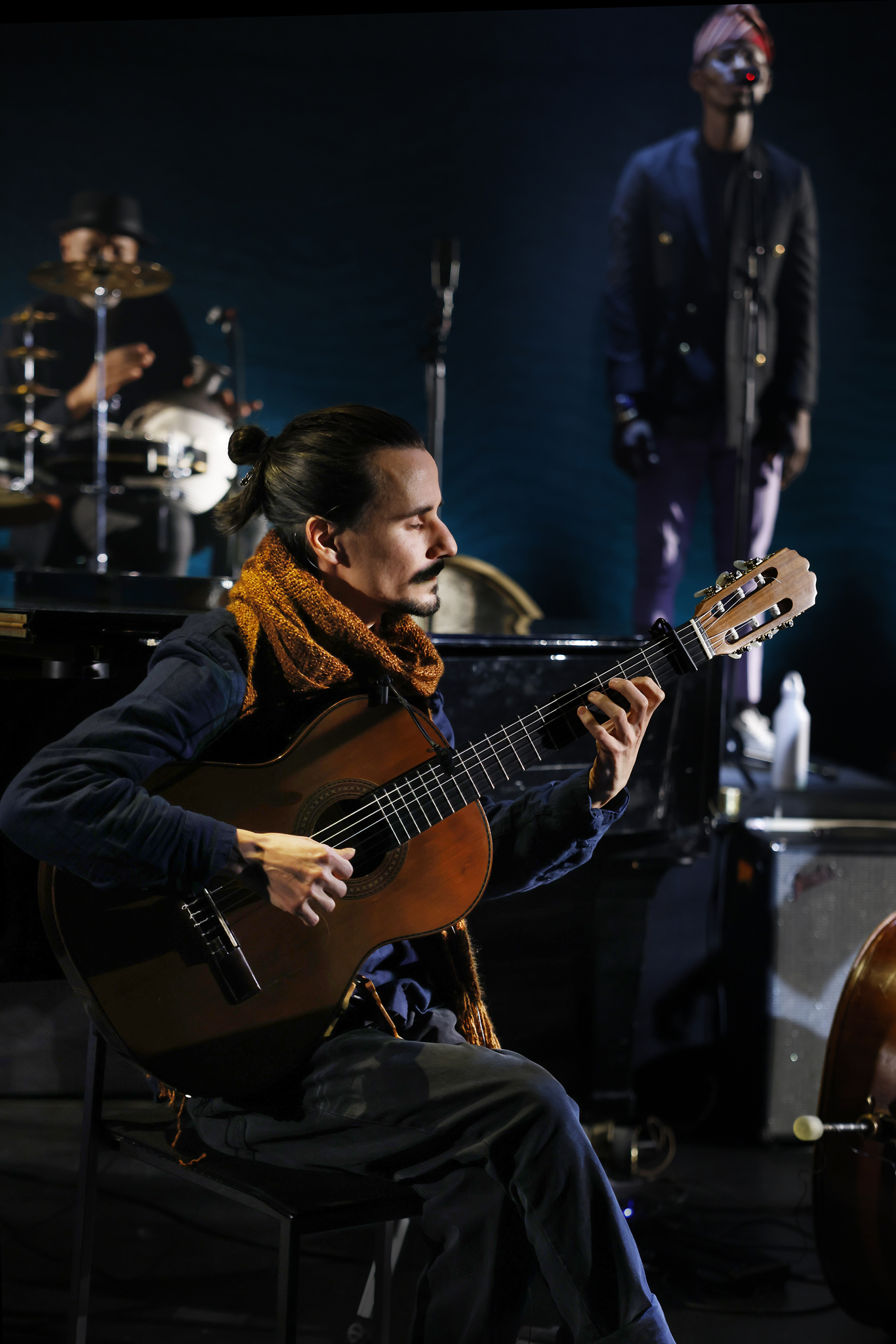
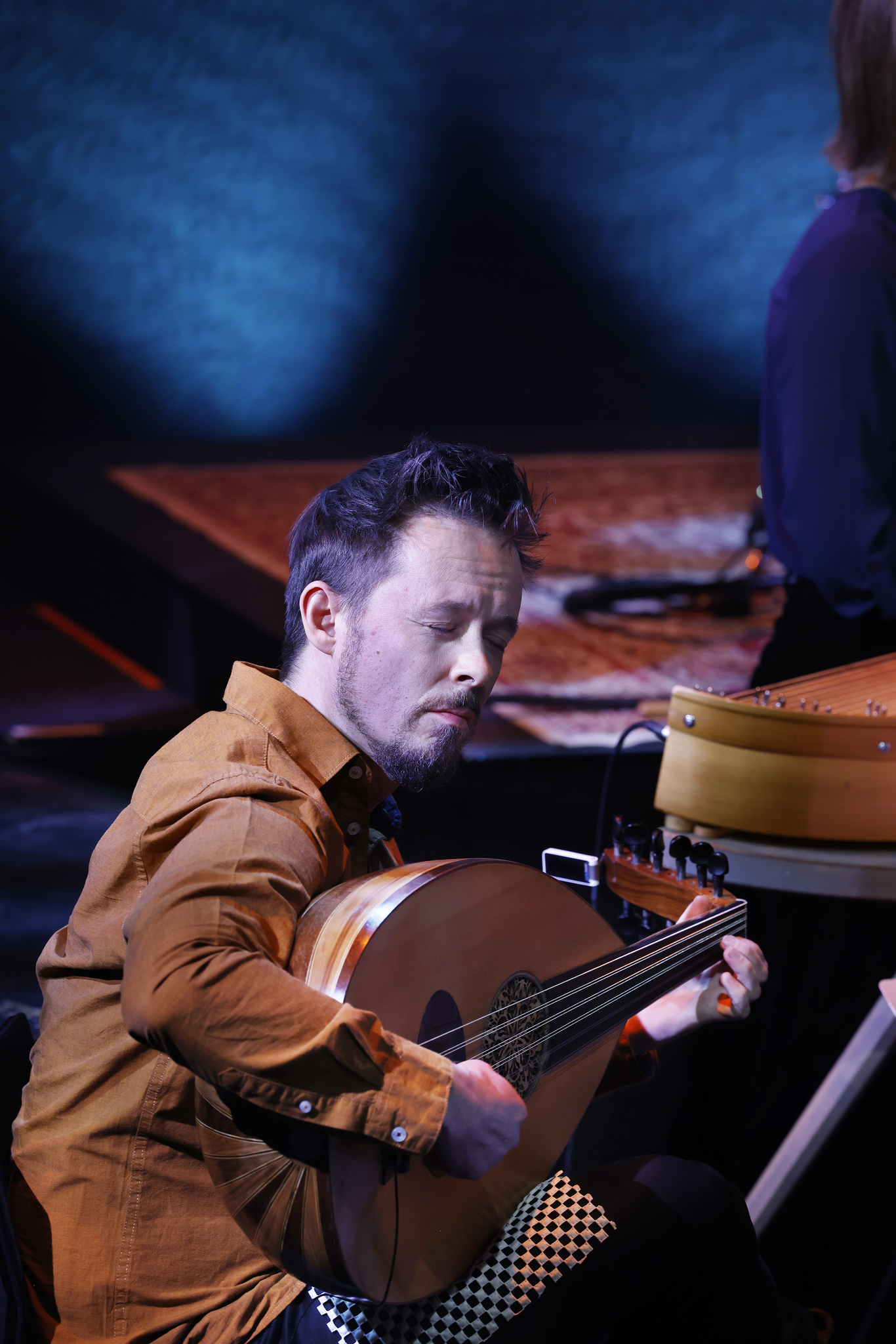
I Belong There
I belong there. I have many memories. I was born as everyone is born.
I have a mother, a house with many windows, brothers, friends, and a prison cell
with a chilly window! I have a wave snatched by seagulls, a panorama of my own.
I have a saturated meadow. In the deep horizon of my word, I have a moon,
a bird’s sustenance, and an immortal olive tree.
I have lived on the land long before swords turned man into prey.
I belong there. When heaven mourns for her mother, I return heaven to her mother.
And I cry so that a returning cloud might carry my tears.
To break the rules, I have learned all the words needed for a trial by blood.
I have learned and dismantled all the words in order to draw from them a
single word: Home.
(From Unfortunately, It Was Paradise by Mahmoud Darwish, translated and edited by Munir Akash and Carolyn Forché with Sinan Antoon and Amira El‑Zein. Copyright © 2003 by the Regents of the University of California. Reprinted by permission of the University of California Press. All rights reserved).
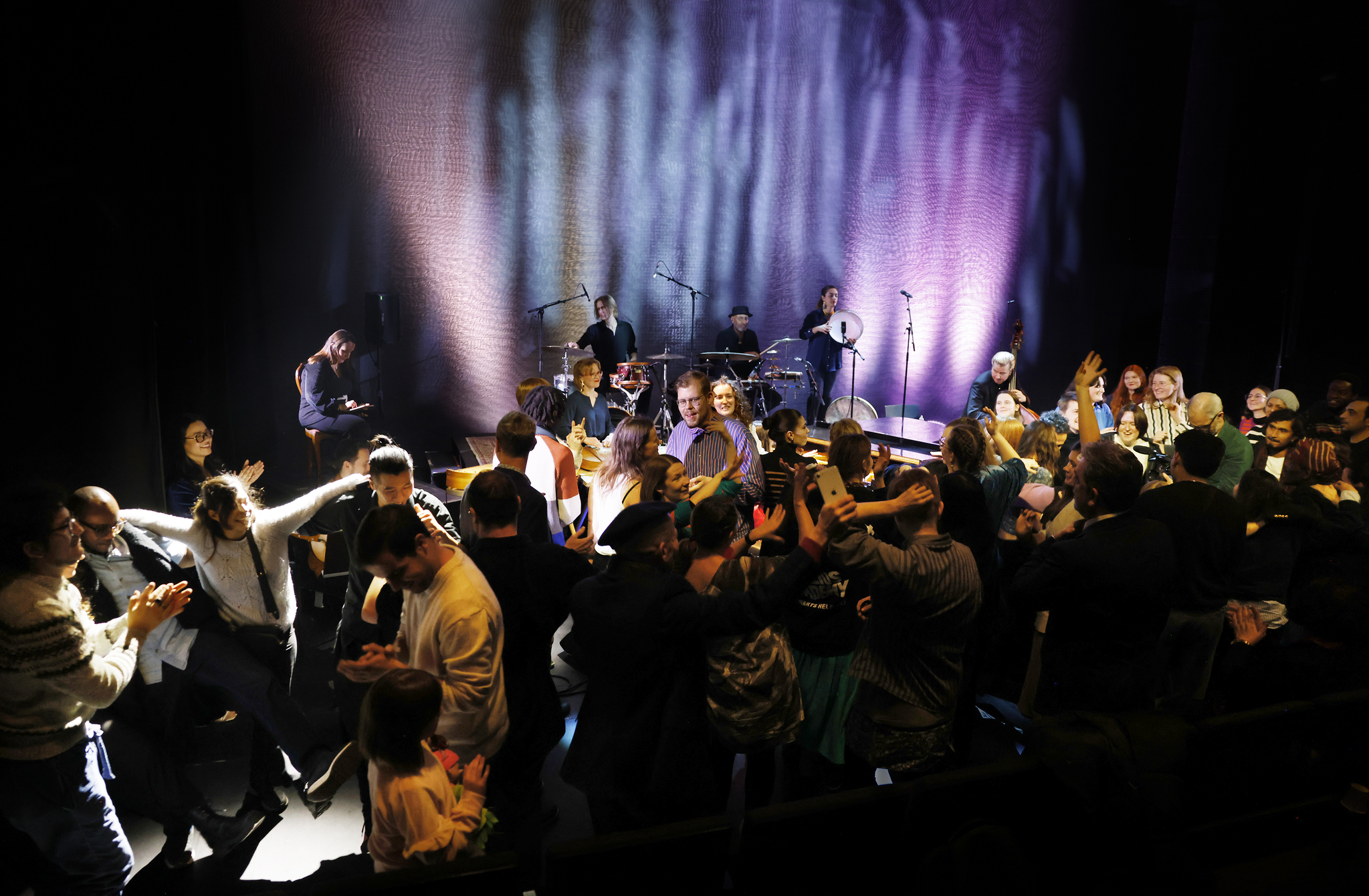
...Towards the end of the concert, something shifts. Tears soften into smiles. Stillness turns into movement. Colors and stories meet, and the distance between audience and performers begins to fade. Bodies sway. Feet lift from the floor. People start dancing. The music no longer belongs to the stage, it belongs to all of us. Positions disappear. Roles lose their meaning. There is only sound, movement, and the quiet joy of being together. In that moment nothing else matters. There is one shared humanity, one shared longing, and for one hour we touch something essential. A Safe Ocean appears, held together by all of us, like water meeting light...
Every spark of the soul
can be its own "konak"
a space open to all
where a heart can sing freely
without a knot in the throat.
(“Konak” comes from Ottoman Turkish, meaning a guesthouse or a place of hospitality. In Albanian tradition, it became a sacred, open space where anyone who arrived could be welcomed, resting, sharing and connecting without judgment).
After a long silence, a year had passed since Safe Ocean concert, a song appeared.
Not suddenly.
It arrived as dawn does, without asking, without noise.
For the first time, it spoke in Turkish.
It carried the weight of standing between two doors.
Neither fully open.
Neither willing to close.
A life paused in the threshold, learning to breathe there.
Learning how to belong to more than one place,
and fully to none.
Inside, something always pulled in opposite directions.
Stillness and movement.
Staying and leaving.
The heart stretched thin between them,
like land torn gently by water.
The world felt narrow then.
Not cruel, just insufficient,
as if it could not contain the questions rising within it.
And from far away, something old returned.
A voice without a body.
A warmth without a shape.
Not only memory,
but wars survived, borders crossed,
names left behind and carried forward—
now resting quietly inside the present.
Nothing asked to be repeated.
Nothing demanded to remain unresolved.
Like a lullaby remembered, not heard.
It came through the wind, carrying the patience of those who lived before us.
It did not explain.
It did not hurry.
It simply stayed.
Time slowed between two lands.
Roots reached quietly into distant soil.
Nothing visible grew,
yet everything necessary was being nourished.
The tension did not destroy what it touched.
It transformed it.
It turned waiting into listening.
Listening into sound.
Sound into breath.
Perhaps this is the human condition.
To live between places.
To carry more than one home inside the body.
To search without knowing what we will find.
And somewhere in that in-between space,
where nothing seems certain,
we answer life as we truly are—
not bound to inherited sorrow,
seen fully by an unseen, enduring Presence.
And perhaps this is where creation begins…
İki kapı arasında
Kaldım ben yeniden
Ne soranı eksik oldu
Ne anlayanı gerçekten
Bir yanım sus der durur
Bir yanım yola çağırır
Gönlüm ikiye bölünmüş
Dünya bana dar gelir
Uzaktan gelen bir ses
Nenem ninnisi gibi
Rüzgârla gelir hafifçe
Kalbime eski izleri
Sorarsan bir gün hâlimi
Yaratan bilir beni
İki diyar arasında
zaman ağır gelir bana
Uzak köklerden besleneni
Yaratan ancak anlar
Between two doors, I found myself again.
Many ask of me, but few truly see.
One part of me whispers to stay silent.
Another pulls me forward.
My heart is torn in two directions,
and the world feels too narrow to hold it.
A voice drifts from far away,
soft, like my grandmother’s lullaby.
It arrives on the wind,
carrying the old memories I thought were lost.
If someone wonders how I am,
only the Creator knows.
Between two lands,
time stretches slow and heavy,
nourished by roots and seeds from afar.
Only the Creator can understand.