Through an artist-ethnographic lens, Armstrong’s practice-based PhD examines the systems of knowledge that underpin quantum communication technologies. Her research captures the sociotechnical imaginaries that propagate specific forms of knowledge within technoscientific research environments. She examines how the field of quantum communications is understood through broader histories of science, technology, belief systems and culture - tracing the entanglements of bodies, machines and knowledge systems to depict what she calls “the quantum imaginary.”
Armstrong parafictions a techno-feminist horizon for the future of quantum technologies, through use of speculative world-building, hybrid digital art processes and an experimental interview method that captures the imaginaries of quantum researchers.
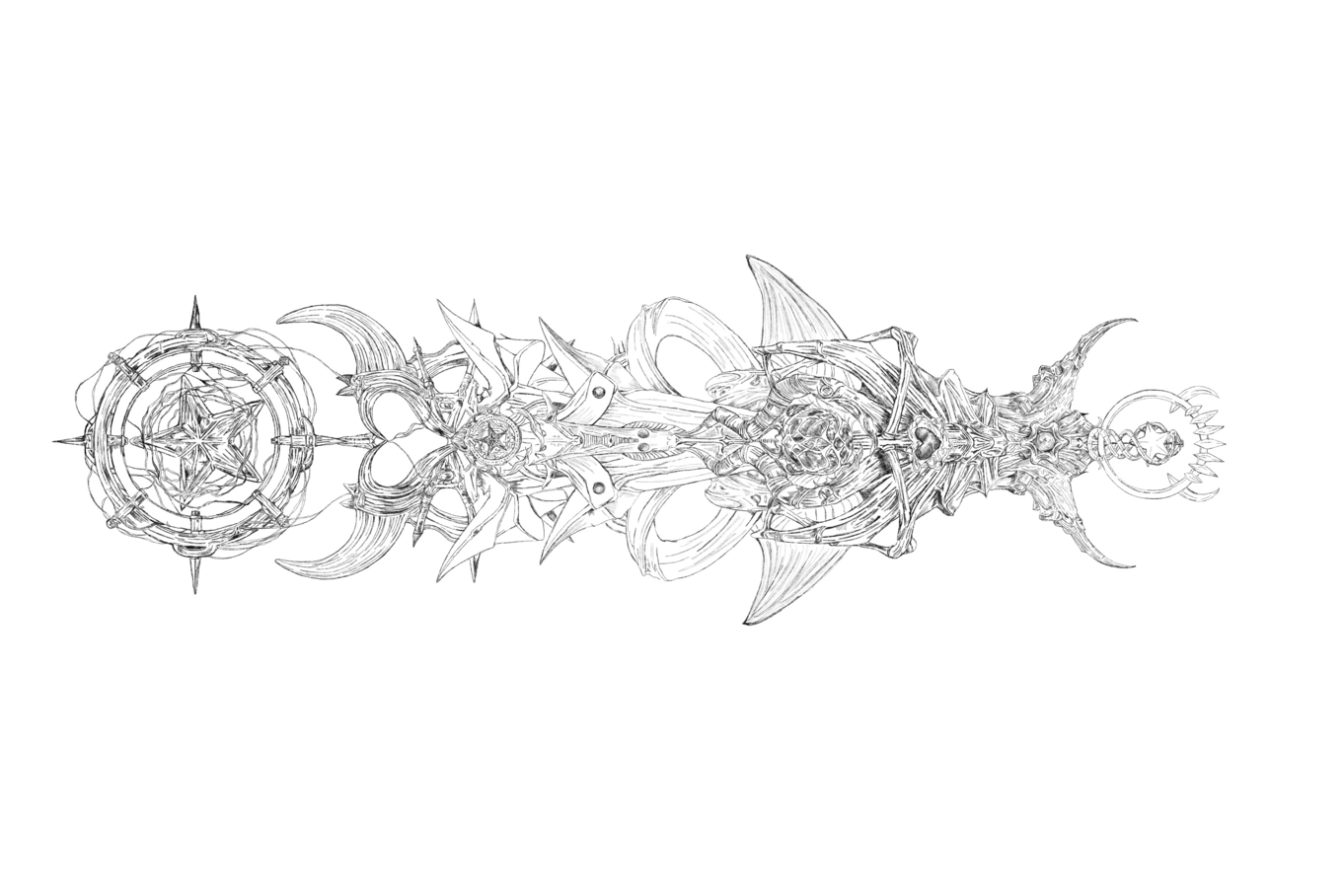
^ A digital line drawing by Nadia J. Armstrong depicting a speculative tool, an imagined quantum sword, for GIRLHERO (2025)

Situated in CONNECT, Research Ireland's Centre for Future Networks and Communications, this project takes a transdisciplinary approach, blending creative practice with critical theory from the field of STS. As an autoethnographer, Armstrong’s position within the institution of CONNECT, as an artist, a woman and an non-scientist becomes the very thing that positions her to execute this PhD inquiry. Armstrong draws on Feminist Standpoint Theory to contextualise her position and adopts Karen Barad’s agential realism as her theoretical framework for this inquiry into technoscientific knowledge.
Her practice harnesses the parafictional as method that invites conditions of uncertainty, that echo quantum phenomena, into the project. In the parafictional process, logics of truth and reality are repeatedly questioned and re-explored through a near-ritualistic disavowal of hegemony and experimentation with the aesthetics of truth.
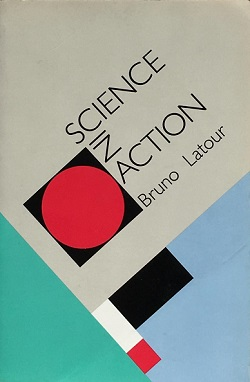
Parafictioning allows Armstrong to think through networks of knowledge and the visions for the future they put forward. This research follows STS pioneer Bruno Latour’s suggestion to follow science in the making, science on theedge of discovery (1987). Quantum communications is an apt case study for an inquiry into technoscientific knowledge formation as it sits on the edge of society’s capability to know the world around us. The discovery of quantum physics occurred 100 years ago and has transformed the way we “know” the world at an atomic level. This project investigates the possibility of applying Karen Barad’s philosophical position of ethico-onto-epistemology to a study of imaginaries at play in quantum-based knowledge networks.
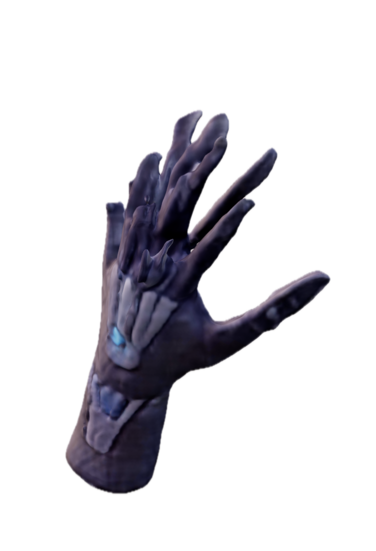
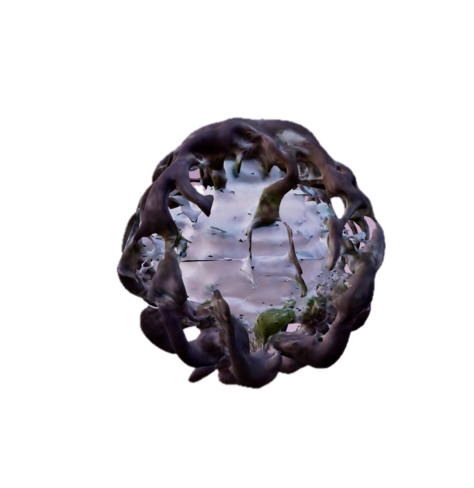
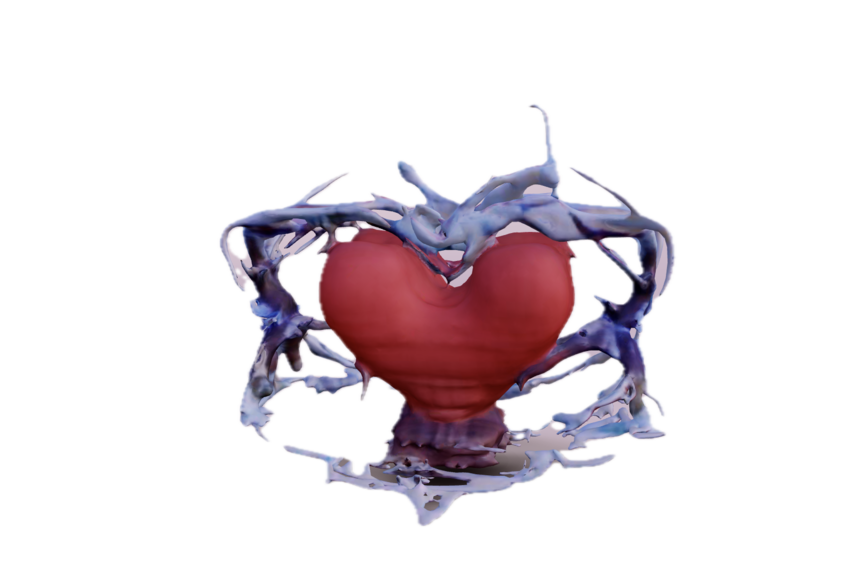

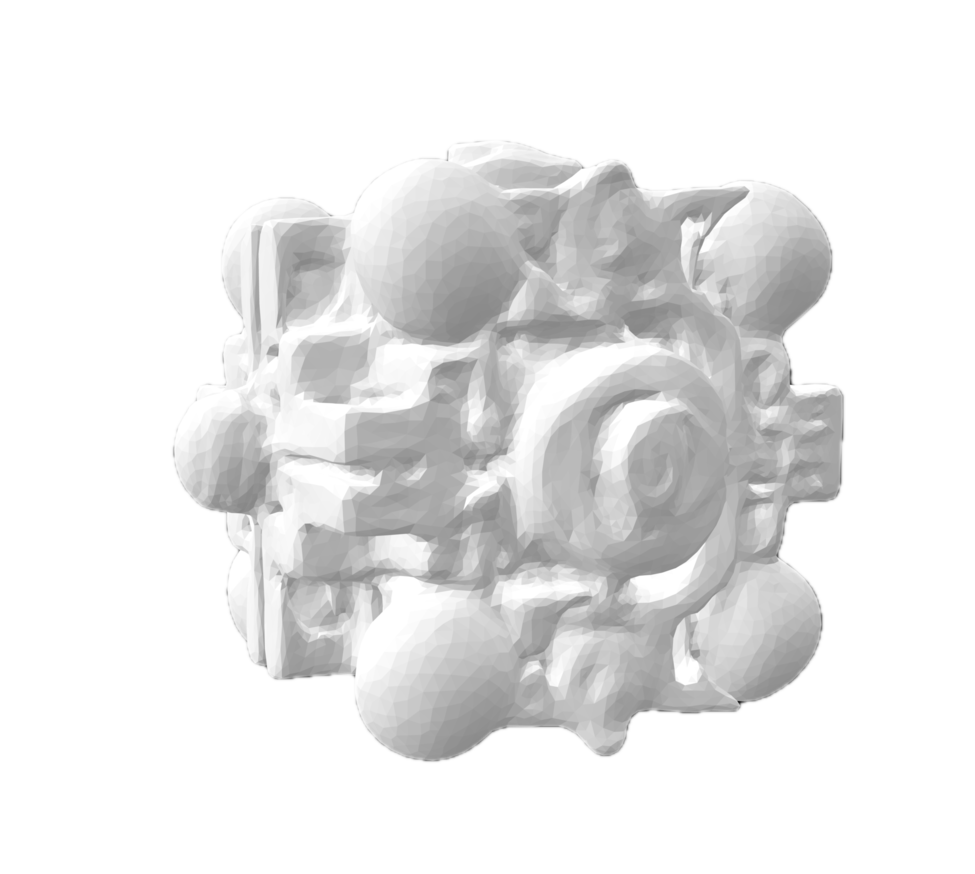
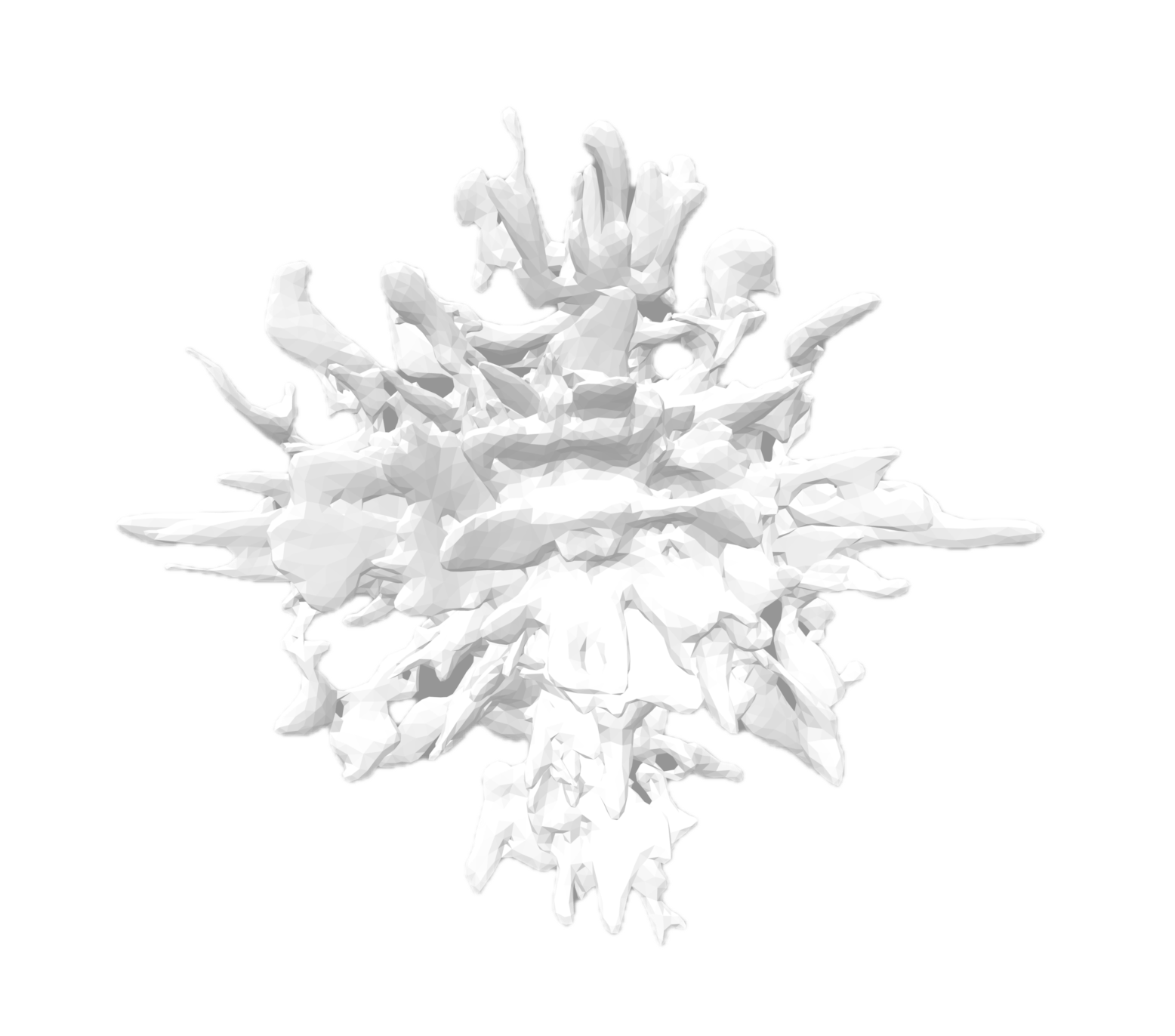
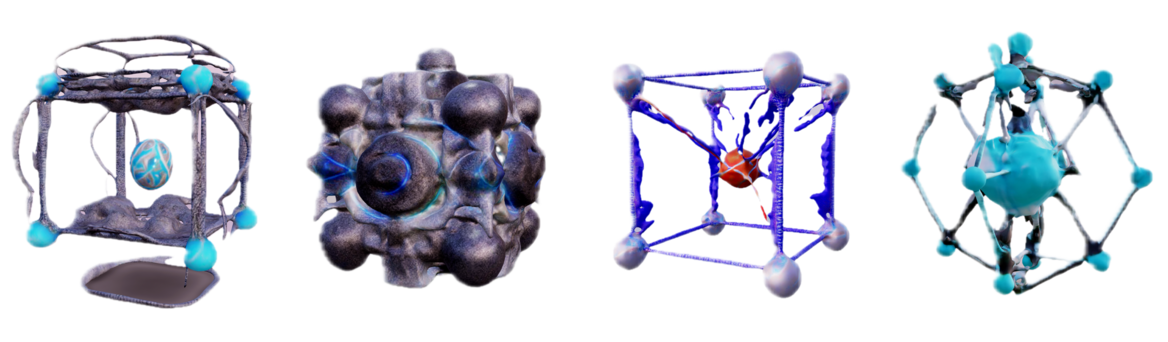
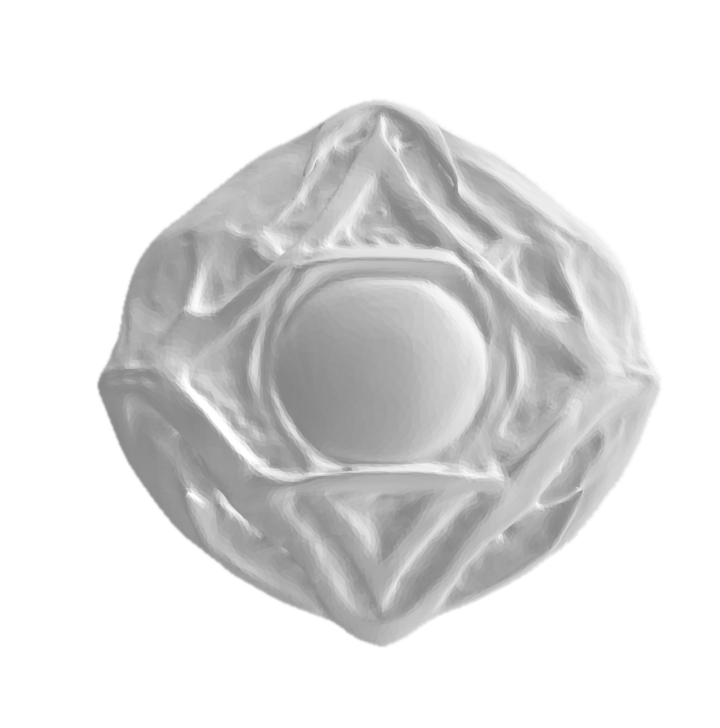
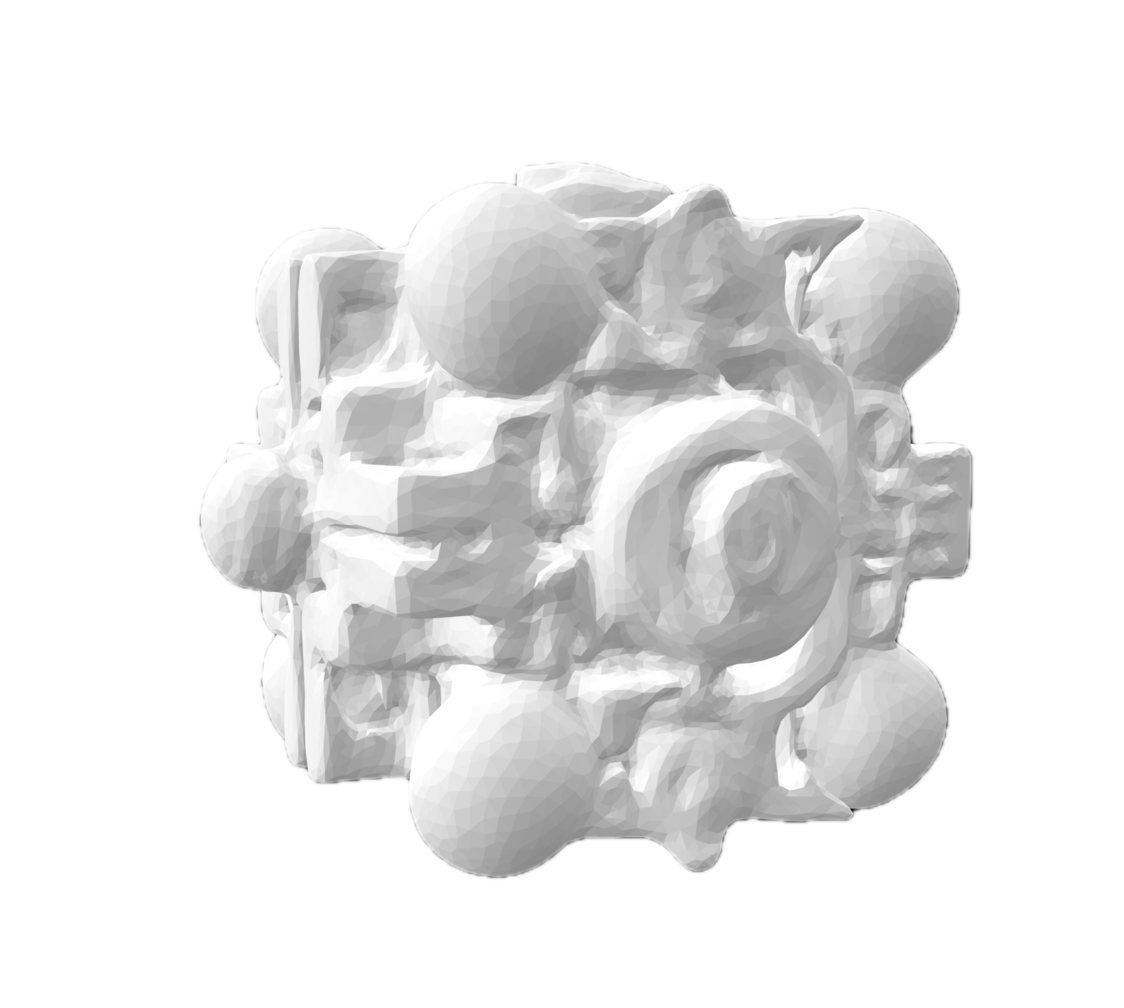
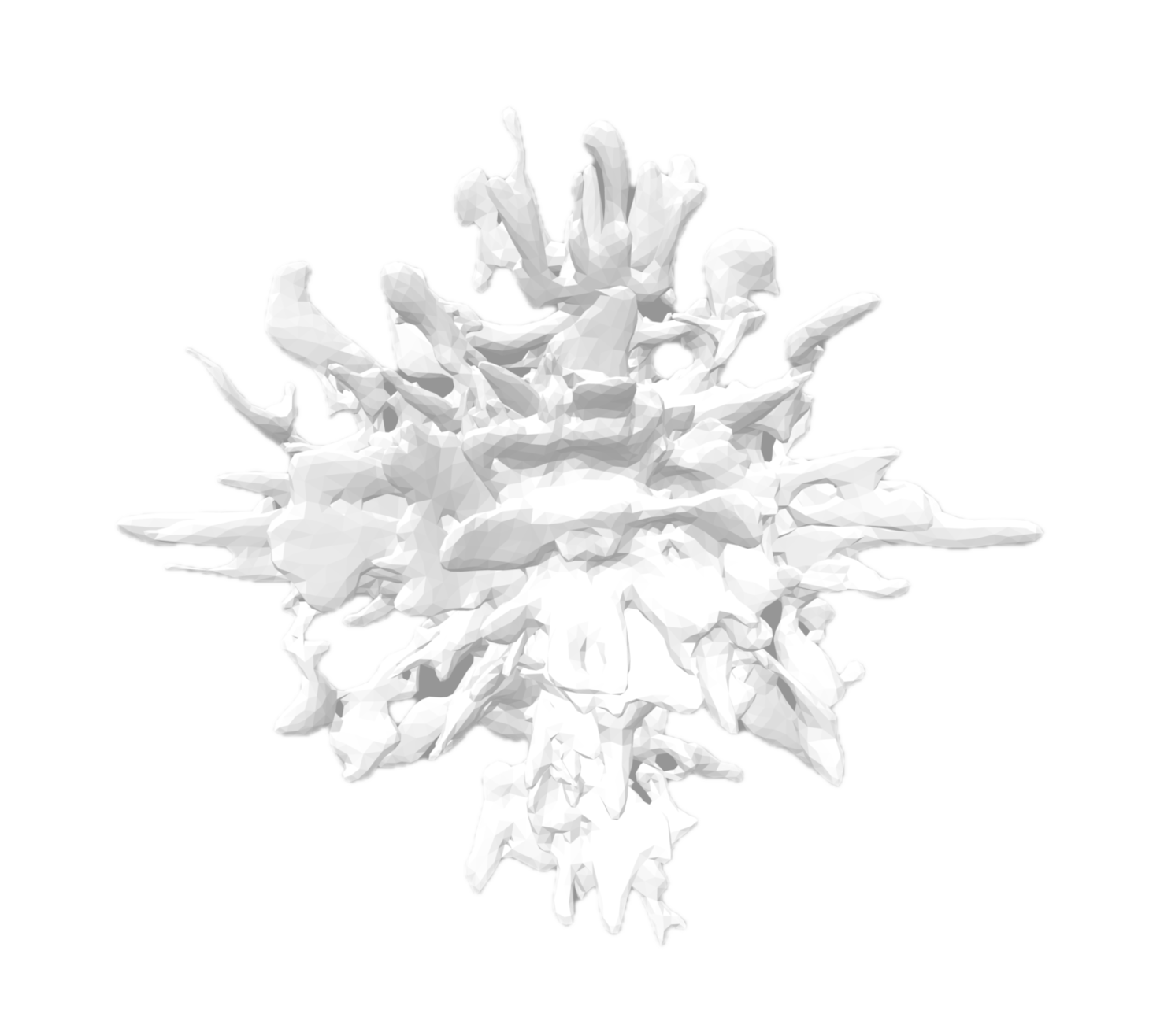
< Speculative 3D assets depicting imagined artefacts for a "quantum heroine." Part of Armstrong's methodology of parafictioning, these 3D assets were visualisations created in response to her engagement with and interpretations of the world quantum physics. Through these artefacts, Armstrong parafictions the GIRLHERO, a fantastical character that Armstrong's research embodies.

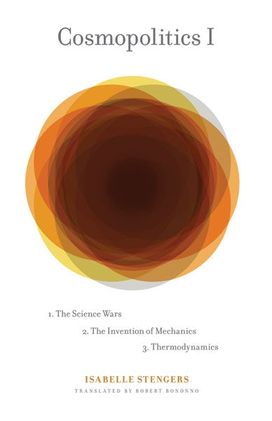
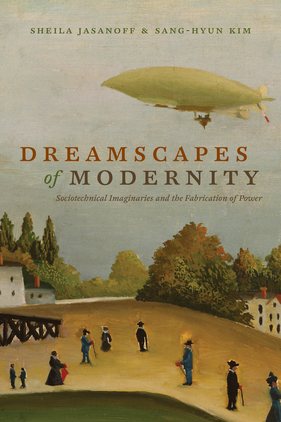
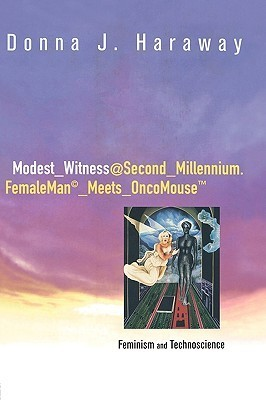

Sociotechnical imaginaries are “collectively held, institutionally stabilized, and publicly performed visions of desirable futures, animated by shared understandings of forms of social life and social order attainable through, and supportive of, advances in science and technology.” - Future Imperfect (2015) Jasanoff & Kim
Jasanoff and Kim's analytical concept of the sociotechnical imaginary refers to visions of the future moulded by technological trajectories. Via her engagement with researchers working in the field of Quantum Communications, Armstrong accesses the sociotechnical imaginaries in operation in CONNECT’s quantum-based research network. Using Jasanoff’s co-productionist model, the project is rooted in an understanding of the entangled and mutually constitutive ordering of scientific knowledge and social order.
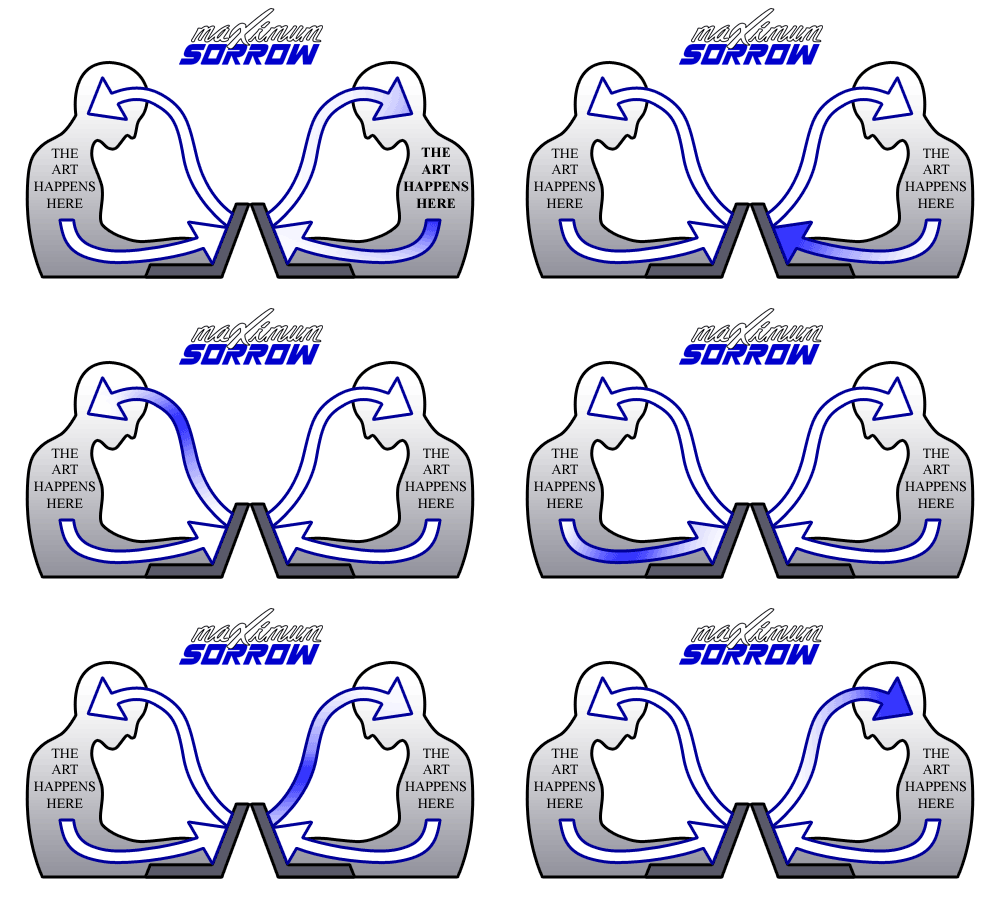
^ Gif depicting "computational poetics" process. The practice-based elements of Armstrong's PhD are co-produced in collaboration with technology and digital media processes. Image found here.

^ Sculptural work created by Armstrong for GIRLHERO (2025-) Installation at the Luan Gallery last year. The sculpture was created using found materials and e-waste and depicts a speculative tool, an imagined quantum sword or key of sorts, fit for a quantum heroine. Drawing on themes of the Western Hero's Journey and produce through the aeshetics of feminist world-building.
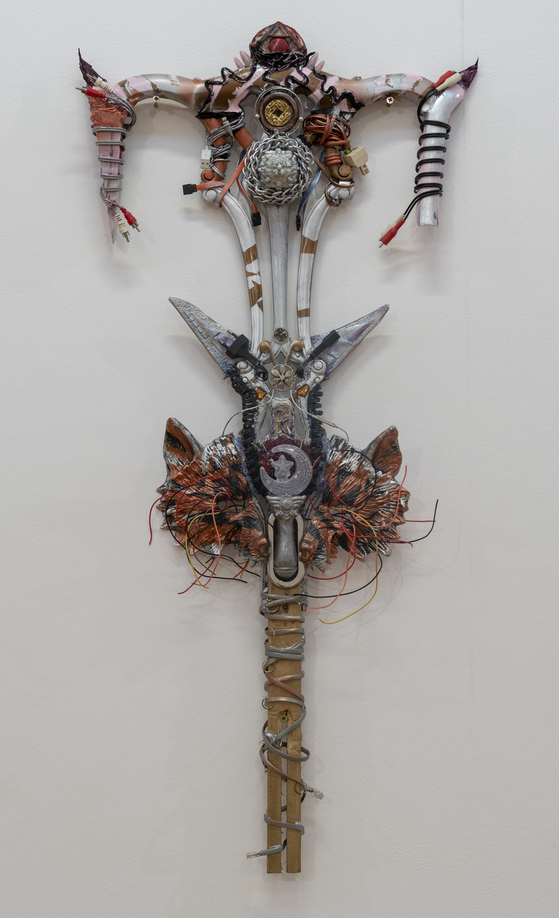
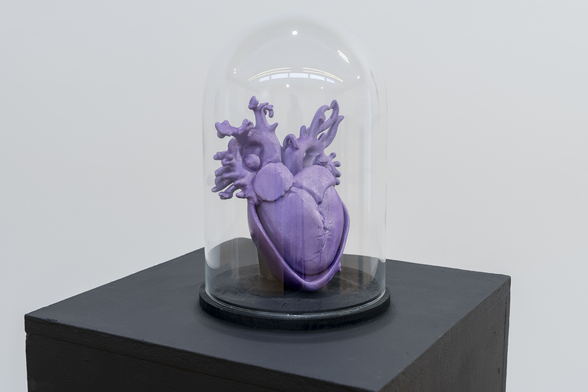
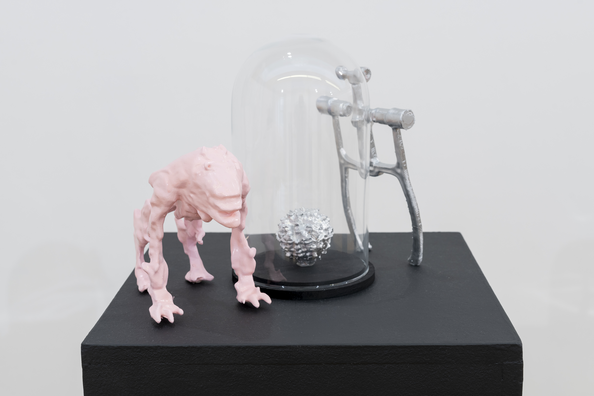
This collection of images, courtesy of photographer by Louis Haugh, show the installation of GIRLHERO (2025-) at the Luan Gallery, Athlone for SYSTEM ARMING, curated by Aoife Banks. GIRLHERO is an artwork that explores the themes of Armstrong’s PhD research through speculative storytelling and world building. The piece was commissioned by the Luan Gallery. GIRLHERO (2025-) presents a parafictional, cyborg-feminist protagonist’s set of tools, used to resist technofeudalist futures of technocratic invention. Drawing on the principles of quantum mechanics, the installation devises imaginaries borne out of the artist’s engagement with quantum communications researchers at CONNECT.
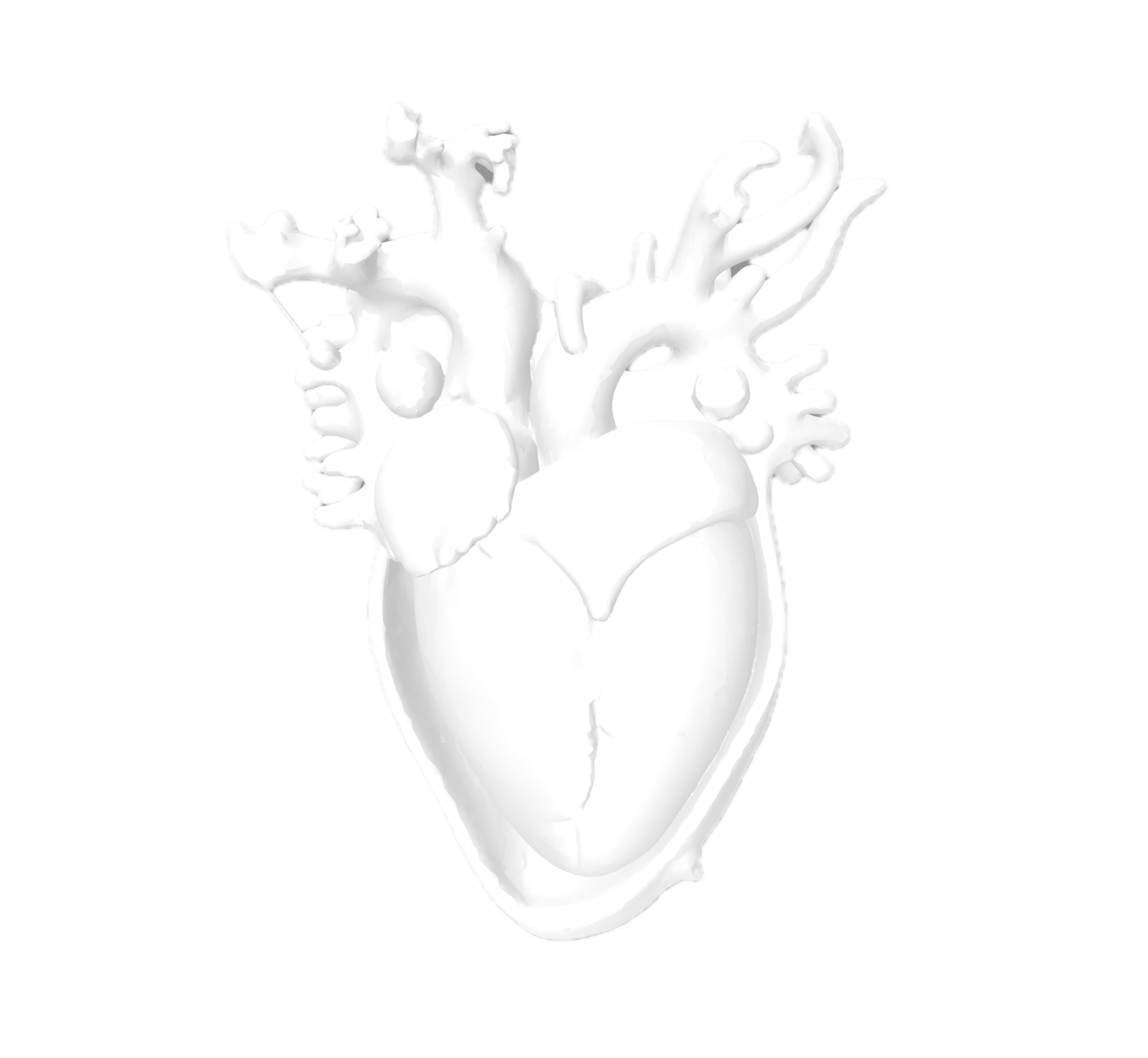
The GIRLHERO embodies quantum principles: her nonbinary existence is mirrored by the state of superposition, her struggle is a path through decoherence to reach clarity, she is sensitively entangled in the social context of her endeavour to find the quantum imaginary and most of all - she embraces uncertainty, recognising it as the only pathway towards the future. The future has an ancient heart, that beats in the chest of the GIRLHERO.

^ A storyboard image created by Armstrong using MidJourney on Discord to generate images/stills for a block-buster style film about Armstrong's fictionalised "GIRLHERO" figure living in an imagined data apocalpse.

In the parafictioning process, Armstrong creates sculptures that devise a fictionalised heroine navigating “the quantum imaginary.” Drawing on tropes from Western mythology, witchcraft and the fantasy and sci-fi genres, Armstrong creates speculative 3D artefacts that echo the quantum world. Currently using AI-enhanced processes, she remains critical of her modes of making. Engaging with LLMs to imagine feminist futures requires a repeated questioning of the ethical constraints of the means of production under platform capitalism’s technocracy. The aim is to devise modes of making that maintain an ethics-driven agency that can sufficiently challenges hegemonic forms of knowledge production.
The GIRLHERO (2025) artefacts act as phenomenological portals into Armstrong’s imaginaries around quantum. The objects conjure up a character that embodies the emancipatory potential with which to call into question technofeudal narratives of the 21st century. Here Armstrong harnesses literary, cinematic and video-game storytelling devices. She re-contextualises the “the hero’s journey” to enact agency within her viewers to shape more ethical futures for and with quantum technologies.
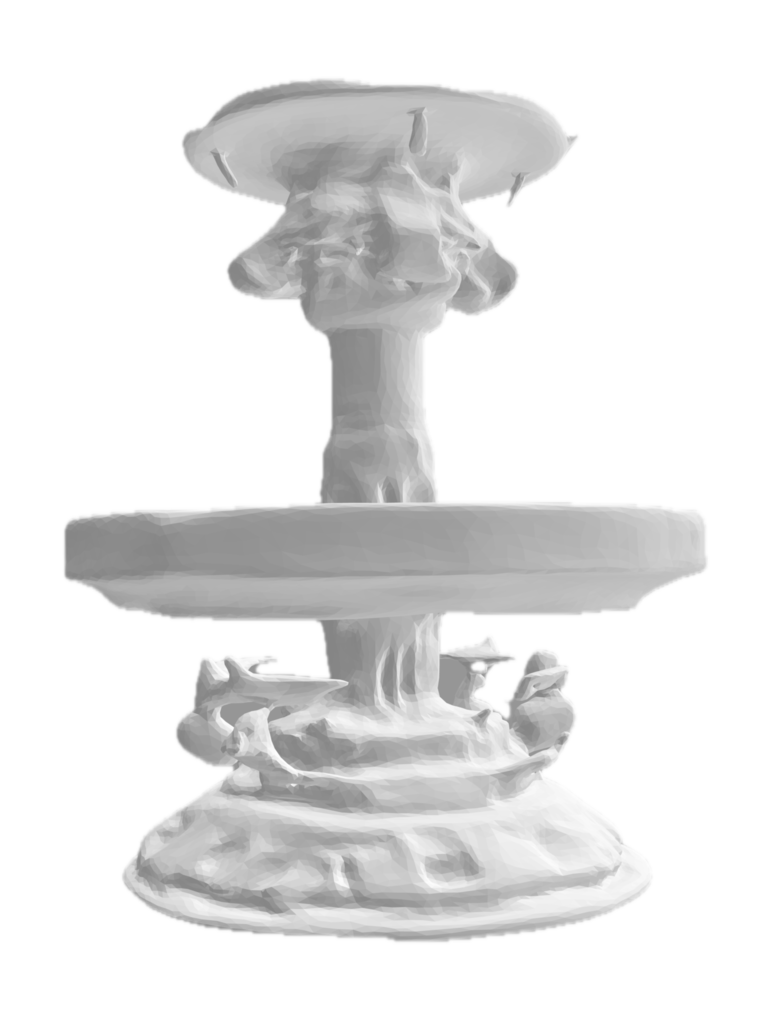
Drawing on quantum phenomena, Armstrong envisages quantum research’s established principles as modes with which to interrogate the constraints of science-based knowledge production. She is interested in how interpreting quantum principles as philosophical frameworks for “knowing” can enable researchers to reinstate othered forms of knowledge that typically exist outside the technoscientific paradigm; forms of knowledge that rely on instinct, intuition, belief and imagination.
The images above show a set of speculative 3D assets, produced by the artist-researcher, exploring ways to visually depict and/or interpret the core quantum postulates such as superposition and entanglement principles.
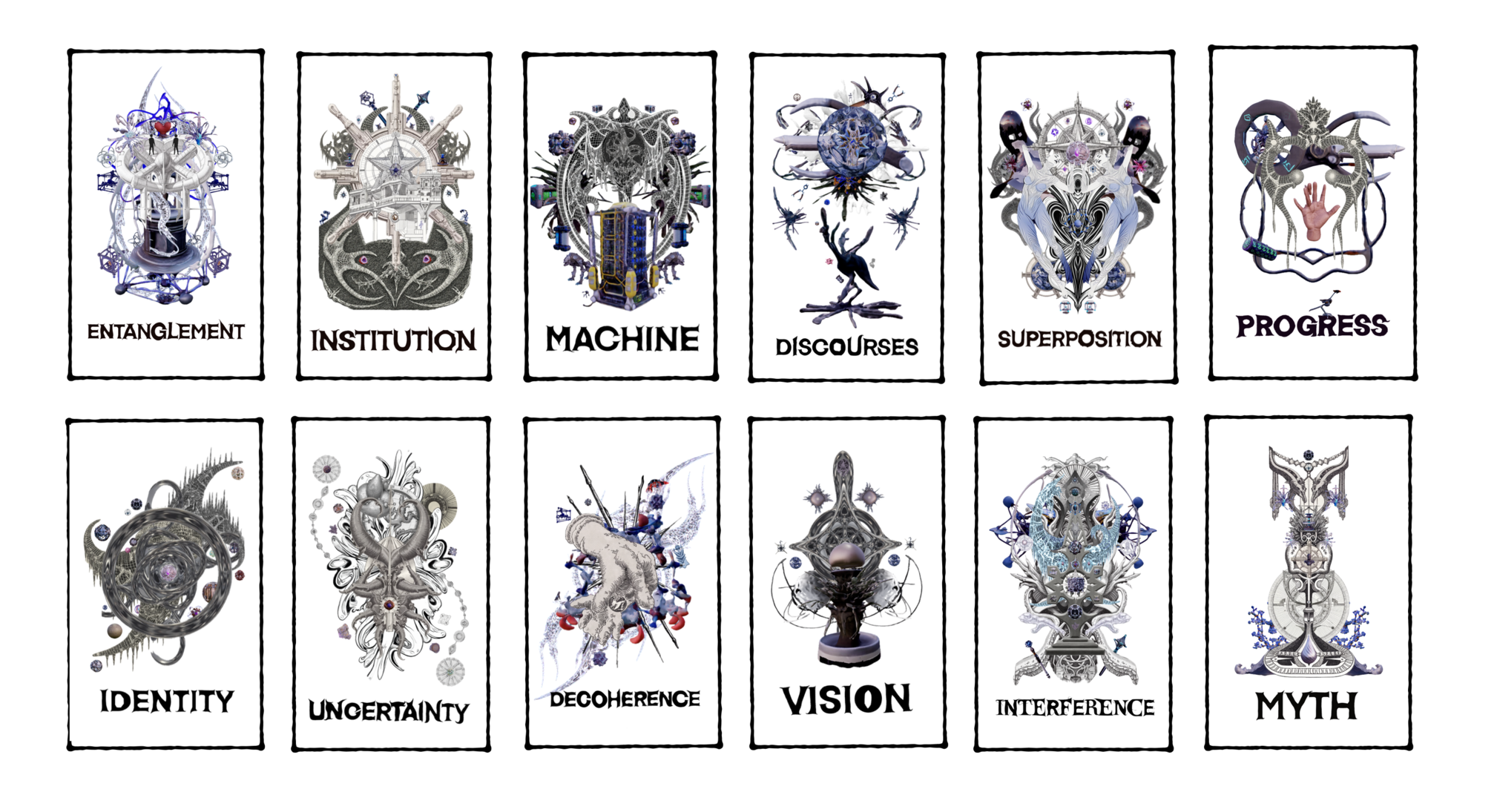
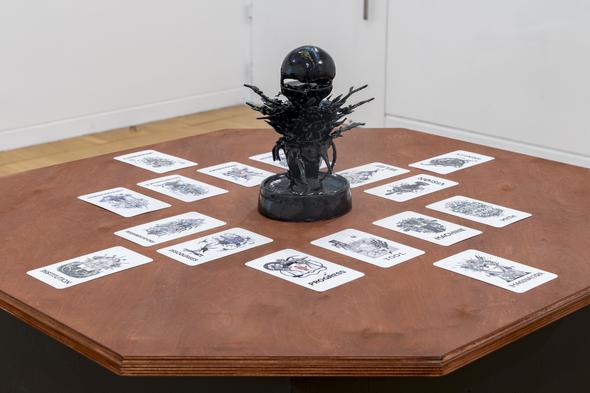
^ The quantum tarot, a research tool designed by the artist used in the interview process to capture core imaginaries at play in quantum-based research.
Through an interview process that draws upon technopaganism, a movement that binds esoteric practices to the digital means, Armstrong taps into her research subjects’ visions and sensibilities towards the world of quantum physics through practice-driven methodology. Initially drawn to the mechanism of Tarot due to its many mythologies - a collection of parafictional, contradictory origin stories - Armstrong went on to devise her own deck of 16 cards with four distinct suits: 1. the foundation quantum concepts, 2. the instruments of co-production, 3. social forces of technoscientific research and 4. the apparatus’ of technoscientific production.
A deck of cards, prior to their use, exist in a state of superposition of different possibilities. Since the quantum world is inherently probabilisitic, Armstrong wanted her mode of investigation to reflect these conditions, inviting chance into the interview process. When the subject of the interview is invited to intuitively pull their three cards however they wish, they become the observer of a collapsed quantum state. Harnessing the Tarot as a starting point for a methodology that captures the imaginaries of quantum-based researchers, Armstrong is actively injecting forms of esoteric knowledge into CONNECT’s network, which generates new forms of “knowing” that can, in turn shape future imaginaries for quantum technologies. Drawing on agential realism, Armstrong’s project takes the stance that “the practice of science is shaped by what is deemed to matter, at any given time” (Peacock, 2010). Being deliberate about what “matter” we choose to “make matter” is essential for building ethical futures. In Meeting the Universe Halfway, physicist Barad argues that quantum theory "is of central ontological, epistemological, and ethical relevance to social, political, and biological fields” (Harris, 2021, p.11).
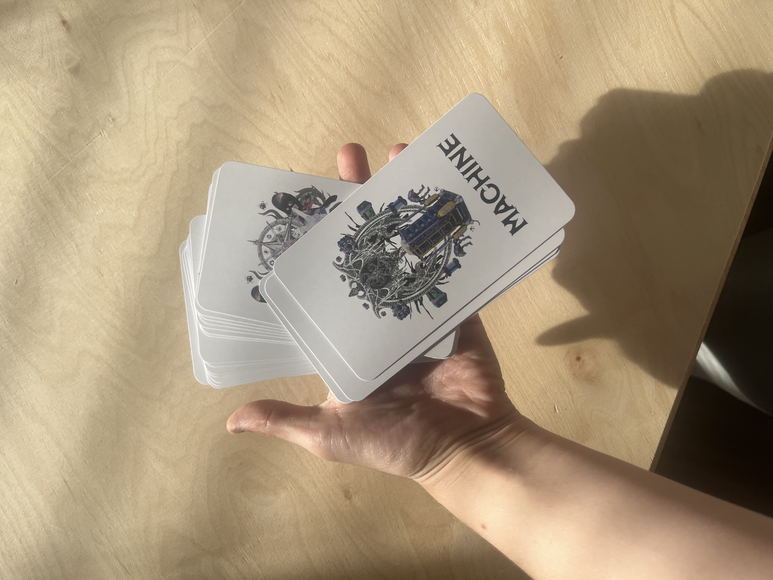
The process of Tarot or intuitive reading is a form of knowledge that typically exists outside of technoscientific institutions. The symbolism of the Tarot’s imagery has a universal quality; individuals can project their own imaginaries onto each card they draw. The selection of technoscientific terms that form the quantum tarot are intended to activate conversations between the artist- researcher and the interview subject that will reveal the imaginaries at play in quantum research.
The image above shows the research tool of the cards, printed in the traditional Tarot format.

- Parafictioning is a methodology that plays with the binaries of the imaginary and the real, placing them in a symbiotic exchange.
- Under parafictioning, dualities of science/religion, fact/fiction, social/political, male/female, and determinism/probabilism are heteropolar modes to occupy and contest.
- It is a research mode that enables us to think and “observe” in ways that dissolve presupposed classical binaries
- It is “the ground zero of imagination where ideas and values can be extracted anew from the infinite virtuality of the possible” - Otherworlds: Mediterranean Lessons on Escaping History (2025) Federico Campagna


The aims of this project are to
- consider the forms of knowledge which operate within the technoscientific research ecosystems of CONNECT, specifically in the field of quantum communications
- to observe the systemic, institutionalised discourses that surround knowledge-formation processes at CONNECT
- to capture some of the dominant logics and imaginaries around the possibility of a quantum future, that circulate in CONNECT’s institutional ideologies and epistemologies
- to highlight that the imaginary is, as Jasanoff claims, “a crucial reservoir of power and action” (2015) and to demonstrate that “epistemological categories are inextricably tied to moral and ethical ones” (Wall and Zryd, 2001).
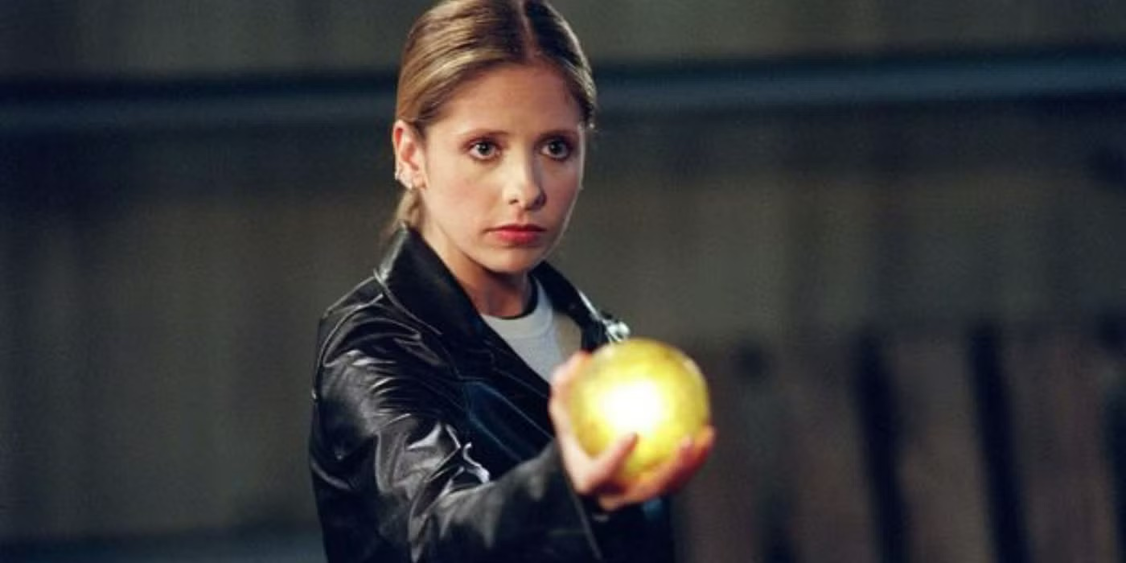
^ Buffy the Vampire Slayer is a character who has become an inspiration point and literary device for Armstrong to think through her role as artist-researcher in CONNECT. Buffy has been analysed by contemporary theorists for it's depictions of postmodern feminism. To cite the iconic quote: "I'm Buffy, You're History."
Both Alice in Wonderland and Buffy the Vampire Slayer are literary references Armstrong uses within her literature review to relate to her own autoethnographic position. She begins as Alice, bewildered by Wonderland (a metaphor, in this case, for the quantum world) and emerges as Buffy - the one who both "knows" and "is" - actively engaging with agential realism as practice and as an ethico-onto-epistemological framework for this research.
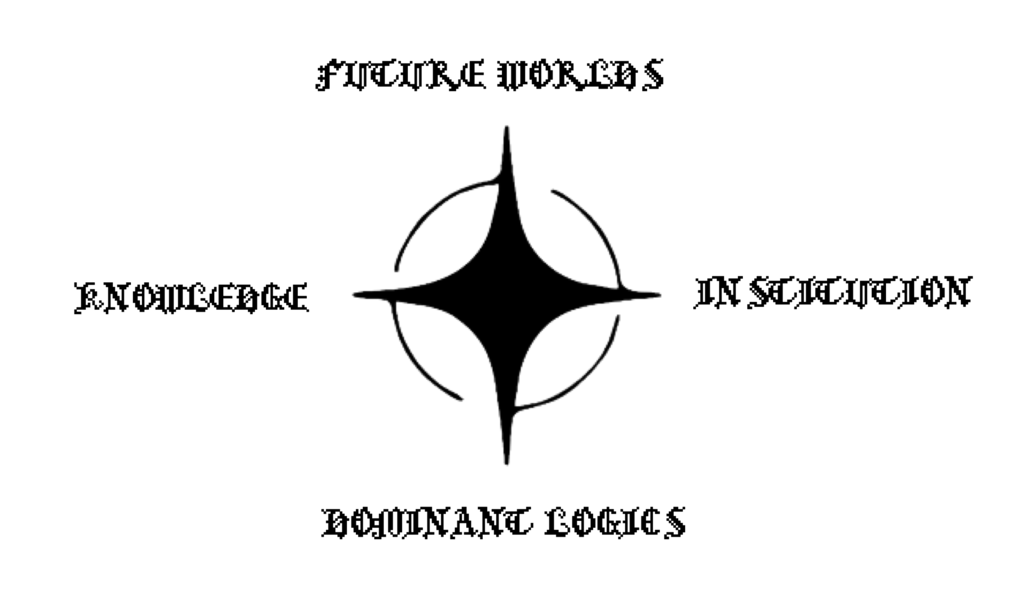
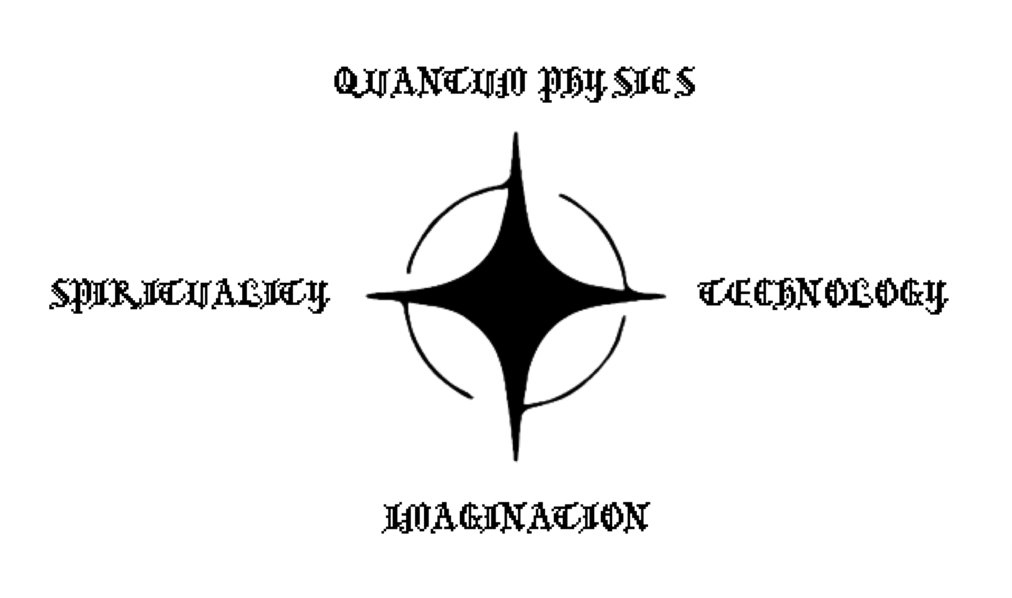
^ Two research diagrams looking at the projects key relevant themes and how they relate/oppose one another. Using a compass shape as the diagram format, the image shows the binary split between seemingly opposing forces, that when analysed behave in similar systemic ways through epistemological frameworks of technoscientific production.
References in the Research Exposition text:
(in order of appearance)
- Latour, B. (1987) Science in action: how to follow scientists and engineers through society. Cambridge, MA: Harvard University Press.
- Peacock, V. (2010) ‘Karen Barad, Meeting the Universe Halfway: Quantum Physics and the Entanglement of Matter and Meaning, London: Duke University Press, 2007’, Opticon1826, 8 (Spring).
- Harris, D. (2021) Karen Barad’s Feminist Materialism: Intra-action and Diffraction. Cambridge Scholars Publishing.
- Campagna, F. (2025) Otherworlds: Mediterranean lessons on escaping history. London: Bloomsbury Publishing PLC.
- Dreamscapes of Modernity (2015) Sheila Jasanoff & San-Hyun Kim
- Vampire Dialectics: Knowledge, Institutions and Labour (2001) Brian Wall & Michael Zryd In: Kaveney, Roz, ed. Reading the Vampire Slayer: An Unofficial Critical Companion to Buffy and Angel p. 53-77.