This artistic practice-based research project traces possibilities for aesthetic inquiry through the internal martial art of taijiquan. Without separating theory and practice, taijiquan is a dao — or a way — of attending to continuity, contradiction, and change. This inquiry is a practice of reorienting self as a relational configuring of opposite forces.
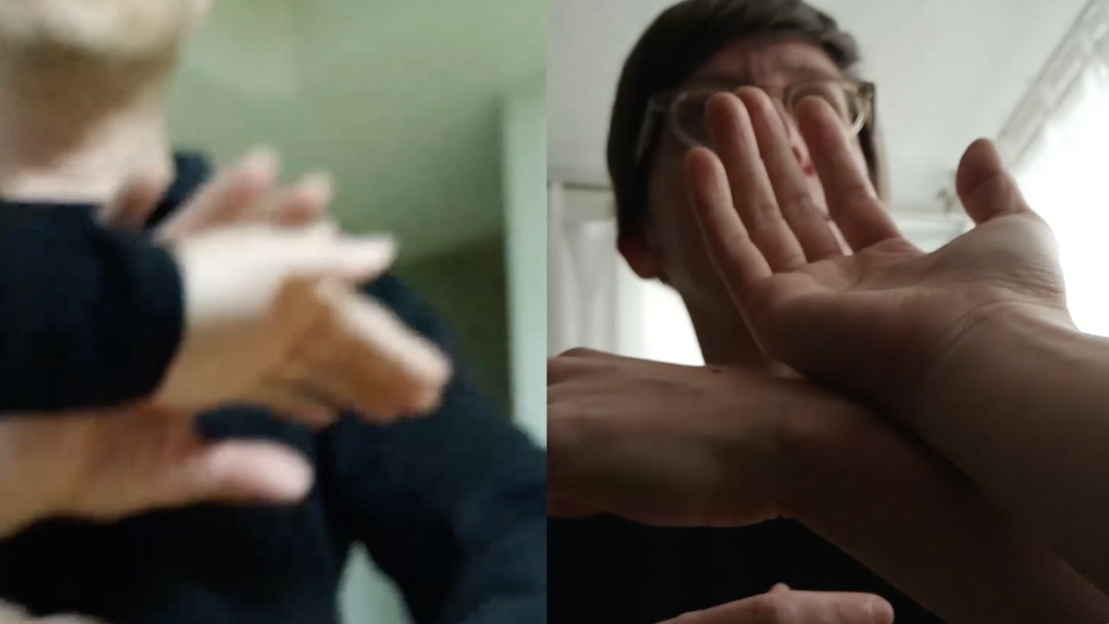
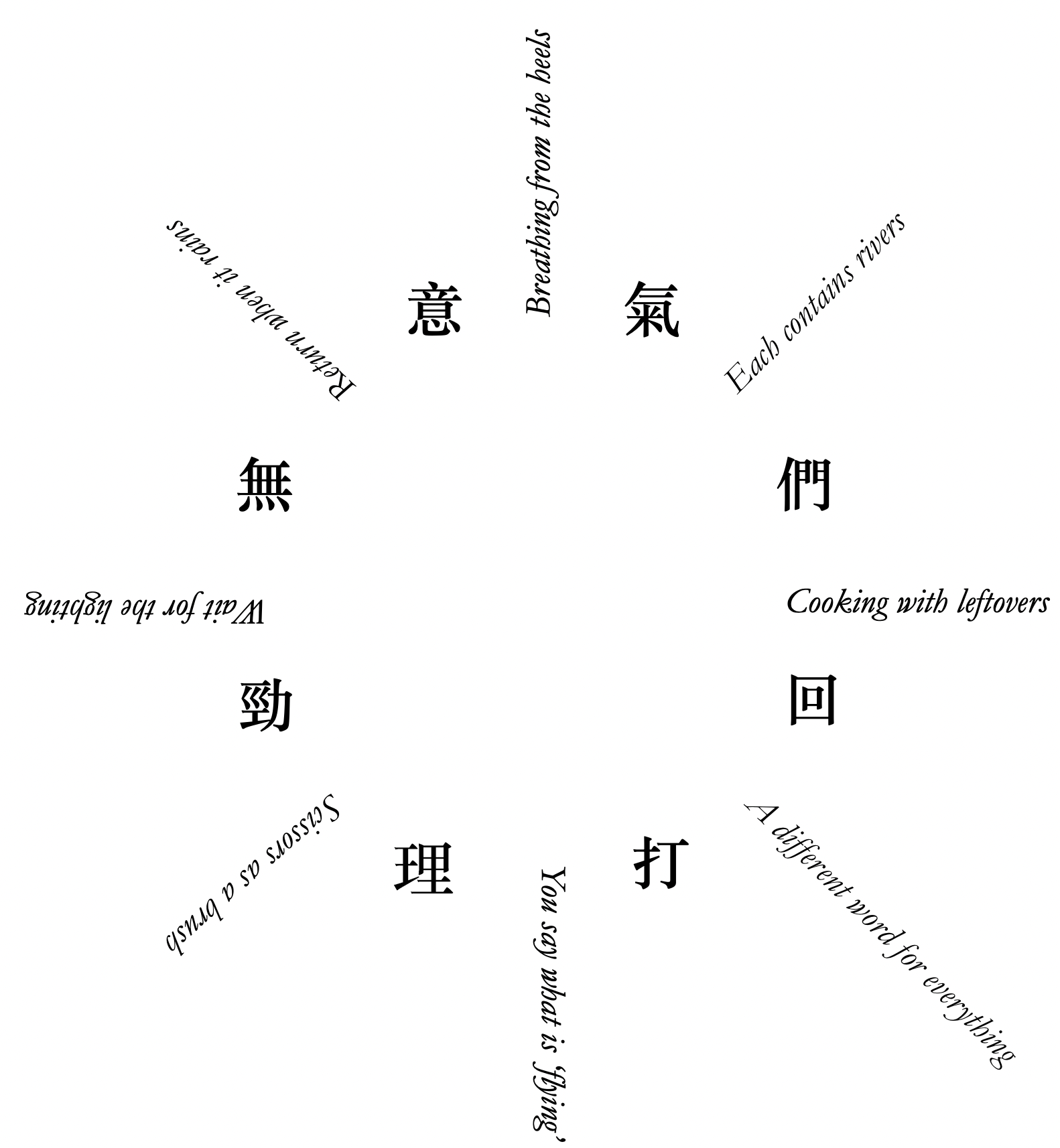
Grounded in martial arts practice, 'thinking through breathing' transposes embodied knowledge and cosmological principles towards a vocabulary of aesthetic inquiry, focusing on strategies of resistance through yielding; oblique positionality; listening in the shadow register; relating through mutual resonance; and responding from a moving, empty centre.
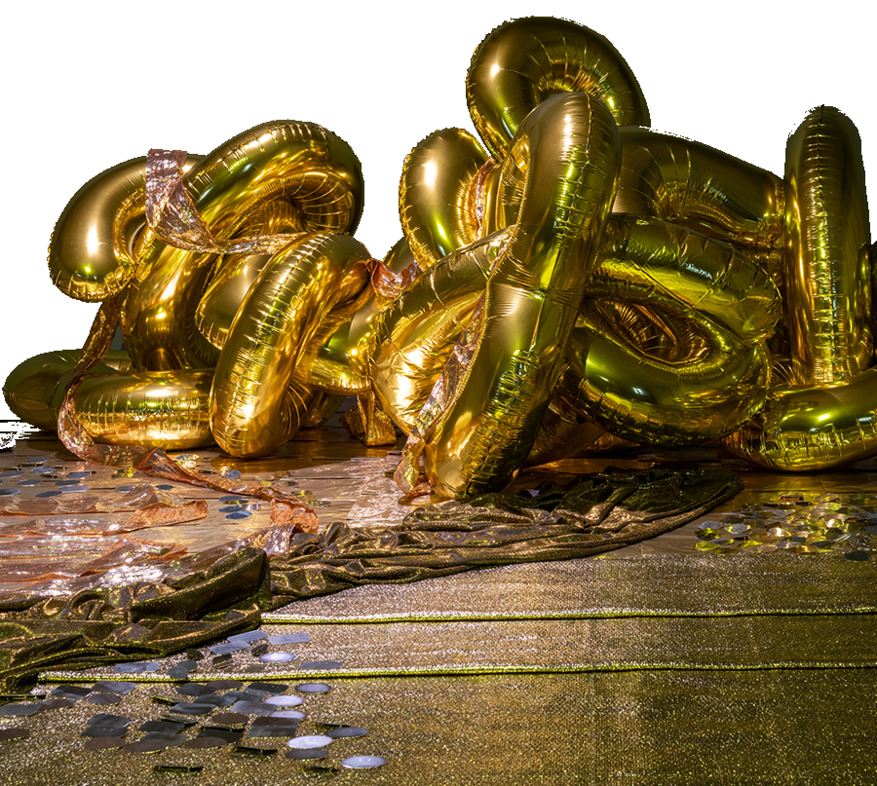
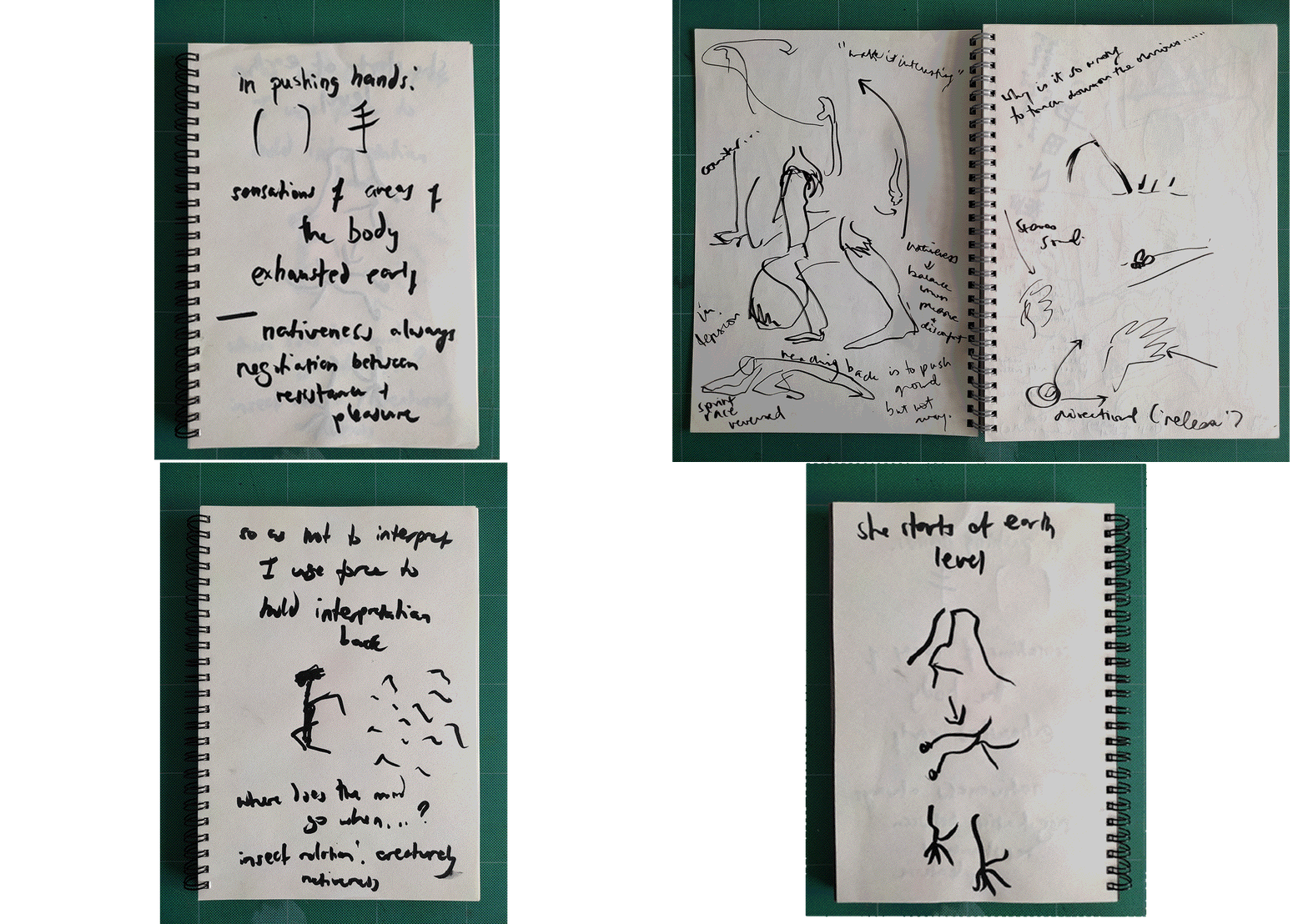
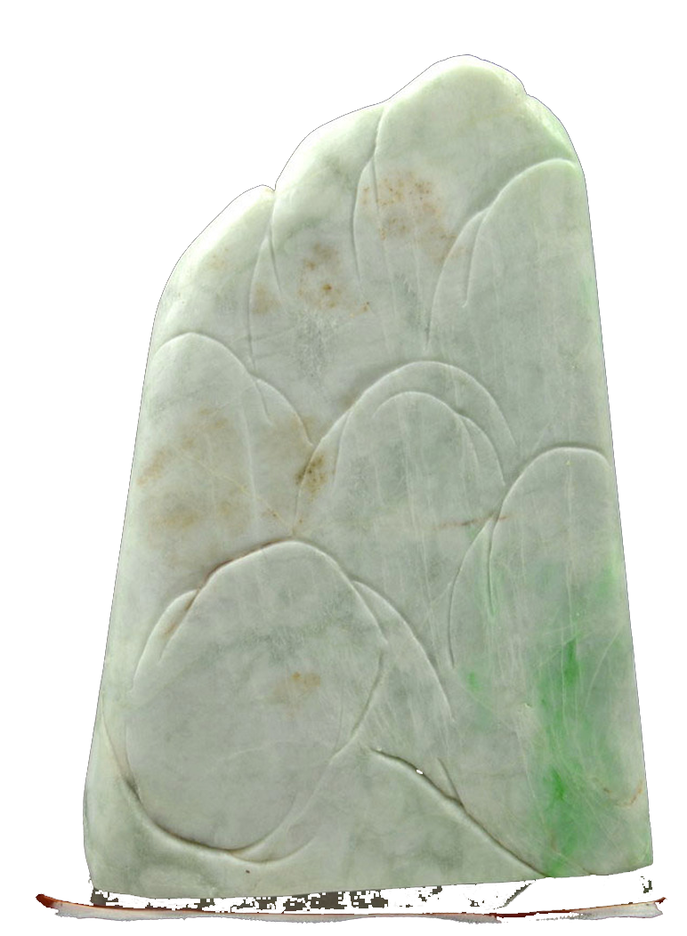
Through studying and practising in various solo and collaborative configurations, the research comprises a constellation of spatial, filmic, sonic, haptic, and discursive forms. I situate my inquiry within lived experience: my own and those of family, friends, teachers, and collaborators. In particular, the inquiry attends to the potency of Chinese diasporic cultural production and ways of navigating difference; between incongruous onto-epistemologies.
Entwined with the artistic projects in this overview, this study also comprises a body of writing - entitled How the line curves - that reflects on the tacit and immanent processes guiding the research. This transdisciplinary constellation of inquiry responds to traditions of grounded thinking that situate cosmic and moral relations within practical, embodied knowledge.
In 2025, the eight chapters of How the line curves were opened up as a multi-fold exhibition and study program, in dialogue with collaborators and communities at Casco Art Institute: Working for the Commons, in Utrecht (NL).
More on this expanded project can be found here.
Serena Lee
Vienna, 2026