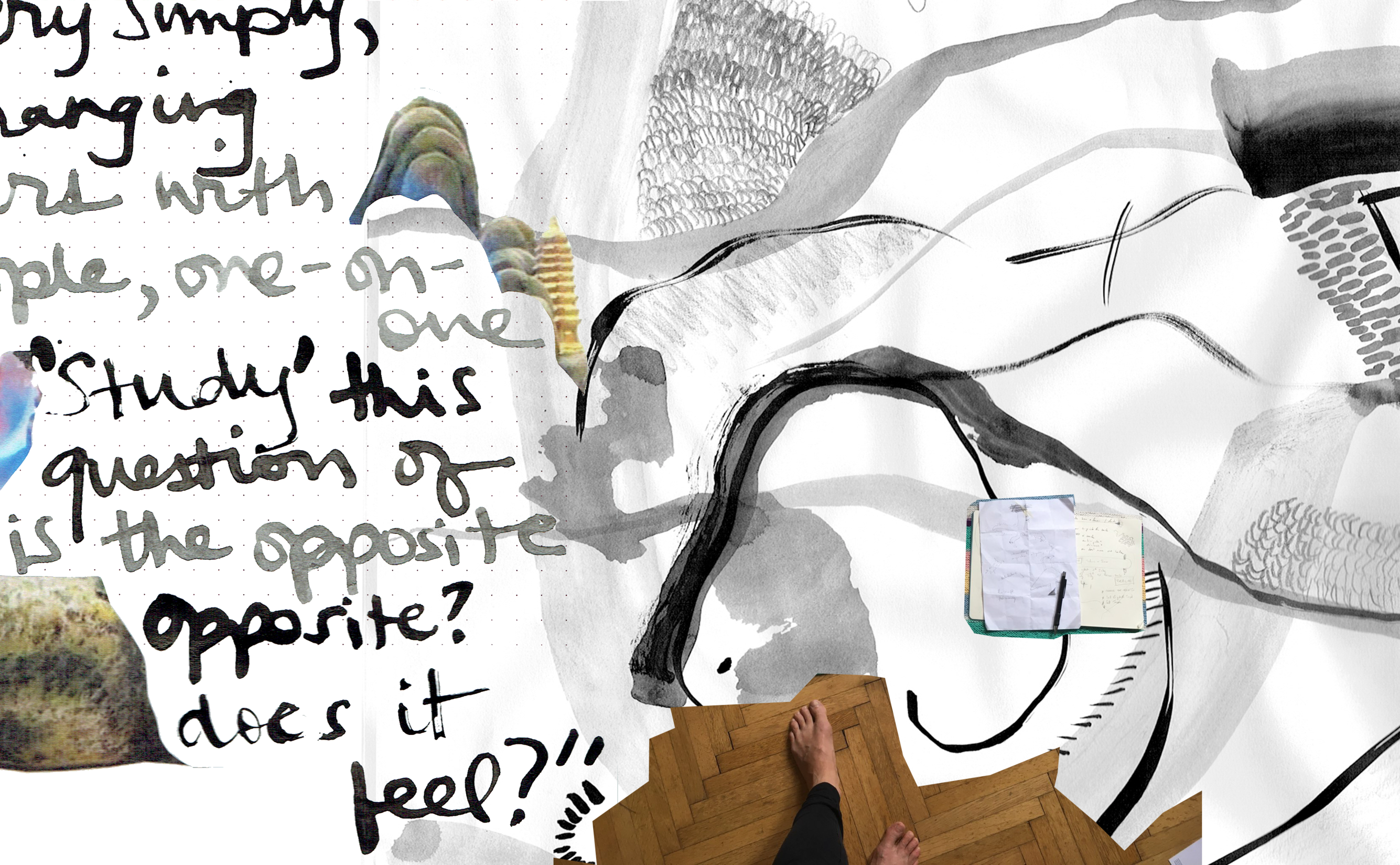
In dialogue with curator Toleen Touq, Opposite Day was developed through a research residency with the South Asian Visual Art Centre in Toronto; Missed Connections is a platform initiated by SAVAC to support the development of situated and syncretic artistic practice.
In an interview between myself and Toleen Touq, we discuss processes of embodied study and questions of intuiting methodologies that are particular to the relation, place and time.
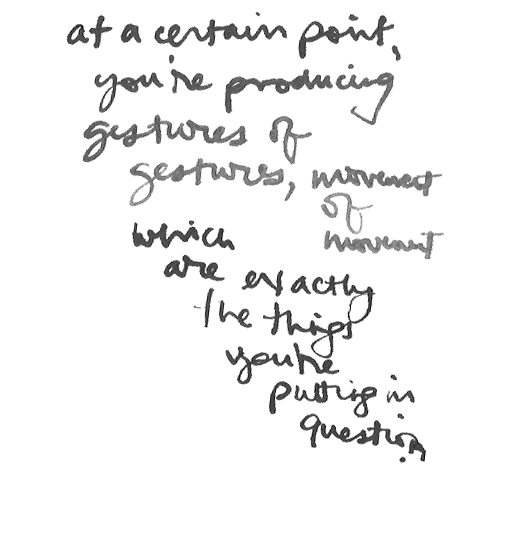
Opposite Day is a framework for collective embodied study that plays with notions of contradiction, separation, and dissonance. This conversation-based project winks at language and its limits through embodied study.
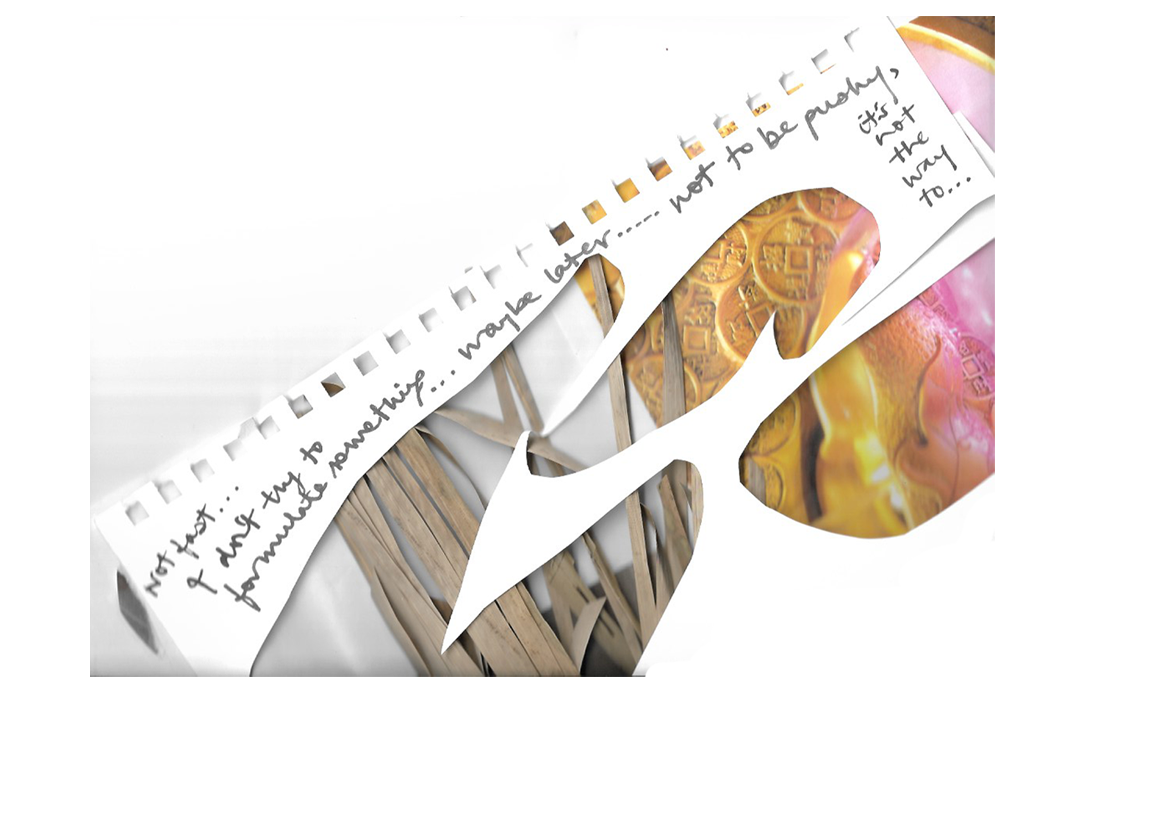
Opposite Day began with reading daoist classic texts known as Zhuangzi and Daode Jing, which circle around the paradox: the way that can be named is not the way.
The project’s conversation-based form emerged from my desire to discuss and situate this contradiction: to extend this as a question of how to study with and without words, in the company of others who work with language in oblique ways.
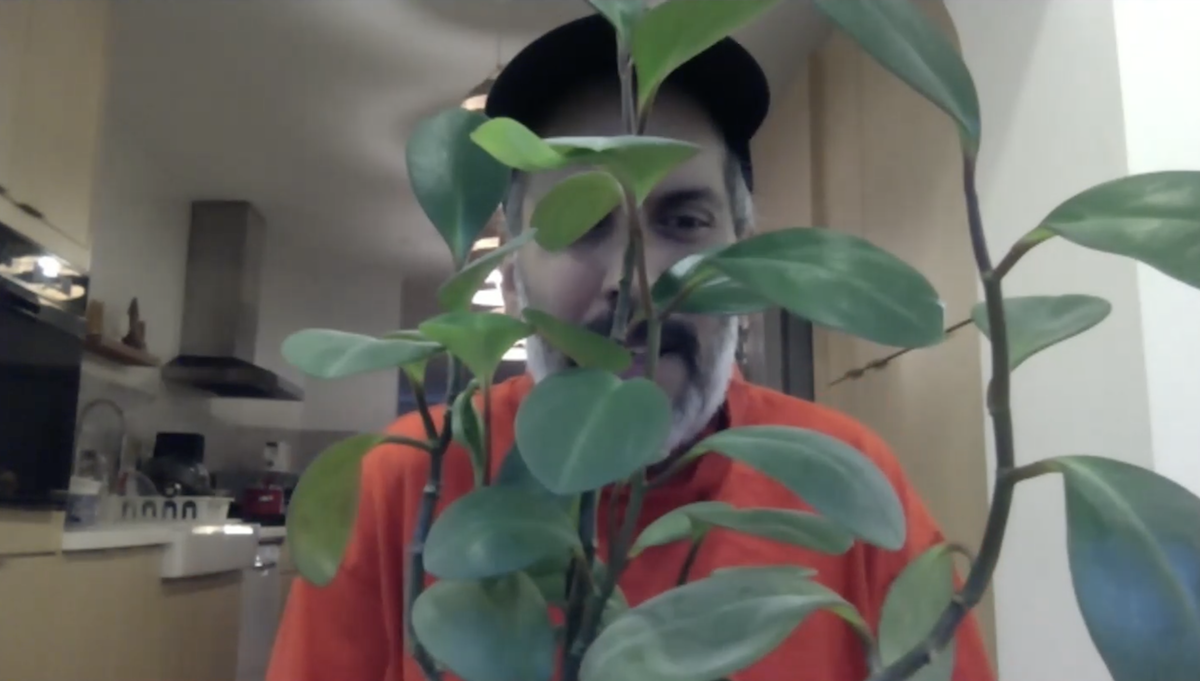
Between 2020 and 2021, Opposite Day played out as a series of one-on-one encounters with seven study partners, each with their own creative practice and distinct approach to embodied study, some of whom were former collaborators, and some of whom I’d recently met.
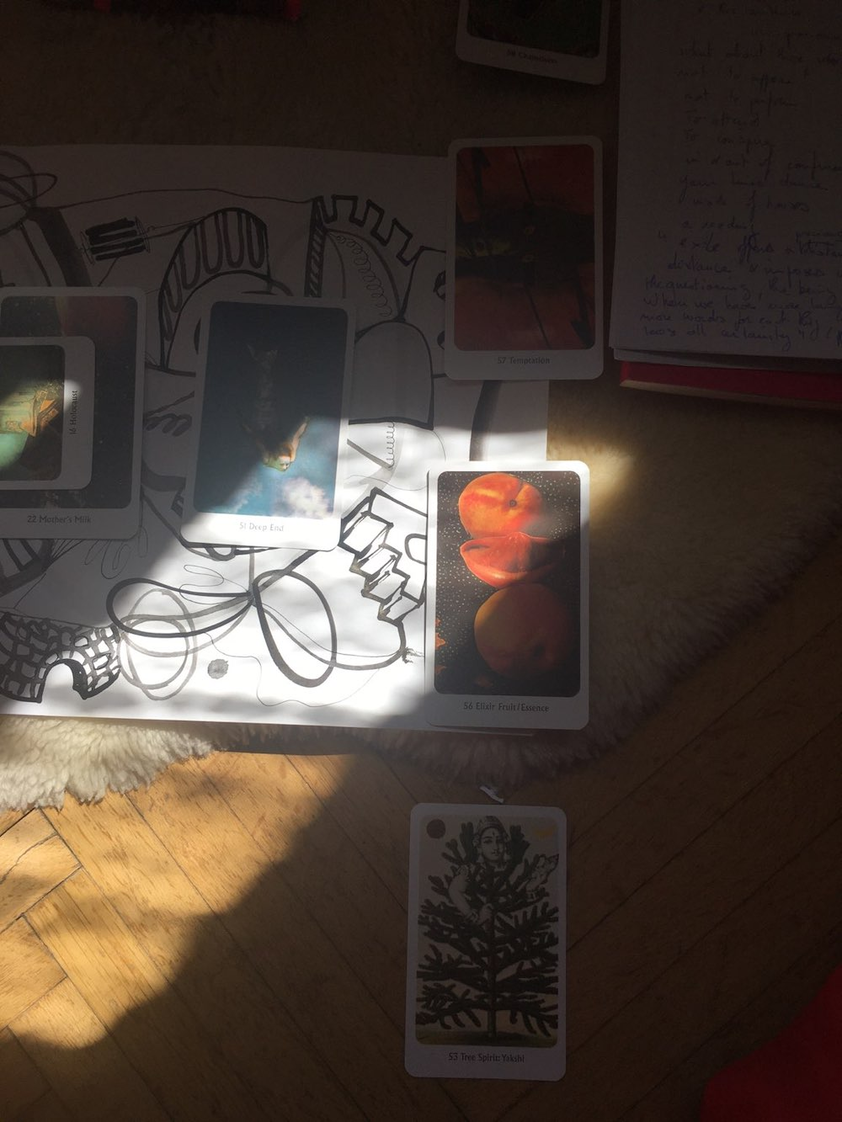
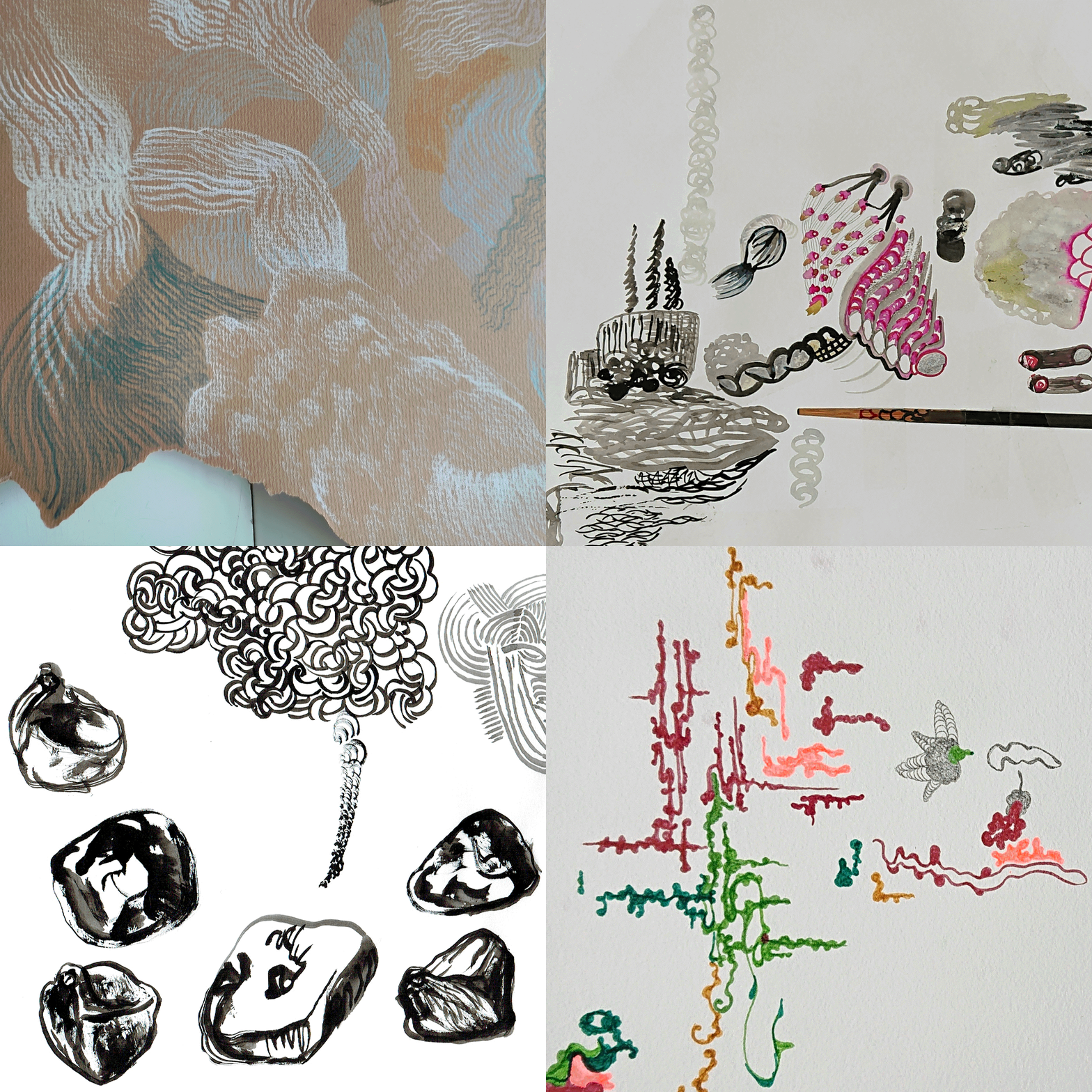
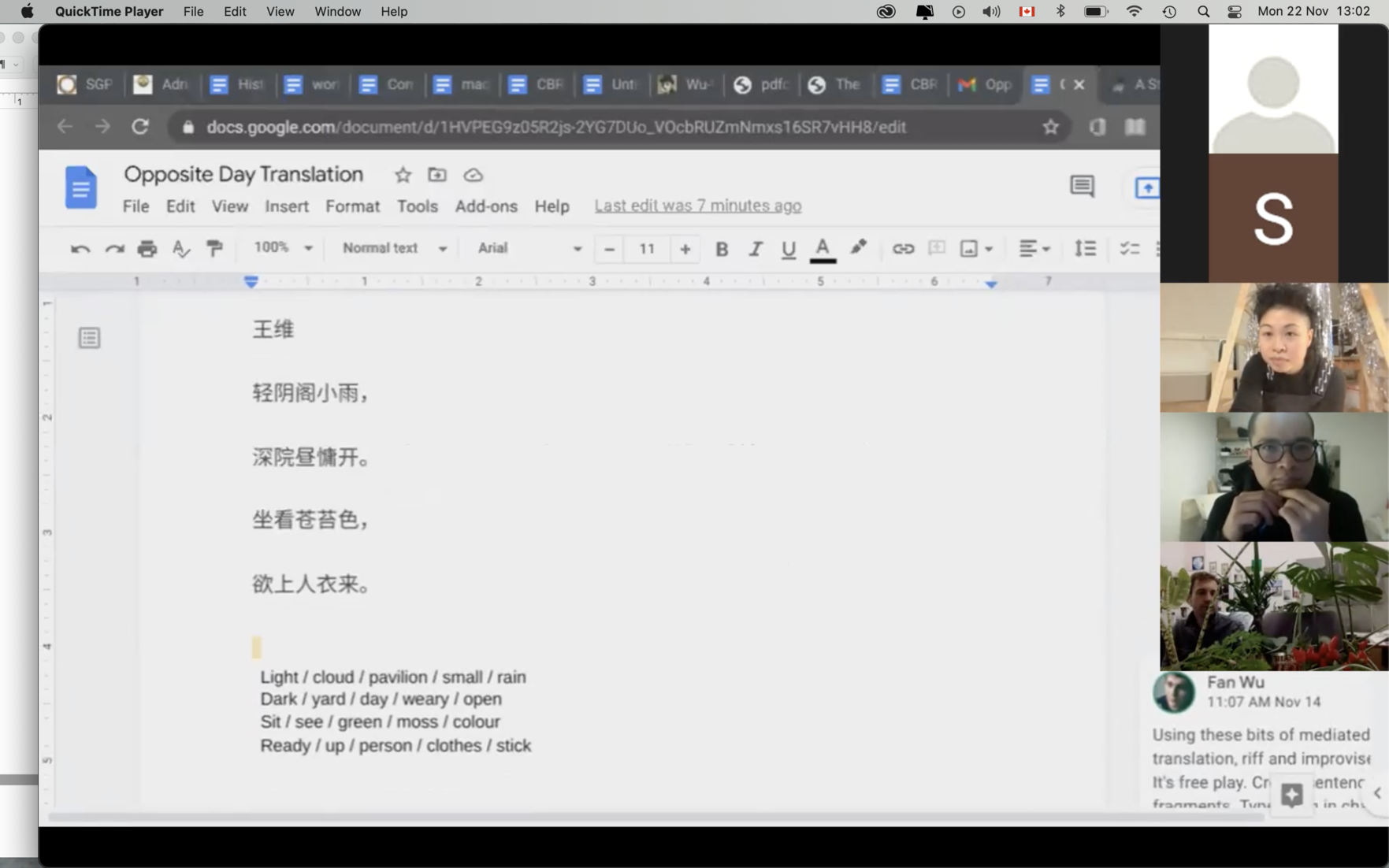
Our encounters played out as conversations from afar or in person, while walking in the park, reiki sessions, qigong, experimental translation of Tang dynasty poems, improvised writing sessions and song composition, role-playing a spy fiction while visiting museums, drawing, visualization and somatic meditations following Buddhist practices.
The study partners are:
Alix Eynaudi
Fan Wu
Giles Bailey
Leonardiansyah Allenda
Ruthia Jenrbekova
Sameer Farooq
Sanne Oorthuizen
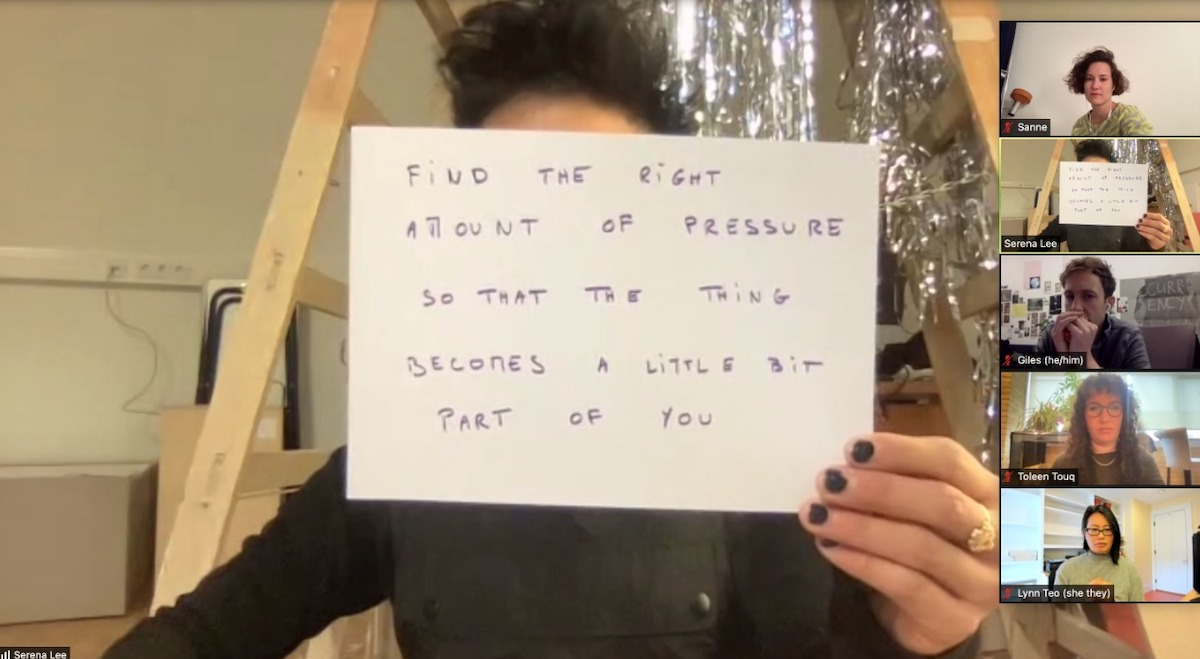
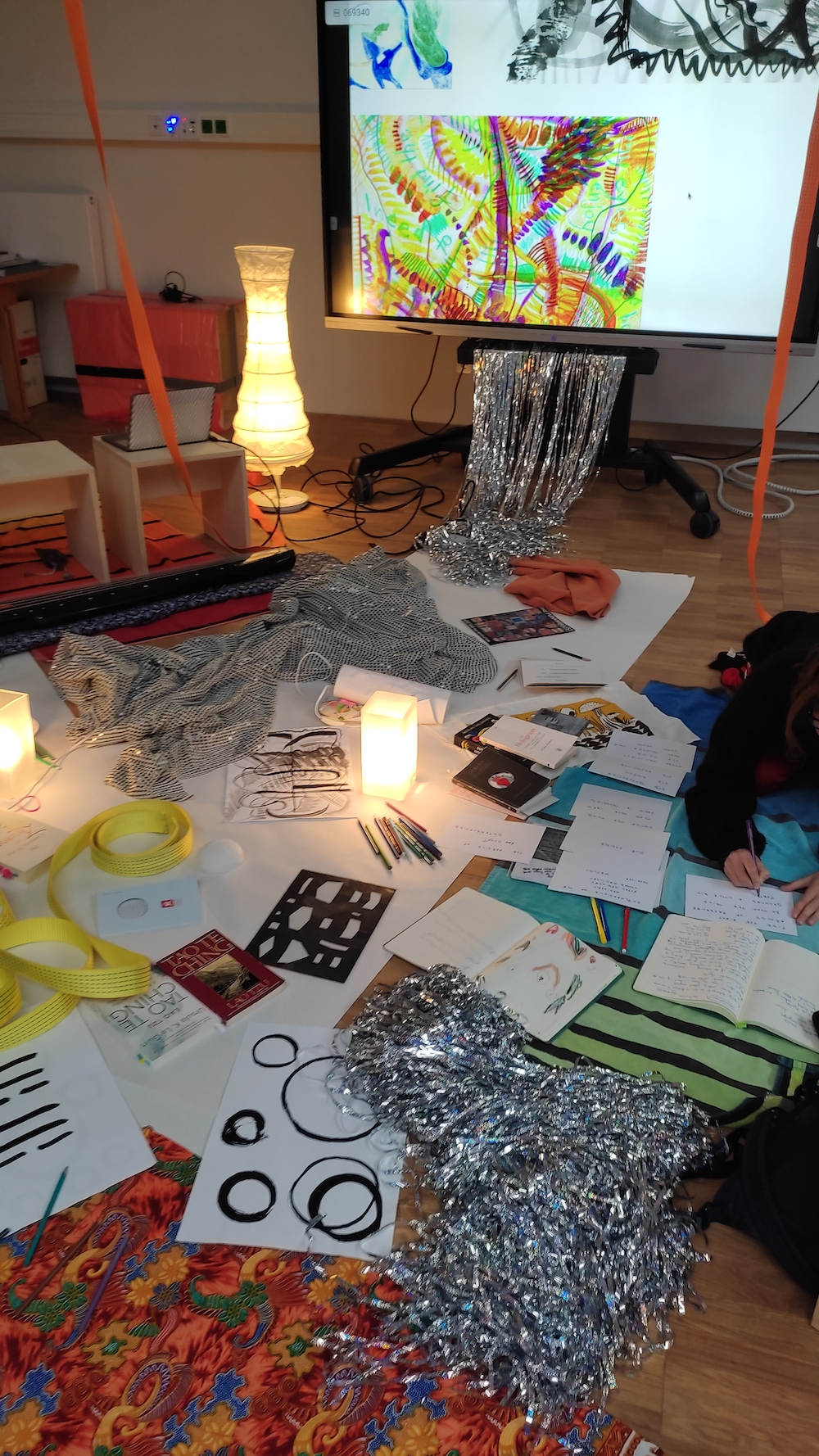
The Opposite of an Opposite was a public gathering that we convened in November 2021. This gathering brought the study partners together for the first time, in a hybrid online and in-person conversation between Toronto, Vienna, Amsterdam, and London.
The gathering integrated a talk by complementary medicine practitioner, Lynn Teo, who gave insights on yinyang as the operational logic of opposites, within healing practices such as acupuncture and shiatsu.
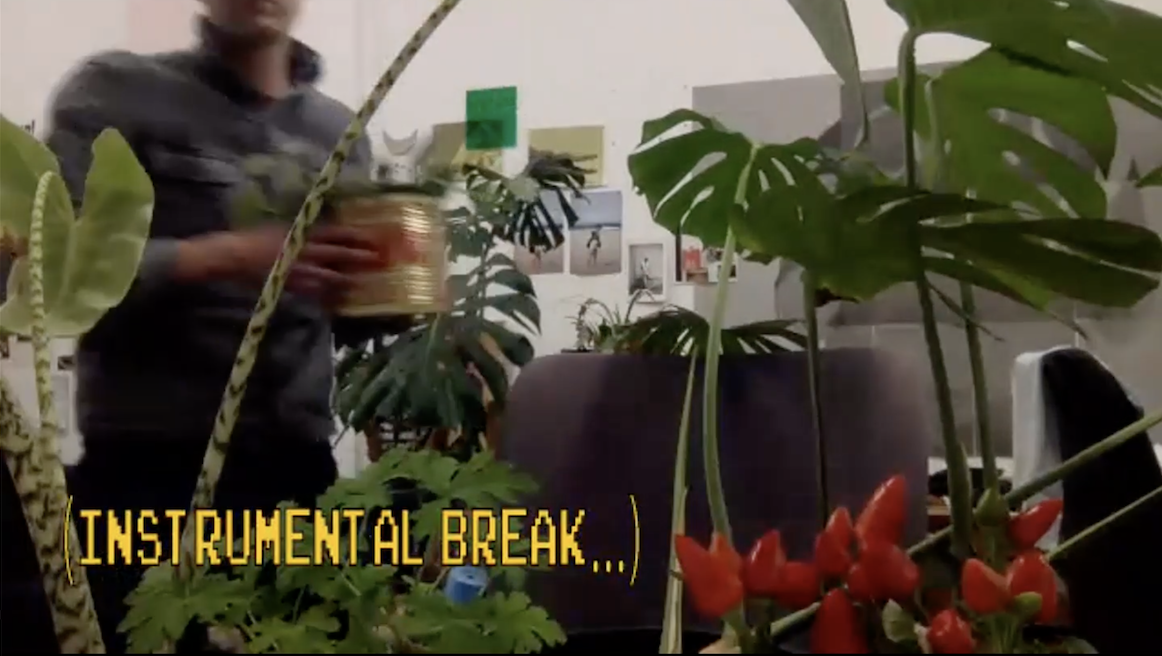
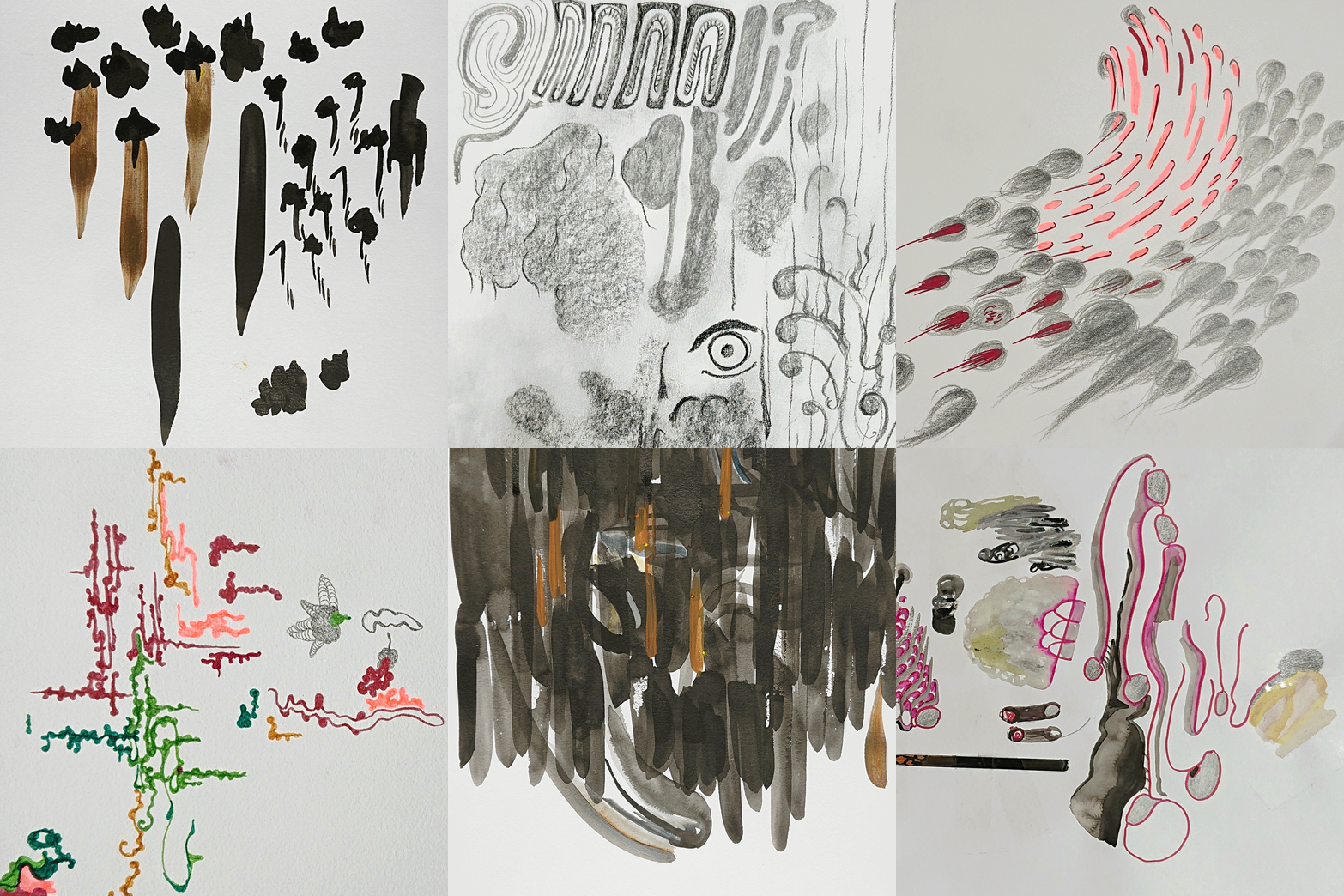
For The Opposite of an Opposite, each study partner shared a response to the constellation of study traces — drawings, writings, stories, questions — in the form of a gesture or reflection. These gestures were distillations of our various forms of collaborative study and included somatic exercises, a sing-along, counter testimony, frenzied live translation, a library, a movement sequence, and a guided meditation with plants.