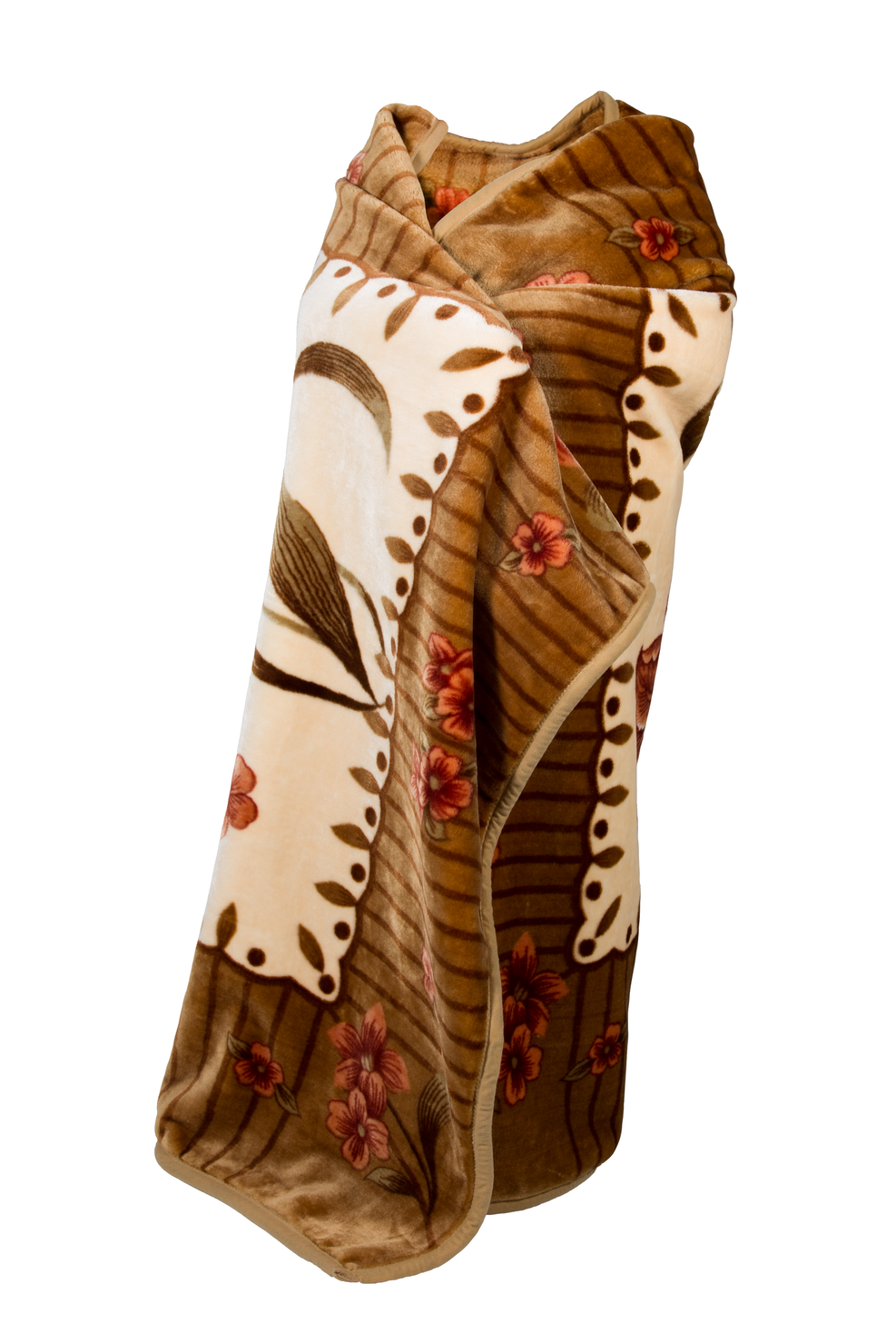
At the center of my research stands the “migrant blanket”—a symbolic yet tangible artifact that binds together a community of newcomers regardless of their country of origin.
The source of my inspiration was a kind of joke that I shared with friends who had also emigrated. Its essence is that each of us was given a “migrant plaid” for the journey.
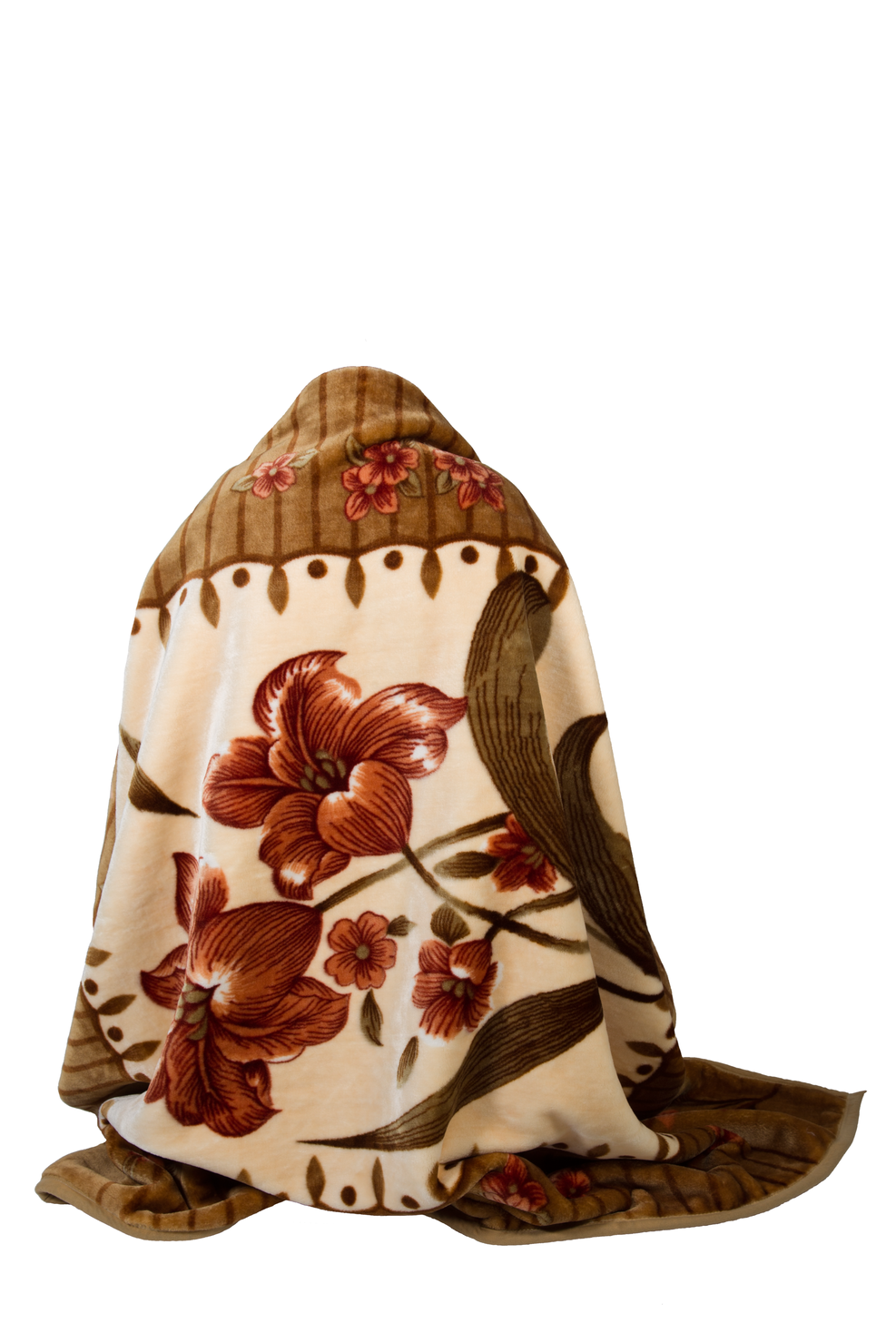
Beyond the fabric itself, its visual aesthetics are of great importance to me—its material, patterns, and textures. Equally significant are the folds of the cloth, which suggest the presence of a human body within. The waves and drapes of the fabric elevate the figure beneath, imbuing it with mystique and layering it with new meanings.
I intended to depict a waiting person, someone with whom viewers could bridge the distance and, in some way, identify. The cocoon-like form, with only a hint of the human presence, carries a hidden beauty that human life unconsciously imbues into it. The series consists of large-format stickers depicting the human figure in various, mostly static poses—where only the fabric is visible, and the person within is only faintly suggested.
The development of the visual aspect of the project emerged from several ideas and reflections. Without fully realizing it, I returned the plaid to its original function: a large piece of fabric, reminiscent of a blanket, wrapped around the body, providing warmth while simultaneously conveying information about the person within.
I was drawn to the idea of removing a specific individual from the representation of the migrant. The plaid envelops the entire figure, with heavy folds of material concealing subtle movements, removing the face as a primary focal point.
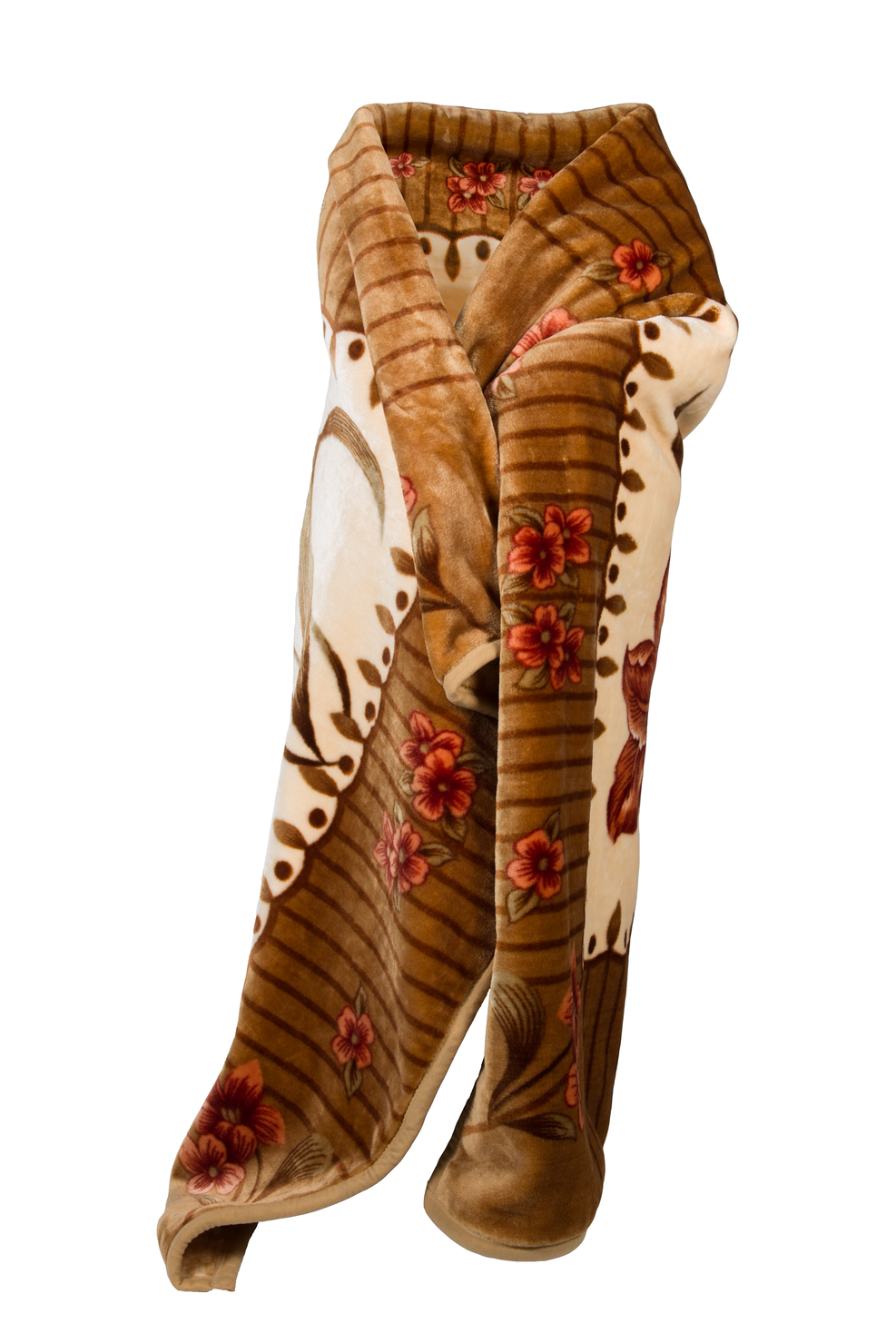
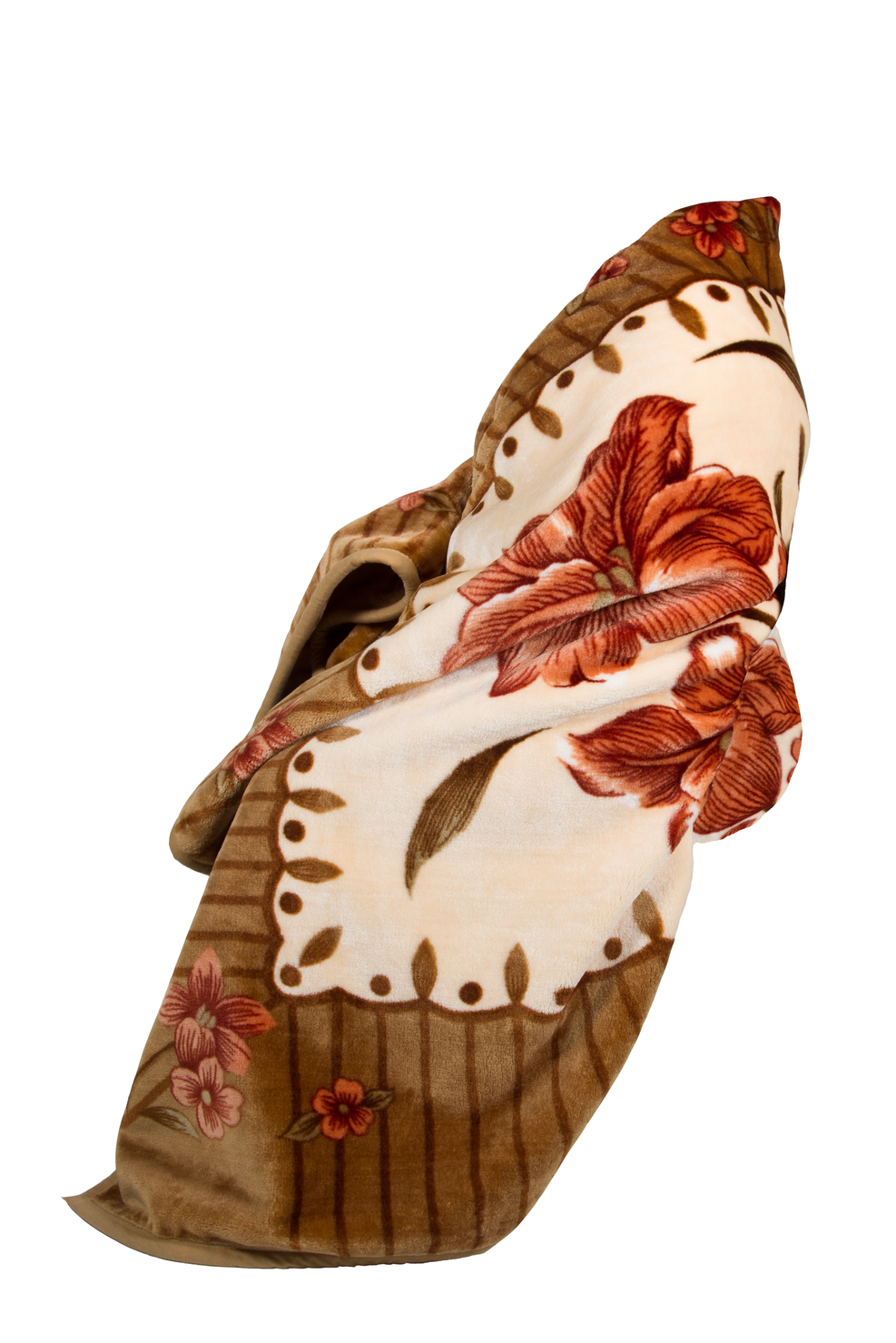
Folds have been an integral element throughout the history of art and serve as a powerful philosophical metaphor, invoked by many modern thinkers. In classical sculpture, drapery functioned not only as technical support but also as a potent visual device. Drapery is not limited to art or philosophy; it is a general term for textiles, often used decoratively and originally mainly in clothing. A belted plaid is a large piece of fabric reminiscent of a blanket, wrapped around the body in loose folds and secured at the waist with a belt. The remaining material is arranged in various ways around the upper body and fixed in place with pins or other methods.
Each family or clan had a unique pattern, allowing observers to identify the owner’s origin. Patterns were created with special rods and featured various squares and stripes. Tartans were woven exclusively from sheep’s wool and dyed with natural plant-based pigments using specialized techniques. In 1746, Highlanders were forbidden from wearing tartans and kilted skirts, and the rods used in production were destroyed. Only three clans preserved their plaids, as their colors closely resembled those sanctioned by the government. During this prohibition, Scots began using tartans as draped coverings.
With the advent of industrialization, handicraft was replaced by mechanized production, and plaids became much more accessible. Today, the plaid serves a primarily decorative function within interior spaces.
The very act of passing on the fabric feels like a ritual—a transfer of a fragment of domestic comfort. The tactile experience allows one to calm more quickly in stressful situations, to feel warmth, and simply to feel protected. These sensations are crucial for someone facing challenges in a foreign land. By opening the topic of migration, I was not seeking to depict a specific individual—such an approach seemed too literal—but rather a bundle that both protects and evokes a greater sense of tolerance and empathy.
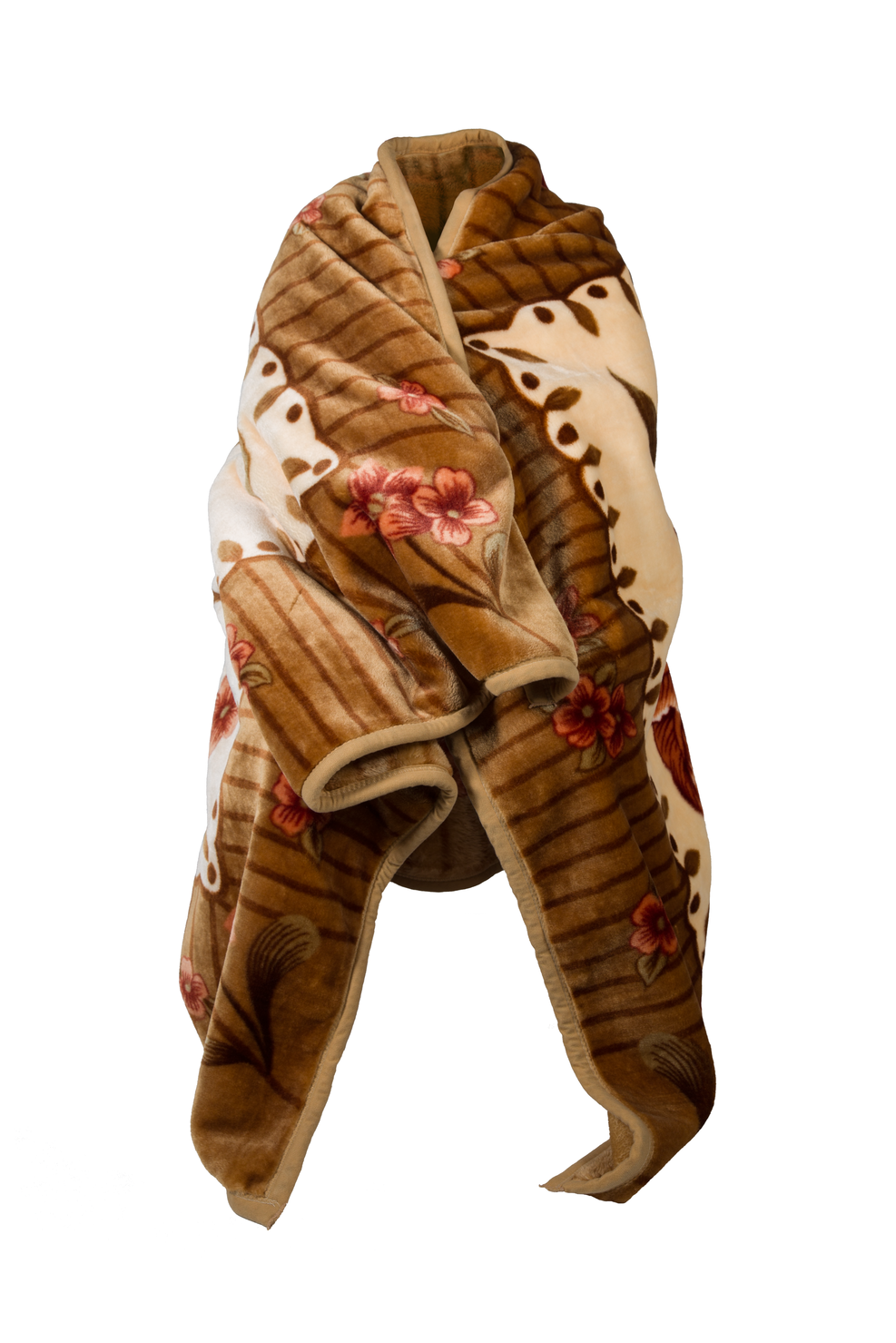
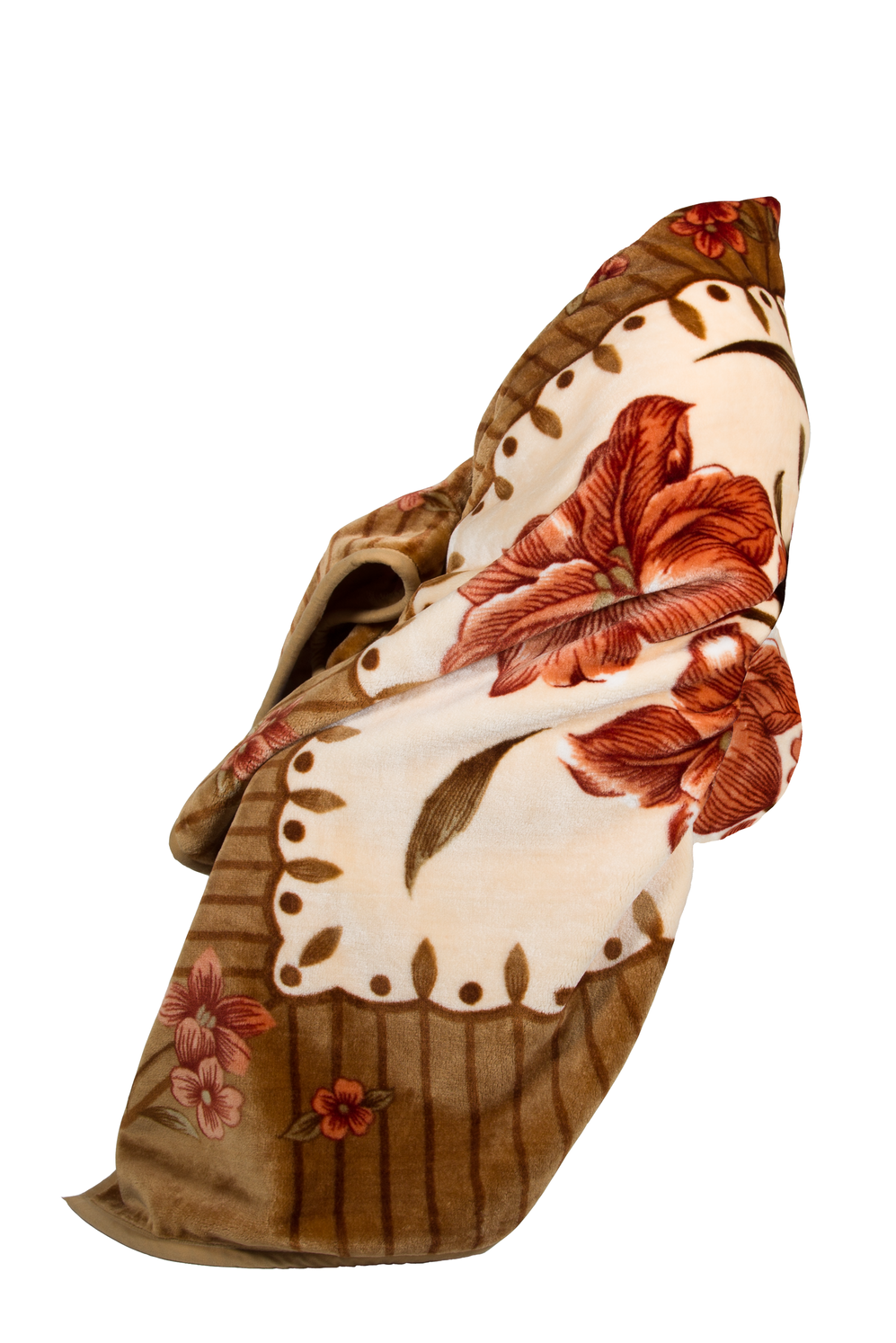
The plaid should be warm, with a sufficiently long pile, made of synthetic material, often adorned with flowers or exotic animals, and, naturally, it should be handed to the migrating person by a mother or grandmother who had kept it for a rainy day or the wedding of a distant relative.
The terminology of the plaid originates in Ireland centuries ago. In Gaelic, the word roughly translates as “covering” and was initially used to describe garments. The belted plaid was frequently referred to by various terms, including féileadh-mór, breacan an fhéilidh, and often the “great kilt,” although it was not known by this name during its early use. For Highlanders, it served as a versatile outer garment, providing protection from the elements and covering during sleep. Scottish plaids were made from tartan fabric, the colors of which indicated regional affiliation.