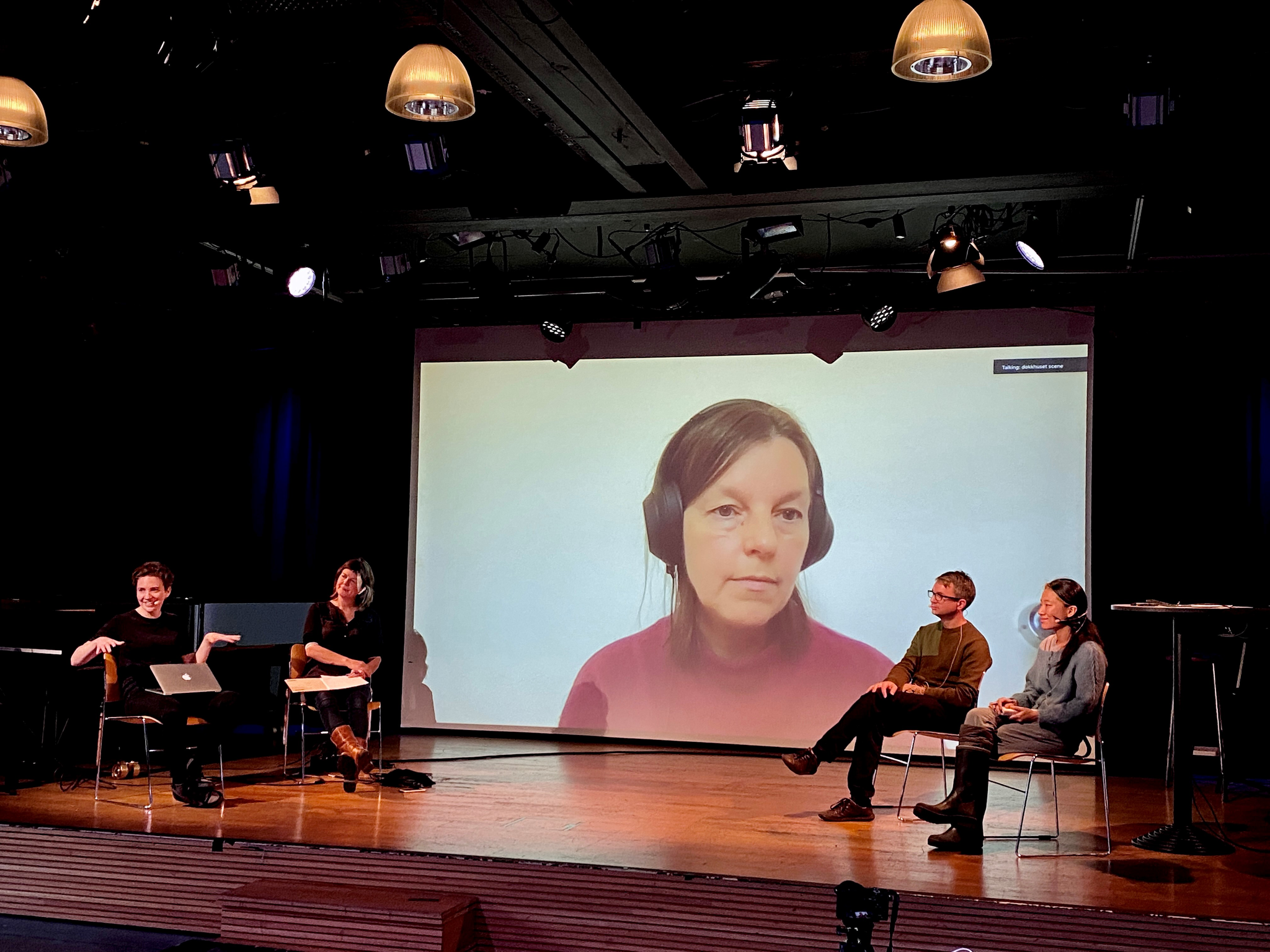
About the sessions
Each session has normally a time limit of 60 minutes (both PhD projects and projects supported by the Norwegian Artistic Reseach Programme). The presenters are free to choose the format of their presentation and also to test new ways of sharing their work. We recommend that each presenter leaves at least 30 minutes for dialogue with the audience.
Who can be moderators?
You can apply if:
- you have completed the Norwegian Artistic Research Programme or you have a ph.d.-degree in Artisic Research from one of the Norwegian PhD institutions.
- You are employed at this forums host institution (INN) and have competence in Artistic Research.
- Our goal is to assemble a team of moderators that reflects diversity in terms of background and Artistic Research fields.
- Priority is given to moderators who can participate for the full day(s).
- We also prioritize moderators who are willing to facilitate presentations across different artistic disciplines.
- Normally, we invite someone new to the role every year, so the team consist of both newcomers and experienced moderators.
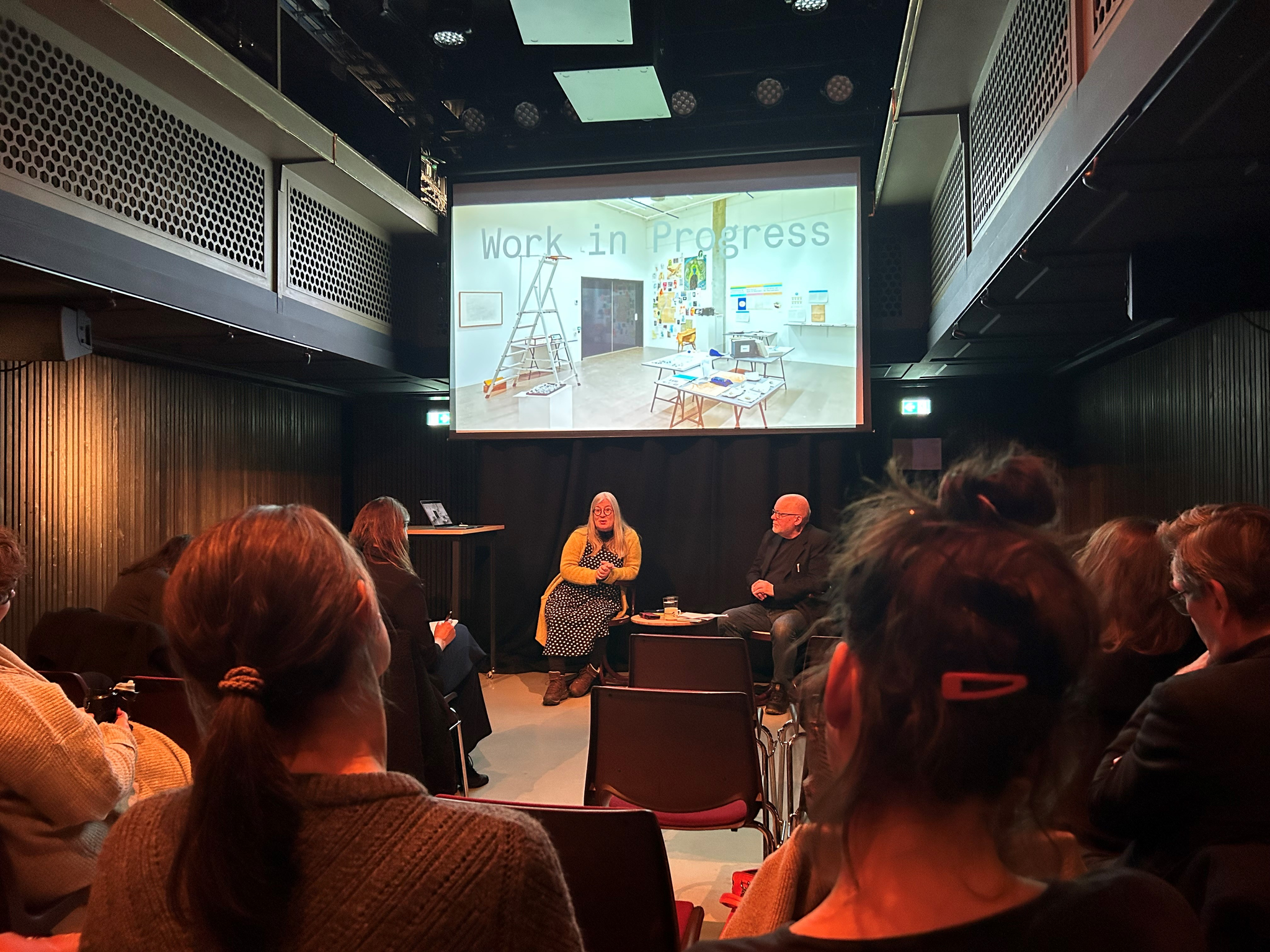
Important dates Spring 2026
10 January
Deadline for registering as interested in moderating at ARF spring 2026 (location: Lillehammer and online).
January/February
Moderators are selected and informed.
2 March
Preparatory meeting (online) for all moderators (14:30-15:00).
16-28 and 20 March
Artistic Research Spring Forum 2026.
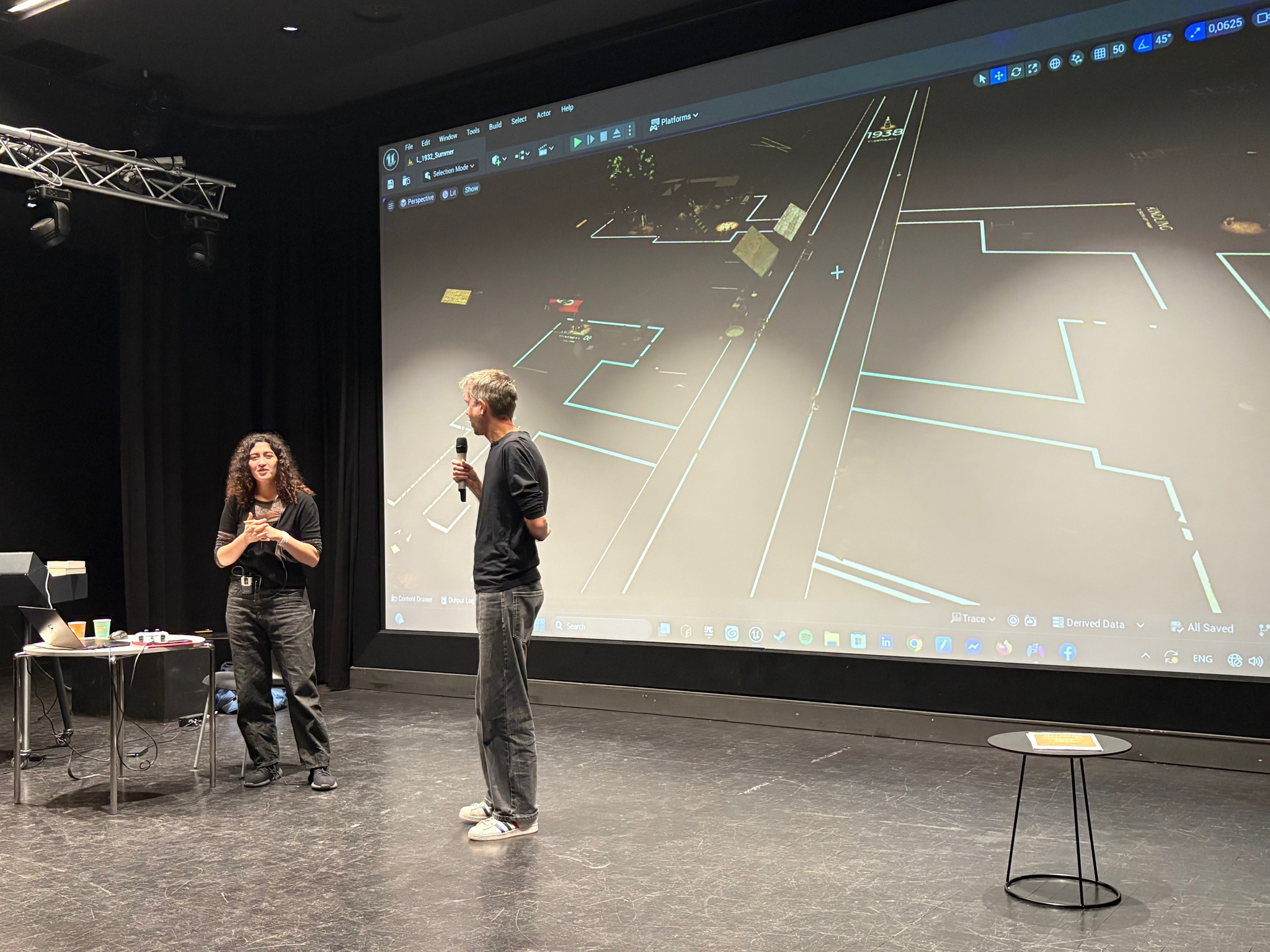
Advice to the moderators
- Support the presenter and make sure that he/she speaks load and clear.
- Make sure that the presenters leave enough time for dialogue with the audience and that the presentation is finished in time. Make an agreement with the presenter if you should give a sign when it is five minutes left.
- Ask the audience to introduce themself before asking questions or giving comments.
- Prepare an opening question to initiate the dialogue between the presenter and the audience.
- Focus on facilitating a constructive dialogue between the presenter and the audience rather than taking the role as a commentator. Questions work well for starting a reflection process.
- Be sure that both the audience and the presenter can hear you clearly and be aware that people with hearing loss might need to see your face for lip reading.
- If the time is running short, let several people ask questions or give comments before the presenter answers.
- Wrap up the discussion and thank the presenter when the time is up.
- Inform the audience about the next presentation in the room.
- Ask for technical support if there are issues with the projector or sound.
Contact us I The Norwegian Directorate for Higher Education and Skills I www.hkdir.no I pku@hkdir.no