We are living on a broken planet.
When balance is shattered and capacity to heal is shaken, we call it trauma. It spans generations, communities, and landscapes. How can we re-integrate what’s been torn and disconnected across multiple systems, including humans and more-than-humans?
My PhD research explores food fermentation as a way to address multiple forms of trauma, including biodiversity loss, the spread of invasive species, and the prevalence of processed foods. Through this artistic inquiry, fermentation becomes an integrative practice where humans, microorganisms, and plants come together to support recovery from fragmentation and loss. My approach acknowledges that complete restoration is unattainable, yet meaningful healing and adaptation remain possible.
This research methodology derives from food science, trauma theory, and artistic research. It focuses on these case studies:
• A living archive of microbial communities from forests at risk of disappearing,
in the form of fermentation starters.
• Fermentation techniques to enhance the nutritional profile and taste of
processed foods in people’s diets, particularly among disadvantaged communities.
• Active methods to transform invasive plant species into viable food resources,
regulating their populations, and establishing meaning in their presence.
It is only the beginning of my doctoral journey, and I have more questions than answers.
This exposition is a repository of these questions—a record of the state-of-the-art knowledge of what I do not yet know, accompanied by visual notes that may guide me toward answering them.
Agnieszka Pokrywka
November 2025
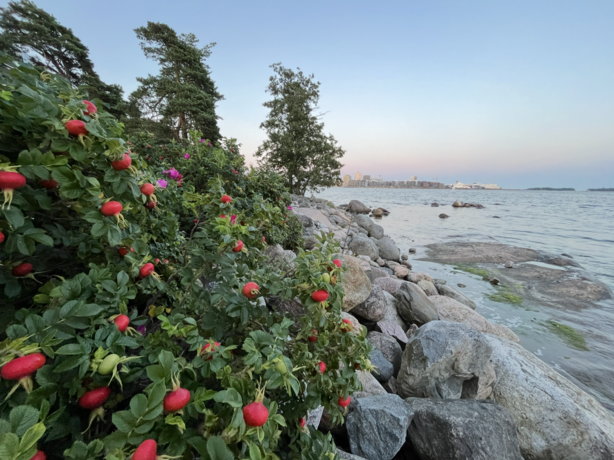
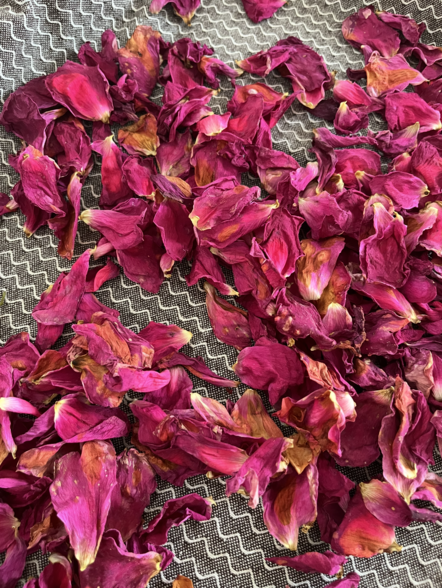
What does it mean in practice to be “committed to the more modest possibilities of partial recuperation and getting on together” and to “live among destruction”?
How can existing human-centric trauma integration theories and practices be adapted to address the recuperation of traumatized humans, other species, and damaged environments?
Can the integration of human psychological trauma become an inspiration or model for integrating environmental, societal, and systemic damage? Where are the limits of such analogies?
How to bring food science, trauma theory, and artistic practices together so they are genuinely complementary, rather than tokenistically combined?
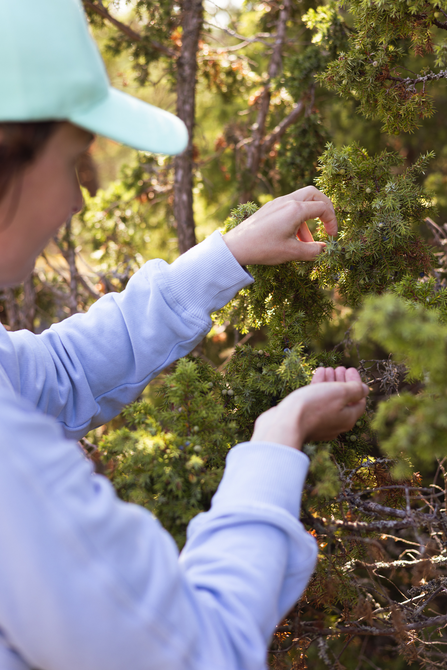
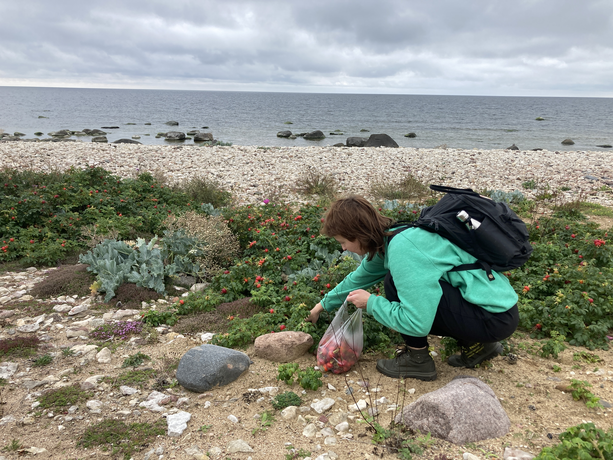
What are the local and national regulations regarding harvesting and use of invasive species (for research, food making, art making, and public engagement)?
Is ethics review necessary when part of my research involves feeding people fermented foods (with consent)?
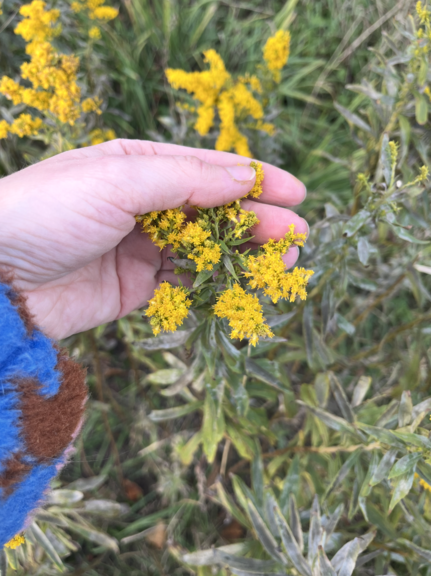
Under what conditions can invasive species be ethically incorporated into fermentation or food systems?
How can I design protocols to test fermented foods derived from plants growing in public spaces for potential contaminants (heavy metals, pesticides), and what standards should I meet?
How to work with fermentation in ways that respect people, cultures, and traditions—avoiding extractivism and appropriation—while still developing novel approaches?
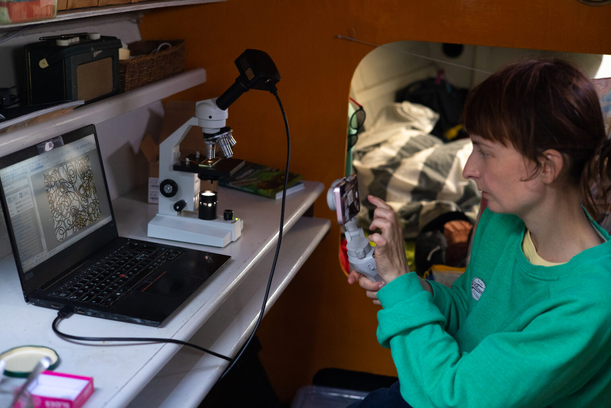
What mixed-methods will credibly connect lab analyses, participatory/arts-based methods, and trauma-informed qualitative research?
How will I document protocols and outcomes so they are reproducible, legible across disciplines, and accessible to the communities involved?
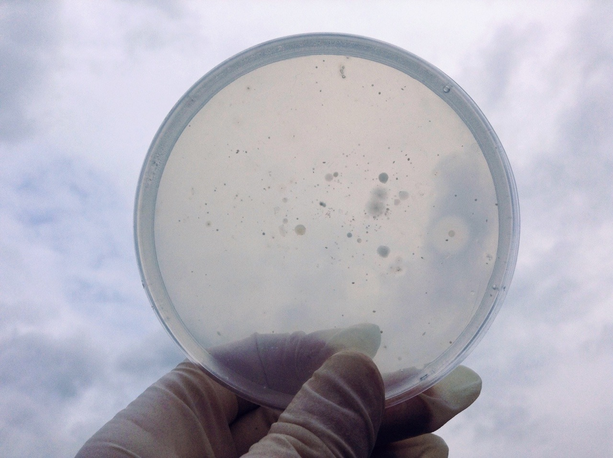
How unique are microbial communities to particular endangered landscapes, and how can their distinctiveness be assessed?
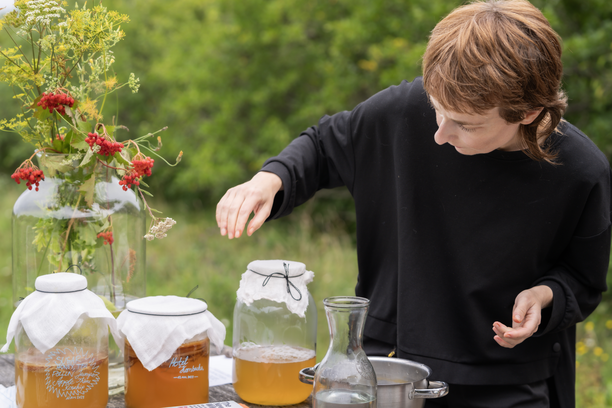
How does food fermentation—an experiential collaboration between humans and more-than-humans—adapt and facilitate adaptation to the changes imposed by polycrisis?
How to preserve microbiomes of disappearing landscapes (cryopreservation, ex-situ culturing, living archives, community biobanks)?
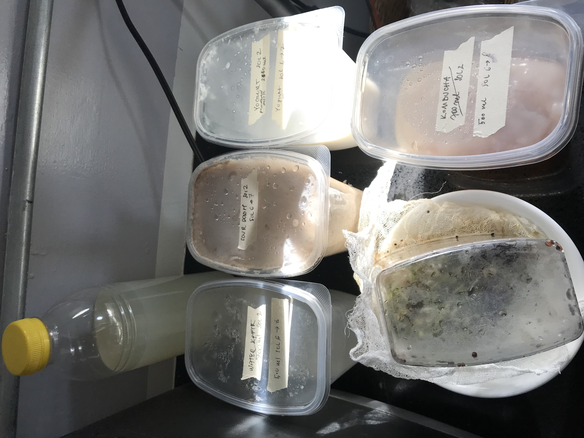
What happens when processed food ingredients such as powdered milk or sodas undergo fermentation (biochemical changes, sensory, nutritional, cultural meaning)?
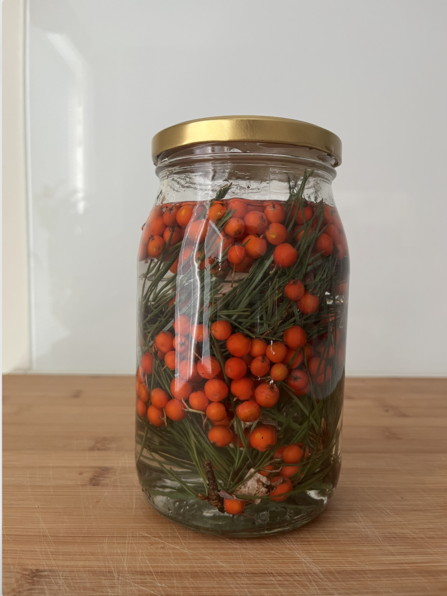
How can storytelling—gathering diverse elements (experiences, voices, histories, media forms)—help document and mediate practices of coexisting in a fractured world?