






Arabic Christian manuscripts is an artistic research PhD that looks at how Arabic calligraphy, widely recognized as a central element of Islamic artistic heritage, was creatively repurposed and adopted by Christian communities.
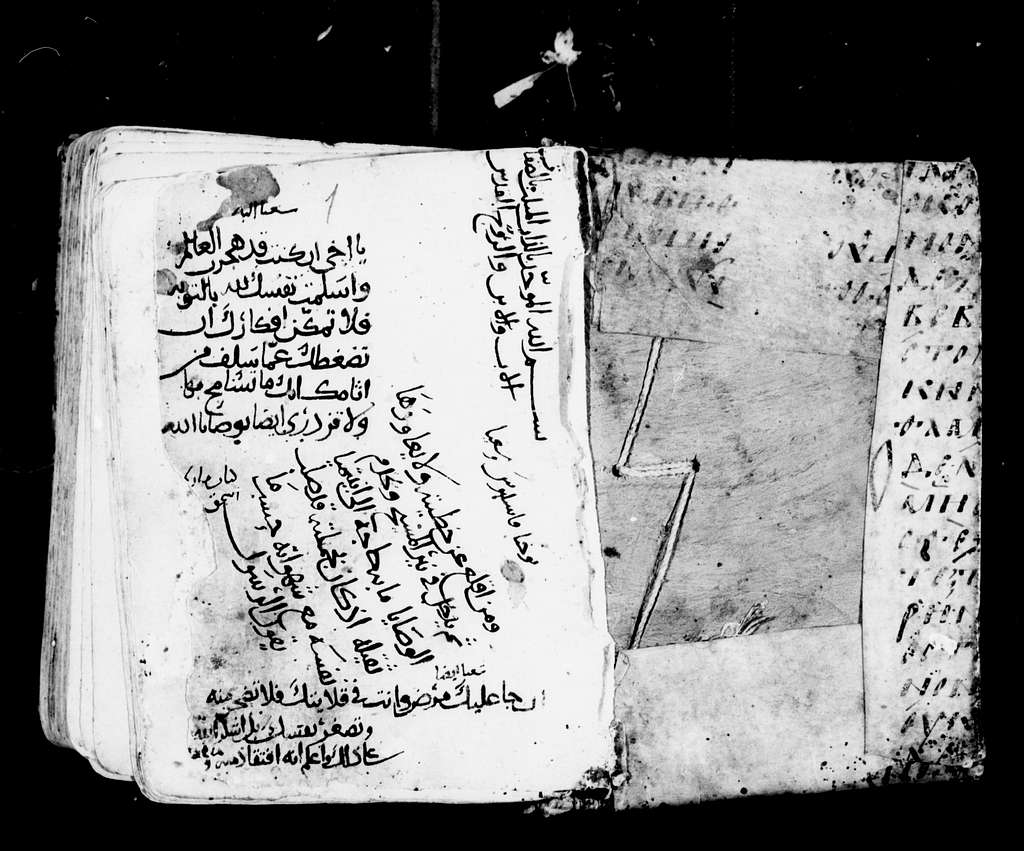
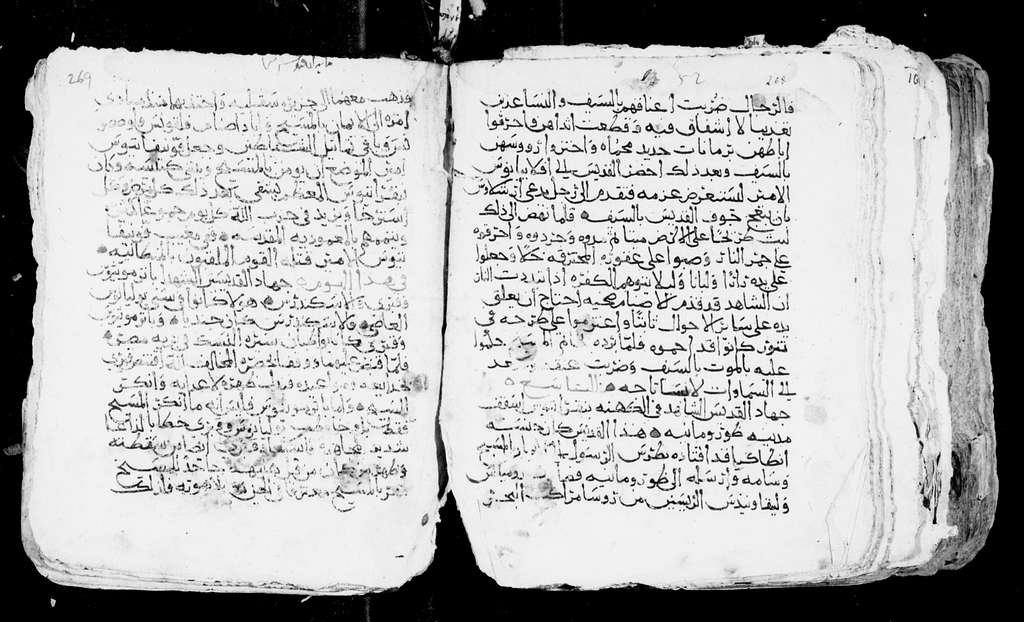
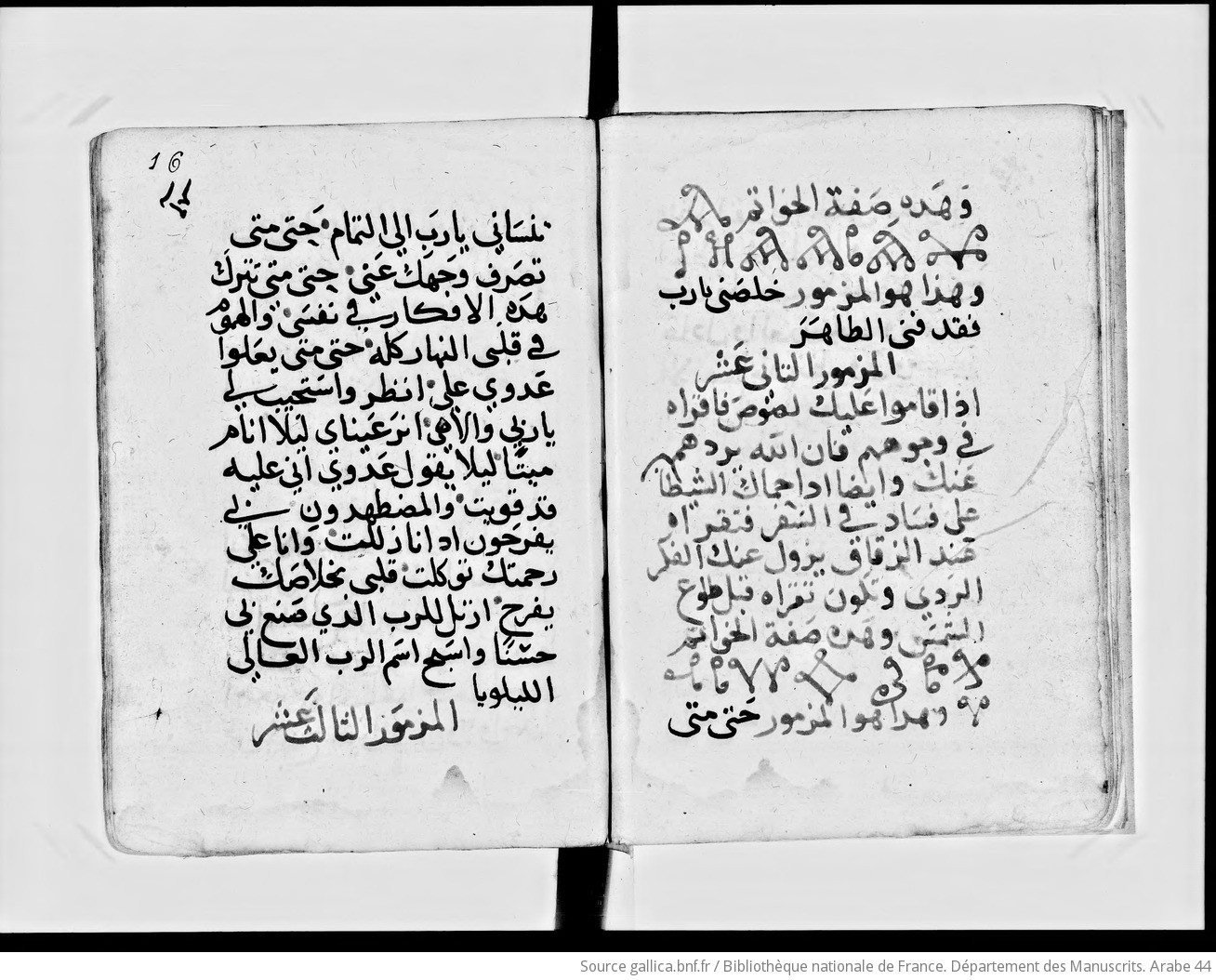
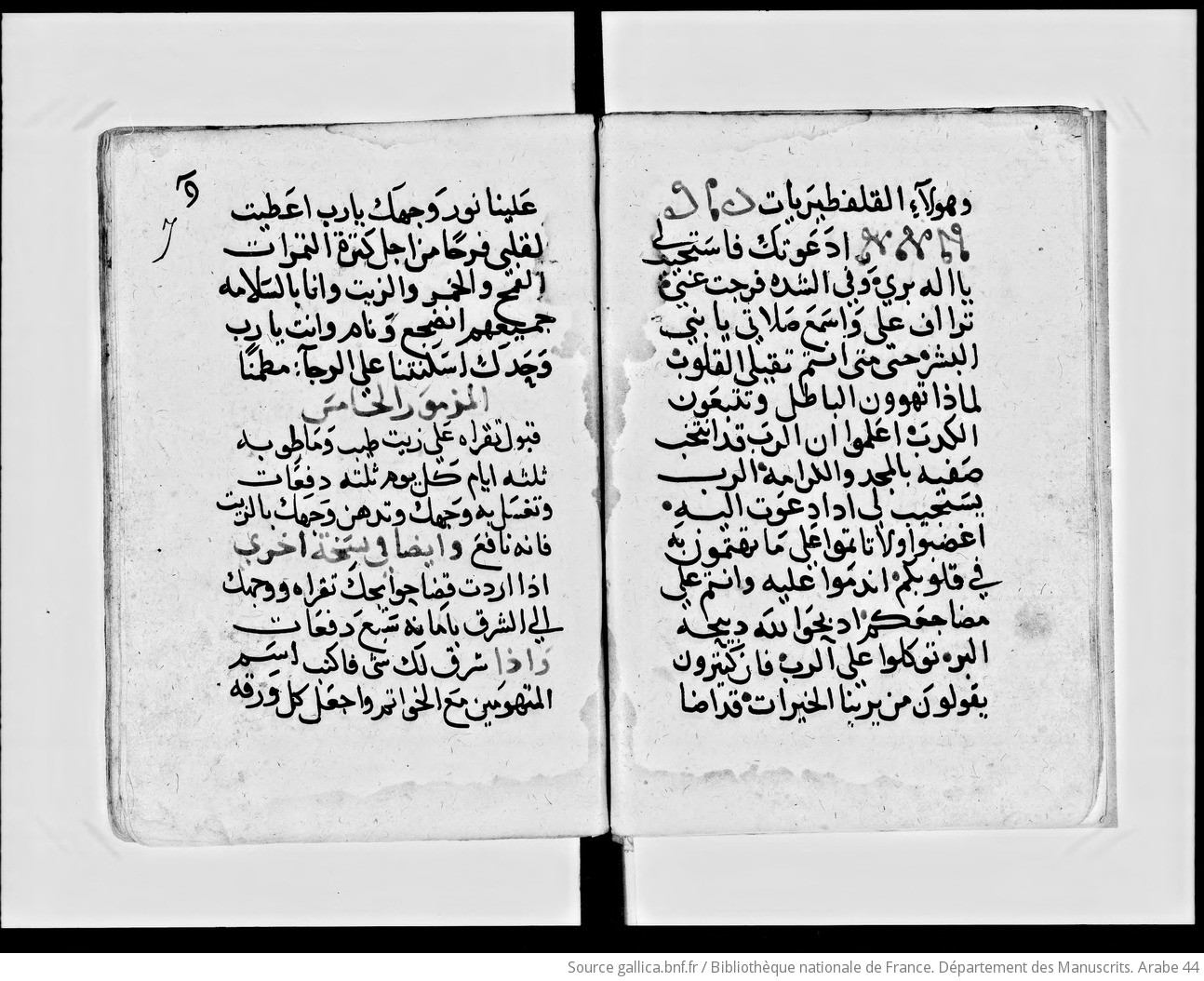
The research aims to explore 9th to 14th-century Christian Arabic manuscripts and document the visual representation of the Arabic script by comparing Islamic and Christian artistic traditions from the same period.
This project shows the shared heritage of Christians and Muslims in Arabic speaking countries and the importance of these manuscripts in its diverse artistic and religious history. The results will include a scholarly monography and a modern artistic reinterpretation of a typeface, or several typefaces, inspired by the calligraphic styles found in these historical works.


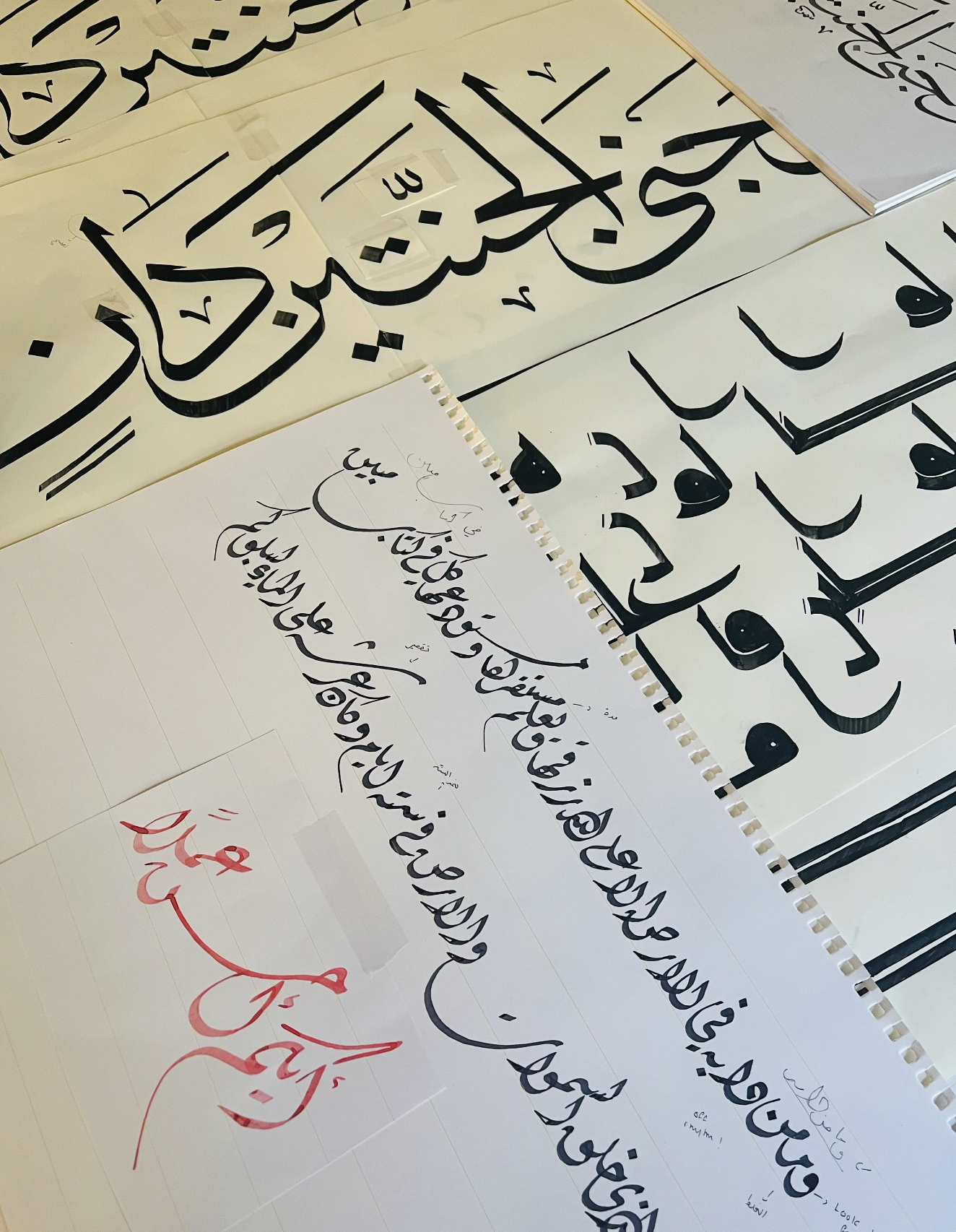
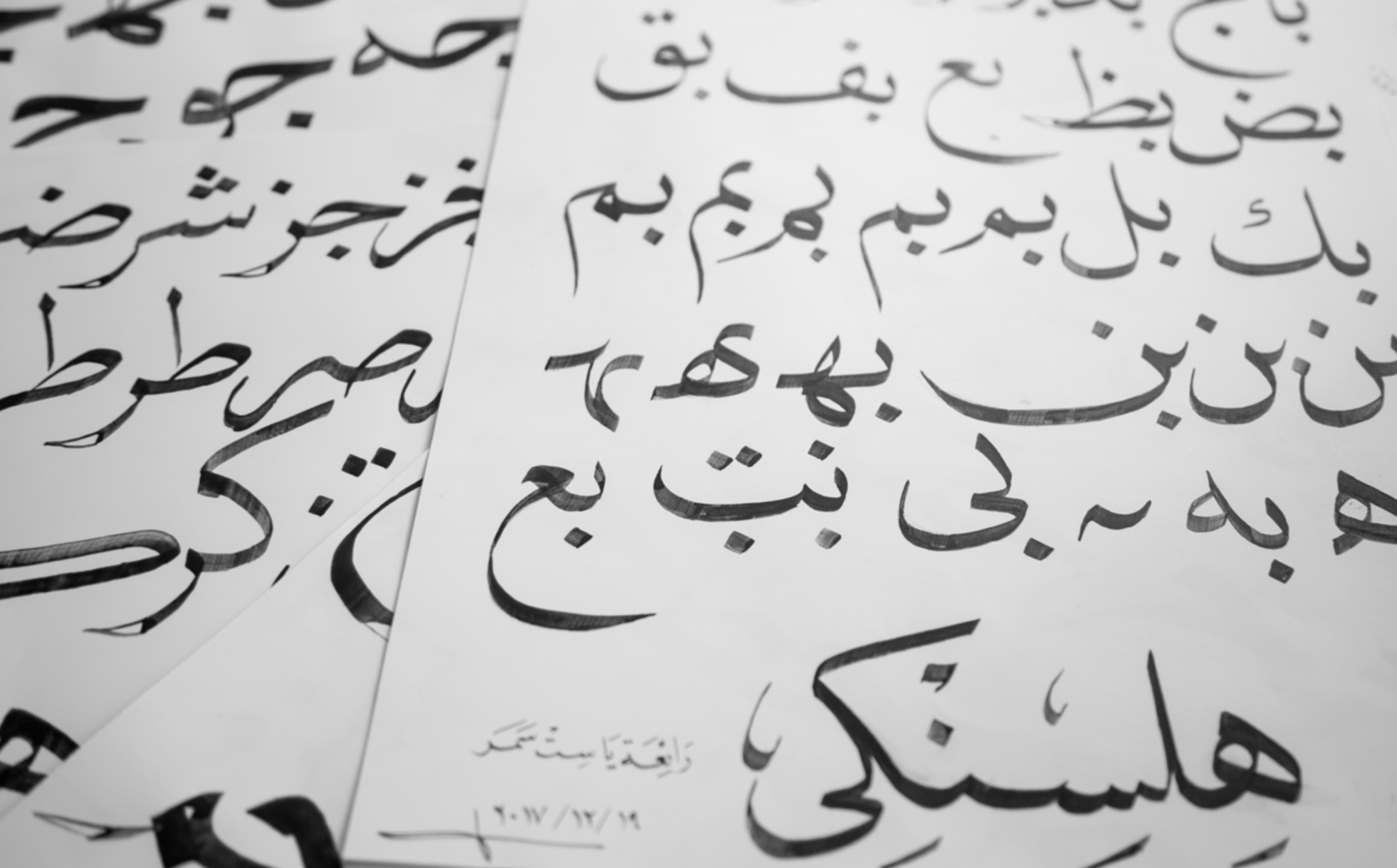
I am a type designer and an Arabic calligraphy enthusiast. I use the term “enthusiast” specifically because mastering Arabic calligraphy is a lifelong journey, and I do not claim to be an expert.
When I design a typeface, I often go back to earlier choices, especially if I feel the result is not quite right. This aligns with Schön’s idea of reflection-in-action (Schön, 1992), which holds that real learning occurs during the process. This idea shapes how I see my own artistic practice. Over time, type design and calligraphy have taught me discipline and patience. For me, the process of learning while working is just as important as the finished piece.
As a native Arabic speaker, a professional type designer, and a calligraphy student, I offer a unique view on this topic. My background helps me approach this research from both technical and artistic perspectives. With this study, I hope to show the shared cultural and artistic heritage of Arab Christians and Muslims and how their artistic practices have influenced and enriched one another over time.
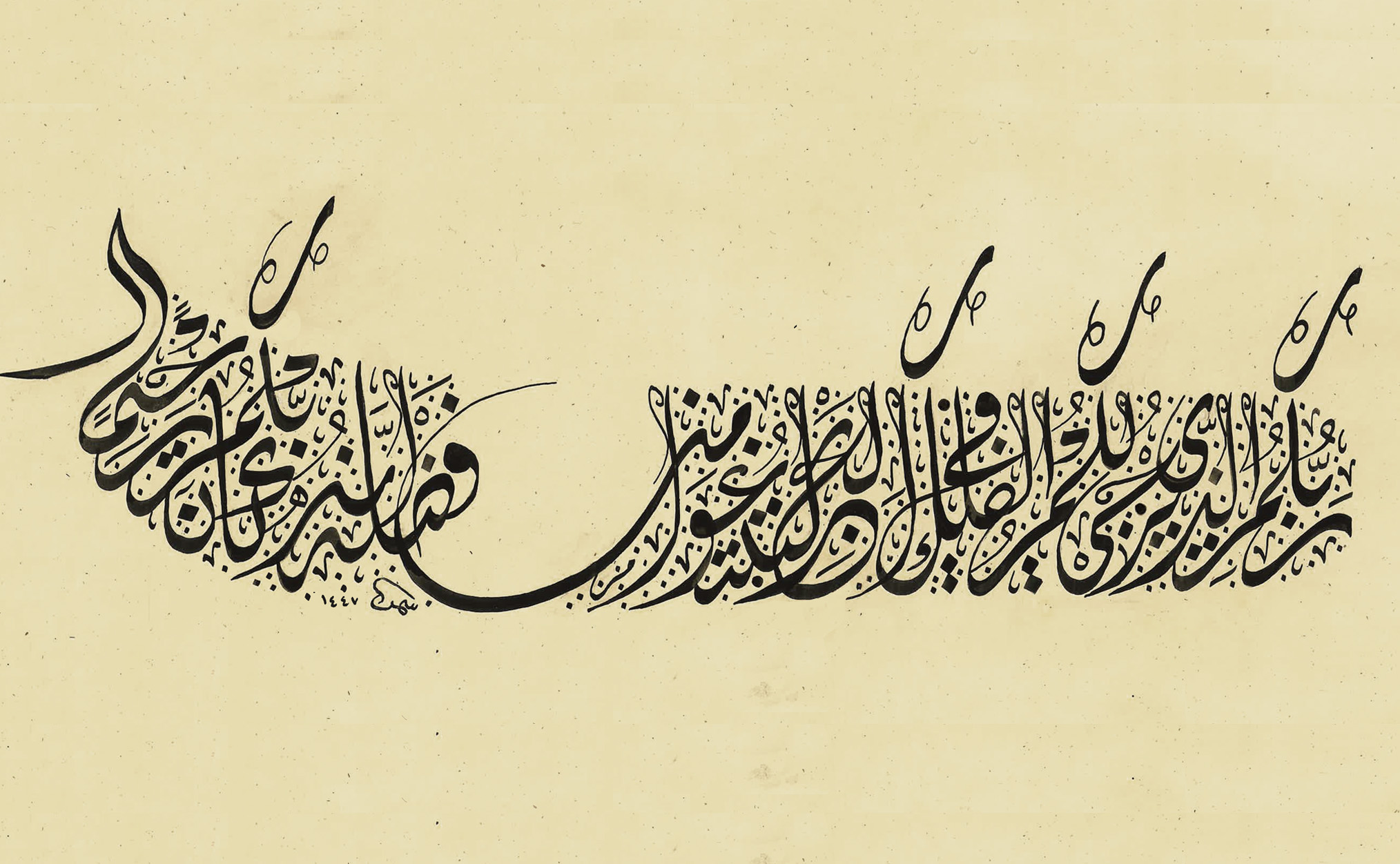
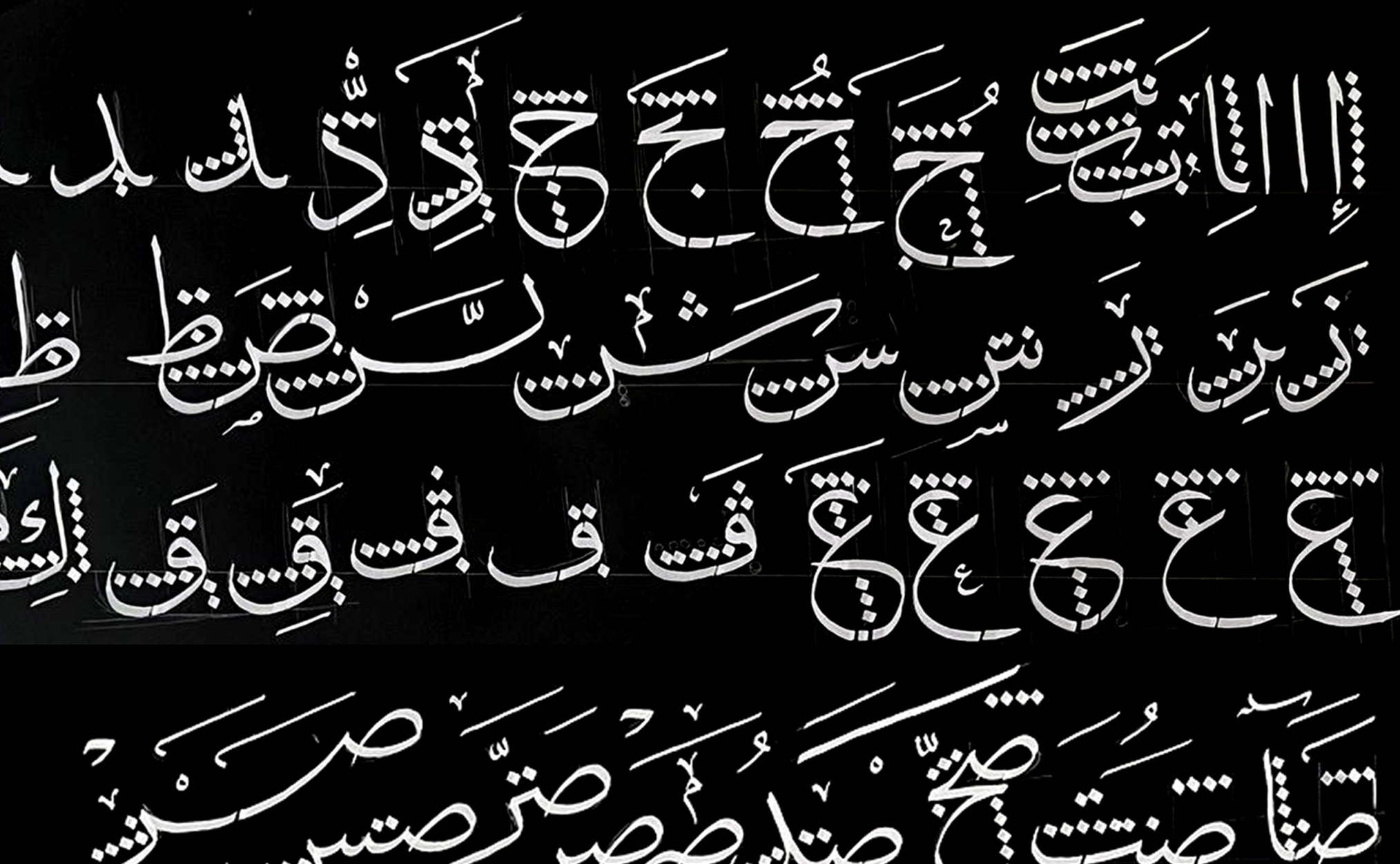
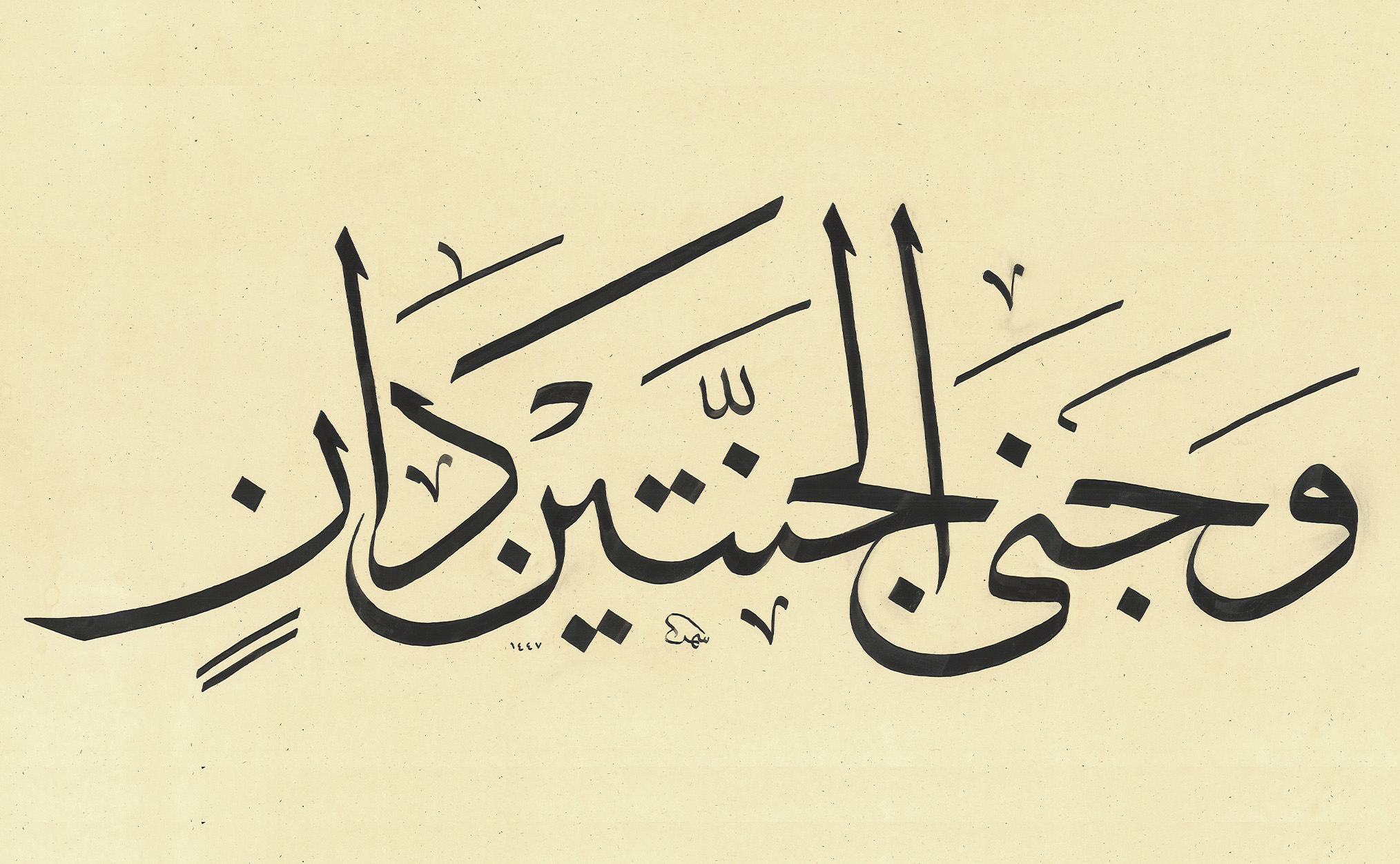
Below, you can see some samples of my calligraphic work in the slideshow. (Slide to the right)
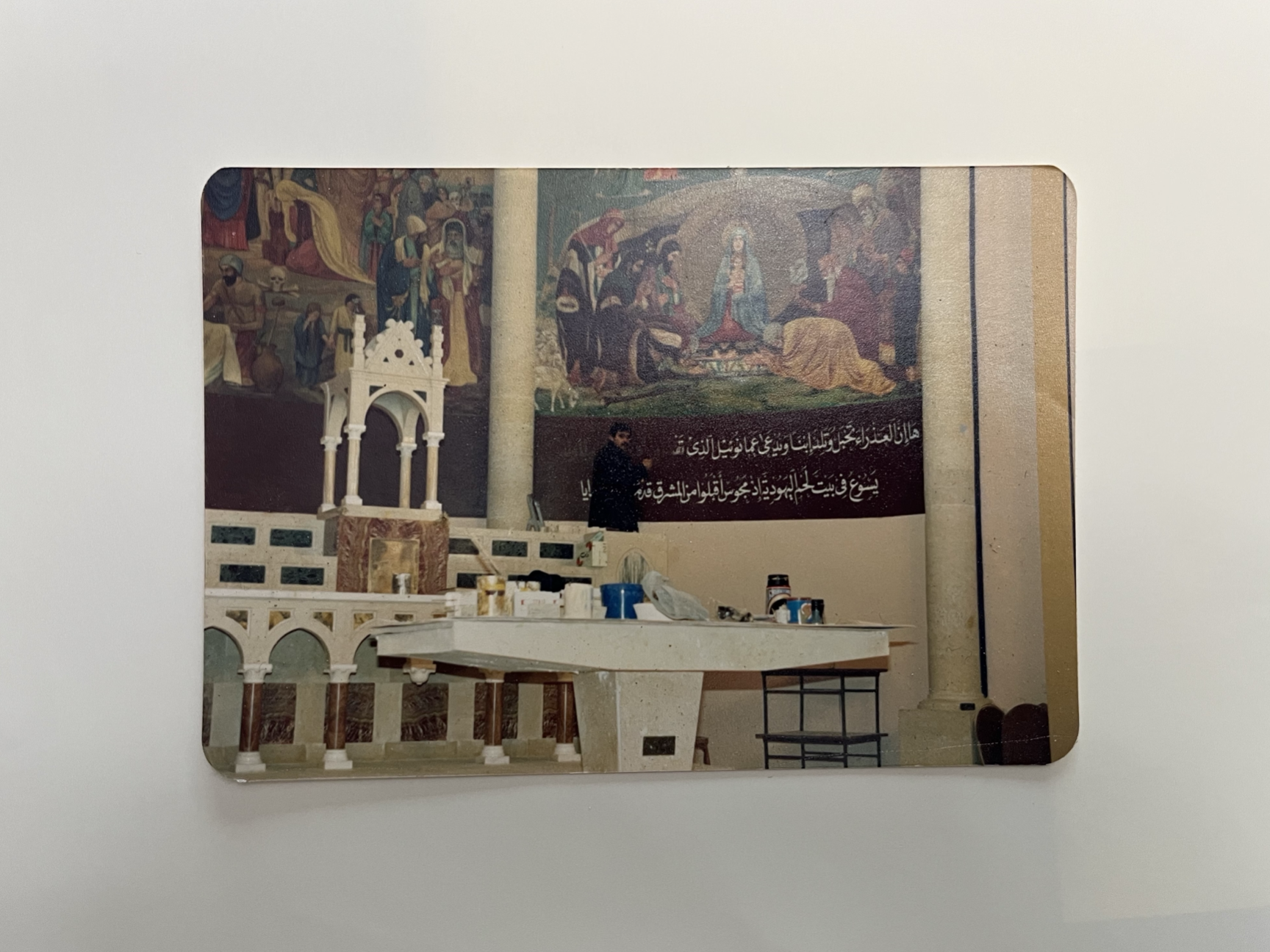

The person in the photo above is my calligraphy teacher, Riad Tabbal. A few years ago, he showed me this image of himself painting a calligraphic rendering of a Bible verse in an old church in Salt, Jordan. I found this scene fascinating because it shows that Arabic calligraphy, though famous in Islamic traditions, was also embraced by other communities. This points to a much richer and more complex history.
Another paradigm that motivated me to pursue this research is my professional experience as a type designer, particularly my deep involvement with letterforms in both Arabic and Latin scripts. My path into type design, began with my passion for calligraphy. While living in Jordan, I trained under a master calligrapher (same person who is in the above image), an experience that opened a window to something greater: an appreciation for the history of the Arabic script and the beauty embedded within its calligraphic forms. In addition to working as a full-time type designer, I am enrolled in an online Islamic calligraphy program with a Jordanian institution: Barzingi, where I aim to transform my enthusiasm into a more formalised artistic practice.

As I am aware, my main research question will continue to evolve over time, I prefer not to disclose it in full at this stage.
For now, I present it as the first question, while acknowledging that the other questions will also guide my creative process, and shape my reflections, my “little thinking hats,” as I would like to call them. These questions provide a framework for exploring historical, calligraphic, and creative dimensions of Christian Arabic manuscripts, without limiting the organic development of my research.
Little Thinking Hats
-
In what ways might the stylistic distinctions between Islamic and Christian Arabic calligraphy in the 9th to the 14th century manuscript influence contemporary artistic practise today?
-
How did early Christian communities, including Coptic, Maronite, and Syriac groups, accommodate Arabic in their religious manuscripts, and was there any influence from Islamic calligraphy and artistic traditions?
-
Were the Christian Arabic scribes able to develop their own distnict calligraphy styles, and how were these shaped by established Arabic scripts such as Naskh or Kufi?
-
What are the key iconographic features in Christian Arabic manuscripts? Are there crosses, leaves, or other motifs?
-
How can hands on calligraphic exercises help in creating of contemporary typefaces, and what will the the role of documentation be in this creative process?

In this section, I outline some of the books, frameworks, and archival sources that I plan to explore throughout my research.
While some of these works are referenced in the current exposition, others will be explored as my study develops. This emphasizes the scholarly and theoretical foundation that surrounds this research. I see my project as an artistic research situated at the intersection of artistic experimentation and academic inquiry. These references will, of course expand and change over time as my framework continues to mold.
Books
-
Griffith, S. H. (2008). Arabic Christianity in the Monasteries of Ninth-Century Palestine. Leiden: Brill.
Explores Christian Arabic literature in 9th-century Palestine, focusing on Abbasid-era scribes. -
Hjälm, M. L. (2022). A Palaeographical Study of Early Christian Arabic Manuscripts. Lund: Lund University Press.
This study examines early Christian Arabic manuscripts using a palaeographical system to categorize Arabic script in Christian texts. -
Griffith, S. H. (2013). The Bible in Arabic: The Scriptures of the “People of the Book” in the Language of Islam (Jews, Christians, and Muslims from the Ancient to the Modern World). Princeton: Princeton University Press.
Investigates the intersection of Christianity, Islam, and Arabic culture, with a focus on the Arabic Bible.
Archival Research
-
British Library: Holds a big collection of Arabic manuscripts, including works by early Christian authors such as Theodore Abu Qurrah.
-
Saint Catherine’s Monastery, Mount Sinai: Has a significant collection of Christian Arabic manuscripts. I found some online, but a visit there could be benefitial to interact with the manuscripts.
-
Gallica / Bibliothèque nationale de France (BnF): Provides digitized medieval Arabic manuscripts, including Christian Arabic texts, freely accessible for academic research. I accessed some of these scans online, but a tactile experience feels like a more complete intereaction with the manuscripts.
Theoretical and Practice-Based Frameworks
The archival research and books showcase the historical aspect of the project, however as an artistic research PhD several other theortical readings are needed to stabilize the framework
-
Agamben, G. (2011). Nudities (D. Kishik & S. Pedatella, Trans.). Stanford University Press.
-
Borgdorff, H. (2012). The Conflict of the Faculties: Perspectives on Artistic Research and Academia. Leiden: Leiden University Press.
-
Frayling, C. (1993). Research Through Art: The Role of Practice in the Academy. London: Royal College of Art.
-
Michael Schwab. (2023). Contemporary Research.
-
Schön, D. A. (1983). The Reflective Practitioner: How Professionals Think in Action. New York: Routledge.
-
Sabev, O. (2018). Waiting for Müteferrika: Glimpses on Ottoman Print Culture. Boston: Academic Studies Press.
References for This Exposition
Theoretical Framework
-
Schön, D. A. (1983). The Reflective Practitioner: How Professionals Think in Action. New York: Routledge.
Manuscript Samples
-
Picryl / Library of Congress. (n.d.). Arabic medieval manuscripts, St. Catherine’s Monastery, Mount Sinai, 1000–1500 [Public domain]. Retrieved from https://picryl.com/media/arabic-manuscripts-350-mimars-ffb7e7
-
Gallica / Bibliothèque nationale de France (BnF). (n.d.). Arabic medieval manuscript, folio 11 [Public domain]. Retrieved from https://gallica.bnf.fr/ark:/12148/btv1b11000425g/f11.item
Fonts Used
-
POW Covenant by Léo Guibert, published at Proof of Words.
-
Libre Baskerville, designed by Impallari Type, open-source web font (available on Google Fonts).