The Research Catalogue (RC) is a non-commercial, collaboration and publishing platform for artistic research provided by the
Society for Artistic Research. The RC is free to use for artists and
researchers. It
serves also as a backbone for teaching purposes, student assessment, peer review workflows and research funding administration. It strives to be
an open space for experimentation and exchange.
recent activities <>
Working Title
(2025)
Kristin Anna Eyjolfsdottir
PROJECT DESCRIPTION
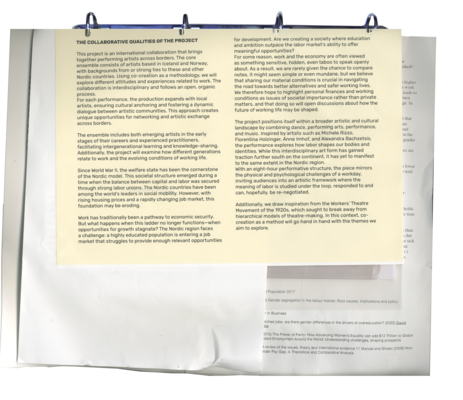
“Working Title” is an art performance about labor
conditions and class structures. The motivation behind the
piece is to interrogate the many ways in which work affects us. The boundaries between labor and art are also examined, as the physical and mental demands placed on the performers reflect the burdens of modern working life. The format mirrors a regular workday: the performance lasts eight hours, including a break. It is presented in two versions—a day shift and a night
shift.
Today, many sectors are marked by rapid change, demands for efficiency and ever-increasing productivity. Which values are prioritised, and which are undermined to meet the needs of such a labor market? In the piece, structural challenges will be studied and observed through scenarios acted out on stage.
Some examples of questions that will be used to form these scenarios:
-At what cost do you actually sell your time?
-What kind of value is, beyond the monetary, created for those who buy your time?
-In what ways, physically and mentally, do you experience your labouring hours, after you have clocked out?
The performance will explore themes such as:
- Monotony and repetition as fundamental elements of labor
- Power dynamics in the workplace and how privileges are
maintained and reinforced
- The body’s needs in relation to work: illness, disabilities,
menstruation, and pregnancy
- The physiological consequences of labor
- The value of time as an economic and social divide
- The close link between economic stability and mental health
In a time when the job market is shaped by rapid technological development, climate change and an uncertain future, thinking through alternatives for how to organise ourselves has become crucial. With this performance, we aim to dig into the mechanisms at stake in order to hopefully be able to both raise questions and think deeply about how we may face the challenges ahead collectively. A dynamic, experimental and collectively driven form of artistic expression is combined with societal critique. We believe in art as a way of adding to the discourse in poetic manners, activating questions through embodied experiences. With this unique format, we hope to open new perspectives on what labor means for individuals and society—and what values we
wish to build our common future upon.
UNDER SHADOW
(2025)
Lara Bellatalla
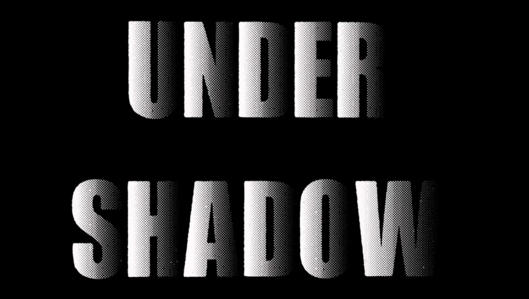
Based on the Jungian concept of the shadow, I wanted to develop illustrations that depict a journey within the self, leading to the discovery and understanding of one’s own shadow.
It represents the dark side of our personality, which we refuse to acknowledge and accept.
Café Imperial
(2025)
Eirini Sourgiadaki
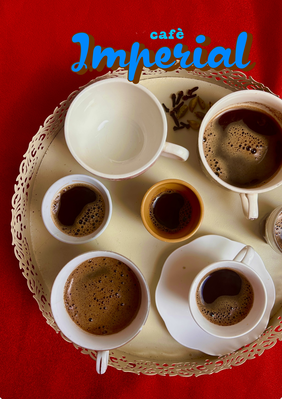
When preparing for the dead, may we peep into the future?
In the broader geography of the Balkans and Eastern Mediterranean, we cook our coffee in the briki or cezve. Every region has its own variation, some heat up the water before adding the powder, some add spices, some make it thick, others thinner. And every person has their own variation as well. Coffee is something as personal as communal. Apart from the daily morning and evening consumption, we also share two uses of the coffee that are central of interest here: the coffee cup reading and the tradition of coffee drinking in funerals and memorials. Imagination and memory, future and past, the association with grief; and the unique timelines traced in each cup.
I think that it has been with me for years, the memory of my grandmothers, my mother’s morning ritual of cooking a light Greek coffee in a big cup. The familiarity of the Kafenio. And most importantly, community dynamics; sharing others, participating. Here I aspired to create a meeting space with people, artists or not, with whom I have met over the years and share the subtle fascination about this type of coffee and its rituals. Acknowledging the blood, oppression and displacement behind and around the product. The Cafe Imperial.
recent publications <>
Solidifying the Ephemeral: The Alchemy of the Liquid Canvas [The Alchemy of the Liquid Canvas - 2026-01-23 13:24]
(2026)
Giusirames

Title: Solidifying the Ephemeral: The Alchemy of the Liquid Canvas
Artist-Researcher: Giuseppe Rametta Giusirames
1. Professional Biography
Giuseppe Rametta Giusirames is an Italian artist and material researcher whose practice lies at the intersection of contemporary art and chemical experimentation. Rejecting standardized industrial media, he develops proprietary material mixes, treating the creation of the "base" as an integral part of the creative act.
His most significant breakthrough is a specialized technique designed to "solidify the sea," transforming the fluid and ephemeral nature of marine environments into a permanent, solid canvas. Through his work, he explores themes of environmental memory, the alchemy of matter, and the tension between natural flux and artistic preservation. His studio is a continuous laboratory where traditional aesthetic values meet innovative material engineering.
2. Research Statement
This research focuses on the chemical and poetic transformation of natural and volatile elements. The core of the project is the stabilization of fluid environments through a unique technical process.
Material Hybridization: Sea, Smoke, and Antisepsis
My investigation extends beyond seawater to the stabilization of other volatile and antiseptic substances:
* Seawater: Capturing the essence of the ocean to create a structural canvas.
* Amuchina (Chlorine-based solutions): Integrating antiseptic elements to explore the tension between hygiene, sterilization, and nature.
* Smoke: Attempting to fix the weightlessness of air and fire into a solid surface.
By inventing these material compounds, I investigate how artistic practice can "fix" a moment of environmental flux without losing its vital energy.
3. The Poetics of Painting on the Sea
For me, painting is not a gesture performed on a surface, but a dialogue with an element. To "paint on the sea" means to accept the fluid’s rebellion before fixing it into eternity.
It is a poetic act of translation: capturing the rhythm of waves, the transparency of the water, and the ghost-like presence of smoke within the physical constraints of a canvas. This practice transforms the artwork into a relic of a moment that was, by nature, impossible to grasp.
4. Visual Documentation
Per le tre foto che mi hai inviato, usa queste descrizioni:
* Figure 1 - Organic Textures: A demonstration of how the proprietary mix creates an organic "skin," allowing pigments to settle in a cellular structure.
* Figure 2 - Marine Diffusion: The interaction between color and the solidified sea base, mimicking the natural movement of underwater currents.
* Figure 3 - The Molecular Membrane: A macro view of the stabilized material. This transparent, alveolate structure proves the successful transition from liquid/volatile states to a solid artistic medium.
Solidifying the Ephemeral: The Alchemy of the Liquid Canvas
(2026)
Giusirames
Title: Solidifying the Ephemeral: The Alchemy of the Liquid Canvas
Artist-Researcher: Giuseppe Rametta Giusirames
1. Professional Biography
Giuseppe Rametta Giusirames is an Italian artist and material researcher whose practice lies at the intersection of contemporary art and chemical experimentation. Rejecting standardized industrial media, he develops proprietary material mixes, treating the creation of the "base" as an integral part of the creative act.
His most significant breakthrough is a specialized technique designed to "solidify the sea," transforming the fluid and ephemeral nature of marine environments into a permanent, solid canvas. Through his work, he explores themes of environmental memory, the alchemy of matter, and the tension between natural flux and artistic preservation. His studio is a continuous laboratory where traditional aesthetic values meet innovative material engineering.
2. Research Statement
This research focuses on the chemical and poetic transformation of natural and volatile elements. The core of the project is the stabilization of fluid environments through a unique technical process.
Material Hybridization: Sea, Smoke, and Antisepsis
My investigation extends beyond seawater to the stabilization of other volatile and antiseptic substances:
* Seawater: Capturing the essence of the ocean to create a structural canvas.
* Amuchina (Chlorine-based solutions): Integrating antiseptic elements to explore the tension between hygiene, sterilization, and nature.
* Smoke: Attempting to fix the weightlessness of air and fire into a solid surface.
By inventing these material compounds, I investigate how artistic practice can "fix" a moment of environmental flux without losing its vital energy.
3. The Poetics of Painting on the Sea
For me, painting is not a gesture performed on a surface, but a dialogue with an element. To "paint on the sea" means to accept the fluid’s rebellion before fixing it into eternity.
It is a poetic act of translation: capturing the rhythm of waves, the transparency of the water, and the ghost-like presence of smoke within the physical constraints of a canvas. This practice transforms the artwork into a relic of a moment that was, by nature, impossible to grasp.
4. Visual Documentation
Per le tre foto che mi hai inviato, usa queste descrizioni:
* Figure 1 - Organic Textures: A demonstration of how the proprietary mix creates an organic "skin," allowing pigments to settle in a cellular structure.
* Figure 2 - Marine Diffusion: The interaction between color and the solidified sea base, mimicking the natural movement of underwater currents.
* Figure 3 - The Molecular Membrane: A macro view of the stabilized material. This transparent, alveolate structure proves the successful transition from liquid/volatile states to a solid artistic medium.
Choreokratic Ecologies - An Archive of the Murmurations Project
(2026)
Carlos Eduardo de Carvalho Mello
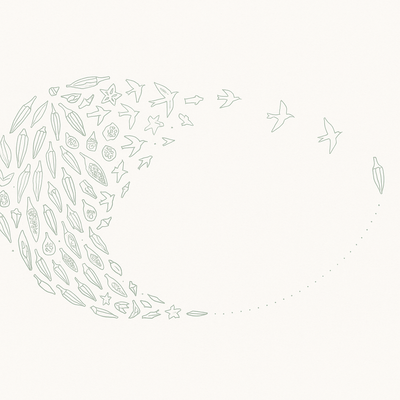
This exposition is an archival gesture emerging from the Dramaturgical Ecologies research-creation collective. Rooted in the entwined inquiries of Blacknesses and Dramaturgy, it gathers the dialogues, encounters and an artistic residency that unfolded through the SSHRC-funded Murmurations project. Between the viscous resonance of okra and the shifting flight of murmuring birds, this exposition shares choreokratic ecologies - a garden of study where movement, thought, and relation co-compose. Here, Blackness becomes a method, a lens, a refrain, challenging the neutrality of the performer-dancer body and inviting modes of collective creation that are relational, porous, and opaque. Murmurations attends to what forms in the formless - like a swarm of birds: a living archive of bodies, voices, and ecologies composing a landscape.