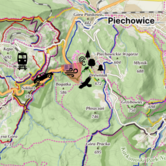
Pětice skladatelů – pedagog, tři studenti a jedna studentka se vydali naslouchat zvukové krajině polského předhůří Krkonoš, aby zkoumali vliv subjektivní percepce na výslednou podobu skladby. Nejdříve zaznamenávali své zvukoprostorové poslechové zkušenosti graficky do skicáků. Vzápětí formulovali tvůrčí záměry skladeb pro komorní ansámbl, které z těchto zkušeností vycházejí. V následujících čtyřech měsících zkomponovali studie s vědomím, že jsou určeny ke studiové realizaci. Kompoziční studie poté sami nahráli a celý proces společně reflektovali. Předložený text vstupuje do kontextu akustické ekologie, instrumentální syntézy a počítačem podporované skladby. Navazuje na kontinuální umělecký výzkum na katedře skladby HAMU v oblasti zvuku a prostoru a tvůrčích aplikací výsledků. Jeho cílem je prozkoumávat vztahy mezi subjektivní zvukoprostorovou zkušeností, volbou kompozičních strategií a výslednou podobou skladby.
Five composers – one teacher and four students – set out to listen to the soundscape of the Polish foothills of the Giant Mountains in order to explore the influence of subjective perception on the final shape of a composition. First, they noted down their sound-spatial listening experiences graphically in sketchbooks. They then formulated creative ideas for chamber ensemble compositions based on these experiences. Over the next four months, they wrote compositional studies with the intention of recording them in the studio. They then recorded the studies themselves and reflected on the entire process together. The presented text enters the context of acoustic ecology, instrumental synthesis, and computer-assisted composition. It builds on continuous artistic research at the Department of Composition at HAMU in the field of sound and space and the creative application of the results. Its goal is to
explore the relationships between subjective sound-spatial experience, the choice of compositional strategies, and the resulting shape of the composition.