(Old) Moon
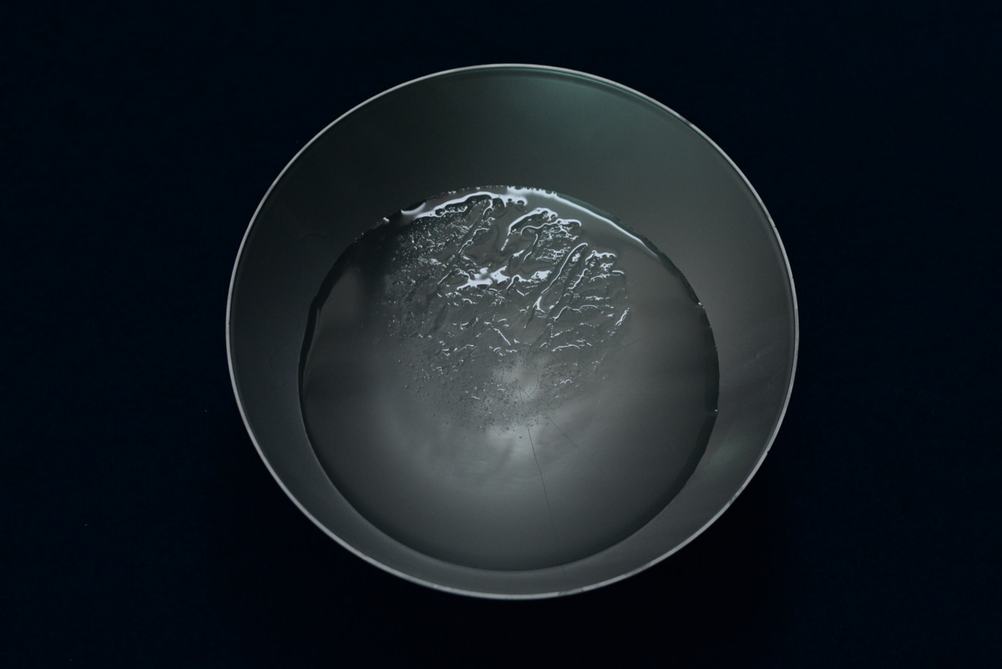
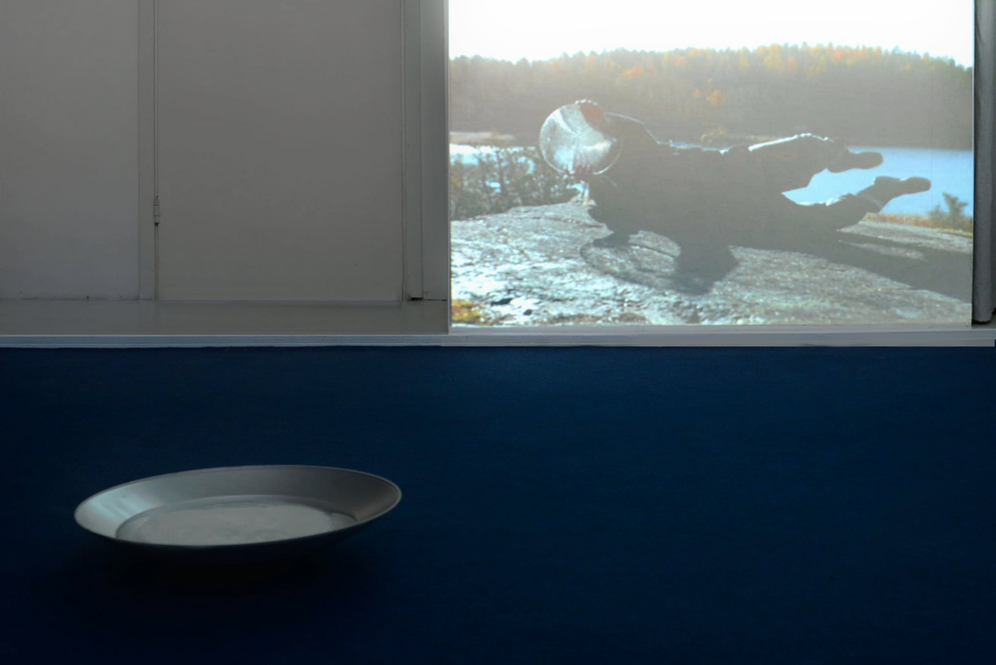
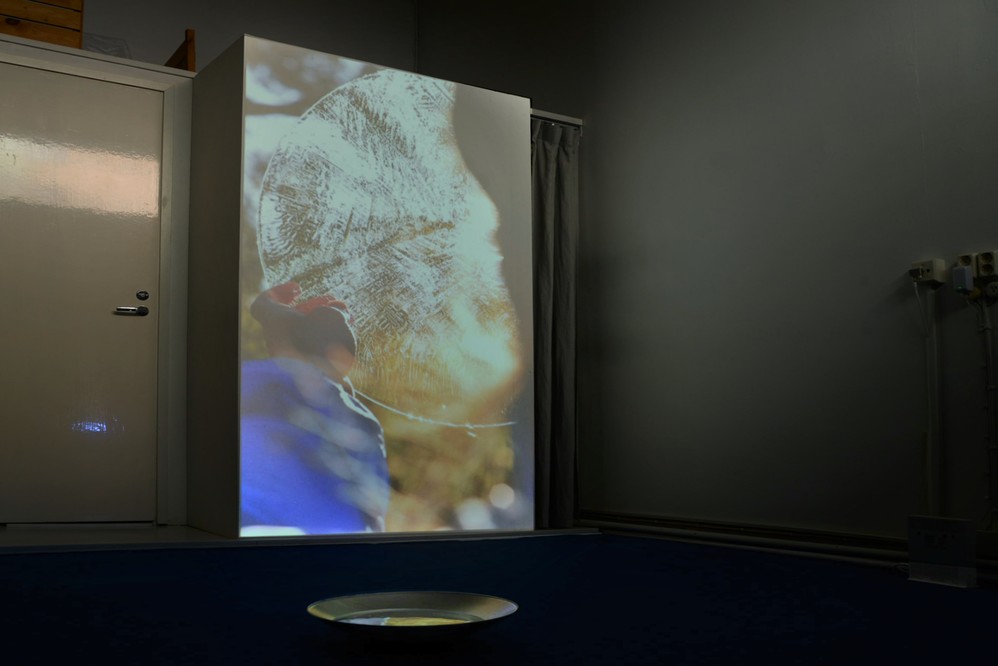
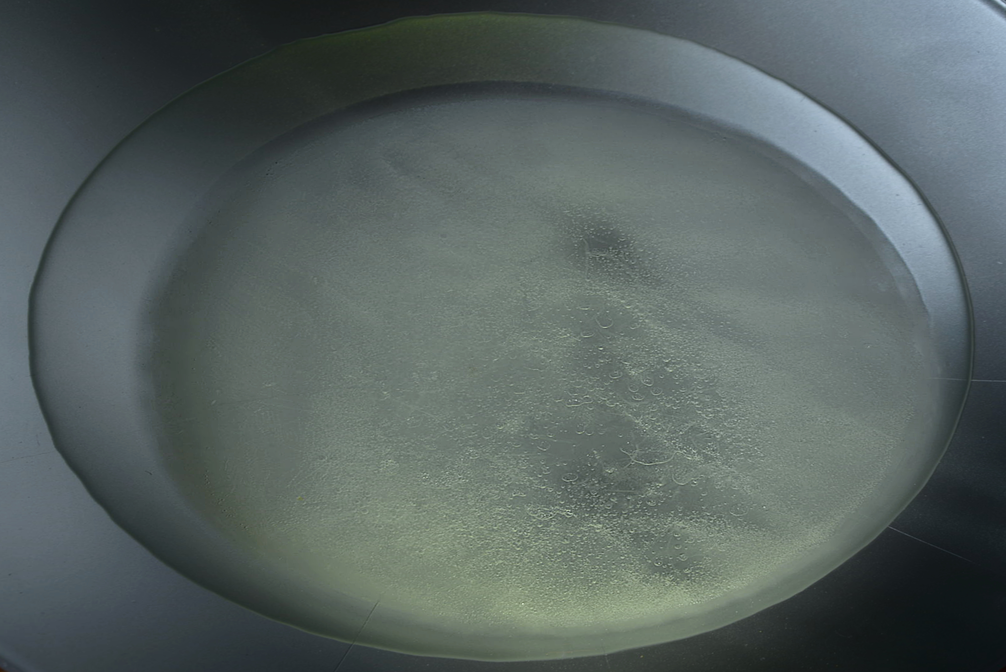
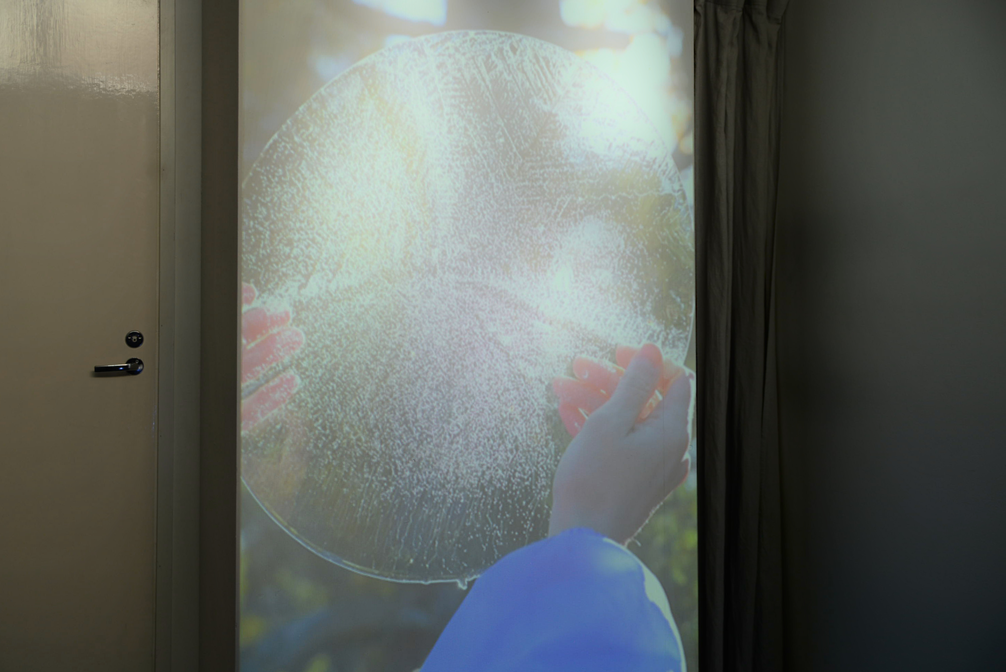
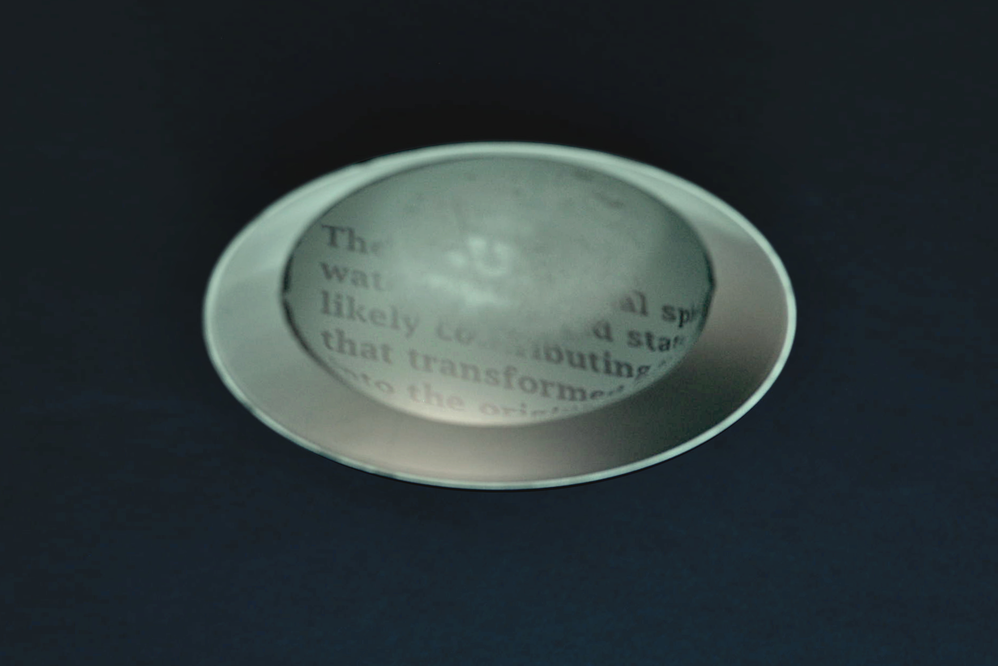
When working with outer space and art, it is rather impossible to bypass the cultural, ritualistic, mythical, and artistic history of the Moon. Perhaps the most familiar mythical images of the Moon include werewolves, the idea of the Moon as a giant cheese, or the iconic scene from Méliès’ 1902 sci-fi film, A Trip to the Moon, where a rocket lands in the Moon’s eye. Or maybe the romantic paintings that capture its influence over the dark night sky come to mind. As curator Laurberg (2018: 20) writes, the moon can be understood as a basic symbol in which science, folklore, technology, fiction, existential searching, and economic and cultural expansion meet. The Moon has throughout times functioned as a mirror for humans to locate and place themselves in the universe. In this project, the Moon functions as a celestial, kinesthetic body that shares a common material history with the Earth. I reimagine and re-sense the echoes of the ancient collision that formed the Moon and ponder the impact this collision might have for my choreographic thinking and practice. It reflects my attention back to planetary awareness, and specifically to my existential, actual and situational relationship with the rocks upon which the experiment was performed. An ice plate in the installation gestures toward the Moon’s influence on Earth’s movements, its tides, its rhythms. It also refers to the first known photograph of the Moon (ca. 1839–40 by John W. Draper), which is now partially decayed by mold and water damage. In choreographic terms the project touches upon the geological and atmospheric intensities and gravitational forces as preconditions for choreographic to emerge. These preconditions are embodied and textualized in the video with a science-fictional tone, which aims to draw attention toward the planetary ‘destiny’ of the Earth.

(NEW) MOON
— Did you know that the Moon is gradually moving away from Earth at a rate of about four centimeters per year?
Also, Earth experiences a slowdown in its rotational speed by approximately two milliseconds per year.
All this far away in the past.
Open the log data.
(Input: Abrupt movement in the eyes.)
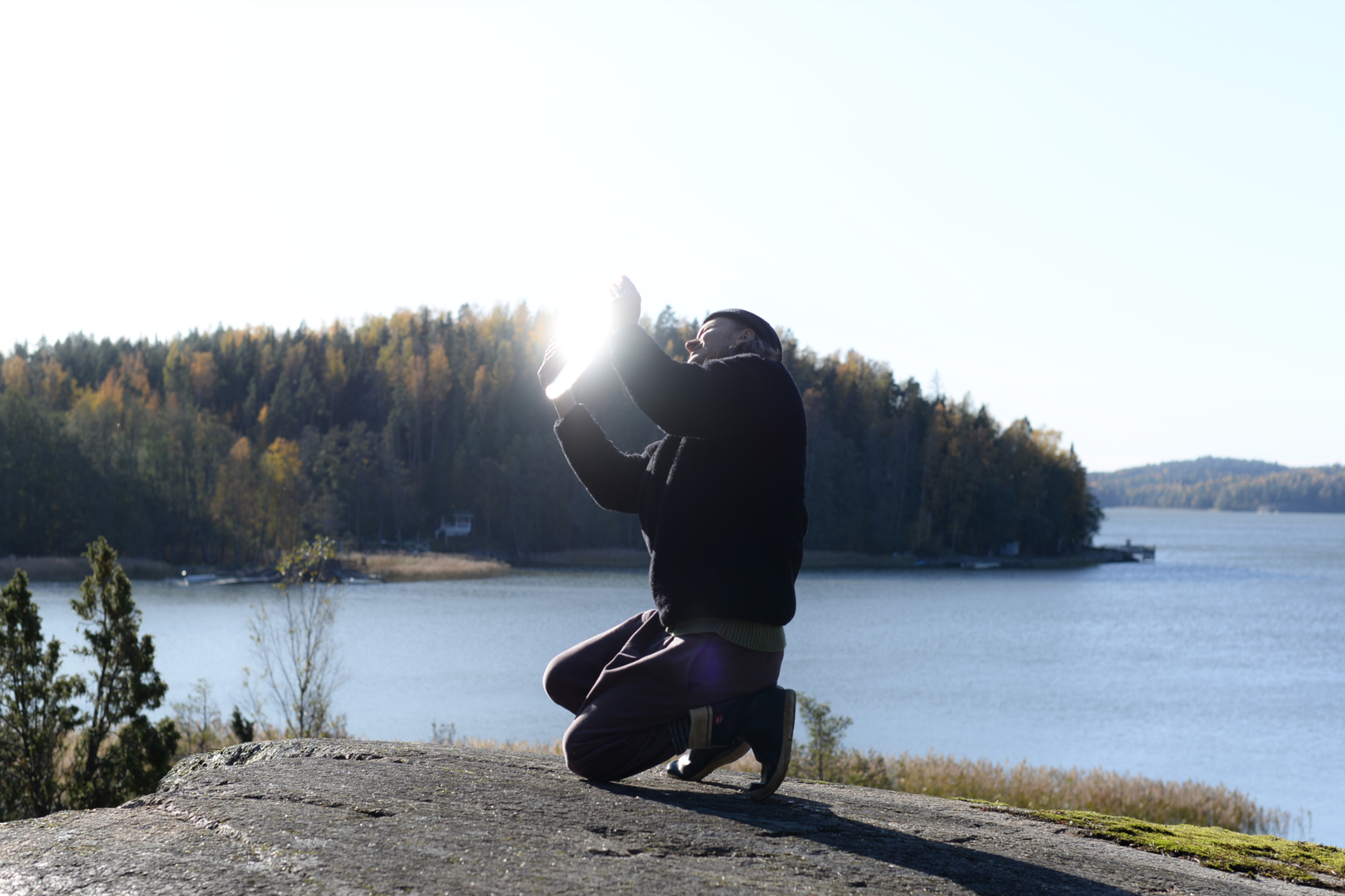
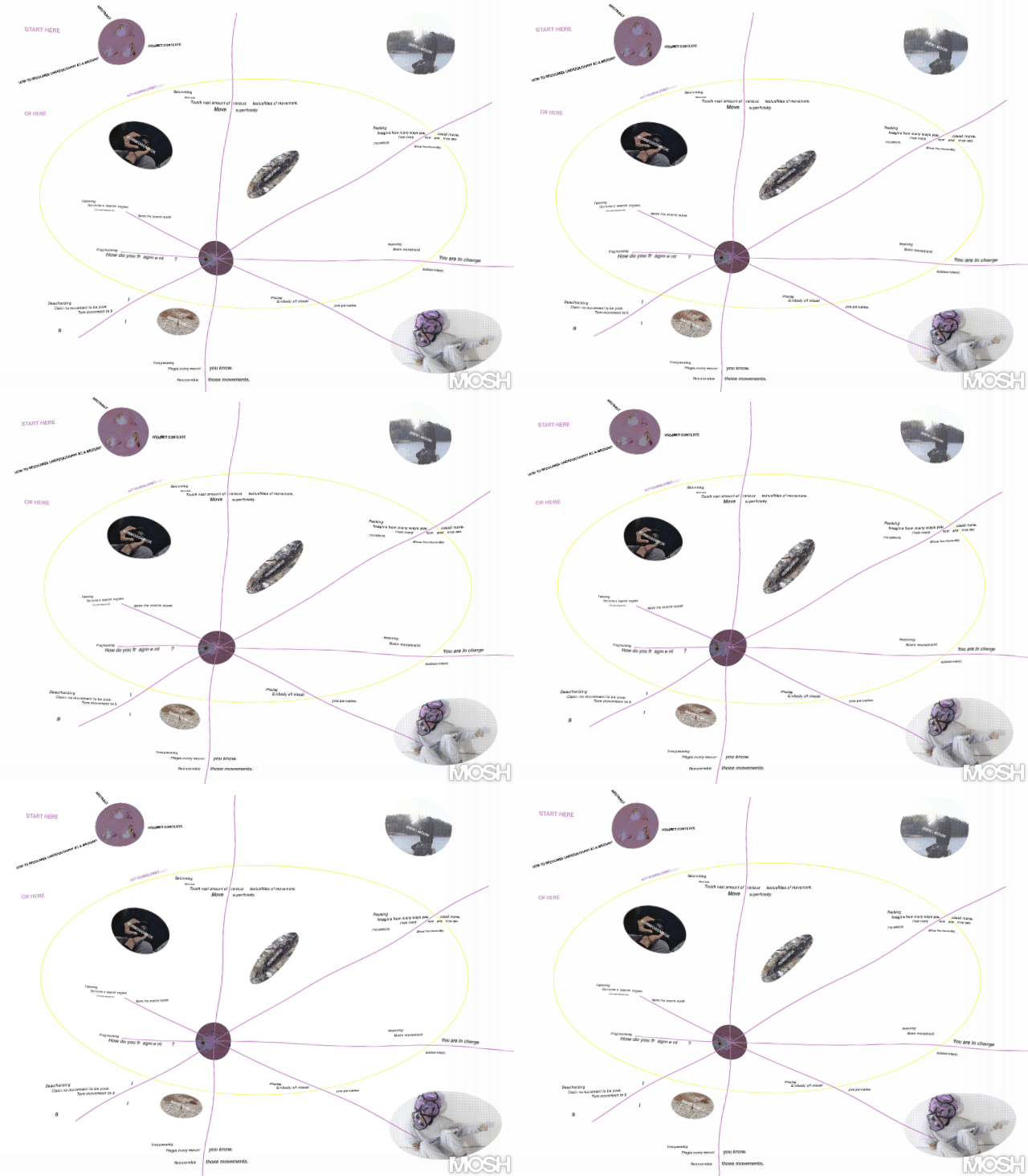
(NEW) MOON is a work in which planetary and spatial movements move the body. The performance took place on a new moon morning — 14 October 2023 — in South-West Finnish archipelago. The video work combines Kellokumpu’s choreoreading practice, speculative fiction, and site-specificity extending into outer space scales and movements. Within the quiet space of Työhuone, (NEW) MOON invites the visitor to sense the choreographic relationships between corporeality and the planetary.
Premiere: 12 April 2024 Pengerkatu 7 — Työhuone, Helsinki
Visual documentation and video: Vincent Roumagnac
⬅ The video on the left side of the page is from the installation.
Below is the transcript of the text from the video.⬇
(NEW) MOON
Did you know that the Moon is gradually moving away from Earth at a rate of about four centimeters per year? Also, Earth experiences a slowdown in its rotational speed by approximately two milliseconds per year. All this far away in the past.
Open the log data.
(Input: Abrupt eye movements.)
The morning air is vaporing when exhaling. I check the rotational forces and charge the telescope. There is no one left in this part of the archipelago. In the clear morning sky, I still spot the Moon. No more birds. They all migrated south. Few weeks ago, I witnessed the last ones departing in unusual formations.
The aeropod was damaged during landing, and I still can’t fly.
Exo-academy old notes: the Moon is a dual entity originating from Theia and Earth. No one knows the exact composition, how much each one’s material forms the origins of the body of the Moon. The collision occurred around 4.5 billion years ago. Gravities are twisting.
(Pause. Start filtering the impact.)
Do you sense it?
I place myself on the rocks of this island, direct my sensors toward the Moon, and wait. The mineral powder dusts when my weight falls on it. The rocks scrub the granulation tissue of the wound. The protective atmosphere is diminishing, and fireballs hit here more frequently. Has the Moon’s sky always been black? No atmosphere to impart color. Sad. The same celestial sphere keeps water in a liquid state, likely contributing to the conditions that transformed lifeless matter into the origins of life, as humans knew it.
(First forces skimmed. Processing new body cells.)
I’m thirsty. The morning coffee lingers on my palate. The distancing Moon and Earth’s slowing rotation warp the time within which my body moves. The time that I comprehend…. Pulse, circulation, breathing — how the body aligns with the deep lava core of this planet and the receding Moon. Sensors display the felt data. Tectonic plates shift the flesh, and the celestial body liquefies space like honey.
Flickering light and blink of an eye.
Today, solar radiation remains low. I left my visors in the cabin. The Moon fades into the morning blue glow. I pivot on the rock, gripping the sensors. Originating from iced liquid with drifting formations, cruising particles embedded in non-moving matter. The warmth of the hands and droplets. A few more, right and left, right and left, then release.
Collision, did you feel?