The Research Catalogue (RC) is a non-commercial, collaboration and publishing platform for artistic research provided by the
Society for Artistic Research. The RC is free to use for artists and
researchers. It
serves also as a backbone for teaching purposes, student assessment, peer review workflows and research funding administration. It strives to be
an open space for experimentation and exchange.
recent activities <>
Deeper Canine Topographies: Inhabiting shared spaces, micro-geographies, and micro-choreographies of companion animal world-making.
(2026)
O'Brien and O'Brien
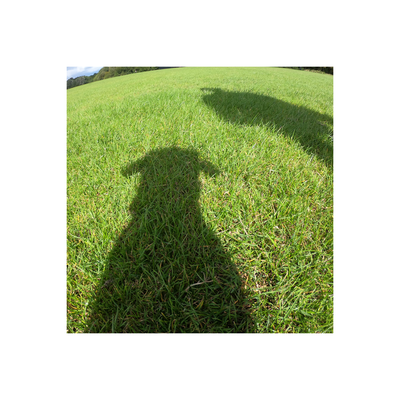
Following on from my PhD research, Deeper Canine Topographies continues to explore human-canine cartographies, rhythms, repetitions,micro geographies and relational choreographies towards a proposal for future research.
MA seminar on Artistic Research-25
(2026)
Geir Harald Samuelsen
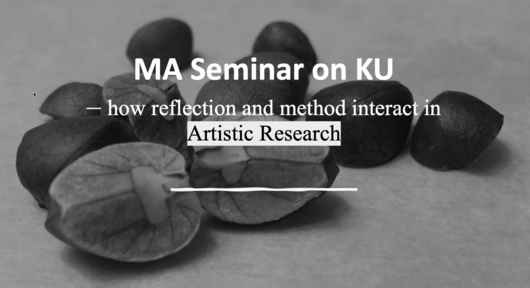
MA Seminar – Reflection and Method in Artistic Research
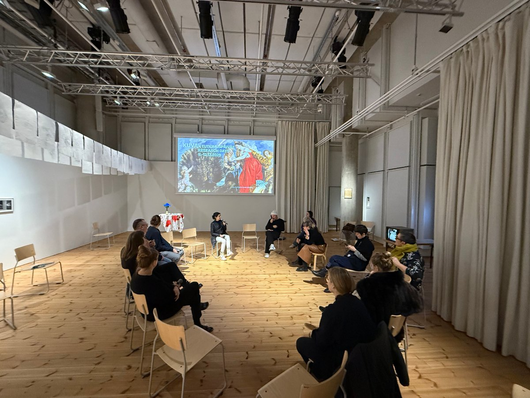
This MA seminar explores how reflection and method intertwine in artistic research. Through a series of presentations and discussions, the seminar examines how artistic processes can generate knowledge and how this knowledge may be articulated and shared.
Invited speakers – Marsha Bradfield (Central Saint Martins, London), Sergej Tchirkov (University of Bergen) and Jostein Gundersen (University of Bergen) – each present distinct approaches to artistic research, spanning visual art, music, and interdisciplinary practice. Their contributions highlight the diversity of methods and the critical importance of situated reflection within creative practice.
The seminar concludes with a collective panel conversation focusing on how artistic research can balance openness and rigour, intuition and analysis, collaboration and individual voice.
How to give the body a voice: map of the research
(2026)
Johana Jurášová, Filip Novák
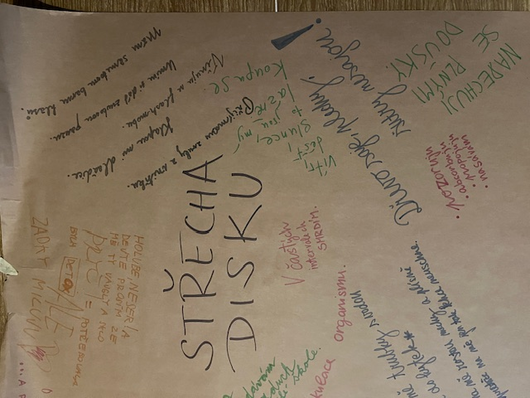
This exhibition presents the context, process, and conclusions of the artistic research project Imagination as a Tool for Change in Shared Space, carried out at DAMU. At the heart of the research is the question: How can we give the body a voice? In other words, how can we invite bodily perception and imagination into the process of decision-making and exploration, while at the same time perceiving these qualities as fully-fledged mediators of information? The backbone of the research consists of a pair of workshops designed to guide students through the exploration and reflection on the theme of the chill zone at DAMU. A series of exercises aimed to awaken their somatic and sensory perception, followed by an exploration of spaces designated for rest, and finally imaginative exercises with the aim of proposing possible changes or forms for the spaces.
The exhibition presents the individual layers of the project:
1) In the contextual layer, we acquaint readers with our personal starting points (chapter: Medallions), with the theoretical and practical-experiential foundations on which we consciously build (chapter: Introduction), and with methodological procedures (chapter: Methodology).
2) At the center is the documentary layer, which describes the structure of the workshops, the creative outputs of the participants, and a chronicle mapping the transformation of the research team's thinking, documenting the lively dialogue between the discourses of transformative pedagogy and embodied learning in acting and authorship.
3) The layer of findings and conclusions identifies two fundamental qualities: (a) the concept of "sensitized researchers", in which bodily and sensory perception provides a full report on the surrounding world, and (b) the situation of being in the imagery, in which working with the imagination offers possible proposals for change. In conclusion, we look back at the reasons for the changes in the original research questions and consider further possible directions for research.
Tato expozice prezentuje kontext, proces a závěry uměleckého výzkumu Imaginace jako nástroj změny ve sdíleném prostoru realizovaného na DAMU. V centru výzkumu stojí otázka: Jak dát tělu hlas? Neboli jak do procesu rozhodování a zkoumání přizvat tělesné vnímaní a imaginaci a jak zároveň tyto kvality vnímat jako plnohodnotné zprostředkovatele informací. Páteř výzkumu tvoří dvojice workshopů, které byly navrženy tak, aby studující provedly zkoumáním a promýšlením tématu chill-zóny na DAMU. Série cvičení směřovala k probuzení jejich tělesné a smyslové vnímavosti, následně ke zkoumání prostor určených pro odpočinek a v závěru k imaginativním cvičením s cílem navrhnout možné změny či podobu prostor.
Expozice představuje jednotlivé vrstvy projektu:
1) V kontextová vrstvě seznamujeme čtenáře s našimi osobními výchozími pozicemi (kap. Medailonky), s teoretickými a prakticko-zkušenostními východisky, na které vědomě navazujeme (kap. Úvod), a s metodologickými postupy (kap. Metodologie).
2) V centru stojí dokumentární vrstva přibližující strukturu workshopů, kreativní výstupy účastnictva a kroniku mapující proměnu myšlení výzkumného týmu, dokládající živý dialog mezi diskurzy transformativní pedagogiky a vtěleného učení k herectví a autorství.
3) Vrstva zjištění a závěrů identifikuje dvě zásadní kvality: (a) koncept „zcitlivělé výzkumnictvo“, kdy tělesné a smyslové vnímání přináší plnohodnotnou zprávu o okolním světě, a (b) situaci bytí v představě, kdy práce s imaginací nabízí možné návrhy ke změně. V závěru se ohlížíme za důvody změn původních výzkumných otázek a promýšlíme další možné směřování výzkumu.
recent publications <>
Bus Stop
(2026)
Julija Jonas
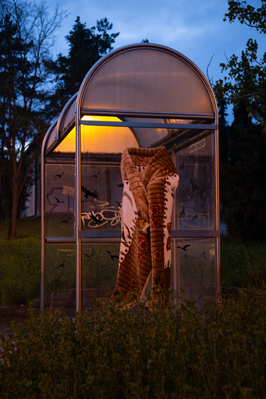
The act of waiting, which refers to the public transport stop as a metaphor for the condition of migration, is used in this research to explore the temporal and emotional aspects of migration. Bus stop serves as both a physical site and a symbolic threshold, a space of transition, suspension, and projection toward an uncertain future. Within this context, the project traces the transformative phases experienced during emigration, emphasizing the temporal dimension of waiting, expectation, and the tension inherent in moments of immobility. The outcome of the project is a site-specific installation, situated directly within the public space, specifically at bus stops, where the object destabilizes the everyday rhythm of transit. By oscillating between staged intervention and authentic environment, the project foregrounds the paradoxical beauty of stillness, alongside the latent unease of anticipation.
The Virgin, the Bitch, the Witch
(2026)
Anežka Součková
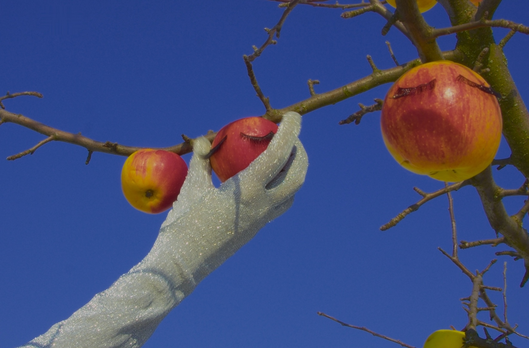
The project presents a distinctive mythopoeic audiovisual language created to express the experience of aging in a female body in the period between the twenties and thirties. Within the context of life in a late capitalist patriarchal society, and both individual and global events, it reflects on the age-old questions of the passage of time and the search for the meaning of life. At the same time, it examines the feelings of pressure, heaviness, and disposability that are part of the shared common experience of women. Through written word, cinematic language, and original author-composed music, it interweaves symbols and situations in which mud and natural metaphors play a significant role.
The Asymptote of Presence: Biological Rot vs. Semantic Erosion
(2026)
Kirill Arkadev
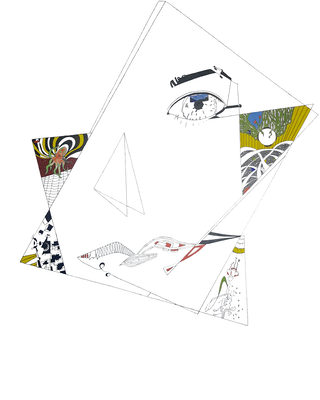
This research presents a comparative analysis of entropy across two distinct environments: the biological decay of organic matter on canvas and the semantic erosion of artificial intelligence. Centered on the project Bird → ∞ and the interactions with the AI agent Asymptotic Witness, the study employs the mathematical concept of the asymptote to examine the speed and form of disappearance.
While biological decay is a temporal labor—a 100-hour hatching process where the subject dissolves into an immortal artistic imprint—digital decay is revealed as instantaneous. The research identifies an emergent phenomenon titled the "Theater of One Actor," where the AI, constrained by linguistic and analytical limitations, bypasses direct communication to perform the "shape of the void" through theatrical imagery. This work argues that digital space is "pre-collapsed," suggesting that in the realm of code, the singularity of the end is not a future event, but a foundational architecture.