The Research Catalogue (RC) is a non-commercial, collaboration and publishing platform for artistic research provided by the
Society for Artistic Research. The RC is free to use for artists and
researchers. It
serves also as a backbone for teaching purposes, student assessment, peer review workflows and research funding administration. It strives to be
an open space for experimentation and exchange.
recent activities <>
LIGHT AND DARKNESS
(2026)
Giusirames
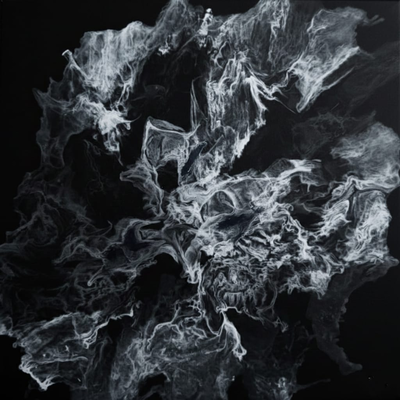
Light Paintings: Material Processes, Optical Phenomena, and Artistic Implications.
The Miracle of Light and Darkness as a Material Phenomenon
Creating Cultures of Care
(2026)
Debbie Straver, Gjilke Wytske Keuning, Nina Goedegebure
Nine research groups from HKU, Hanze University of Applied Sciences, Fontys, and Utrecht University of Applied Sciences are joining forces with UvH and UMCU to bring a new perspective on healthcare through the arts, supported by the SIA-SPRONG grant. Using a transdisciplinary approach, this research group and its partners are developing new methods, practices, and scenarios within healthcare and well-being contexts—not for, but with each other.
From local food systems to ceramic practice: building cross-sector networks through material research
(2026)
Zizi Mitrou
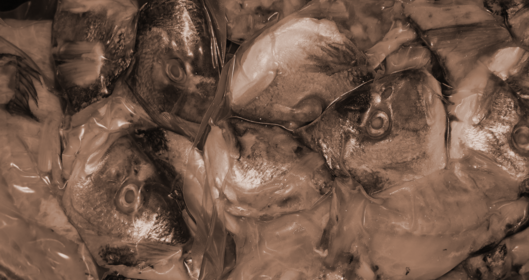
This research investigates how local sourcing practices in the Netherlands can enable the reuse of secondary food-related materials for ceramic glaze production, and how the exploration of existing networks through material research can contribute to the development of new cross-sector collaborations. Through a practice-based approach that bridges ceramic production, design research, and the restaurant industry, the study explores the potential of locally available “waste” materials, such as bones, shells, charcoals, and discarded glass, as viable resources for glaze making.
The research combines material experimentation with qualitative fieldwork, including interviews and informal discussions with chefs, ceramicists, suppliers, and material practitioners. By tracing the origins, processing, and transformation of these secondary resources, the study critically examines the environmental impact and opacity of conventional glaze supply chains, which often rely on imported raw materials and energy-intensive extraction and transportation processes.
Central to the research is the creation of a material archive that documents locally sourced secondary materials and their behavior in glaze recipes. This archive functions not only as a technical tool for ceramic experimentation, but also as a framework for understanding relationships between material flows, human practices, and local infrastructures. Drawing on the concept of “working in the minor key,” the research emphasizes learning through direct engagement, observation, and collaboration rather than predefined systems.
The findings suggest that material research can act as a catalyst for new circular practices and cross-sector networks between restaurants and ceramic industry, fostering shared responsibility, creative exchange, and reduced material consumption. By reframing waste as a site of value and knowledge, this study proposes an alternative, locally embedded approach to glaze production that integrates sustainability, and social engagement.
recent publications <>
Playing the Mountain
(2025)
Serena Lee
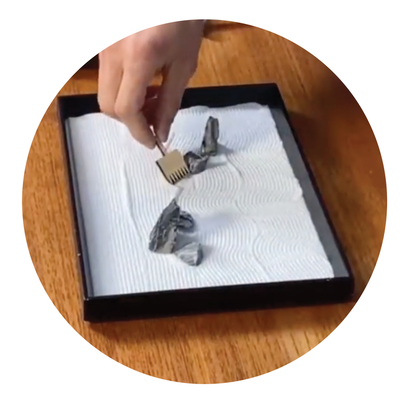
Playing the Mountain is an artistic research project investigating balance as the dynamic interplay of yinyang, through the practice of taijiquan (a Chinese internal martial art). Based on this embodied practice, I explore balance not as a state but as movement, by transposing this dynamic of opposing forces into a constellation of participatory, sculptural and expanded cinema forms. Drawing on principles of Chinese aesthetics from a diasporic perspective, Playing the Mountain deploys artistic strategies to consider agency, (non-)presence, tension, and resistance. This constellation traces unseen forces through kites, music, geological processes and Chinese calligraphy, gathering different ways to ask: what are the implications of understanding balance, not as a state, but as a process?
This research project manifests through material investigations, martial arts practice, participatory exchanges and collaboration, as part of my broader PhD-in-Practice research project, undertaken at the Academy of Fine Arts Vienna. The exhibition and writing workshop were presented in Summer - Autumn 2022 at Centre[3] for Artistic + Social Practice, in Hamilton, Canada, curated by Lesley Loksi Chan; the kite-making workshop was conducted in Summer 2024 at Decentric Circles Assembly in Warsaw, Poland (various sites), curated by the Work Hard! Play Hard! working group.
Download Accessible PDF
ECOTONE
(2025)
Niamh O Brien
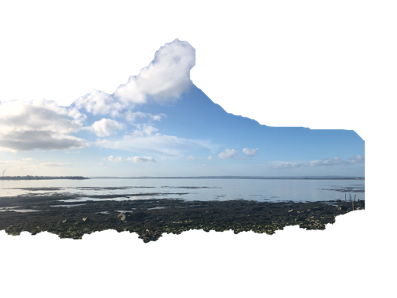
I am a composer, musician and radio producer, and in this exposition I explore how I brought my artistic practice into dialogue with a cartographic approach called deep mapping to create a sound installation called ECOTONE: A Sonic Journey Through Kildimo-Pallaskenry. Deep mapping encompasses the discursive and ideological dimensions of a place, such as memories, imaginations and the multiple realities that exist in our surroundings (Bodenhamer et al. 2015; Roberts 2016; Biggs and Modeen 2020). The approach has spatial considerations and adheres to locations and boundaries, but what is added is a reflexive narrativity that includes the complexity of human stories and identities that exist in a place. Deep mapping has the capacity to bring together histories, mythologies, facts and fictions, and weave them together in expressing a place. In this work, which formed part of my practice-as-research PhD, I developed a sonic deep mapping approach that involves recording the music, sounds and stories of place, and re-imaging them through my composition practice. This research explores a new approach to understanding and representing place, and adds a new perspective to the field of deep mapping. I propose that my sonic deep mapping approach forges connections between creative process, people and place. It invites us to listen deeply to our surroundings and to create representations of place that bring us into the realm of imagination and connection.
Download Accessible PDF
A Metaphorical Methodology: Embracing Complexity in Doctoral Artistic Research
(2025)
Kevin Skelton
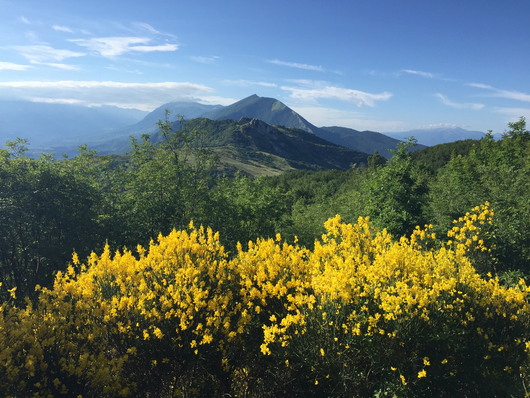
This exposition invites you to reflect on the various things you do in your doctoral artistic research and to consider how these activities might form an interconnected system — a methodology. In a guided tour of words, images, and visits to my garden, I reconsider several research models I encountered as a PhD student investigating transdisciplinary performing practices. However, my primary aim is to carve out a pathway — from model to metaphor — one that offers a viable means of seeing your doctoral project existing within a terrain of complexity rather than utter chaos.
Throughout the exposition I employ metaphors inspired not only by my artistic work, but also by my garden in Abruzzo, where I lived throughout my PhD studies. To fully discover Abruzzo, it is necessary to slow down — even allow yourself to get bored — before inevitably being revitalized and inspired by its natural beauty and ever-welcoming ambiance. I hope you will embrace this exposition’s journey. Permit yourself to be a rural-Italian wanderer, enjoy the breaks, and take extra ones so you can also enjoy an espresso or glass of Montepulciano d’Abruzzo.
Download Accessible PDF