The Research Catalogue (RC) is a non-commercial, collaboration and publishing platform for artistic research provided by the
Society for Artistic Research. The RC is free to use for artists and
researchers. It
serves also as a backbone for teaching purposes, student assessment, peer review workflows and research funding administration. It strives to be
an open space for experimentation and exchange.
recent activities <>
Inistitute for Relocation of Biodiversity
(2026)
Christallina Rox
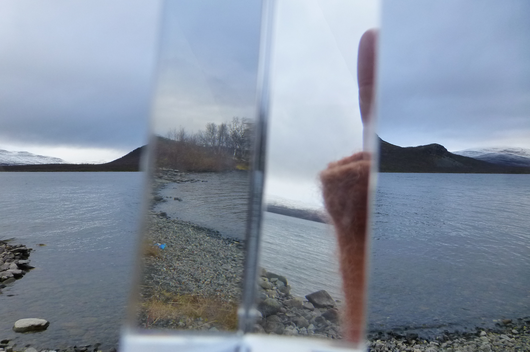
In 2017, Christina started to work under the name "Institute for Relocation of Biodiversity" that serves as platform for artistic interventions and hosts her explorations around human nature divide. Under this umbrella, she creates a series of videos that simulate, suggest and create utopian and dystopian realities connected with the contemporary discourse around the anthropocene, climate change and the current biodiversity crisis.
HUMAN OBJECT– A disobedient pathway towards a more resonant design practice
(2026)
Siv Lier
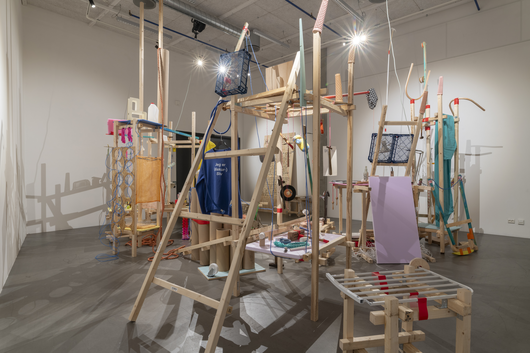
A PhD project in artistic research.
Public defence February 2026
an attempt to collapse
(2026)
Tora Hed
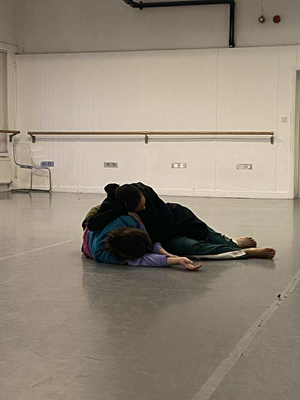
Artistic research exploring the action of collapsing or an attempt to collapse. Spend 3 sessions working with other dance practitioners in a studio. This text will be a collection of thoughts gathered after movement research. The material was collected through talks, writing and drawings. With this exposition I am sharing early stages of something I am calling an attempt to collapse
recent publications <>
You, Me, the Lakes and the Storm Water Drain
(2025)
Naomi Zouwer, Affrica Taylor
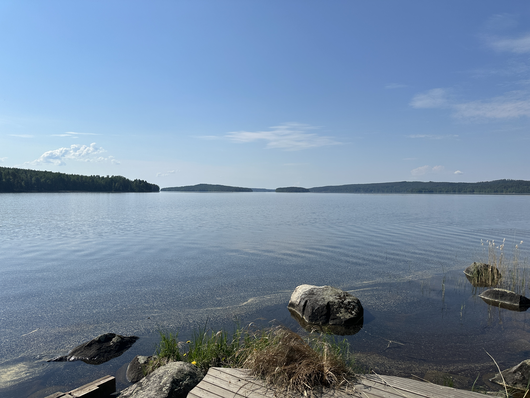
This exposition charts a creative collaboration between two humans, two lakes and a stormwater drain. By thinking with water as archive and unknowability, making art with the water-bodies of significance to them, and drawing upon the thoughts of key scholars and Indigenous artists, the authors explore questions of ancestry, memory, belonging, and ecological recuperation. Throughout this process, they reflect upon and dialogue about the pedagogical implications of their creative collaboration, undertaken at the intersection of new-materialist arts and common worlds environmental education.
VEDEN LAKI - uudistavaa taiteilijapedagogiikkaa hahmottamassa
(2025)
Sara Elina Ilveskorpi
Below in English
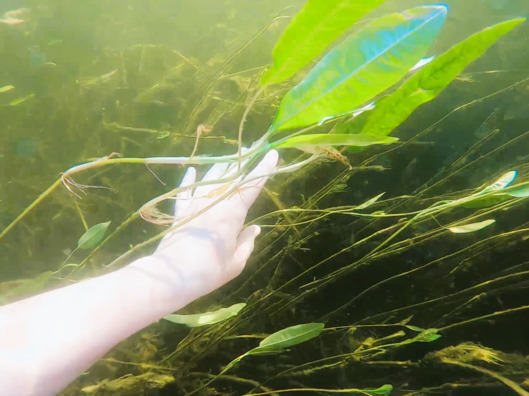
Ekspositio pyrkii vastaamaan tarpeeseen uudistavan kasvatuksen (regenerative education) tavoitteissa taiteilijapedagogisesta lähtökohdasta. Ekspositio pohjautuu paikkasidonnaiseen interventioon ja kuvailee taiteilijapedagogisen oppimisprosessin. Ekspositio tunnustelee taiteilijapedagogiikan suhdetta ekologisiin kysymyksiin kestävyysajatteluun sitoutuneen taiteilijapraktiikan ja taidepedagogian solmukohdassa. Kirjoittaja arvioi vahvan kestävyyden käsitteen avulla, millaisia ristiriitoja kestävyysajattelun ja oman praktiikan välille ilmaantuu interventioprosessin aikana, ja millaiset olosuhteet johtavat konflikteihin. Ekspositio tarkastelee aihetta ”myötäsyntyisen” metodin avulla yhdistäen taiteellista, agroekologista ja posthumanistista tutkimusta poikkitieteisesti. Päälöydöksenä on, että uudistavan kasvatuksen tavoitteet sotkeutuvat yhteiskunnan odotuksiin, päämääriin ja moraalikäsityksiin. Tämä johtaa neuvotteluun kestävyysajatteluun sitoutuneen taiteilijapraktiikan arvoissa suhteessa taiteilijapedagogiseen toimintaan. Kirjoittaja väittää, että taiteellisessa työssä ei ole erivapautta toimia ekologisesti kestämättömällä tavalla, koska taide on yhtä riippuvaista ekologisista suhteista kuin muukin elo. Hän väittää, että vahvan kestävyyden käsitteeseen sitoutumalla on mahdollista perustaa uusia arvostamisen paikkoja ja kehittää uudistavaa pedagogiikkaa.
The exposition aims to meet the need for the aspiration of regenerative education from an artist pedagogical practice. The exposition is based on a place-specific intervention and outlines the artist pedagogical learning process. The exposition explores the relationship of artist pedagogy to ecological issues. Exploration happens at the intersection of artist practice committed to sustainability thinking and art pedagogy. Reflecting the concept of strong sustainability, the author assesses what kind of contradictions between sustainability thinking and one’s own practice emerge, and what kind of circumstances lead to conflicts. The exposition takes place with “innate” method, combining artistic, agroecological and posthumanist research in an interdisciplinary manner. The main finding is that the goals of regenerative education are entangled with the expectations, goals and moral concepts of society. This accompanies a negotiation of the values of artist practice committed to sustainability thinking. Negotiation takes place in relation to artist pedagogical activity. The author argues that there is no waiver to act in an ecologically unsustainable manner in art practice, because art is as dependent on ecological relationships as any other concept of life. She argues that by committing to a concept of strong sustainability, it is possible to establish new places of appreciation and develop innovative pedagogies.
Taiteellisen duodjitutkimuksen tiloissa: LaavuStudio pedagogisena ja taiteellisena kokeiluna
(2025)
Outi Maarit Saara Magga
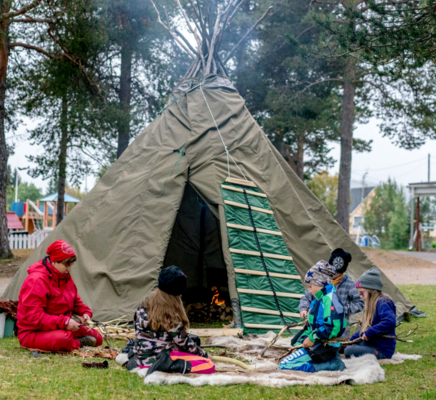
Duodji refers to Sámi handicrafts and design. I reflect on the knowledge base of duodji thinking, how duodji is learned within the community, and how I have developed the teaching and research of duodji according to the principles of duodji and art. I also contemplate the essence and presentation of duodji in public spaces through the pedagogical-artistic practice, LaavuStudio."