The Research Catalogue (RC) is a non-commercial, collaboration and publishing platform for artistic research provided by the
Society for Artistic Research. The RC is free to use for artists and
researchers. It
serves also as a backbone for teaching purposes, student assessment, peer review workflows and research funding administration. It strives to be
an open space for experimentation and exchange.
recent activities <>
LIGHT AND DARKNESS
(2026)
Giusirames
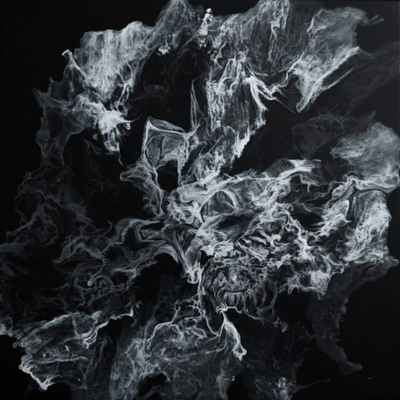
Light Paintings: Material Processes, Optical Phenomena, and Artistic Implications.
The Miracle of Light and Darkness as a Material Phenomenon
Creating Cultures of Care
(2026)
Debbie Straver, Gjilke Wytske Keuning, Nina Goedegebure
Nine research groups from HKU, Hanze University of Applied Sciences, Fontys, and Utrecht University of Applied Sciences are joining forces with UvH and UMCU to bring a new perspective on healthcare through the arts, supported by the SIA-SPRONG grant. Using a transdisciplinary approach, this research group and its partners are developing new methods, practices, and scenarios within healthcare and well-being contexts—not for, but with each other.
From local food systems to ceramic practice: building cross-sector networks through material research
(2026)
Zizi Mitrou
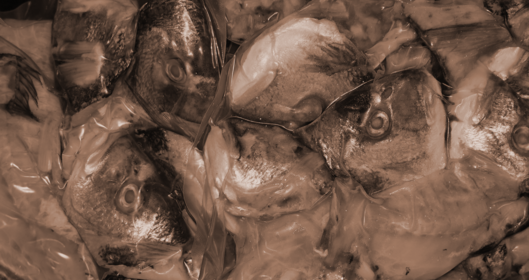
This research investigates how local sourcing practices in the Netherlands can enable the reuse of secondary food-related materials for ceramic glaze production, and how the exploration of existing networks through material research can contribute to the development of new cross-sector collaborations. Through a practice-based approach that bridges ceramic production, design research, and the restaurant industry, the study explores the potential of locally available “waste” materials, such as bones, shells, charcoals, and discarded glass, as viable resources for glaze making.
The research combines material experimentation with qualitative fieldwork, including interviews and informal discussions with chefs, ceramicists, suppliers, and material practitioners. By tracing the origins, processing, and transformation of these secondary resources, the study critically examines the environmental impact and opacity of conventional glaze supply chains, which often rely on imported raw materials and energy-intensive extraction and transportation processes.
Central to the research is the creation of a material archive that documents locally sourced secondary materials and their behavior in glaze recipes. This archive functions not only as a technical tool for ceramic experimentation, but also as a framework for understanding relationships between material flows, human practices, and local infrastructures. Drawing on the concept of “working in the minor key,” the research emphasizes learning through direct engagement, observation, and collaboration rather than predefined systems.
The findings suggest that material research can act as a catalyst for new circular practices and cross-sector networks between restaurants and ceramic industry, fostering shared responsibility, creative exchange, and reduced material consumption. By reframing waste as a site of value and knowledge, this study proposes an alternative, locally embedded approach to glaze production that integrates sustainability, and social engagement.
recent publications <>
Touring Electroacoustic Musicians
(2025)
Mathieu Lacroix
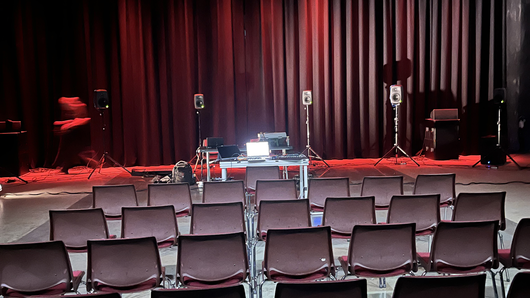
Touring occupies a unique and often underexplored role in the careers of electroacoustic musicians, where the intersection of artistic, technical, and logistical challenges becomes especially pronounced. This article examines the practical realities of touring within the context of multichannel electroacoustic music, using Electric Audio Unit’s (EAU) performance in Tallinn as a case study. The article highlights the challenges of preparing for and executing a multichannel concert in an unfamiliar venue, including issues of spatialization, equipment compatibility, and time constraints. Additionally, it reflects on the broader demands placed on electroacoustic musicians, who must often juggle multiple roles to ensure the success of their performances.
Hidden Stone
(2025)
Marte Johnslien
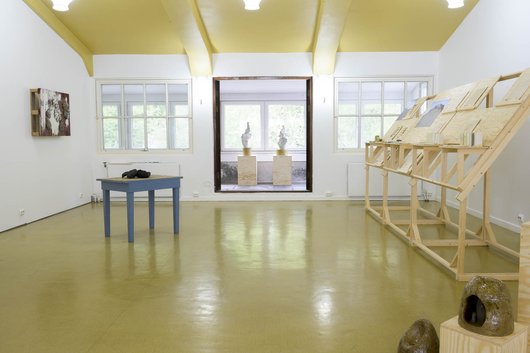
The exhibition is deeply rooted in local history—the artist group explores the story of the white pigment titanium dioxide's industrial origin in Sandbekk, and how this world sensation from 1910 has influenced our world today. Titanium dioxide white pigment is a global color phenomenon. Ilmenite is transported from Titania to its sister company Kronos Titan in Fredrikstad, where it is refined into titanium dioxide. From there, the pigment circulates seemingly invisibly in a global network of systems. It is used in paint, plastics, paper, ink, cosmetics, medicine, sunscreen, and millions of products we use daily. This history is the starting point for the development project TiO2: The Materiality of White.
Over the past two years, the artist group has visited Titania's mines and deposits, gathering materials from the local history. Just as geologists examined the areas in Sokndal over 150 years ago in search of valuable minerals, the group has wandered through the landscape, picking stones and collecting sand, clay, and rust-colored earth. These findings have been brought back to the ceramic laboratory at KhiO, where they have been processed through ceramic methods.
dorsal practices [re-turning]
(2025)
Emma Cocker, Katrina Brown
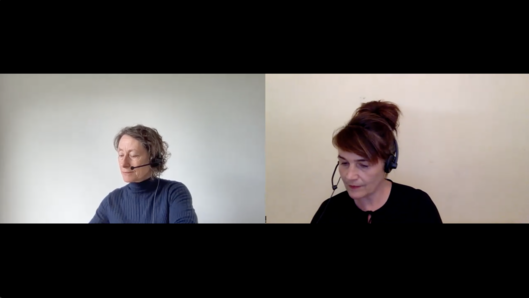
This exposition comprises textual fragments (both written and voiced) produced through the act of returning to (in turn re-activating, re-configuring, even re-imagining) conversational transcripts generated within the artistic research project Dorsal Practices, a collaboration between choreographer Katrina Brown and writer-artist Emma Cocker. Initiated in January 2021, Dorsal Practices is an artistic collaboration for exploring how the cultivation of a back-oriented awareness and attitude might shape and inform our embodied, affective and relational experience of being-in-the-world. Conceived at the threshold between choreographic-movement practices and language-based artistic research, Dorsal Practices explores how the experiences of listening, languaging, even thinking, might be shaped differently through this embodied tilt of awareness and attention towards the back, moreover, through a practice of coming back, the act of (re)turning. The original transcript material that forms the basis of this exposition was produced through a practice of conversation undertaken within six interrelated blocks of exploration, taking place over 18 months between October 2022 and February 2024. Within this period of enquiry, we — Brown and Cocker — focused our attention on the act of returning within our shared practice, re-imagined as a "dorsal turn". Through the intermingling of two registers of language-based practice, that is, through the performativity of both the written and spoken texts themselves, within this exposition we attempt to make tangible how the dorsal gesture of the turn and the circling principle of re- become operative as a spinal thread within our shared enquiry. Deviating from the straightforwardness of a strictly linear text, we invite a form of dorsal listening-reading that might engage through loops and returns. We conceive the research artefacts generated through the practice itself as the central focus within this exposition, alongside a supporting text where we introduce the wider enquiry of Dorsal Practices, reflecting on how we conceive the act of turning and of re-turning therein.