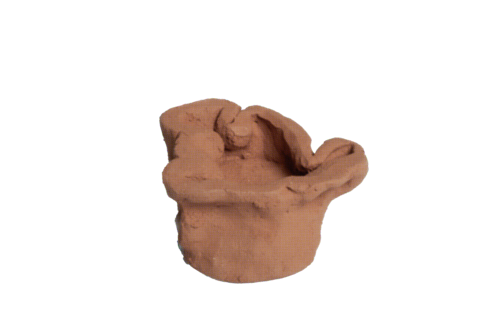
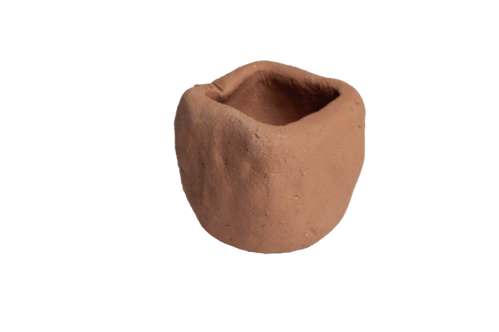
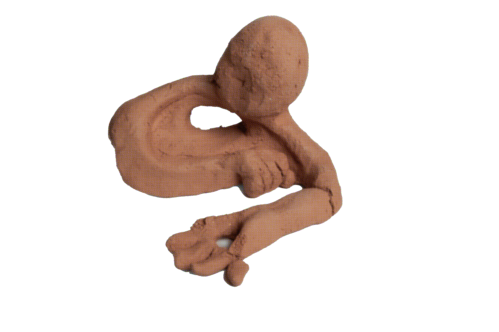
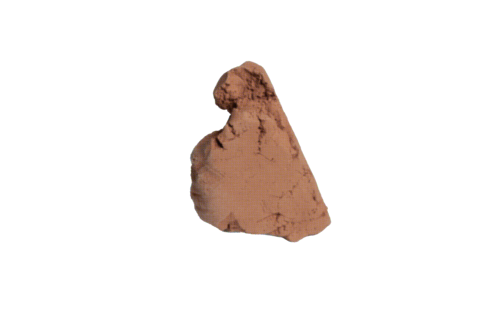
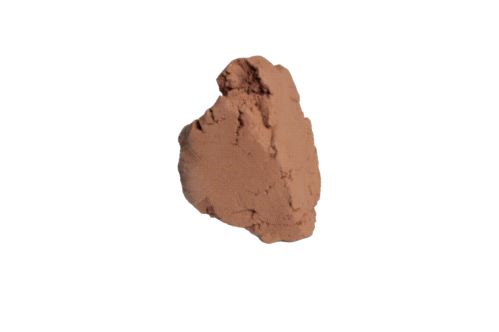
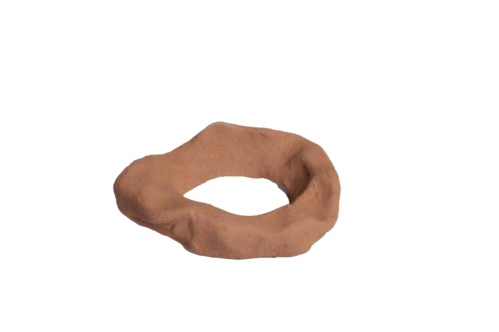
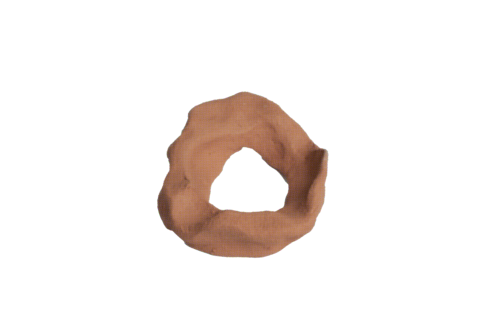
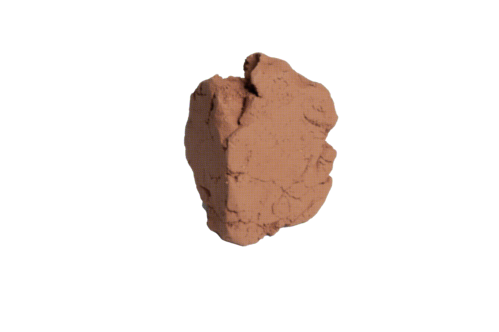
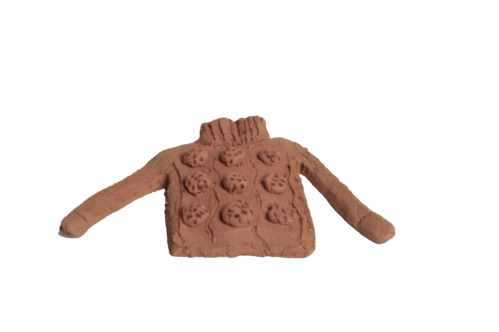
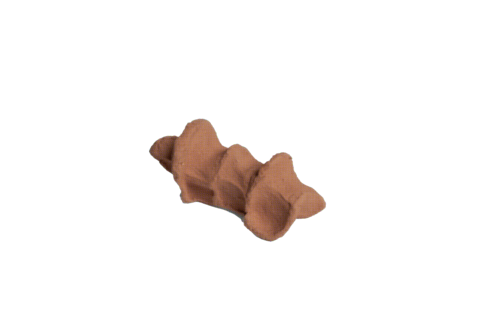
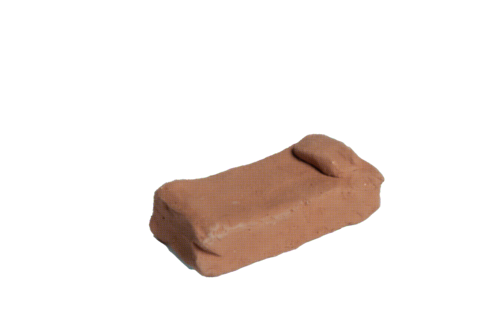
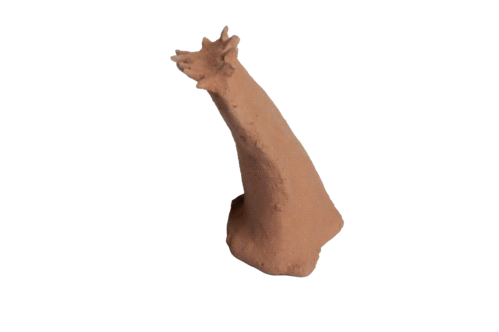
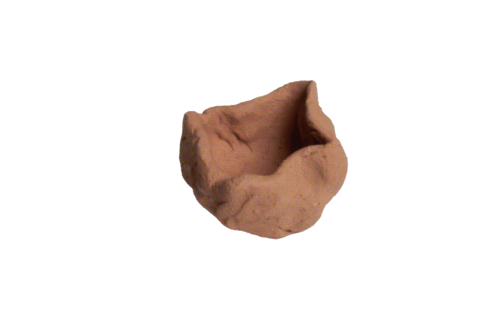
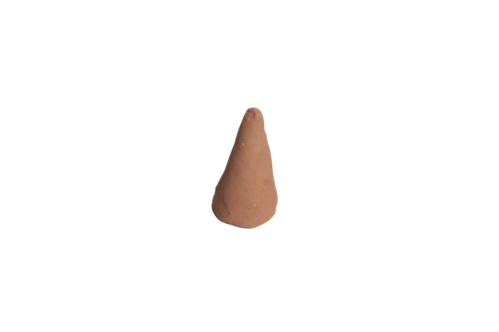
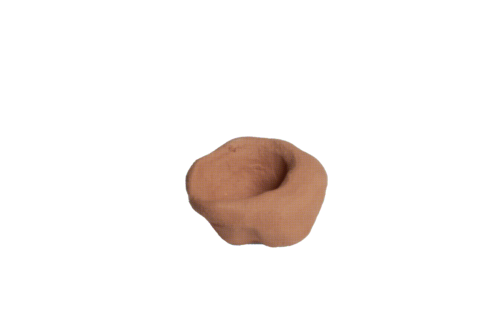
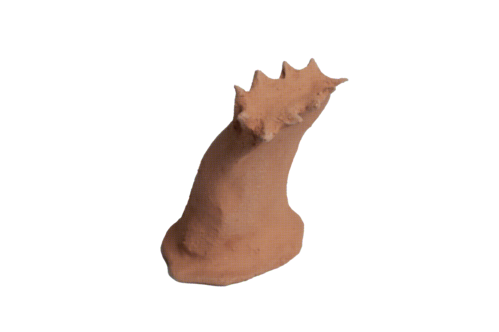
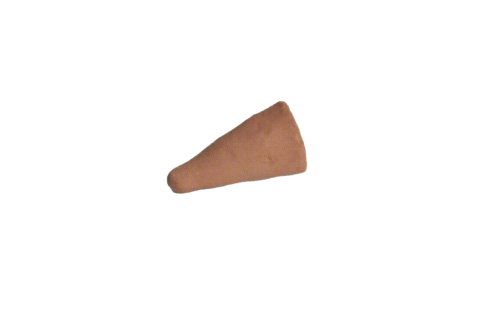
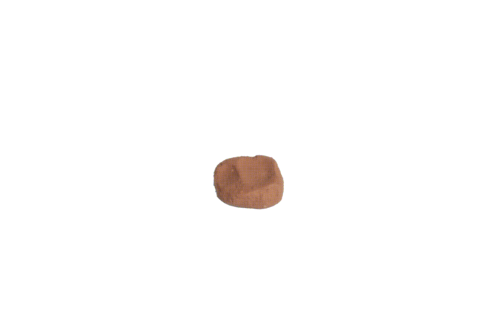
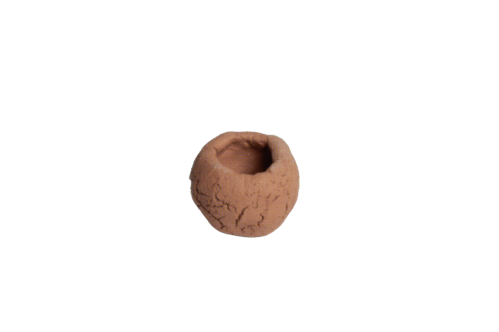
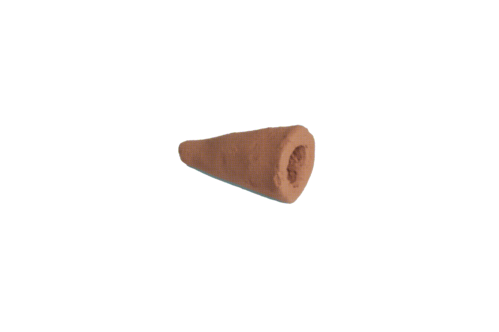
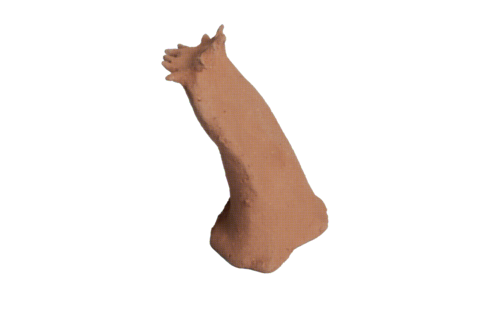
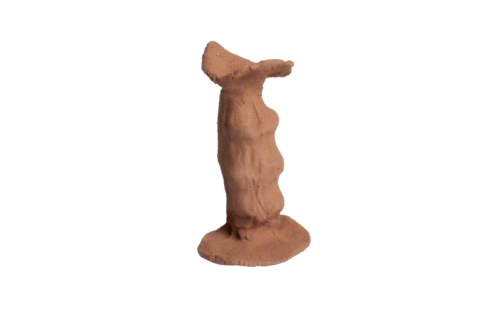
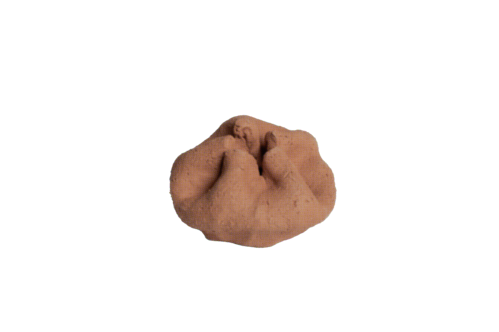
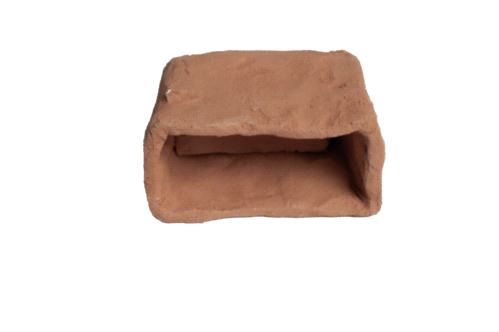
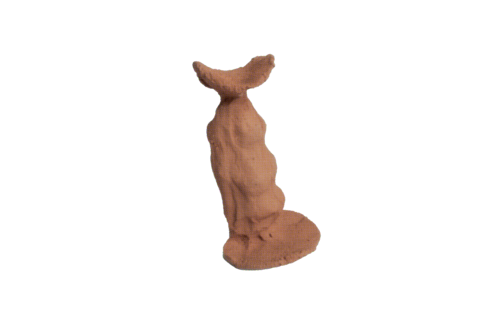
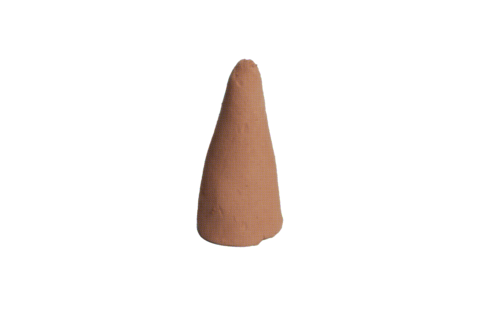
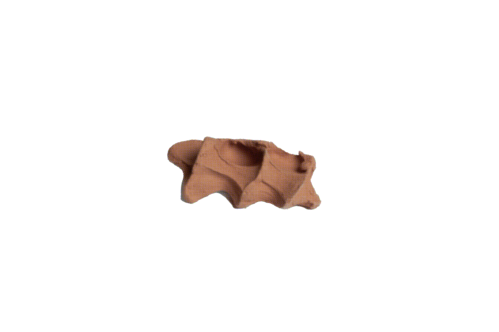
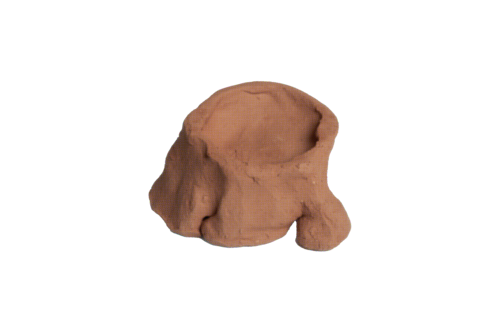
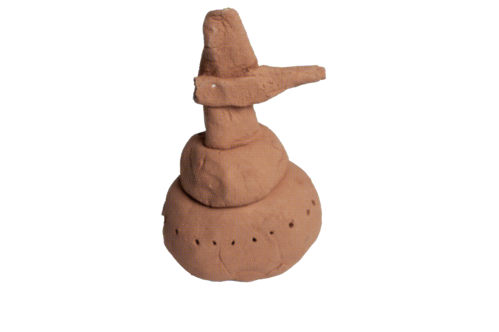
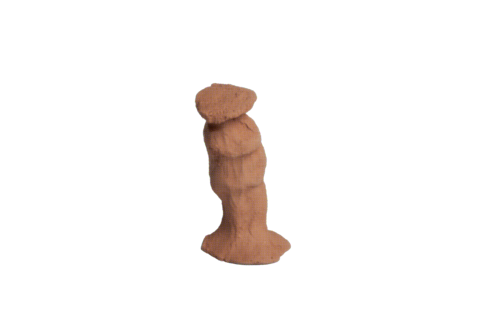
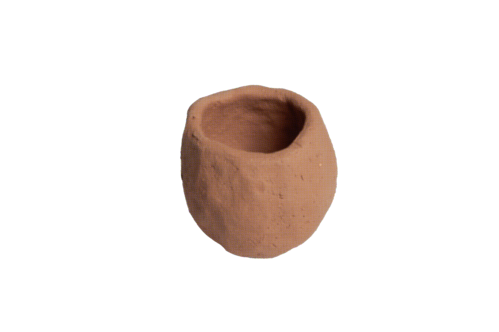
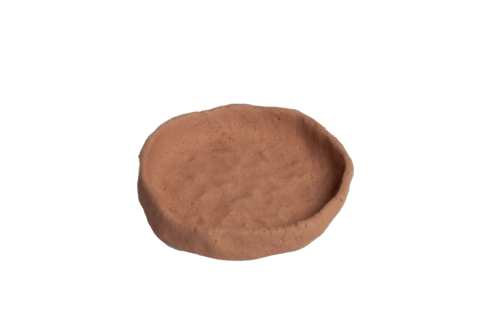
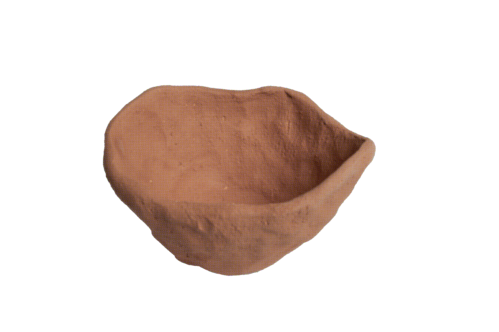
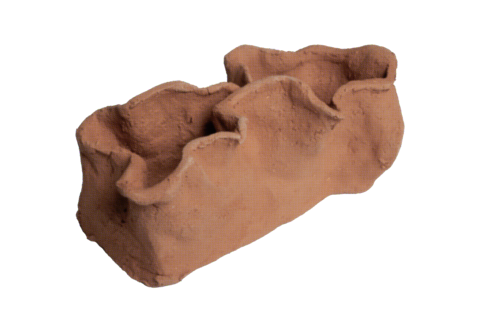
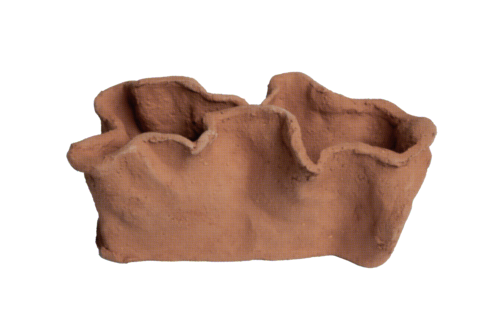
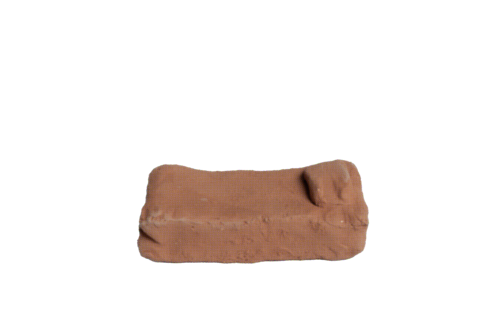
In a similar way to what Sara Ahmed (2006) describes through the “philosopher’s table” as an object that organises and orients bodies in relation to one another, the process of creating and working with clay became a way for participants to explore their orientation within the space of the clinic. [expand on how the objects were linked to space and objects within a psychiatric setting.]
As the objects moved from individual creations to a collective grouping, they generated what might be described as a vernacular archive, in that these artworks are capturing the quotidian experiences of the ward. This process of aggregation raised questions of transformation and ethics: what does it mean to assemble a memory archive outside institutional bounds? How do we hold the tension between personal significance and collective witnessing? And what responsibilities emerge when such objects are reproduced and translated through other media? Fired clay, for instance, loses its malleability and becomes brittle. When photographed, screen-printed, or published in a zine, the material conditions shift again. Each stage of translation performs its own archival gesture, expanding the collection while simultaneously altering its form.
As discussed earlier, translation carries risks of flattening testimony. Both Carel (2016) and Fricker (2007) remind us that patients’ testimonies are often dismissed or distorted within clinical discourse; translation into new media risks repeating this dynamic if the specificity of lived experience is abstracted. Yet translation can also open space for testimony to circulate differently, allowing the archive to resist containment within traditional categories and instead register affective, sensory, and relational textures of ward life. Participants described how the act of pressing, folding, or shaping clay prompted memories that might otherwise have remained unspoken: the feel of ward furniture, the gestures of making oneself small, or the atmosphere of fleeting connection with others.
The process of translating the clay archive, through photographing it, re-arranging it on the studio floor, placing pieces in new constellations, or sequencing them in film, became a methodological practice. Each translation reoriented my perspective on the research. New proximities emerged when objects were placed side by side; previously unnoticed affinities surfaced; tensions became visible when forms were juxtaposed or separated. Recontextualising the archive revealed unexpected correspondences: a cavity under a clay bed suddenly echoed the hollowed interior of a sealed pot; a spike-like object from one participant aligned with the defensive curled posture described by another. These were not connections I could have derived from interviews alone; they emerged only through moving, touching, grouping, and recontextualising the objects. Translation therefore functioned as a mode of re-experiencing the material: not as post-hoc representation, but as an active, embodied analytic practice. Each shift in medium—clay to photograph, photograph to print, print to film—produced new openings.
The task is therefore not to secure an “authentic” representation, but to remain critically aware of how each transformation reconfigures authority, voice, and relation [contextualise in existing literature]. In this sense, the archive’s instability is also its force: it insists that memory is not static but performative, unfolding across shifting materials and contexts.
The clay archive performs an act of disordering and reordering. Within psychiatry, “disorder” is diagnosis; categorised, pathologised, and controlled. Here, disorder becomes method: a practice of rearranging, displacing, and expanding affective experience beyond medical containment. In doing so, the archive interrupts dominant narratives of clinical detachment, foregrounding instead the fragile, improvised, and shared traces of experience. This is not simply an act of collection, but a refusal of institutional forgetting: a way of preserving the emotional, spatial, and sensory registers of psychiatric encounters that are often erased.
The objects did not remain confined to the workshop. They entered subsequent semi-structured interviews, where they acted as catalysts or conduits for recollection. Participants spoke through the objects, recalling textures of beds, chairs, or windows, or reflecting on the act of making itself as a way of articulating the otherwise potentially silenced realities of ward life. In this sense, the clay objects embody what Jane Bennett (2010) terms a “vital materiality”: they do not merely represent experience but actively participate in its articulation.
The clay archive, then, is less a static repository and more a performative practice. It gathers individual works into a collective constellation, while remaining alive to touch, translation, and transformation. Writing with and through these objects means attending not only to their forms, but to the relations they catalyse: between each other, between researcher and participant, and between memory and matter. The clay archive performs a “gathering” (Ahmed, 2006:20). It pulls into view the habitual geometries of the ward while also introducing new lines: lines of tactility, relation, and transformation. In being handled, grouped, rearranged, and rephotographed, the clay pieces became active orienting agents in the research process. They prompted participants to re-experience their memories from new vantage points; they oriented my own analysis toward connections, gestures, and textures that had previously remained peripheral. Rather than fixing meaning, these translations multiply orientations and unsettle the singularity of any one line of interpretation. They echo Ahmed’s account of queer orientation as the act of turning away from the familiar object-world and making new arrangements: the clay pieces resist being placed back into the institutional lines from which their creation emerged, instead forming a constellation that unsettles and reorients what matters.
Thus, the archive does not simply store memory; it redirects it. It becomes a material practice of orientation: a field of objects that continually reorient analysis, generate unexpected proximities, and open new lines through which to understand the lived pressures, atmospheres, and gestures of the locked ward.
Notes:
Orientation – objects of orientation
OBJECT INVESTIGATIONS
Need to add section on object interviews: qual/ethnographic methods etc.
Bibliography needed
Markham, A. (2006). Method as ethic, ethic as method. Journal of Information Ethics, 15(2), 37-55.