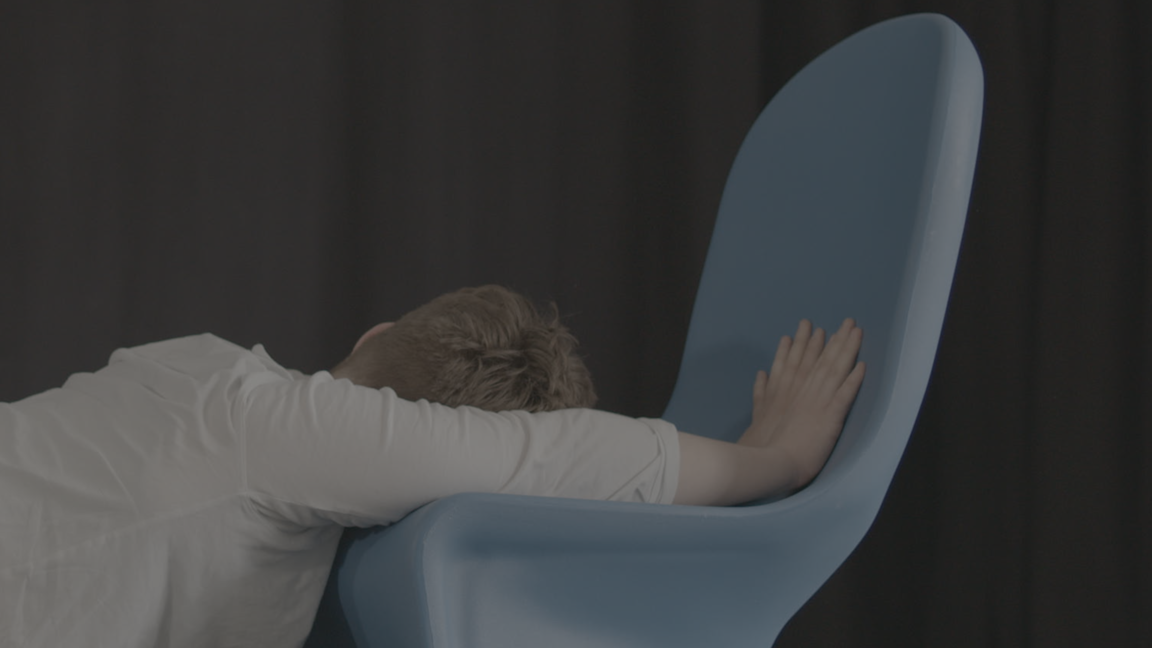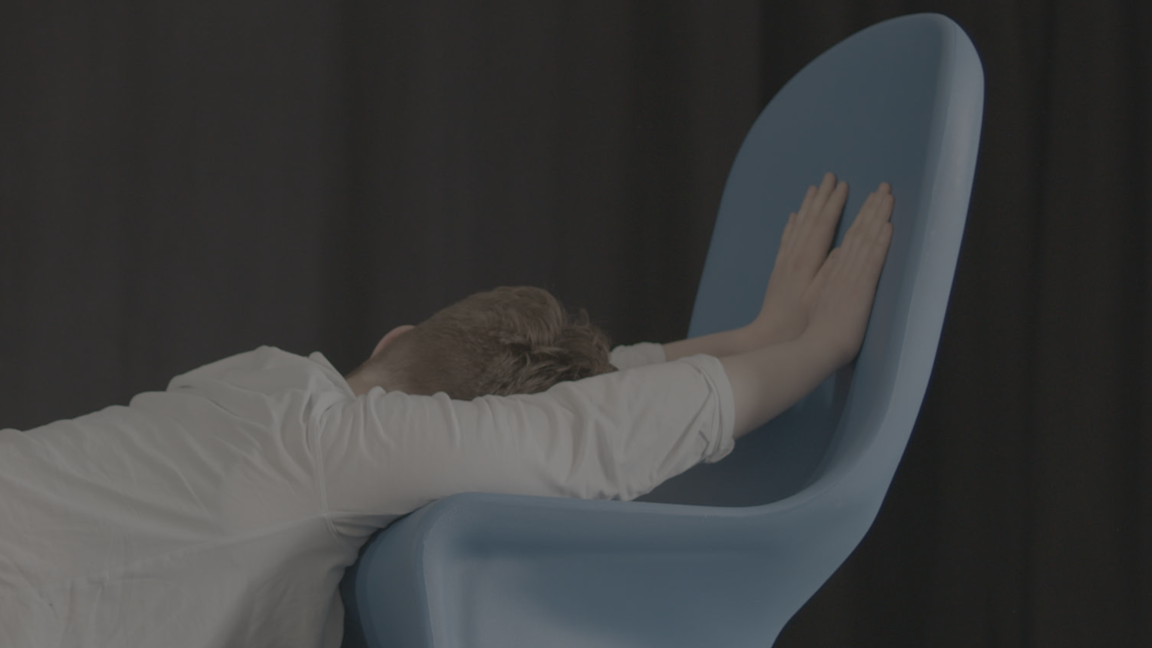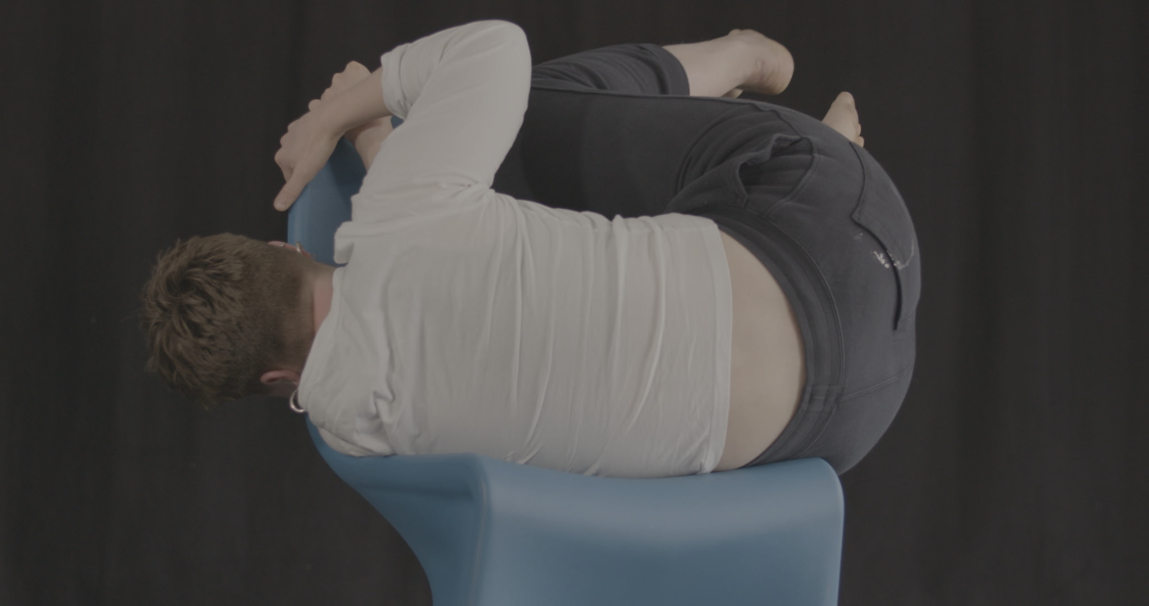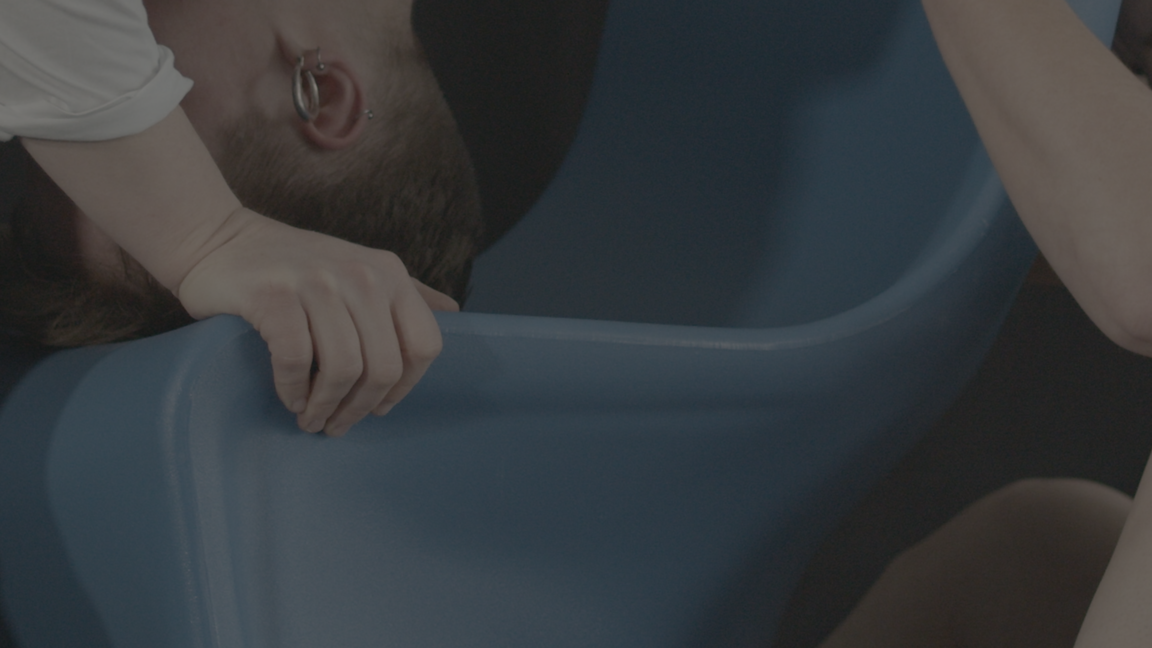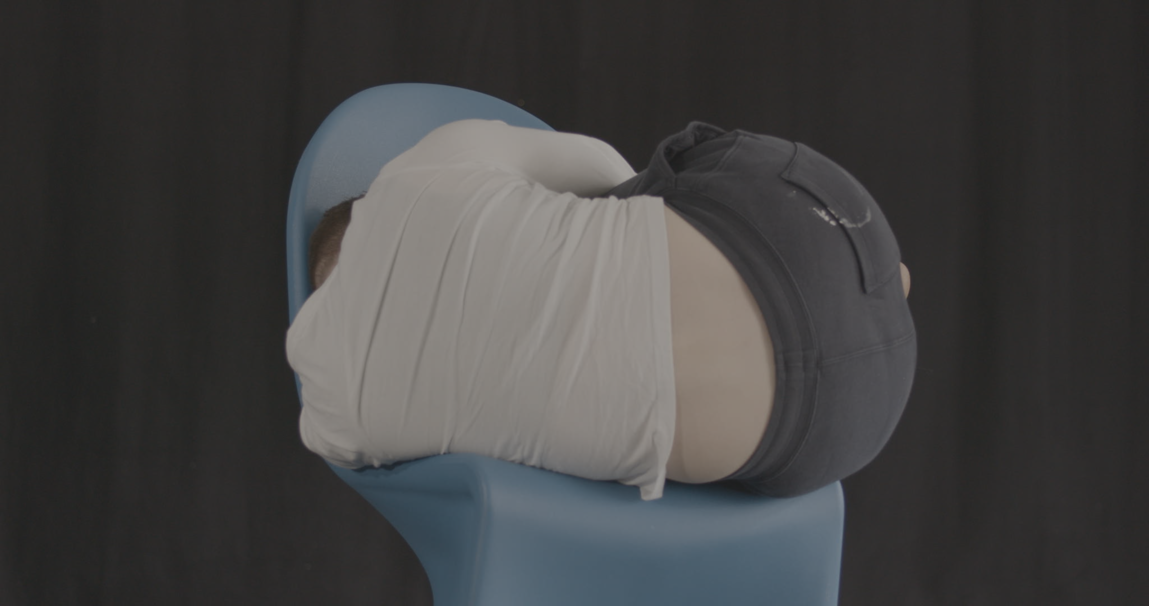
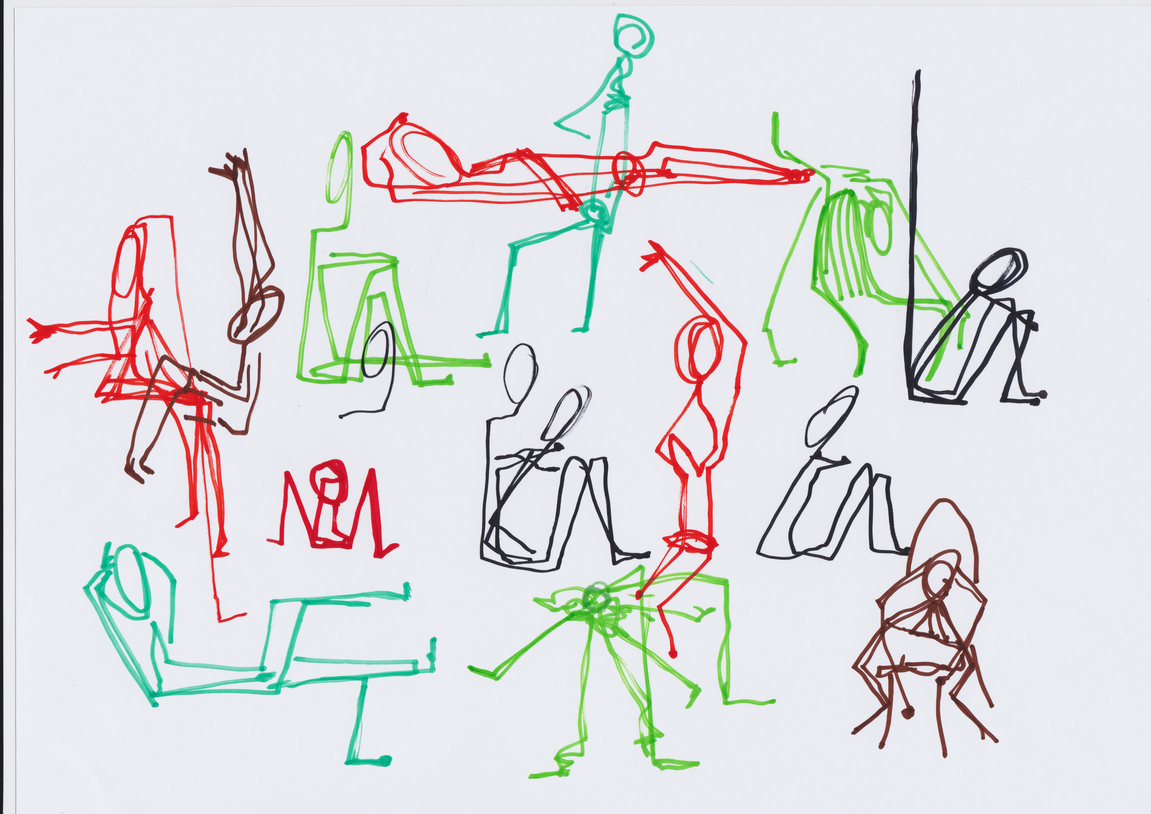
London Performance Studios Residency (2024)
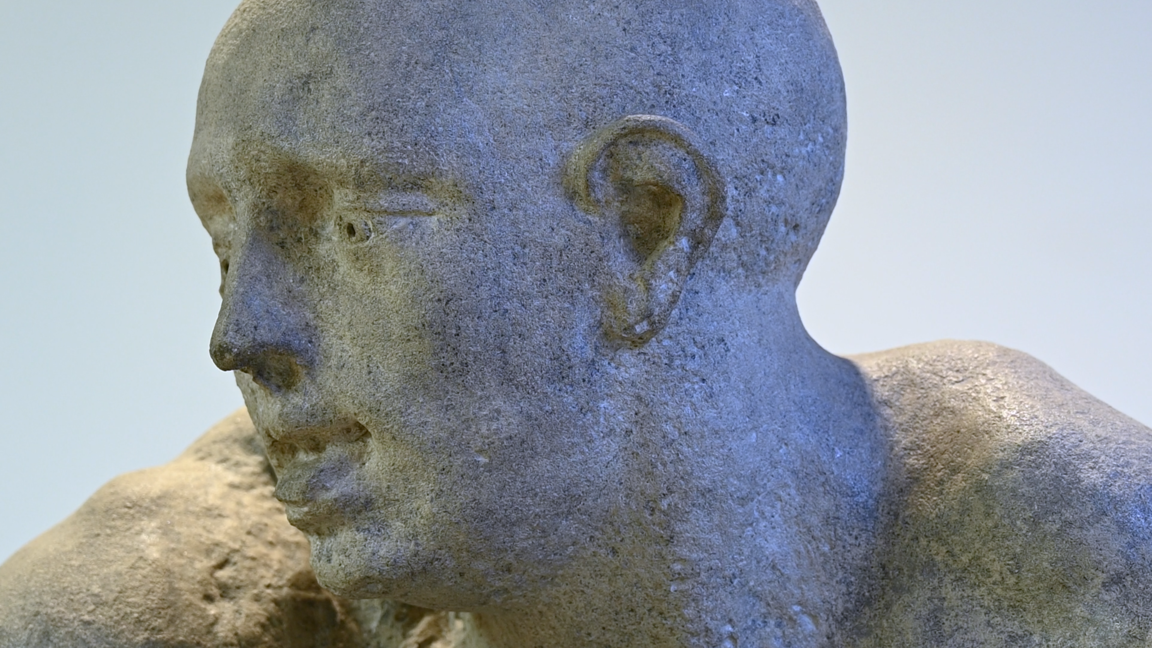
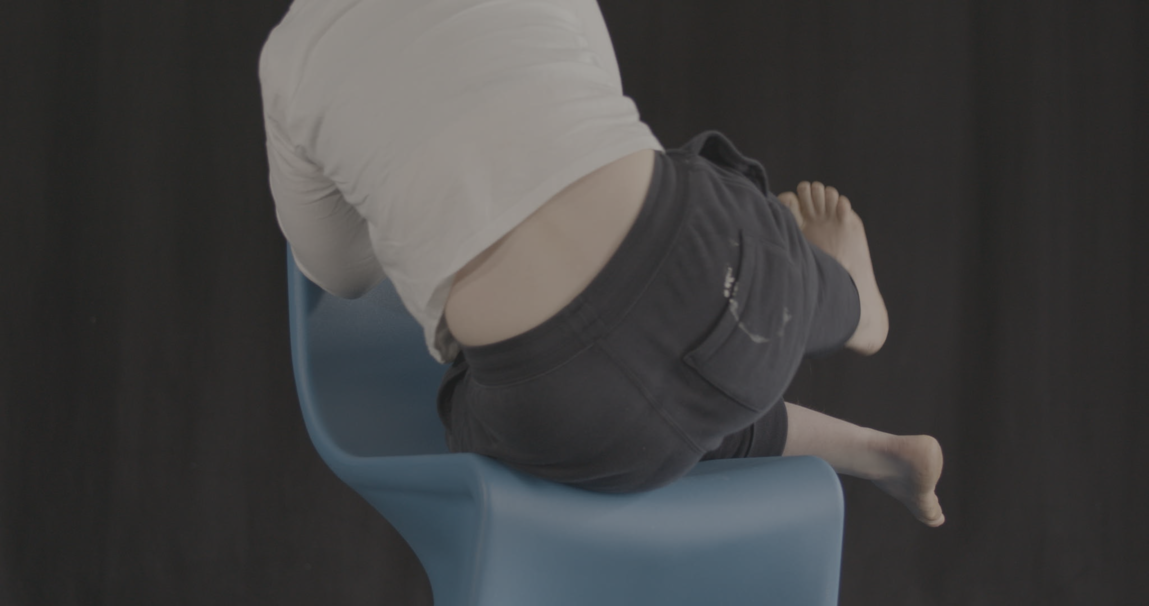
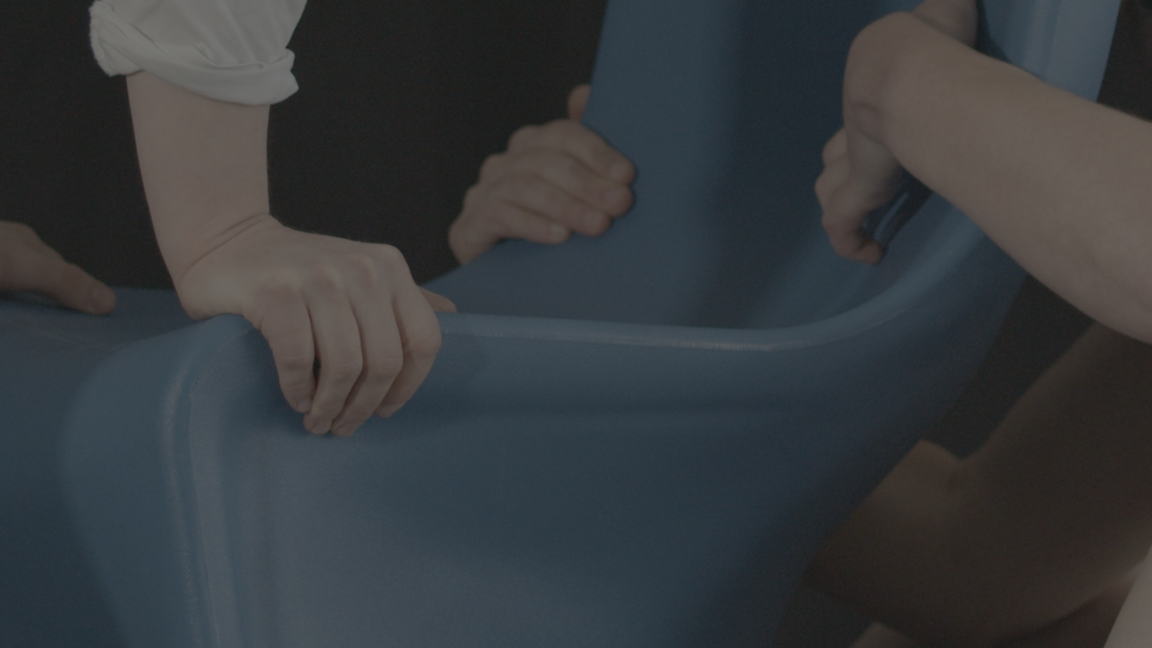
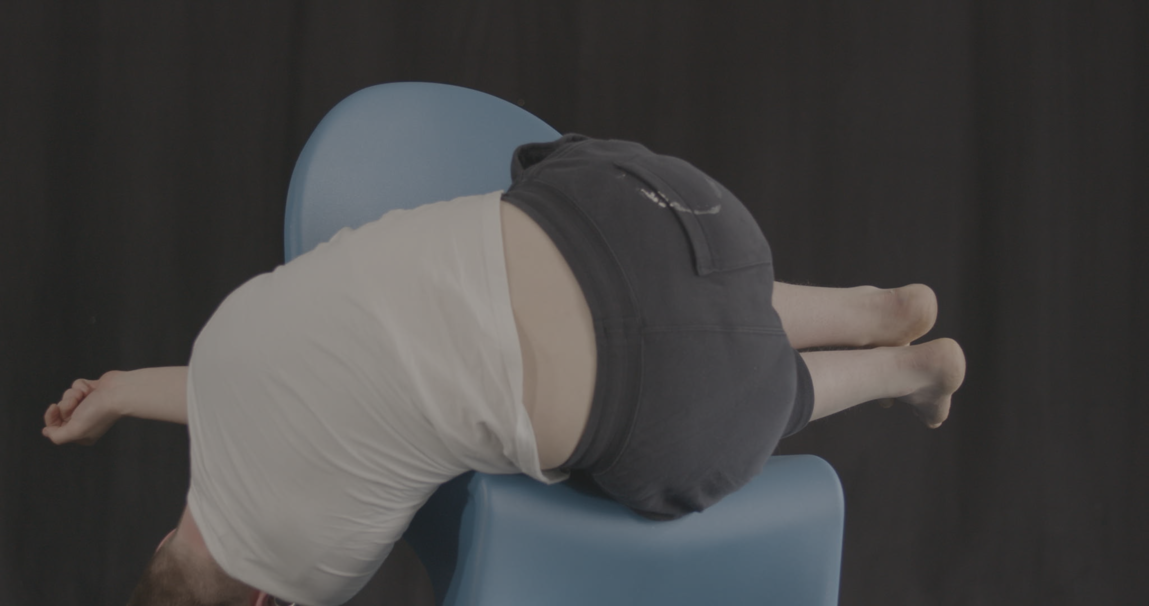
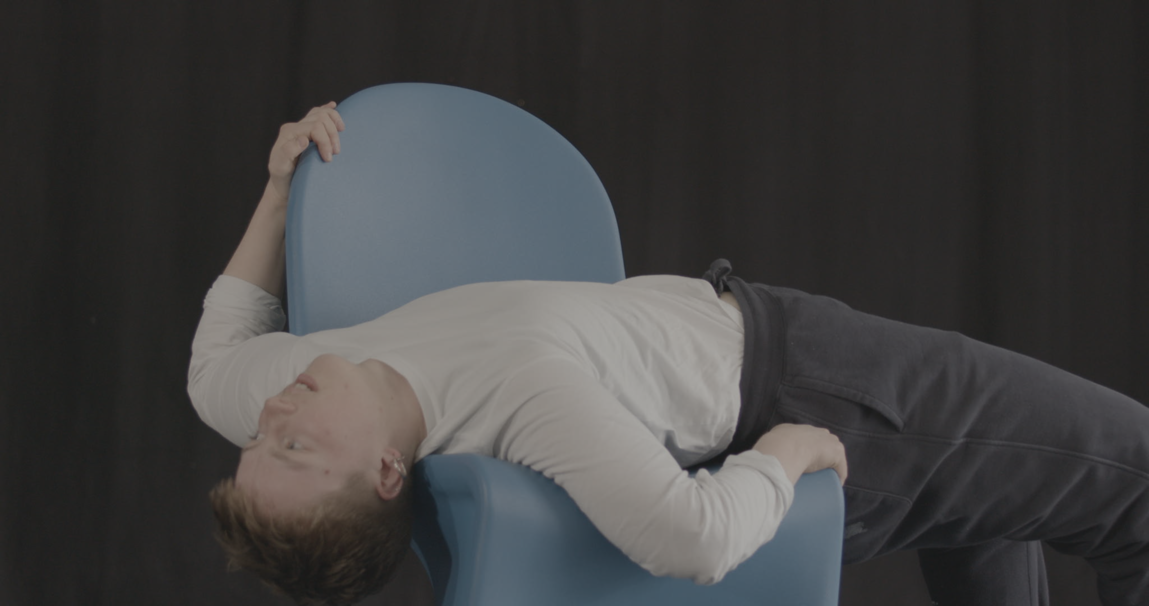
To think through these processes, the chapter brings together participant accounts and clay objects with a practice-based exploration of movement and choreography. During a residency at London Performance Studios (February–April 2024), I worked with three movement artists to develop a series of short movement scores that engaged directly with material objects and spatial restriction. These scores were structured around repetition, interruption, and limited duration, and drew their directive language—such as pace, curl, hold, press, lie, fold, and resist—from participants’ descriptions of bodily experience on the ward. Rather than representing patient bodies, these scores function as a way of thinking through how institutional materialities choreograph movement, and how bodies learn, repeat, and negotiate these choreographies over time.
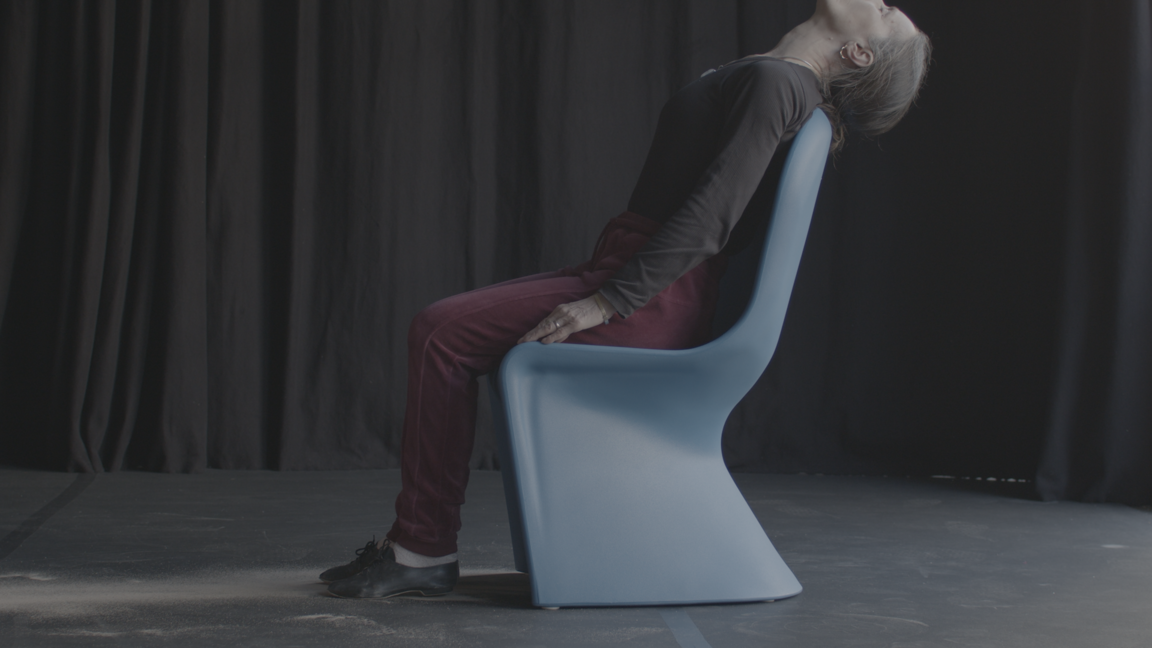
Where Chapter 6 examined how risk operates as an orienting force that structures the psychiatric ward as an institutional field, this chapter shifts attention to how these orientations are taken up, felt, learned, and enacted through the body. Participants repeatedly described a process of re-learning ordinary bodily actions within the ward: how to sit, lie, walk, breathe, look, and rest in ways that would be acceptable and legible to staff. These adjustments were not experienced as explicit instructions but as gradual, embodied calibrations: ways of holding oneself, pacing one’s movements, or modulating stillness in response to the ward’s material and sensory conditions. In this sense, the body becomes a site where institutional norms are not only enforced but rehearsed. Legibility is achieved through bodily comportment: through learning how to appear calm, compliant, or “safe,” and how to avoid being read as disruptive or risky.
Returning to Sara Ahmed’s notion of orientation, this chapter understands bodies as coming to “find their way” in clinical space through habitual alignments (Ahmed, 2006). In the ward, these alignments are shaped by institutional materialities: furniture that fixes posture, corridors that regulate pace, observation routines that condition where and how one may rest, and sensory environments that heighten bodily self-monitoring. The lines established by risk in Chapter 6 are therefore not only spatial or atmospheric; they are lived through gait, posture, rhythm, touch, and breath. Bodies are kept in line not simply through surveillance, but through repeated bodily adjustments that become second nature. At the same time, these bodily negotiations are not purely passive. Participants also described subtle counter-movements as ways of managing exposure. This chapter attends to these gestures as minor reorientations; moments where the body finds ways to inhabit the ward otherwise, even within constraint. Such movements do not overturn institutional power, but they complicate it, revealing how bodily agency persists in constrained and uneven forms.