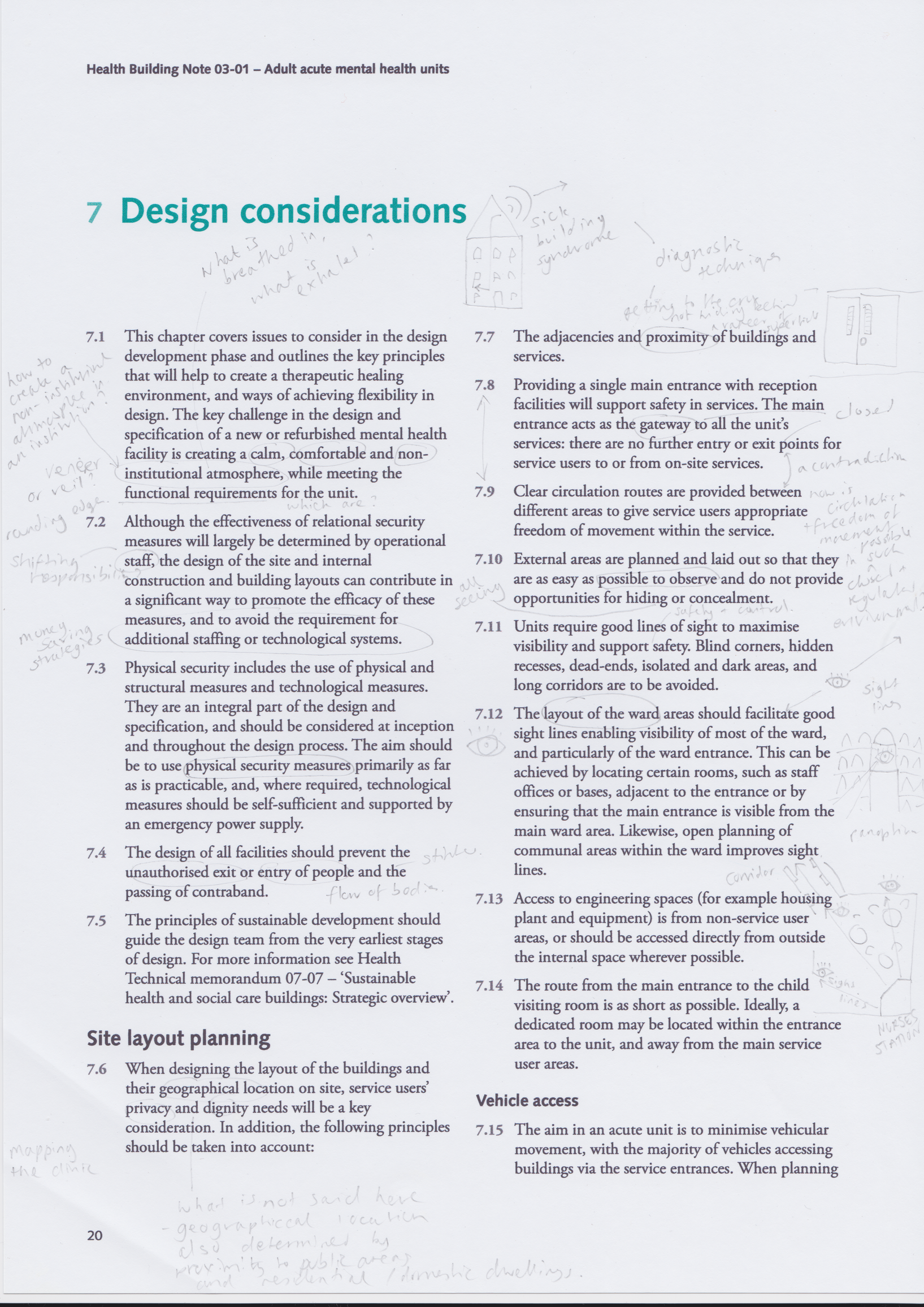
6.1 Repeating and Converging Lines
“Lines are both created by being followed and are followed by being created”
(Ahmed, 2006: 16).
“How do we bolster individual patient sense of safety rather than manage risk? You can feel it on the wards, you can sense the way in which it is informing everything about how the ward is run and managed, how the space is managed, how the environment is managed, how staff operate, the way patients are perceived”
(Kit, 2023)
Kit’s reflection captures the magnetic pull of risk within the locked psychiatric ward. Risk is not an incidental concern but the principle that organises space, routines, objects, and relations. It orients how patients move, what these movements convey, and how they are allowed to inhabit the clinic. Risk does not simply sit atop clinical practice; it subtly organises the textures of everyday life.
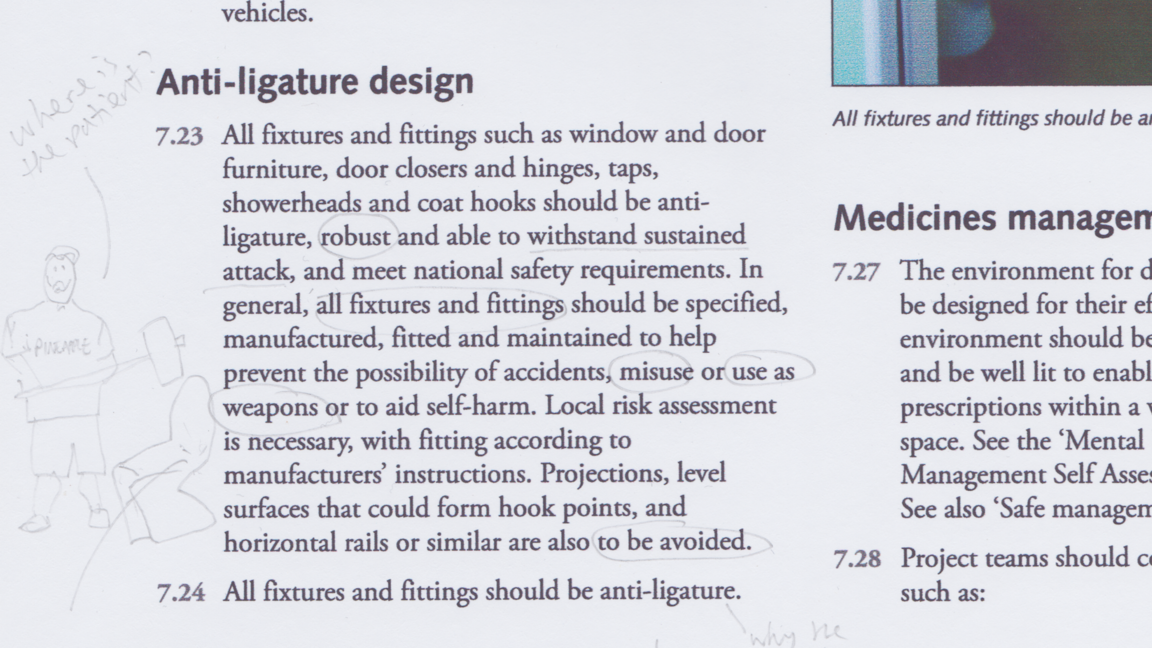
To understand how risk operates and becomes lived in psychiatric space, it is helpful to return to Sara Ahmed’s conceptualisation of orientation. As outlined in the methodology section, orientations are not simply positions in space but the patterned ways bodies come to face, move, and inhabit the world. Bodies “take shape” by following certain lines; paths laid down by history, habit, and power. These lines organise what appears familiar, what is within reach, and which actions or gestures are intelligible or legitimate within a given milieu. To be oriented is to move along the routes that have already been laid out; it is to inherit the directions sedimented by past arrangements and therefore is always political.
In the locked ward, risk functions as one of the strongest of these orienting forces. Participants described the ward as a space in which the “lines” of movement, dispositions, and behaviour were already mapped out: where one could walk without attracting suspicion; how one should sit to appear “calm”; which postures signalled compliance and which invited scrutiny. These were not instructions spoken aloud but lines already inscribed into the material and atmospheric conditions of the ward. Risk does not simply regulate behaviour; it organises the field of possible orientations. It narrows what is reachable; it constrains where one can linger; it shapes which postures feel “in line” with institutional expectations. To be “out of line” is immediately legible as a risk. In this sense, risk is not only a classificatory judgement, but it is also translated into a spatial directive.
Ahmed reminds us that orientations are sustained by repetition: “what is repeated over time is the requirement to follow the line” (2006: 16). This repetition becomes acutely visible in clinical settings, where routines sediment into the architectural and procedural fabric of the ward. Ahmed’s observation that what is reachable is shaped by proximity (2006: 56) becomes sharply visible here. Under risk logics, reach becomes tightly controlled: bodies learn not only where they are permitted to go, but how to hold themselves in anticipation of being seen. The result is what Ahmed calls “straightened paths,” where movement becomes predictable, linear, and continually accountable.
Erving Goffman’s classic account of the “total institution” provides a structural complement to Ahmed’s phenomenology. He observes that psychiatric life funnels individuals into “regularly recurring, imposed activities,” sequencing bodies into predictable paths: “one line after another, one inspection after another” (Goffman, 1961: 17, 66) becomes not merely a procedural fact but an orientation—one that inscribes bodies into a choreography of visibility and compliance. When read alongside Ahmed, Goffman’s sequencing appears as the literal manifestation of the lines patients must follow.
Participants’ accounts demonstrate how these lines are felt not only procedurally but spatially and bodily. They described being asked, implicitly and explicitly, to situate themselves along a continuum of risk. “Where are you on the risk scale?” was a question both Kit and Clara recalled being routinely posed by staff. Over time, this classificatory language translated into an embodied orientation: risk became something to align with, manage, and anticipate. Kit described how being positioned as “high risk” triggered a cascade of spatial consequences: “You feel over time that you’re being perceived as, you know, where are you on the risk scale? […] it literally will dictate whether you have freedom of movement, whether you get leave.” The next chapter will examine how these directives determine where and how a body may appear; how one might absorb these lines to become more readable and palatable to the institution. Risk, therefore, becomes a learned alignment.
6.2 How Risk Circulates
Sea Urchins: Slow-Moving Vigilance
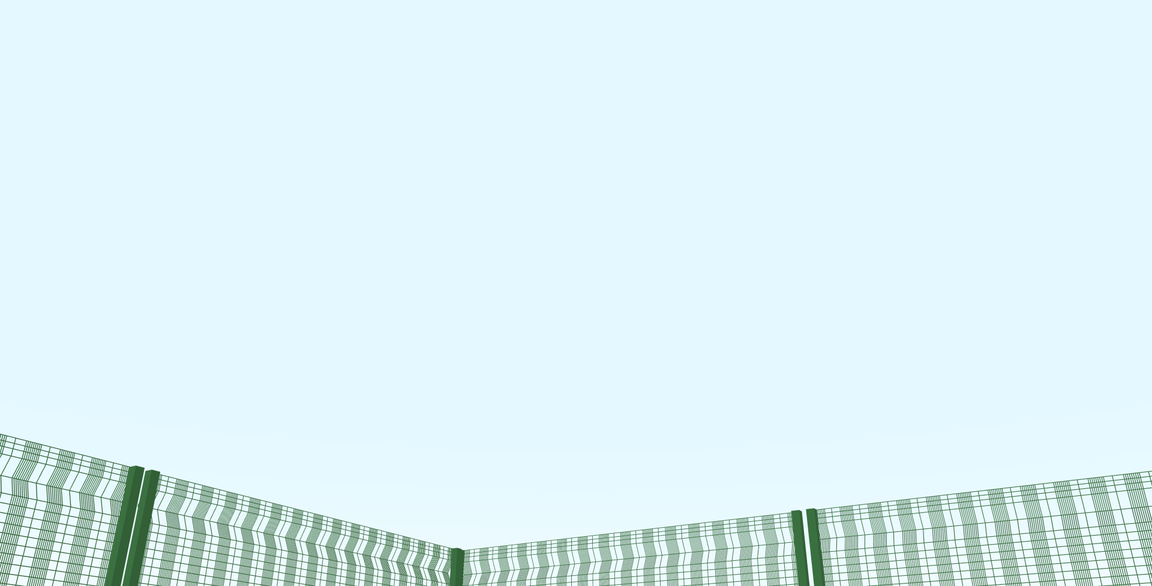
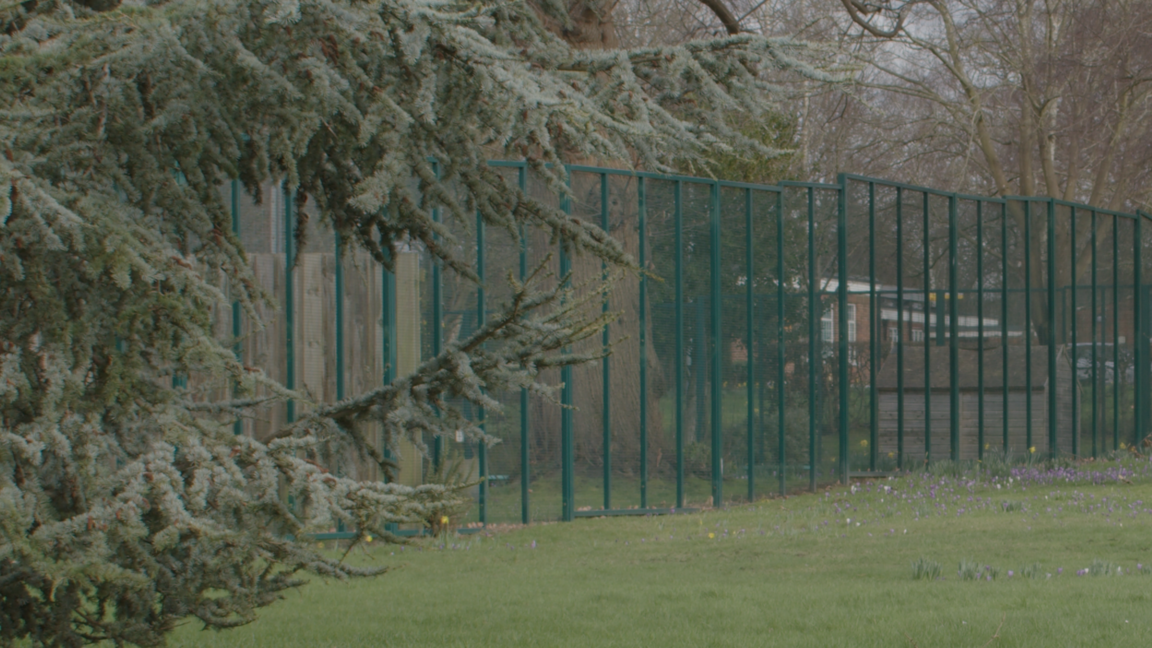
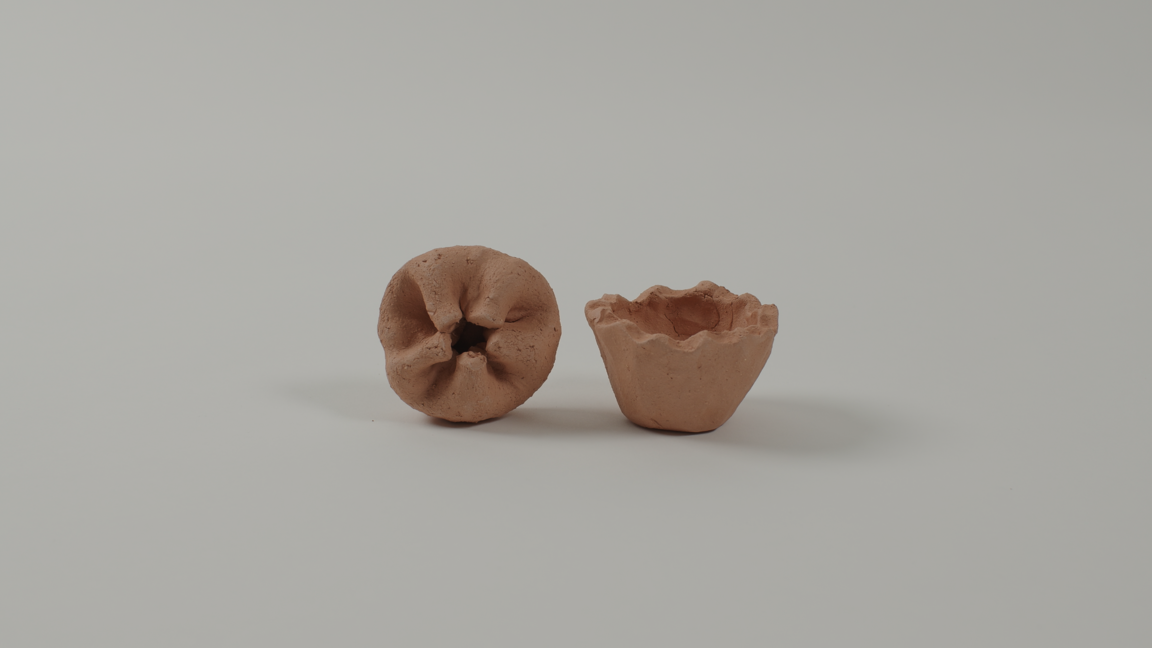
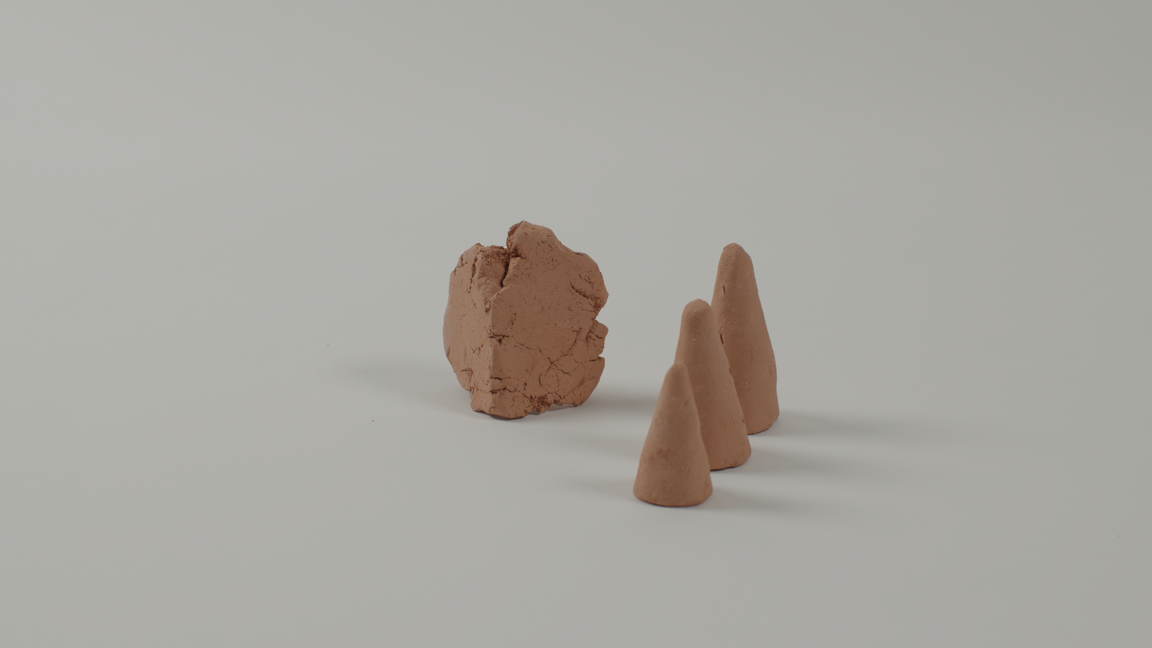
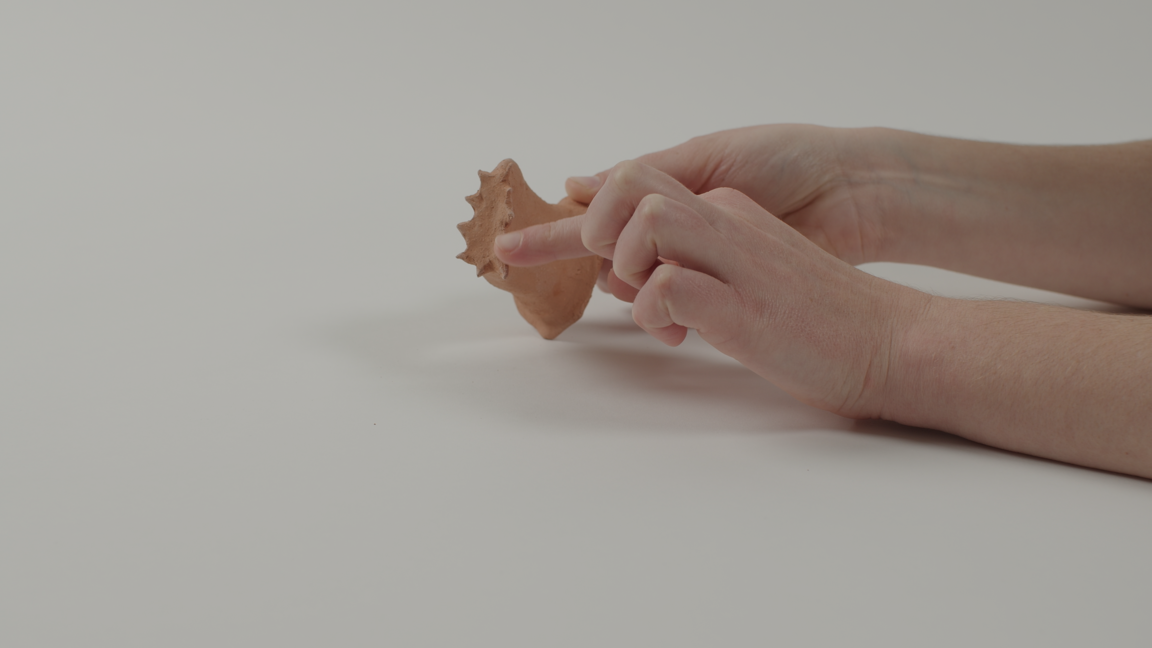
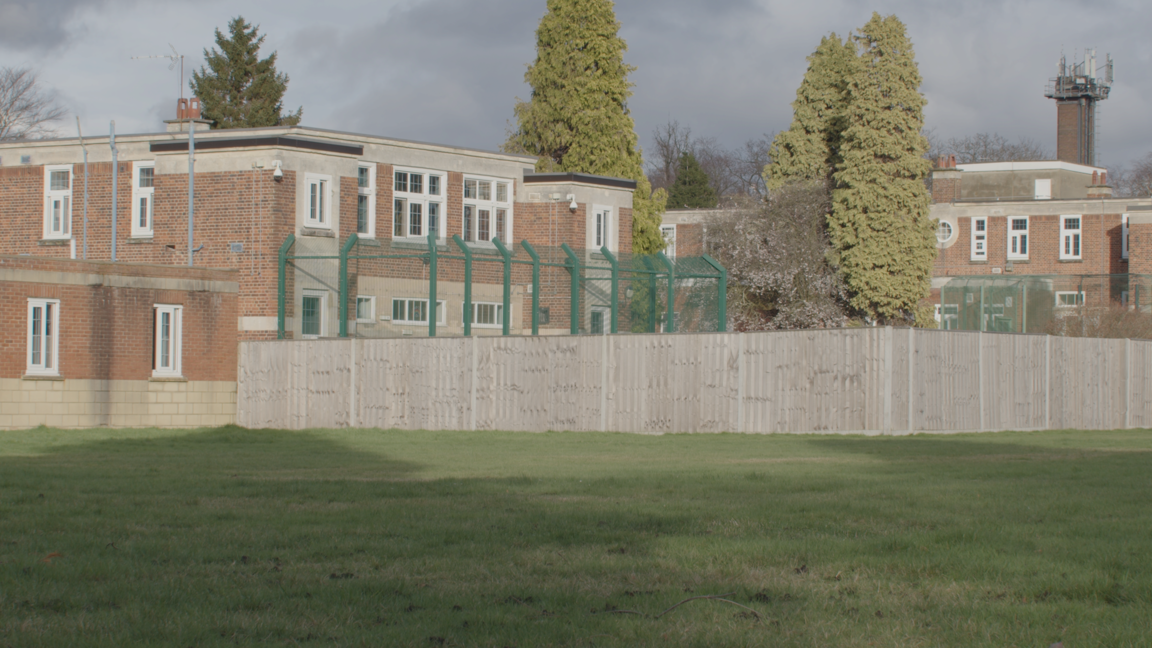
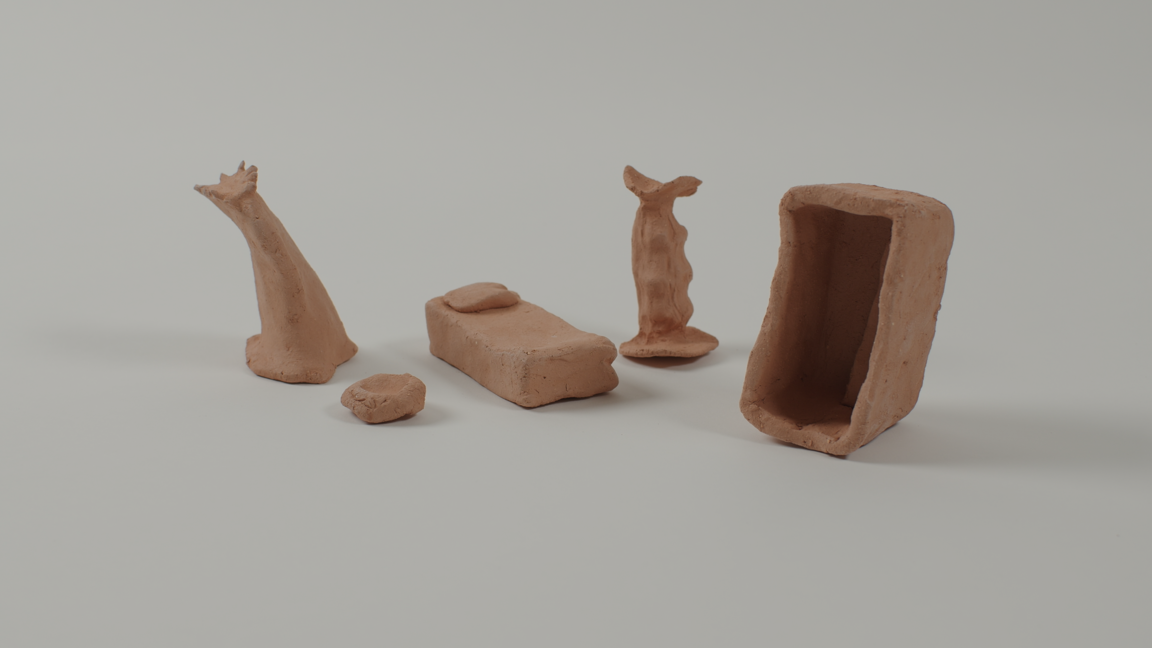
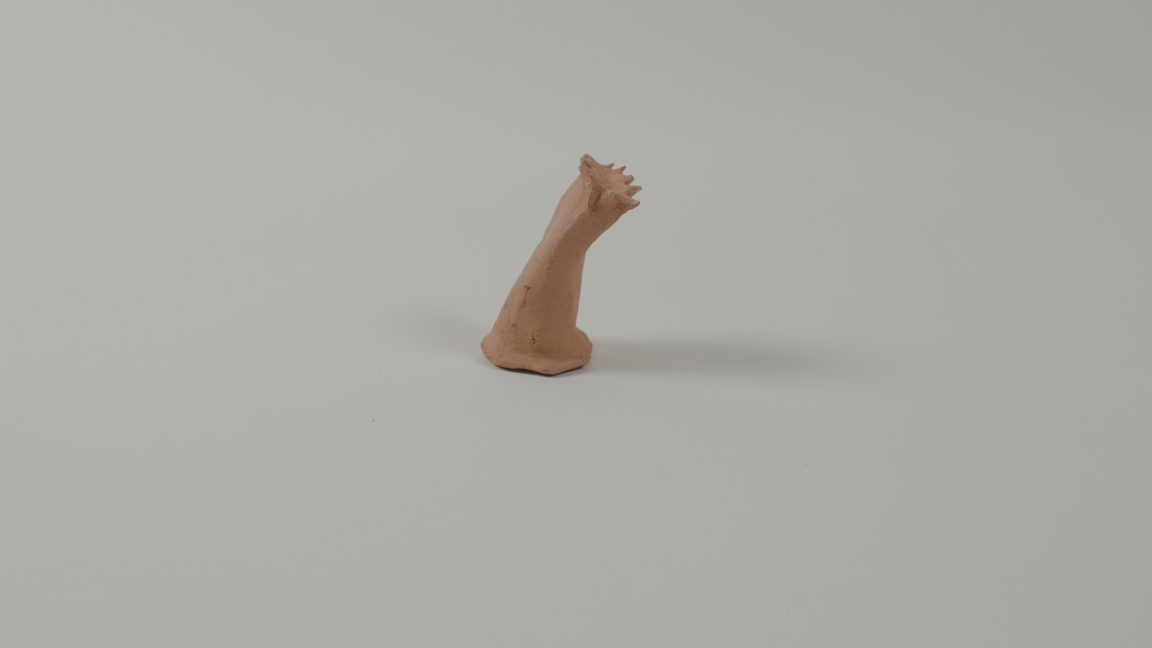
Responding to experiences of the ward environment during the workshop, Cris made a series of clay objects which they described as being “like natural sea urchins.” The forms have a columnar, architectural quality with protruding spikes at the top; visually, they recall the high-security fences that surround many locked units. Reflecting on this association, Cris explained, “I guess some of those creatures, they're very visually appealing, but also kind of like, consume things or hurt things.” The sea urchins’ spikes, or more precisely, spines, anticipate contact and act as a deterrent. They characterise a slow-moving vigilance, with tube feet that allow them to crawl gradually from surface to surface. Read materially, these sculptures function as translations of atmospheric vigilance. Like sea urchins, they hold readiness on the surface. Defence is embedded in form. Vigilance here is not reactive but anticipatory: a condition of being prepared. The sculptures make visible how vigilance operates before action.
This mirrors how participants described the awareness of risk as something that circulates; a pressure that moves through air, sound, and environment. Kit reflects on the sounds of patients in distress as “very alarming and frightening to listen to,” yet also describes an “ambient feeling […] a kind of hyper-vigilance” that made disengagement feel unsafe: rather than blocking noise out, “the safe thing to do would be to be more aware, even though it was distressing.” In this account, hyper-vigilance is both an acute response and a background condition; an atmosphere of alertness that seeps into perception. To soften attention, to disengage from the ward atmosphere, is experienced as a gamble. In this sense, the notion of risk does not arrive as a singular event; it circulates as a sensory field.
The sea urchin analogy captures this condition particularly well, not only in relation to institutional design but in the symbiotic relation between the ward and the patient. The environment anticipates risk through its material and procedural forms—high fences, weighted furniture, sight lines—while patients develop their own vigilance in response to this atmosphere. Kit described the ward as “almost completely enclosed in this highly oppressive, regimented, timetabled space,” a description that underscores how vigilance becomes ambient. Like a sea urchin responding to shifts in water pressure, bodies attune themselves to subtle environmental cues: changes in tone, rhythm, or intensity. Anxiety moves between staff and patients, producing what might be thought of as a shared internal weather. In this climate, vigilance is not chosen so much as inhaled. To breathe is to participate: to inhale the ward’s tension and absorb its rhythms of anticipation and restraint. Air itself becomes a regulatory medium, carrying the atmosphere of surveillance and fear through its circulation systems: a literal and figurative infrastructure of control. The ward functions, in participants’ accounts, as a closed climate: one that sustains itself through the constant exchange of anxious air, a risk system that is breathed in and out, perpetually renewed by those within it.
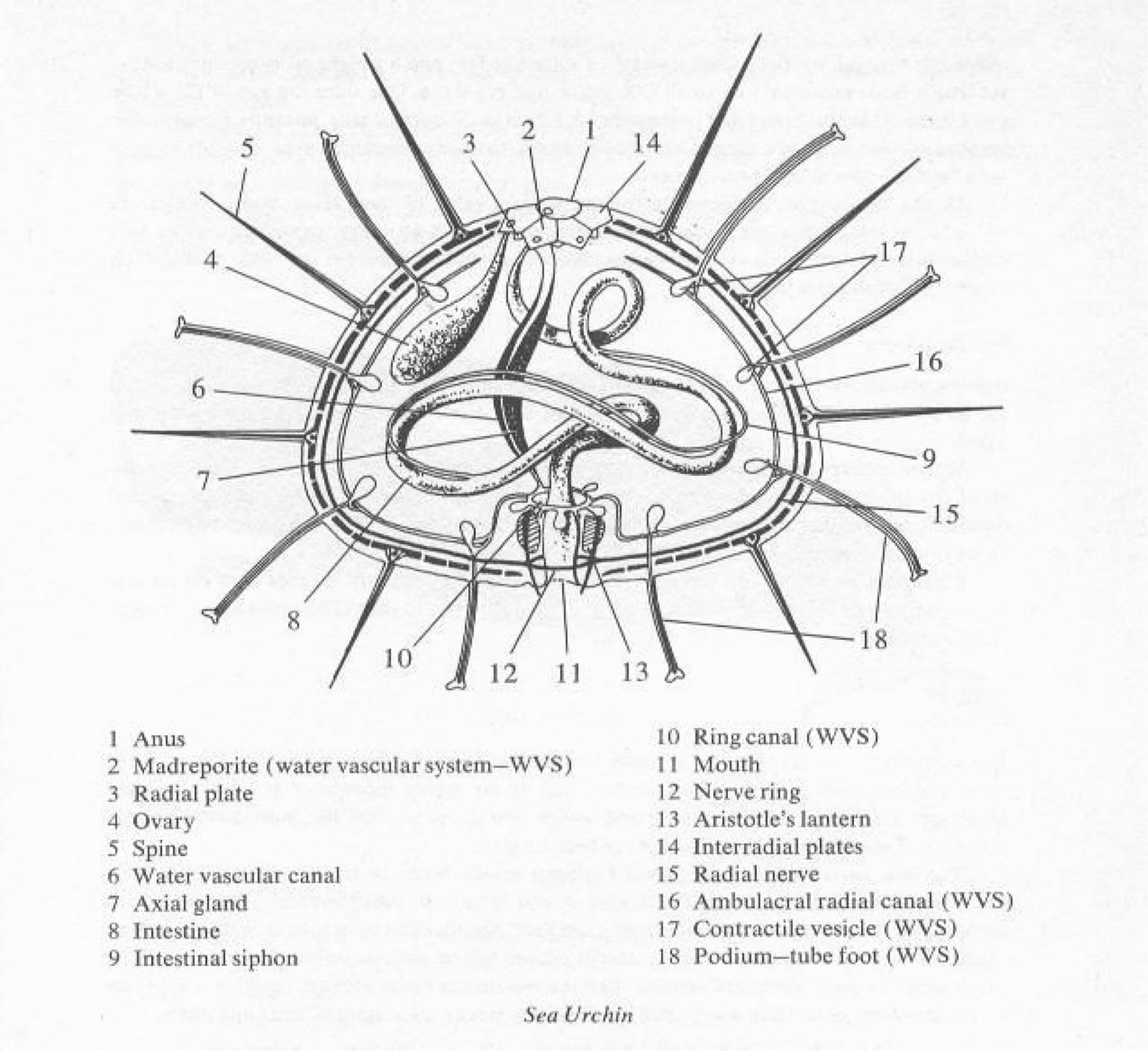
Sea urchins, however, do not only exemplify slow vigilance. They also possess a more concealed defence mechanism. Their spines are covered in small venomous appendages—pedicellariae—which can be released as a cloud of biting “mouths” when under attack (Sheppard-Brennand et al., 2017). While the analogy has limits, this image resonates with participants’ descriptions of rupture on the ward: moments when the slow, ambient vigilance gives way to sudden escalation. I have been on psychiatric wards when there is a sudden chorus of alarms looping, lights flashing, and squeaky shoes on linoleum as staff run through the corridors to the site of the incident. These moments are frightening and disorienting, but they are not experienced as anomalous. Rather, they appear as the very events toward which the ward’s vigilance has been oriented all along. In this sense, hyper-vigilance functions as a form of rehearsal. The ward is organised around this event—the possibility that something might happen—and everything from soundscape to sightlines seems calibrated toward this potential.
6.3 How Risk is Held
Air-Lock
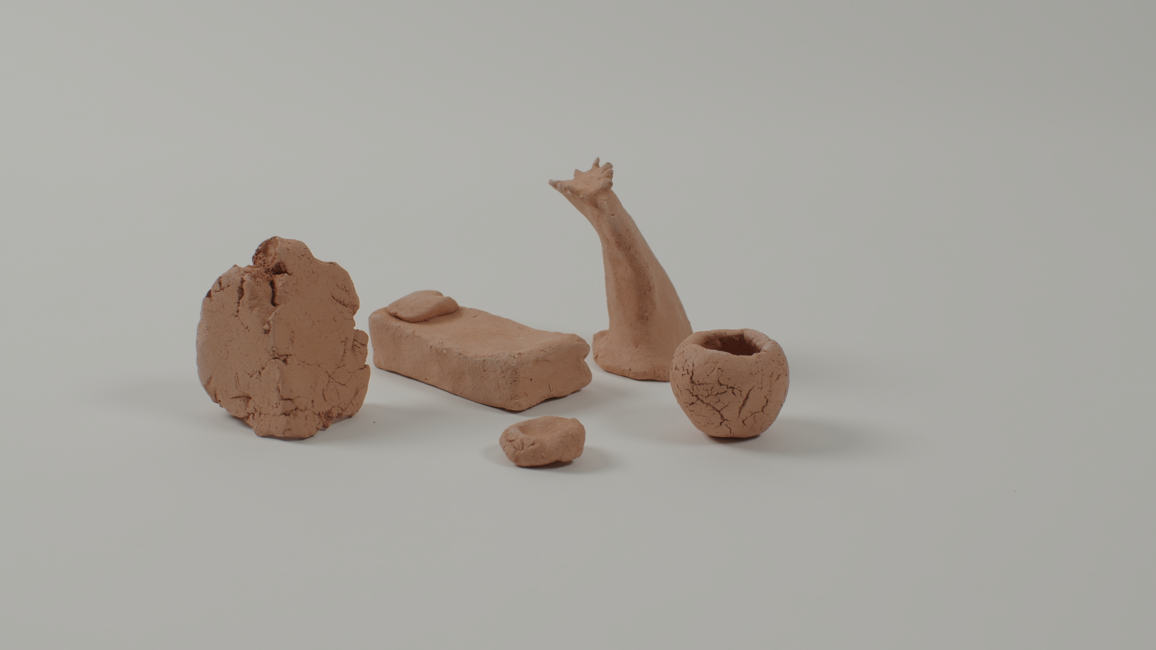
“I made some sort of vessel that was, that was almost compressed in and feeling of like stressed and closed” (Anna)
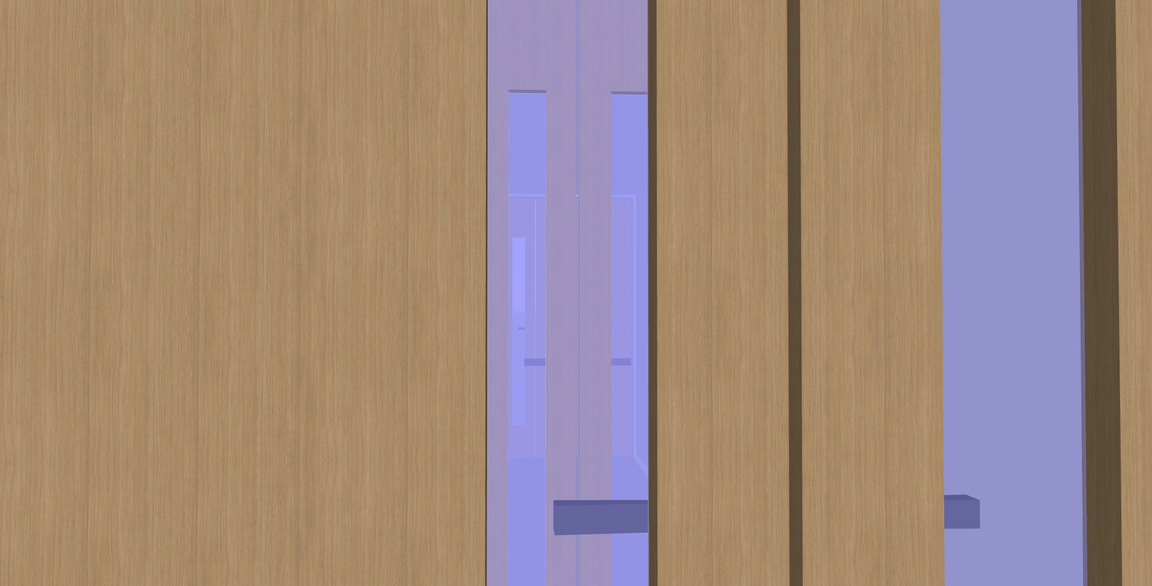
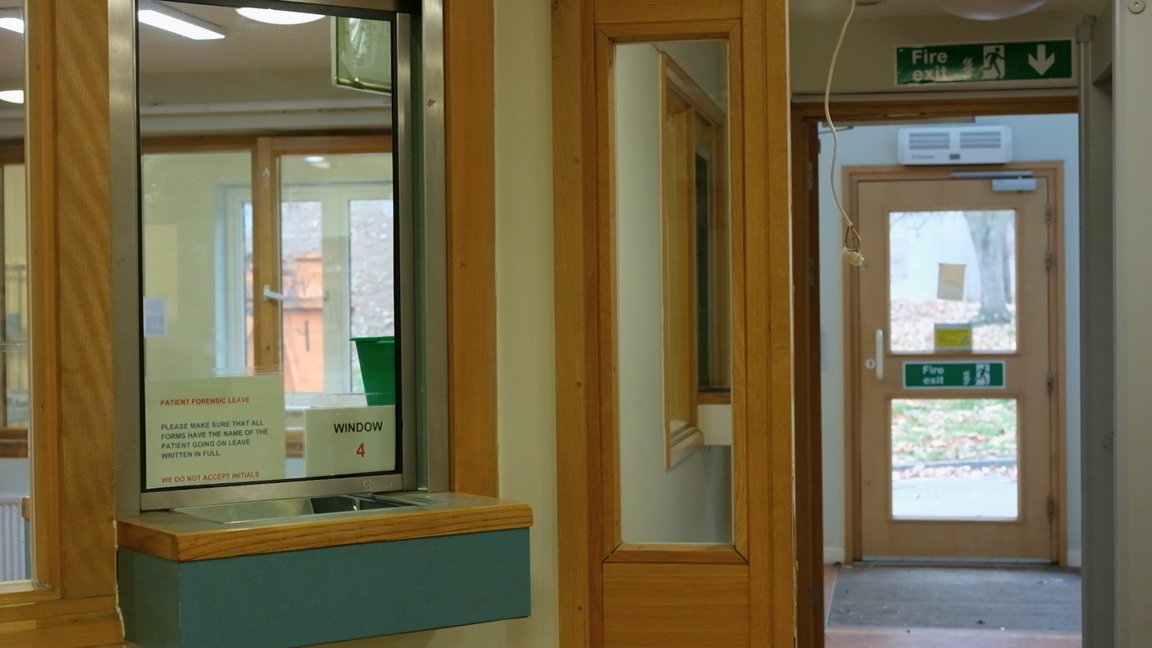
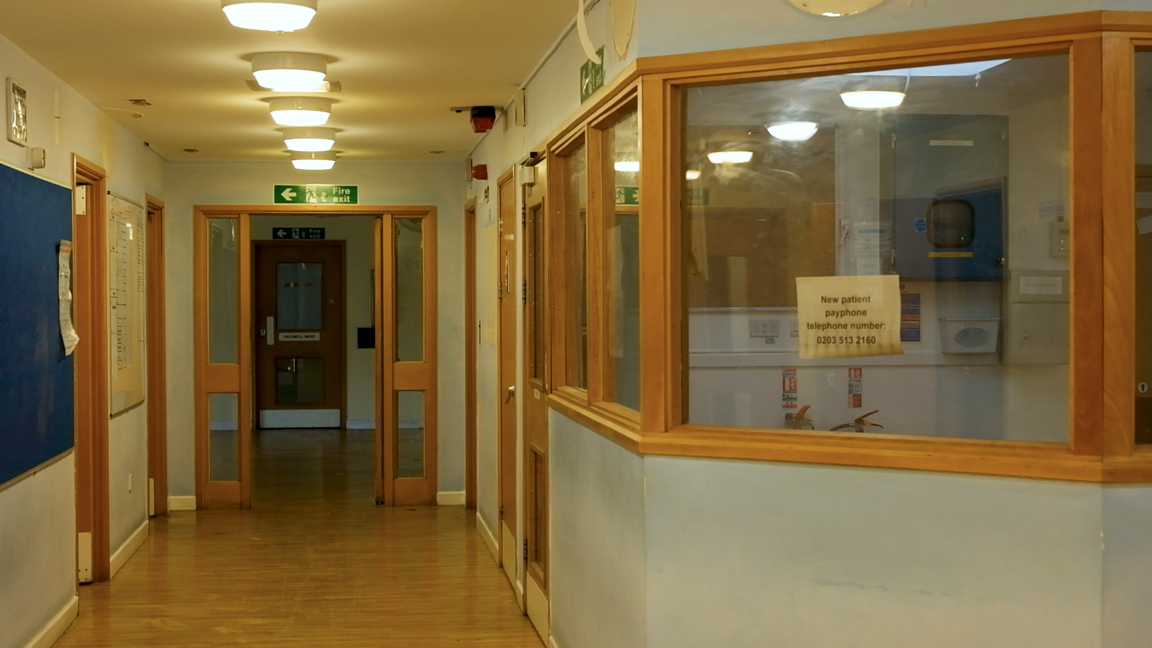
Before turning to the ward’s objects themselves, it is necessary to linger at its threshold. Locked psychiatric wards are sealed both by protocol and by architecture. Entry requires passing through an air-lock door system: two heavy doors that never open at the same time, producing a controlled threshold that regulates not only movement but atmosphere. In architectural terms, an air-lock is designed to stabilise interior conditions by preventing the exchange of air, maintaining pressure, and securing a closed climate.
Crossing that threshold is a recalibration. The air becomes denser, the light flattens, and the body attunes itself to a climate in which feeling, vigilance, and atmosphere are held in suspension. These sealed environments are not unlike other enclosed climates, spaces where the air is intentionally thickened or altered so that change happens at the level of the body. Two spaces that I have interacted with recently and come to mind are the sauna and the terrarium. In a sauna, heat dilates the skin and slows breath; in a terrarium, humidity sustains life that would otherwise wither. Each sealed environment has its own conditions of liveability, its own thresholds of tolerance. The psychiatric ward produces a different kind of enclosure: not warm, not moist, not regenerative, but pressurised: a climate in which bodies must adapt in order to remain legible, safe, or simply unaffected.
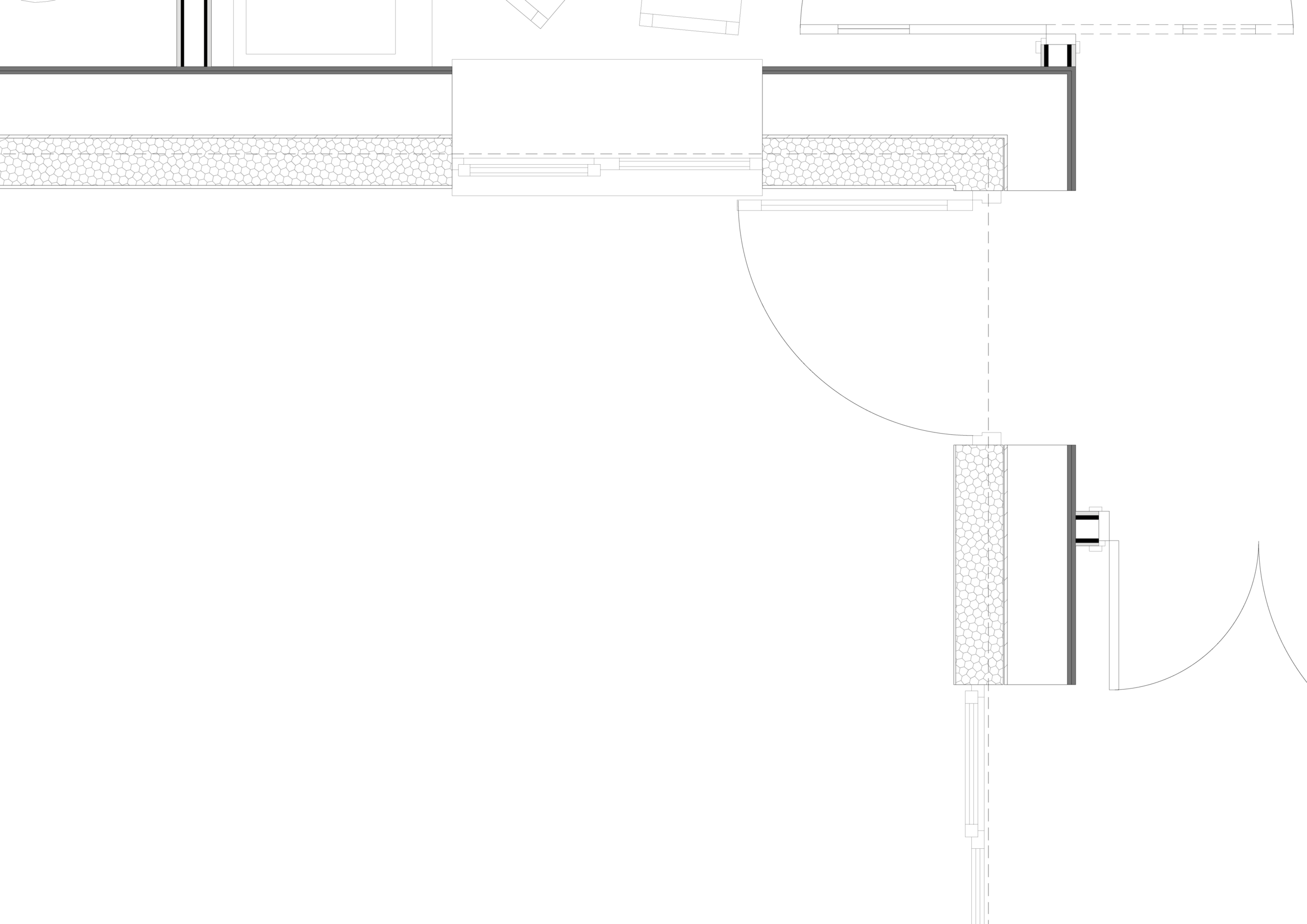
Anna recalled the ward as being composed of “straight lines.” Her attentiveness to this geometry, “corridors are straight and the bedrooms are in squares… not much roundness”, points to how risk is felt spatially, as a preference for linearity, visibility, and legibility. While such geometries are common to many institutional and domestic environments, Anna’s account reveals them as sensorially and affectively charged within the psychiatric ward. Straight lines do not simply organise space; they organise bodies. Long, thin corridors require bodies to mirror their direction, limiting meandering, pause, and what Jean Oury described as the possibility of “real encounters.”
This spatial logic has a longer institutional history. Radial bedroom corridors extending from a central hub recall nineteenth-century asylum and prison architectures designed to optimise surveillance. Contemporary psychiatric wards continue to retain elements of this logic in what are described as “spoke designs,” enabling most patient doors to be “directly observed from the optimal viewing points on the wards” (Sheehan et al., 2013: 791). Risk, in this sense, is embedded not only in policy or procedure but in the geometry of the building itself. Lines become instructions: routes to follow, positions to hold, directions that render bodies readable.
It is at the end of these lines that corners appear. Corners are where two walls meet, where movement is curtailed, and where space is sealed. They mark the point at which a room can no longer continue. During the clay workshop, conversation turned repeatedly to corners as significant spaces on the ward; places to seek refuge, to “just be hidden” (Maeve), or to remain “right on the edge of a physical space” (Kit). Corners were described not as places of escape but as sites of reduced exposure, where the demands of visibility could be momentarily softened. In a spatial regime organised around straight lines and open sightlines, corners offer a minor reorientation: still within the ward’s logic, but slightly out of its centre.
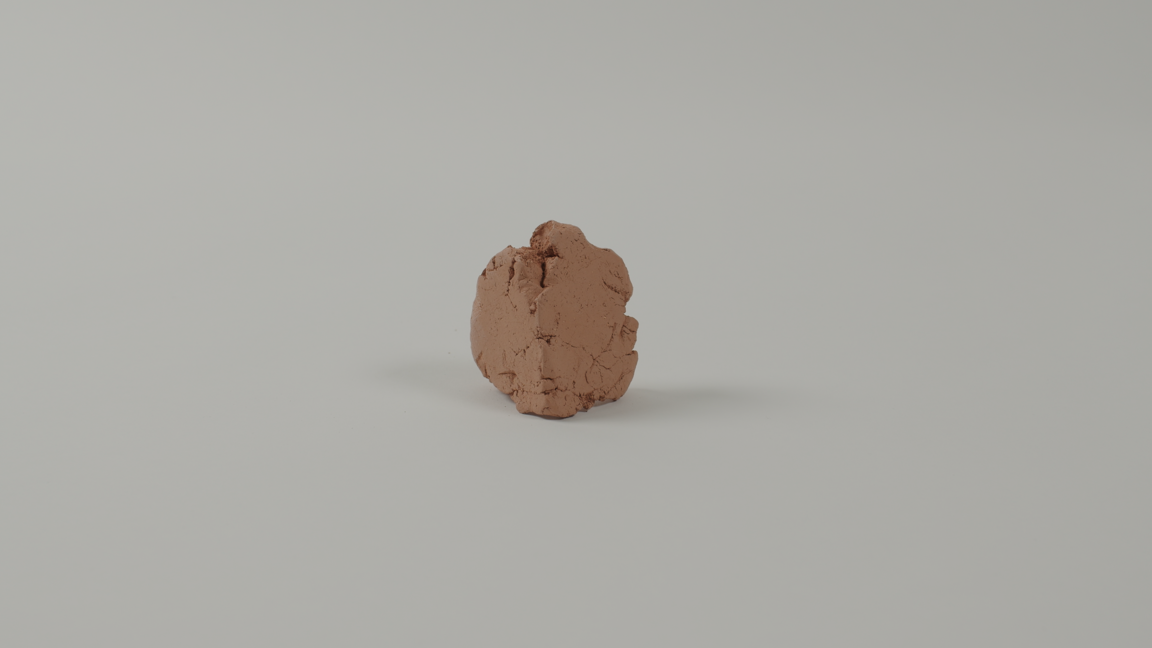
This spatial awareness became materially explicit during a collective clay exercise. When someone asked, “How do you make a corner out of clay?”, we pressed clay directly into the corner of the room, shaping it against the junction of the two walls. The resulting object (hyperlink) was an imprint produced through contact with architecture itself. The clay corner bore the marks of pressure, constraint, and adaptation. Its form was determined by the walls that shaped it, registering how bodies learn to meet institutional space under conditions of risk. The object materialised orientation: the way bodies align themselves with architectural limits in order to remain legible, safe, or unnoticed. In this sense, the clay corner makes visible how risk is rehearsed spatially. It shows how institutional lines do not only direct movement but teach bodies where and how to hold themselves in anticipation of being seen.
This chapter examines how risk is produced, circulated, and sustained within locked psychiatric wards through spatial, material, and atmospheric means. I argue that risk operates not only as a clinical assessment or institutional category, but as the ward’s structuring principle: one that orients bodies along tightly regulated lines of movement, visibility, and legibility, shaping how space is inhabited, how objects are encountered, and how relations unfold. Rather than being intermittently imposed through intervention, risk is continuously rehearsed through architecture, routine, and material culture.
Building on the theoretical framing of anticipatory risk developed in Chapter 2, this chapter shows how psychiatric space is organised around futures that may never arrive. Risk is managed in advance, through environments designed to pre-empt harm, disruption, or uncertainty. Participants consistently described risk not as an abstract idea but as something felt: as a pressure in the air, a contraction of space, a narrowing of what is reachable. Governance, in this sense, is sustained less through overt control than through bodily alignment; through expectation, repetition, and the internalisation of spatial and procedural norms.