Research interest/research question: In the face of inherited clothing of the past, I ask: What images and stories will young people today pass on to their grandchildren? And – what does it actually mean to be historical?
The christening gown exists
The graduation coat exists
The wedding dress exists
The silver wedding dress exists
The Golden Wedding Dress Exists
The ski jacket exists
The barbecue suit is available
Everyday dresses exist
The white dresses exist
The blue dresses exist
The black dresses are available
The floral dresses are available
The trousers exist
With the clothing collection inherited from my 98 year old grandmother, Alvhilde as a starting point, I want to investigate which stories can be deposited through clothing, and how this can influence the process of costume making. Central to the study will be two women with the same name (Alvhilde), from the same family, from two different generations, with two different bodies. The examination of the personal material forms the basis for a scenographic installation with contributions from two generations of audiences and their own clothes and stories.
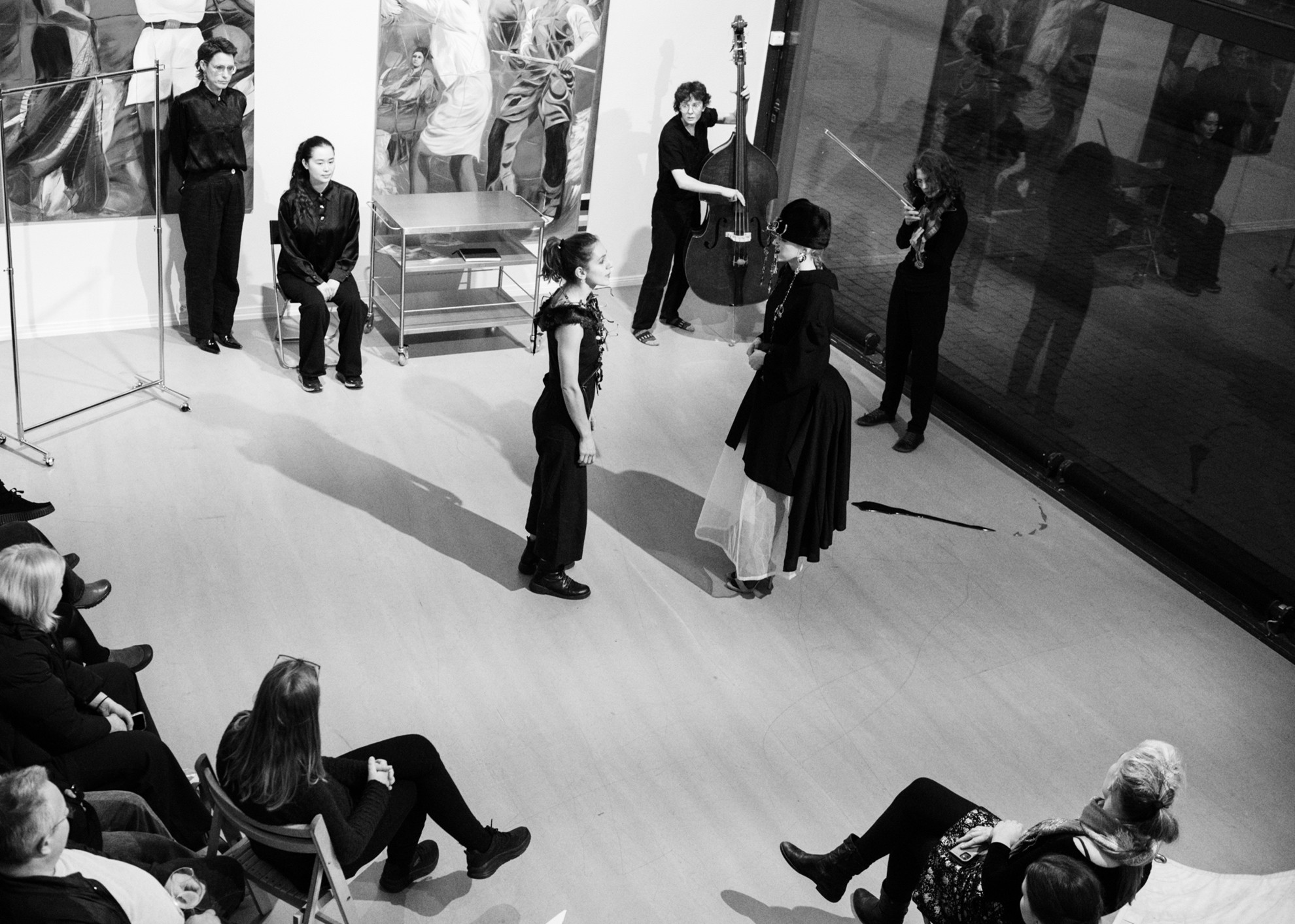
One ongoing experiment started last autumn; working with young people and their inherited clothes and stories, we put the original backstage work of making costumes; sewing, cutting, and treating garments on stage and looked at potentials for a dramaturgy steered by this 1:1 process. The idea is to investigate this further, together with professional costume makers and actors at theatre institutions. The two parts of the research process/questions go parallel to each other, yet without a clear idea on how to merge.
Ingvild Rømo Grande is ducated as scenographer at The Danish National School of Performing Arts in 2005, I have been working as a freelance scenographer on theatres in Denmark and Norway, and from 2014, as co-founder of the Theatre Company Sir Grand Lear in close collaboration with my partner Lea Burrows, working in the space between social art and theatre performance. From 2019, I have been teaching young theatre students at NTNU, in the Department of Art & Media Studies.
Through my work as scenographer and costume designer, I have worked together with actors, technicians and tailors in fitting rooms backstage and during rehearsals on stage, wondering how I could come even closer to how clothes and costumes really effect the audience´s connection to the people on stage. I am interested in how clothing and costumes can be looked upon as a process,more than product and link this to an interest in people, storytelling as well as the dramaturgy of costumes.
For the last four years I have focused on meeting this challenge in different ways. In the performances by Sir Grand Lear, we have developed concepts where the audience has been asked to do the costumes (following simple rules) and sometimes wearing costumes themselves, to lower the barrier between them and us.The PhD project, continues to search for methods on how to involve the audience into co – creation scenographic processes.
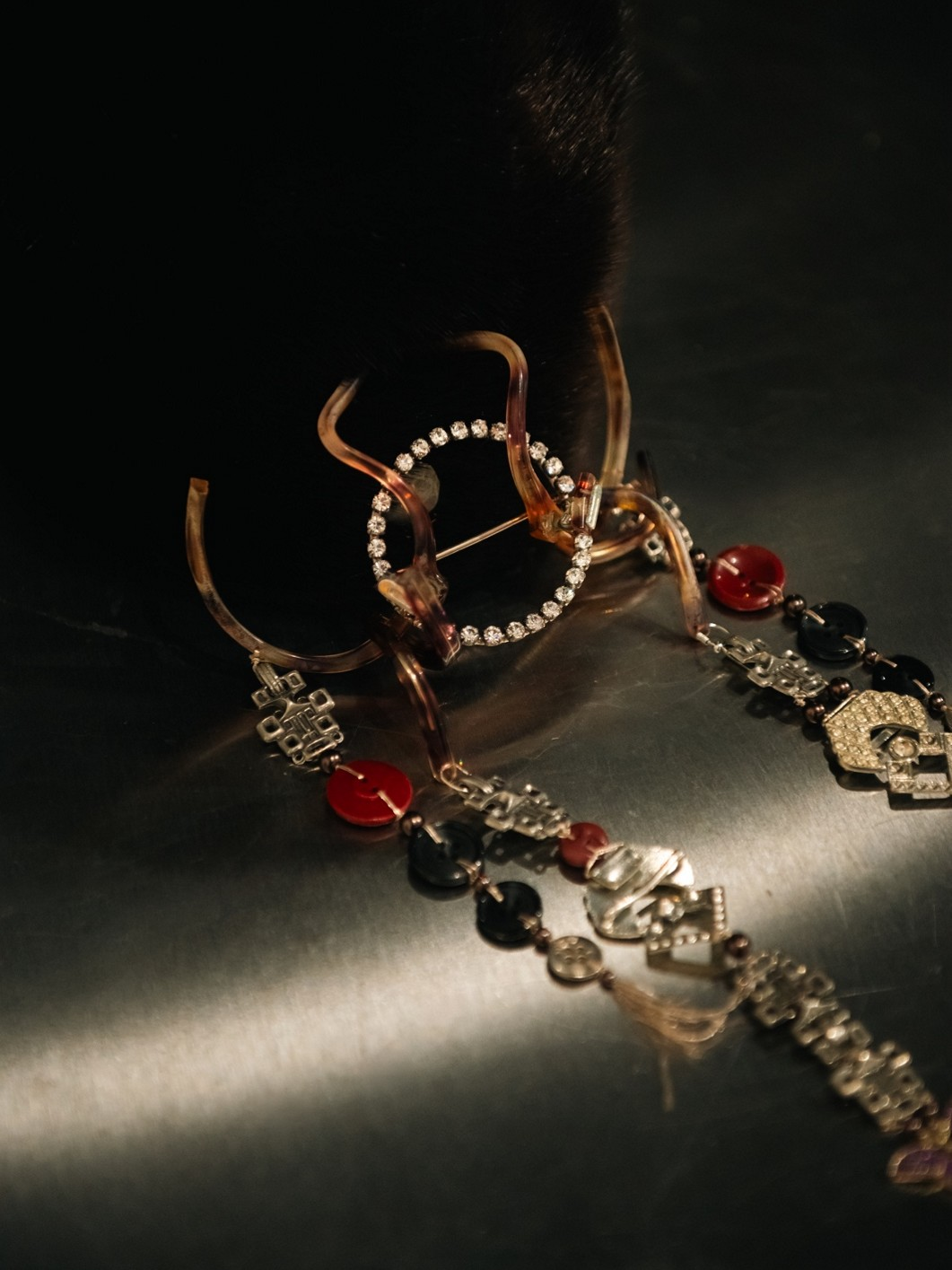
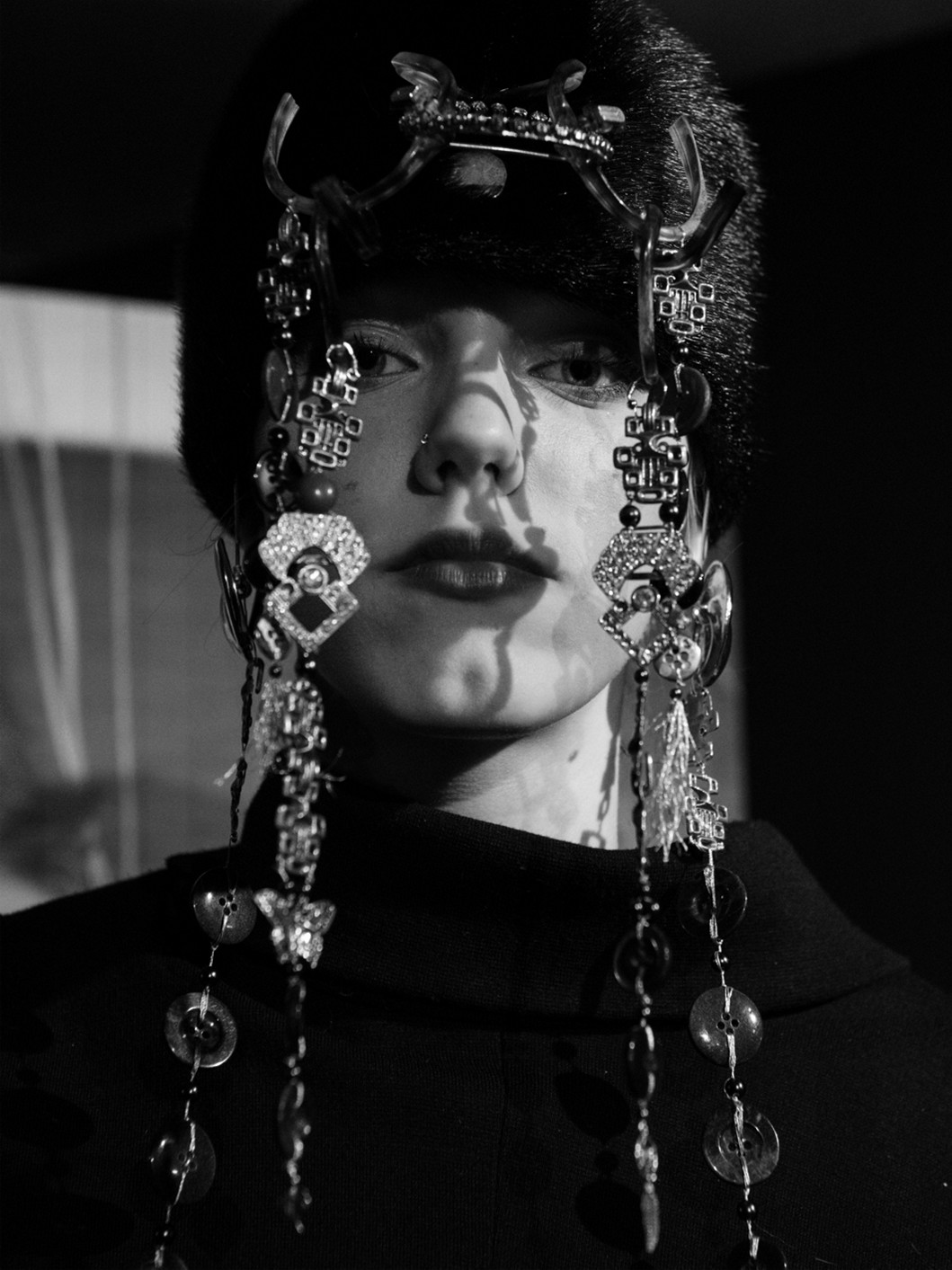
Jeg er Historisk!
Tredje og avsluttende presentasjon av PhD-prosjektet
I denne tredje og avsluttende presentasjonen av PhD-prosjektet Jeg er Historisk! forsøker jeg å samle trådene og hente ut det jeg mener er vesentlige erfaringer: Hva har prosjektet faktisk produsert – kunstnerisk, metodisk og erkjennelsesmessig? Og hvordan kan jeg formidle erfaringene performativt i prosjektets sluttpresentasjon?
I en rekke av kunstneriske eksperimenter som undersøker forholdet mellom klesmateriale, historie, kropp og performativitet, har jeg forsøkt å svare på hvordan arvede klær kan fungere som en dramaturgisk motor i en scenekunstproduksjon. Ikke som nos algiske objekter, men som aktive transformasjonsmaterialer.
Presentasjonen dveler ved det kunstneriske eksperimentet «Knappestøperen», og dets metodiske grunnlag. Metodene springer ut av ett overordnet spørsmål:
Hvor ligger forandringspotensialet i et arvet klesmateriale?
• Metode I: i møte med fiksjon ( og analyse av lesedramaet • Peer Gynt DUB)
• Metode II: i fysisk disseksjonen (og analyser av materialenes enkelte bestandeler).
I «Knappestøperen» virket disse to nivåene - den narrative og den materielle transformasjonen sammen i et performativt forløp. Kanskje er denne erfaringen den jeg opplever som viktigst å artikulere i prosjektet. Fra dette stedet g få tilbakemelding på fra salen: Hvilken relevans kan dette prosjektet ha for scenekunstfeltet nå?
English version:
I am Historical!
Third and final presentation of the PhD project
In this third and final presentation of the PhD project I am Historical!I attempt to tie the threads together and extract what I consider to be essential lessons: What has the project actually produced – artistically, methodologically, and epistemologically? And how can I communicate these lessons performatively in the project’s final presentation?
In a series of artistic experiments examining the relationship between clothing material, history, body, and performativity, I have tried to find out how inherited garments can function as a dramaturgical engine in a performing arts production. Not as nostalgic objects, but as active transformational materials.
The presentation dwells on the artistic experiment “The Button Moulder”and its methodological foundation. The methods stem from one overarching question: Where does the potential for change lie in an inherited clothing material?
• Method I: in encounter with fiction (and analysis of the drama • Peer Gynt DUB)
• Method II: in physical dissection (and analyses of the individual components of the
materials).
In “The Button Moulder” these two levels—the narrative and the material transformation - worked together in a performative sequence. I find this experience most important to articulate in the project. From this point, I would love to receive feedback from the audience on: What relevance might this project have for the performing arts field today?

“How can narratives of/from inherited everyday clothes produce new dramaturgies for costumes on stage?”
Working as scenographer and costume designer for many years, I have focused on how different costume strategies, could be used to reduce the distance between the audience and performers onstage. The Phd-project builds on further to this approach.
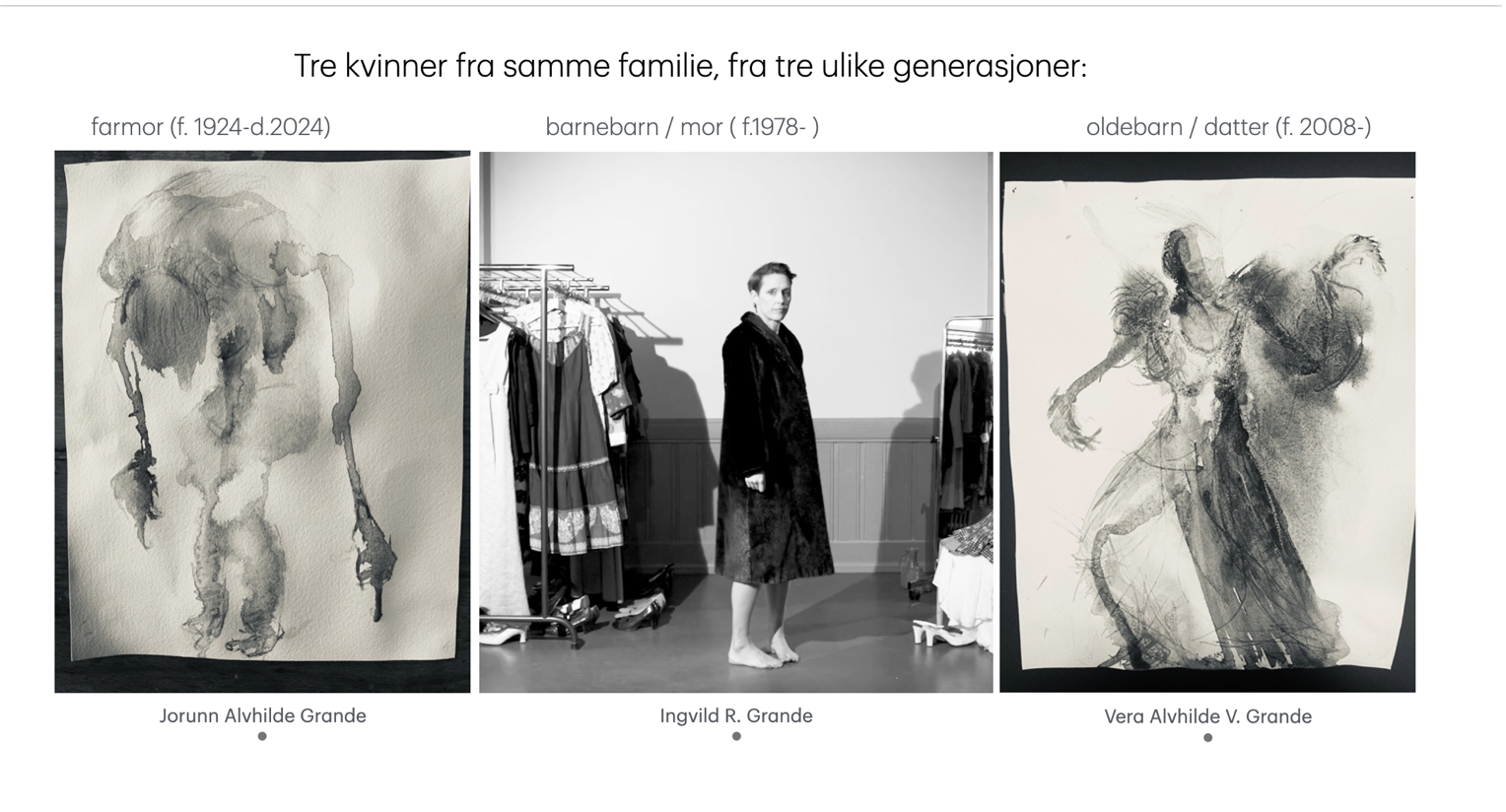
“I am Historical!” is based on the idea of unfolding a repertoire of clothes - consisting of around 100 items (dresses, blouses, hats, underwear) most of them from post 2nd World War - inherited from my own 98 years old grandmother, Alvhilde, and involve a young audience in this investigation of how stories, narratives and dramaturgical structures can deposited through clothes and family photos. Being the mother of a teenage girl, also named Alvhilde, I have observed how the younger body stretches and grow into the clothes, fitting them perfectly, while the elderly body is about to collapse, leaving the clothes behind her. This movement – almost choreographic – from one body to another, from one time / space to another, leads to the core of the project; looking at heritage as something productive, innovative, changeable, theatrical and political, that connects past, present and future.
A comparative study between the elder and younger Alvhilde (a1 & a2) will be combined with a series of workshop with actors, performers, and young theatre students investigating the unique ability of costume to perform, challenge and re-think matters related to human life through its tangible material and bodily dimensions, impacting upon the society as a whole.
In the presentation at ARF 2023 I will suggest possible methods for the research, touch upon the ethical concerns, and discuss how the project could contribute to the field of costume, scenography and visual dramaturgy.