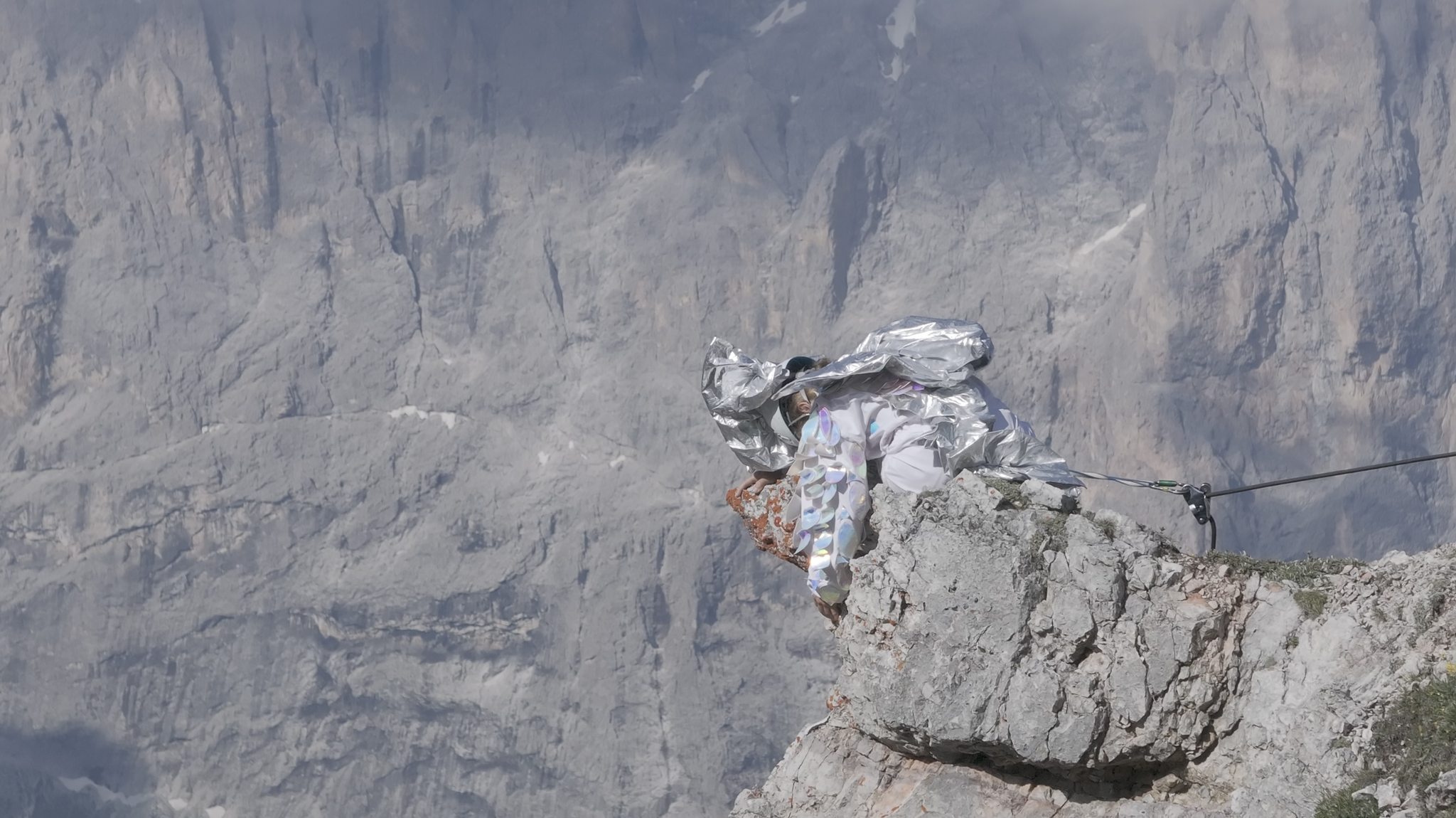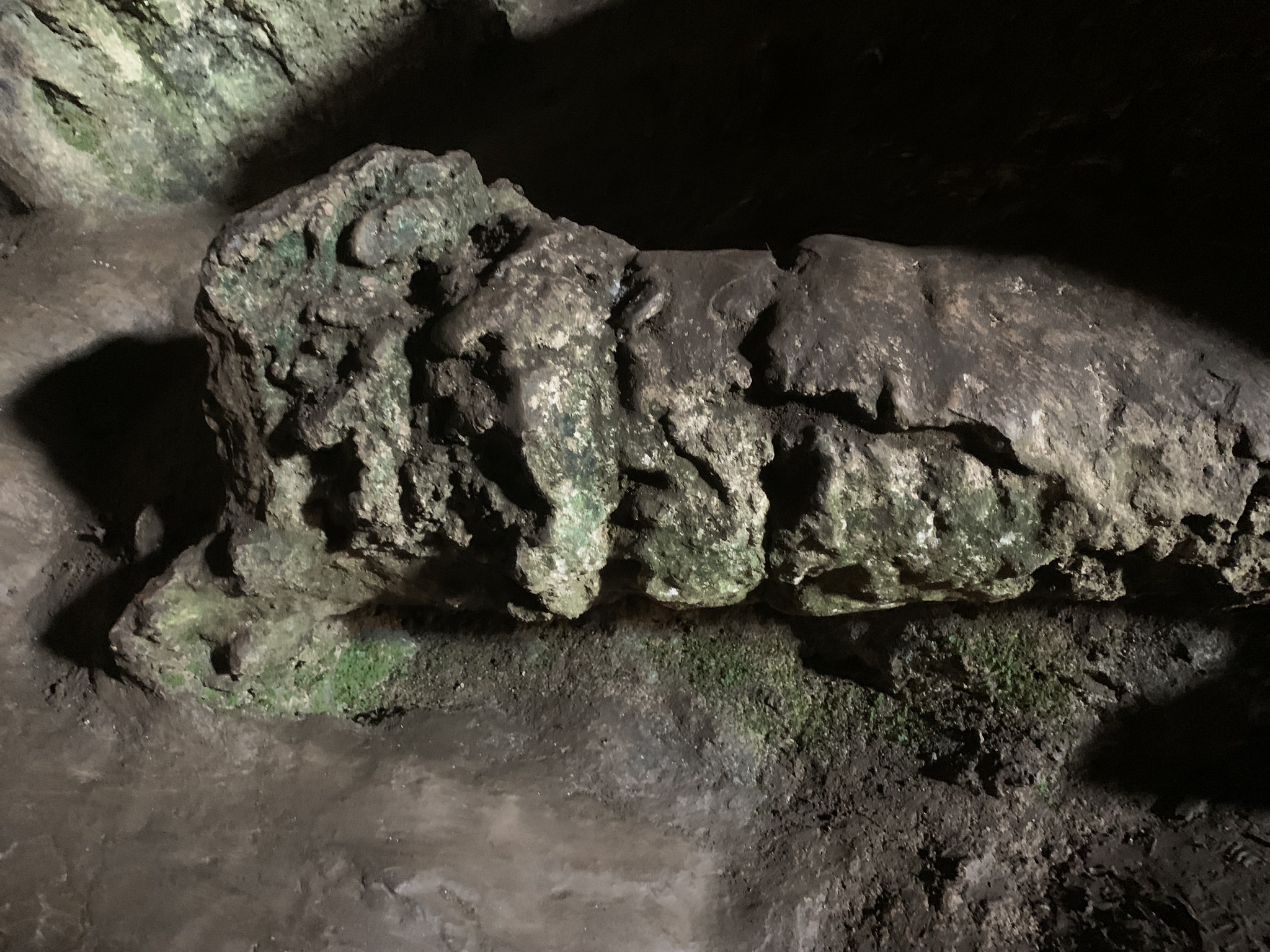
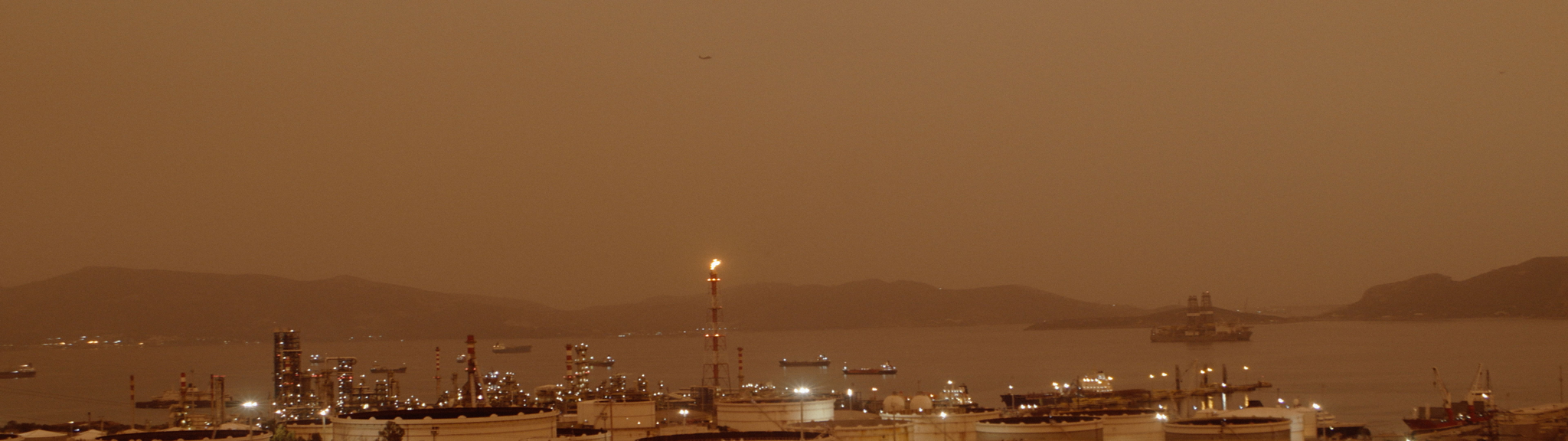
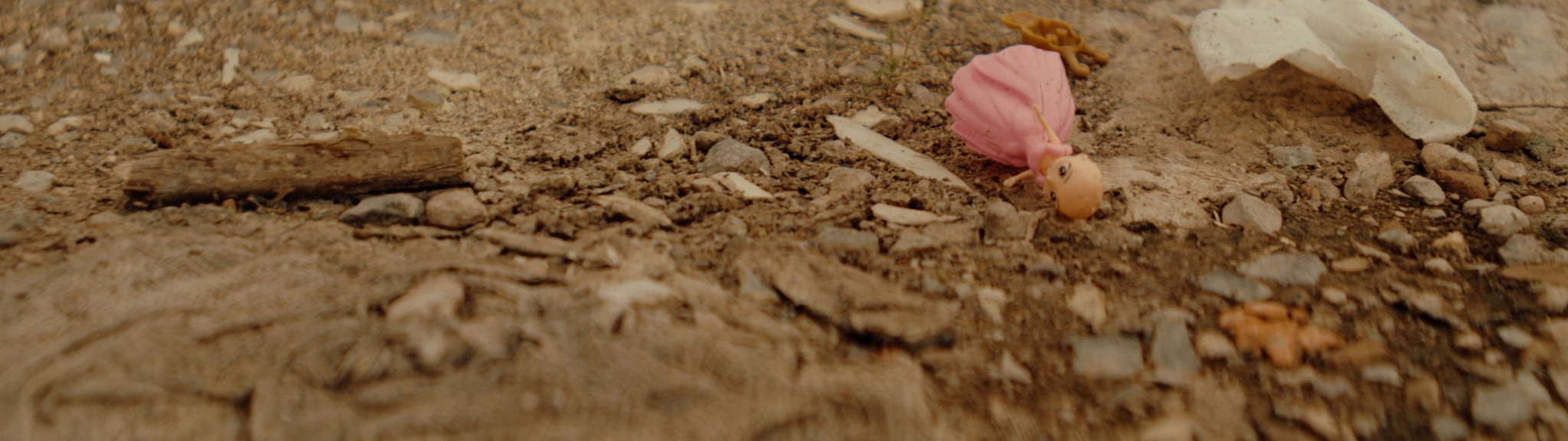
My PhD research investigates the entanglements between human and more-than-human bodies and places through the expanded temporal and spatial registers of geological (deep) time. It approaches geology not merely as subject matter, but as an epistemological and ontological framework through which relations between bodies, matter, and territory can be rethought. The project mobilizes performative modes of seeing, sensing, and situating as methodological tools for interrogating how landscapes are perceived, constituted, and inhabited.
These inquiries unfold through practical, poetic, and speculative operations that engage what I describe as not a singular geological perspective, but a plurality of geological perspectives. Rather than treating geology as a stable scientific discourse, the research treats it as a set of interpretative practices that mediate access to material histories, stratigraphic inscriptions, and planetary processes.
The more-than-human bodies foregrounded in this project are primarily geological entities, including mountains, structural formations, landforms, continental plates, and deposits such as deltas, sand, and sediments. These bodies exist in diverse material forms, possess varying degrees of mobility, and unfold and transform across vastly different temporal scales.
Through research in and on various natural archives, such as stratigraphic layers, mineral deposits and the ontogeny of tectonic plates and rifts. The project seeks to understand movement, belonging and relationships of human and more- than- human- bodies as they are rendered visible through interpretations and studies of geological structures, form and matter.
Foregrounding geological entities as “protagonists” in the research affect the development of the dramaturgical frameworks, material research and choreographic and performative structures.
This methodological reorientation does not seek to exclude human presence, agency, or participation—either in world events or within the research process and works itself.
Rather, it functions as a critical strategy and a protocol that demands continual rethinking, re-adaptation, and re-analysis of the relationships between bodies and places that constitute the research, and the works.
Helle Siljeholm is a visual artist and choreographer based in Oslo. Her interdisciplinary practice spans film, installation, sculpture, choreography, and performance. She is currently pursuing a PhD at the Oslo National Academy of the Arts, where she explores geological formations—such as mountains and landforms—and how these intertwine with human, natural, and cultural systems in light of geological (deep) time, the present, and possible futures. Siljeholm’s work has been shown internationally, including Reykjavik Dance Festival, Walk&Talk Biennale: Gestures of Abundance (the Azores), the Greek Film Archive (Athens), Sismográf (Spain), PCAI (Delphi), the 9th Biennale Gherdëina: Parliament of Marmots (the Dolomites), Bolzano Danza/Haydn Foundation, VEGA|ARTS (Copenhagen), the National Gallery of Iceland, Ramallah Contemporary Dance Festival (Palestine), Malmö Konsthall, Athens Biennale, and Hamburger Bahnhof – Nationalgalerie der Gegenwart (Berlin).
In Norway, she has presented work at venues including a solo- exhibition with Ingri Fiksdal at Kunstnernes Hus, the MUNCH Triennale The Machine Is Us, the opening of MUNCH, BEK – Bergen Centre for Electronic Art, Landart Gjerdrum, Black Box teater, Rosendal Teater, Høstscena, Jugendstilsenteret and KUBE, Oslo Kunstforening, and Akershus Kunstsenter. Siljeholm served as co-curator of Høstscena: Øst for solen, vest for månen (2023), curator of the Academy of Fine Art’s BA graduation exhibition St. Olavsgate 21: For Sale (2021), and artistic director of Barents Spektakel 2019: The World’s Northernmost Chinatown.
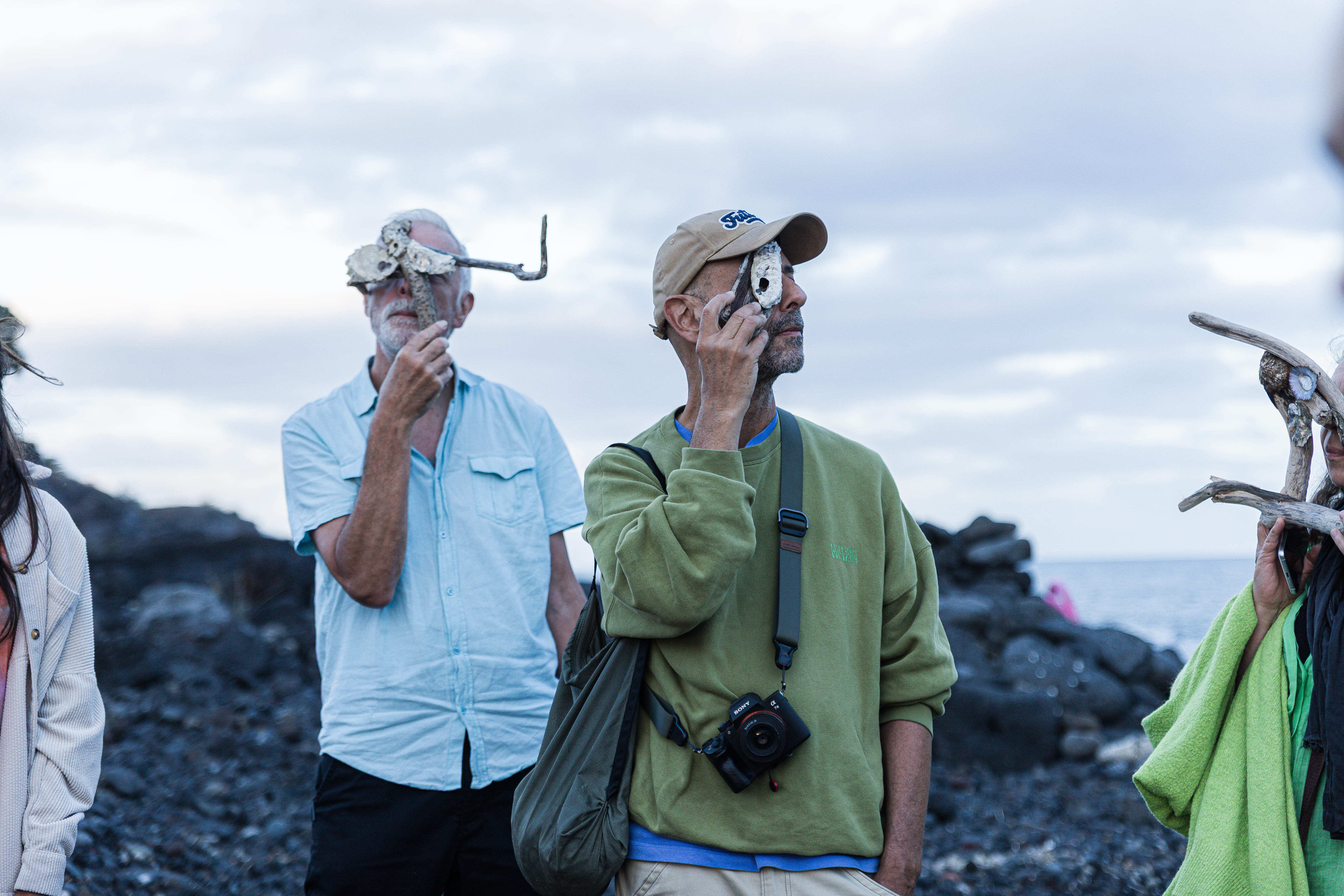
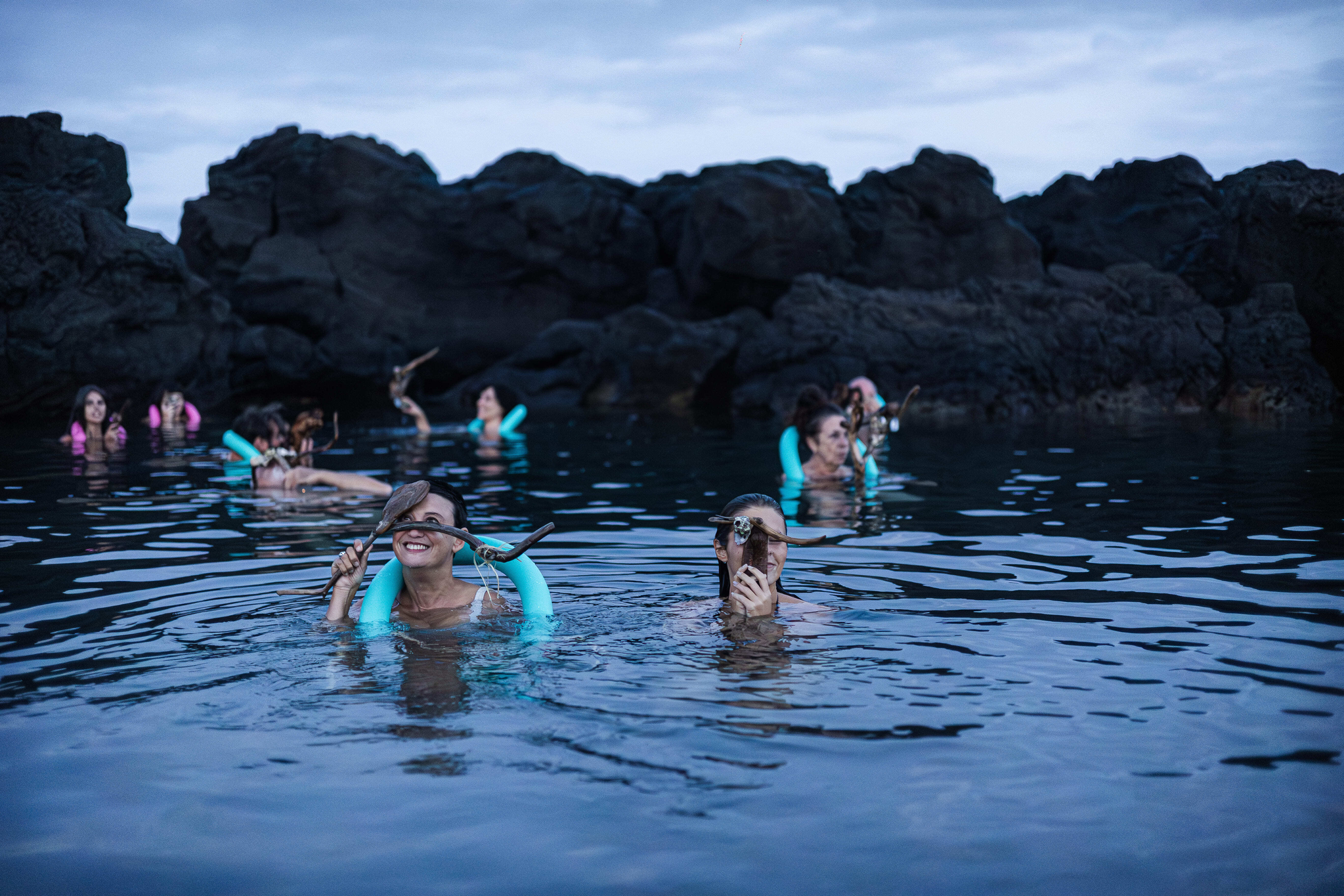
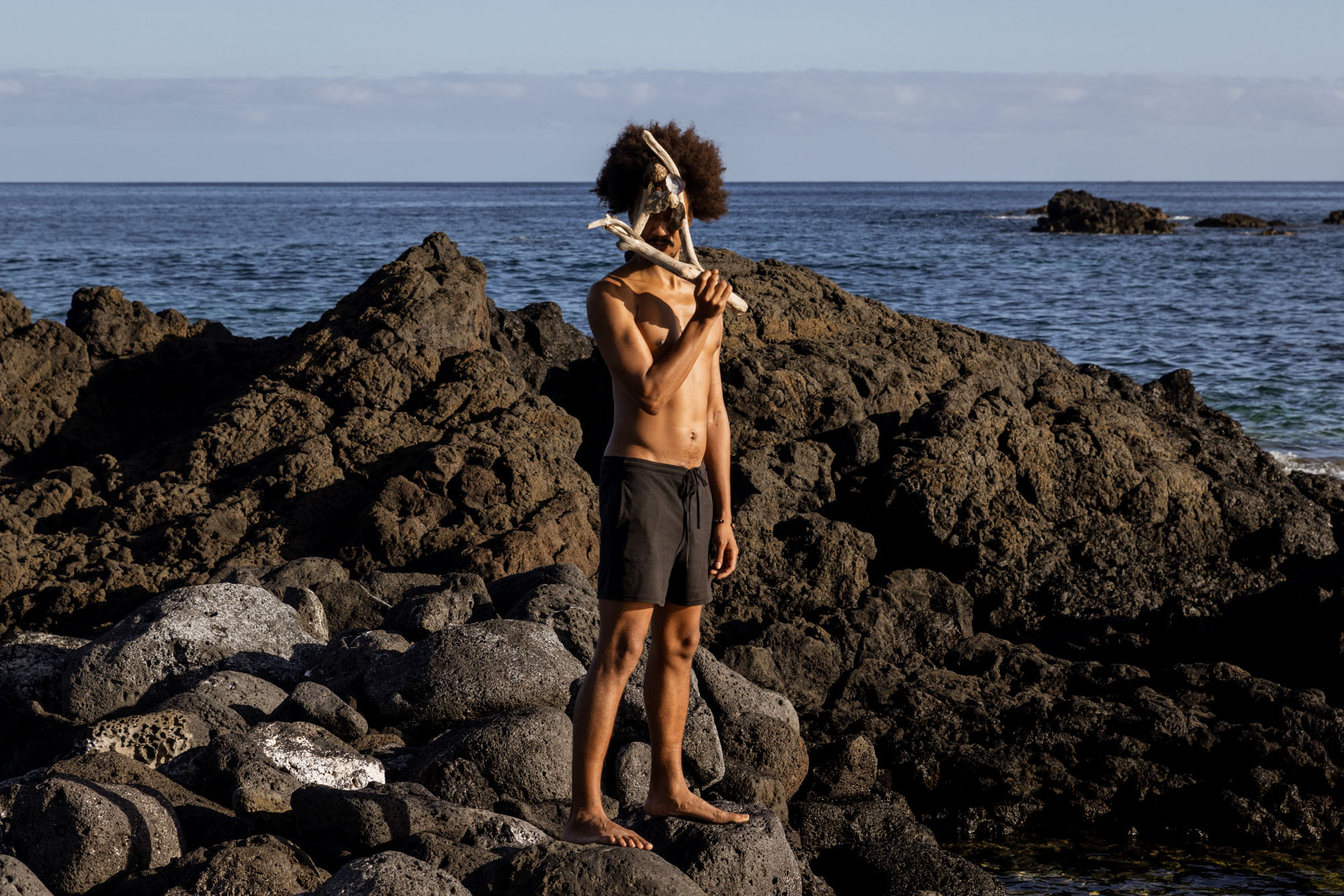
My research project explores geological formations through engagements with multiple scientific and artistic disciplines, specific local contexts, and diverse frameworks for art-making, presentation, and research. In my second-year presentation, I will focus on challenges of transdisciplinary research, working with geological timescales, and development of site-situated or site-responsive projects.
Artistic Research Autumn Forum 2024
1st presentation
During this presentation I will give a brief outline on the research activities planned in my project over the next 2, 5 years, as well as give a brief introduction to the activities undertaken during my first 6 months of the PhD program.
My project can best be understood as expanded choreographic practices, and expanded practices within sculpture and installation. Sourcing from findings, literature, and field work in diverse nature archives in Europe, Middle East and Africa I am researching a selected number of more- than- human bodies (mountains and land formations) as interlinked communities and sources for life, through geological time and space. This research, on and with, nature archives carries an ambition towards being understood as sensing and sense making practice. Inspired by the translation of an aesthetic research practice in the book Investigative Aesthetics- Conflicts and Commons in the Politics of truth, (Verso 2021) by Matthew Fuller and Eyal Weizmann.
The research project aim to find ways that can alter our (humans) anthropocentric gaze towards the perspectives of the more- than- human bodies. And further, How may these more- than- human perspectives translate and materialize as embodied experiences, ephemeral practices and imaginations?