In this study, I reflect on Charms, a project that took shape as a multi-channel video installation. Charms reconsiders imaginary pasts of the body — such as the scientific body of medicine — through a speculative and transformative process of reimagining. At the core of this approach is the concept of imagination as a layered construction, shaped by inherited cultural narratives and phylogenetic memory. In this sense, reimagining becomes a subversive act — one that possesses the potential to transform.
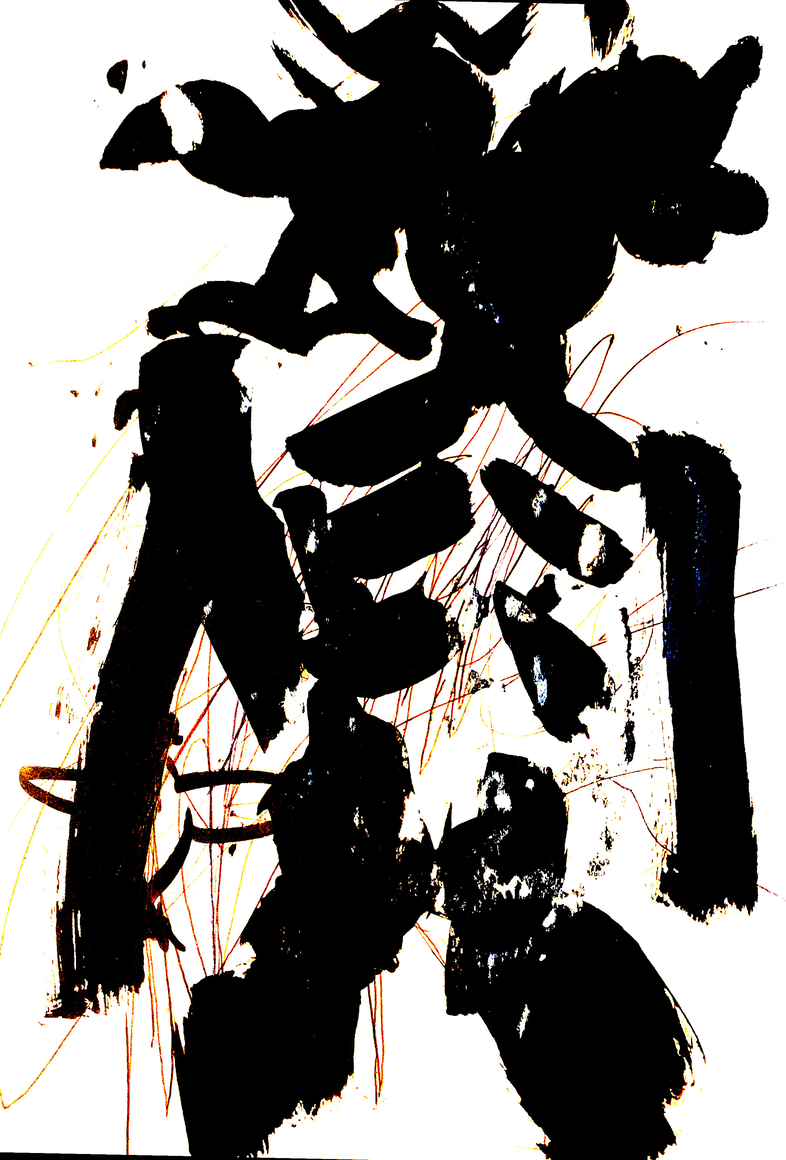
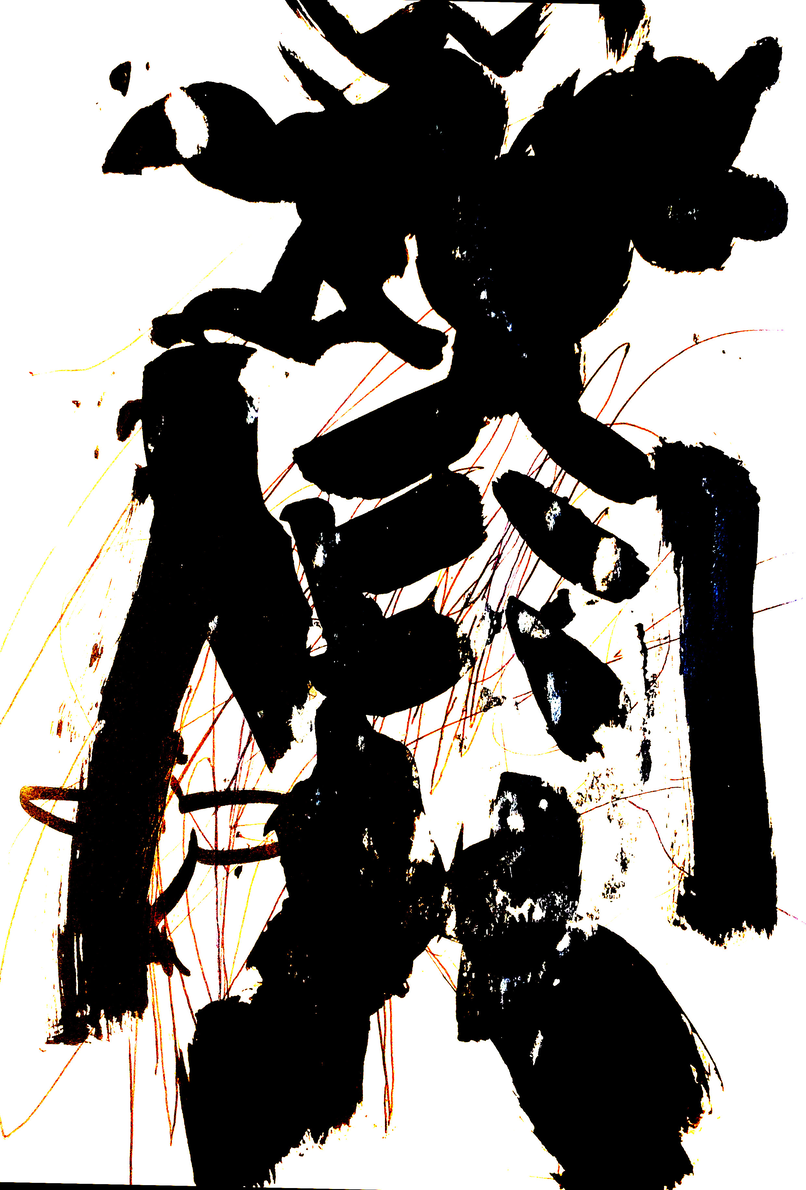
At the level of subjective practice, Charms also allowed me to reimagine my own body, through the act of embodiment required during the performative process. The project developed across several stages, involving the creation of two over skins (Charms and Gyu) with corresponding media props, objects, set design, drawings, and sound composition.
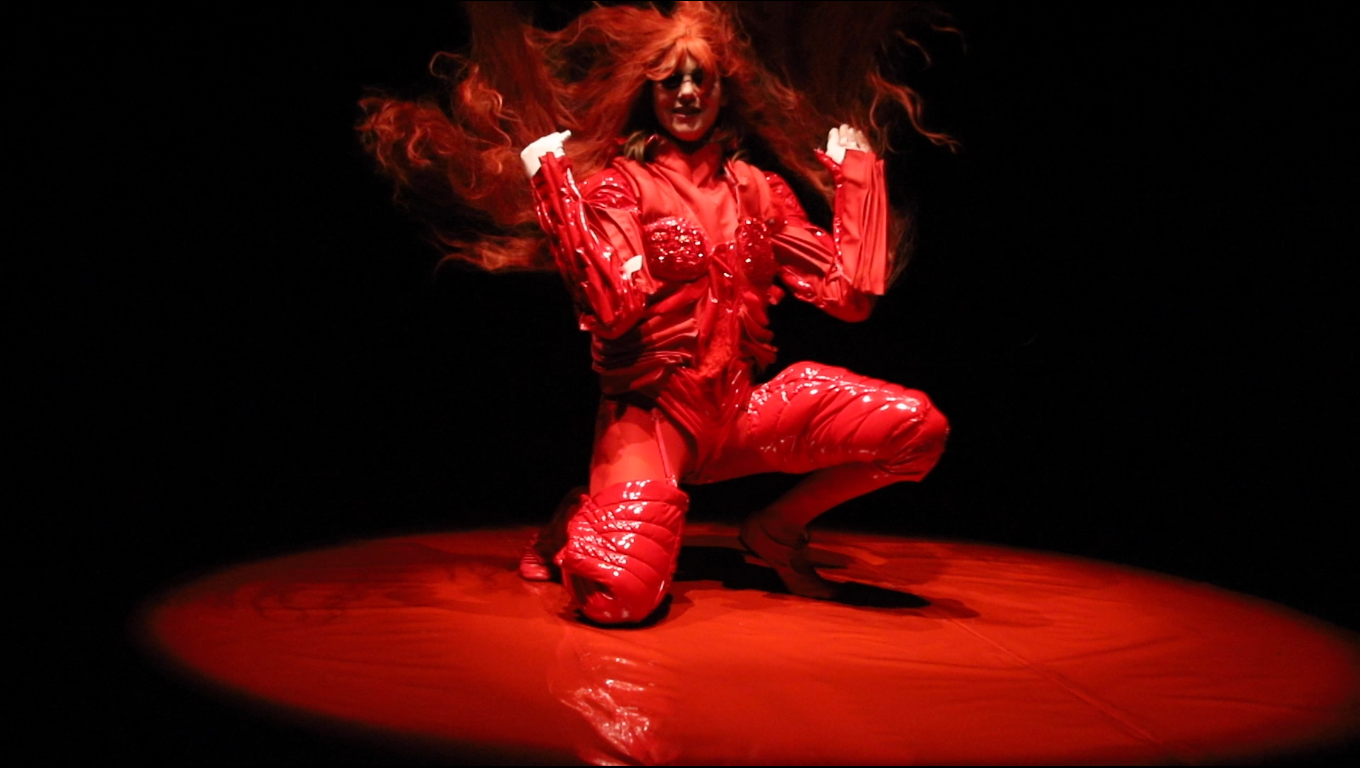
Of the two over skins featured in Charms, the principal one (also named Charms) presents a reimagined body constructed through an anachronistic assemblage of visual elements drawn from anatomical flayed figures (échorché), all’antica armour, and fashion. Its design is informed by a conceptualization of the skin as a symbolic surface, as well as by the appropriation of medical visual imagery. This composite body evokes inversion: a body that wears its own flesh, becoming both a vessel for the imagination and a generator of images.
But how can a flayed body, which is a transitional body with its muscles, veins, and viscera exposed, metaphorically assume the role of armour? This question requires a reconsideration of the skin as a complex interface, one through which the body is duplicated and reinforced. Because skin conceals the disorder of the body's interior (organs, fluids, and viscera), it acquires the symbolic capacity of a protective barrier. The inside-out flayed body, while seemingly fragile, gains a potent, apotropaic charge when understood as flesh-armour. It is through metaphor that this flesh becomes an over-skin — a garment to be worn. To wear this hybrid costume is to undergo metamorphosis: the body emerges from within, reconstituted in the vinyl and armoured materiality of Charms. Being inflated and exposed, the body aligns more closely with the logic of armour: a flesh-exoskeleton.
The two over skins were designed for my own embodiment, making my body simultaneously a vehicle and a producer of images — a body that embodies. I also engaged with movement as an imaginative tool, using the biomechanical measurement instruments at the research lab.
Through this project, I aim — among other speculative possibilities open to interpretation — to propose a complex image of the cultural construction of the body, as well as a coexistence of multiple, anachronistic temporalities embedded within studio practice.
This document will unfold through the following sections: a contextualization of studio practice (Prelude: Imaginative studio),
an introduction to the core of Charms (How I met Charms),
a contextual analysis of the genealogy of the flayed body and the all'antica armour
a study of the two costumes (Charms (over)skins) (Mediatic props),
an account of the embodiment processes in performance and at LABIOMEP-UP (Inside-Out: embodying Charms) (Embodiment at the Biomechanics Research Lab),
and cross-over stage and video (Plastic imagination: stage metaphor and video fictionality),
a final concluding discussion of the interdisciplinary implications of the project, addressing the potential transformations it proposes for understandings of corporeality and
imagination (Conclusion).