
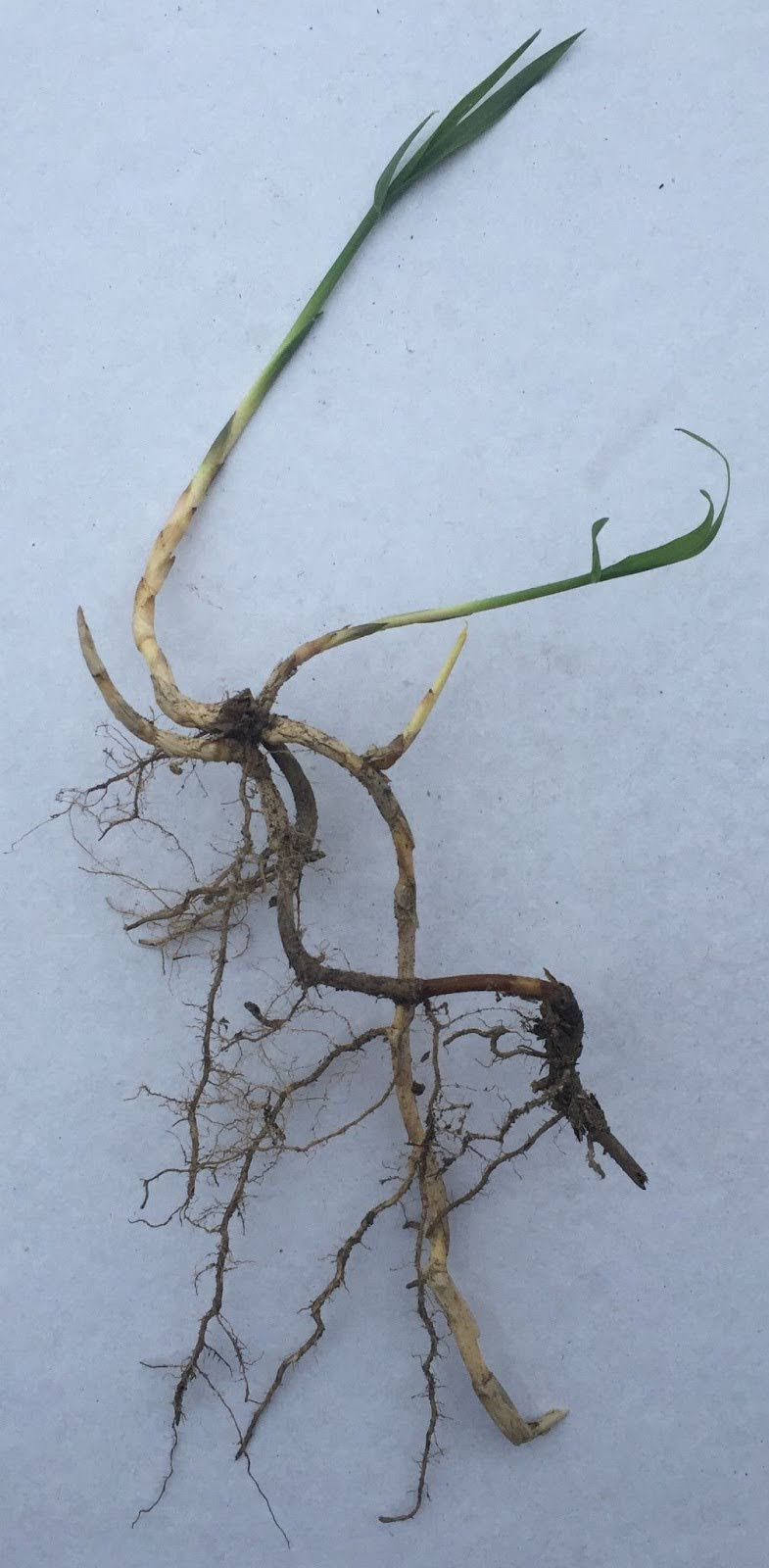
In the spring of 2020 COVID-19 brought the world to a standstill. I was stuck in Belgium for the first five weeks of lockdown, but I returned to Italy in late April to a garden overrun with couch grass. The previous year we had planted only annuals, so after a series of very dry and hot days, I was able to pull up most of the grass by hand. But the roots of couch grass are smart and sneaky and the tiniest bits that broke off during my weeding could quickly re-form their underground network. Couch grass intermingles with the roots of other plants, suffocating them and stealing from them the nutrients they require from the soil. Luckily, we still had a good season, but before winter my husband covered most of the garden with cardboard and leaves in an attempt to deprive the large network of rhizomes of light and oxygen.
There are a few newer crops in our garden that reproduce in a similar way as the couch grass, but with more welcomed results. We planted one red and one yellow raspberry plant in 2020, and the following spring several baby plants were poking up just a few centimetres from the originals. We also planted strawberries. These clever plants spread through the air rather than the soil as very fine stems spring from the top of one plant and take root in the open space nearby. They occasionally even jump the small brick wall that separates the strawberry patch from the footpath.
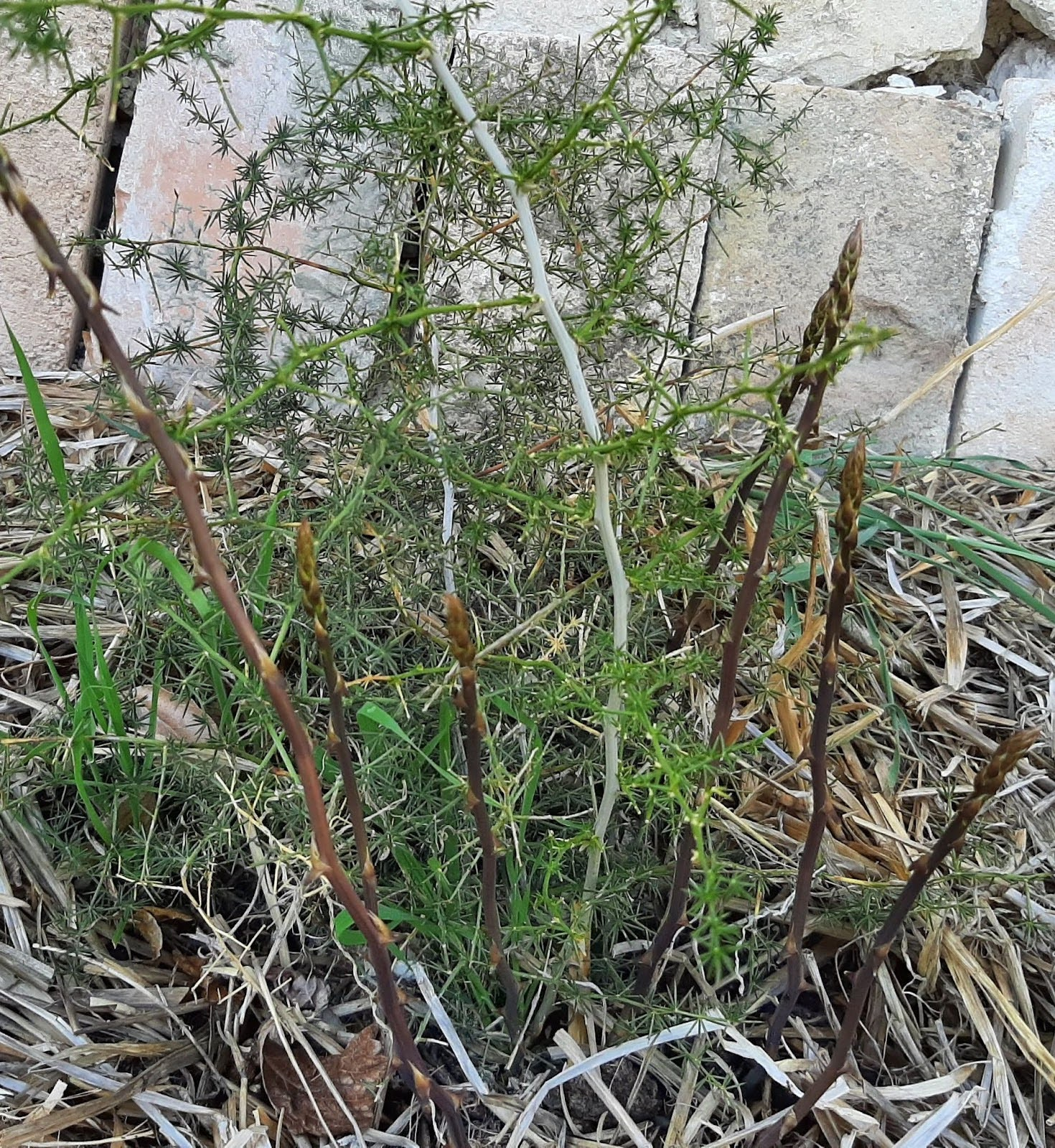
Late March and April is wild asparagus season in Capestrano and if you are lucky you can discover a plant in your own garden. It is important that you do not harvest all of the spears since doing so will kill off the plant in future seasons. The remaining spears also grow into larger ferny plants that are helpful, particularly in the wild, for finding the plants in the first place as the asparagus spears themselves are highly camouflaged.
Breathing is always of primary importance in our lives...
[next page]