Directional - Trajectoring
This strand explores melodic directionality as more than just a matter of pitch rising or falling, or of lines moving forward through time. Here, melody becomes a dynamic force bending, warping, shifting, moving not only horizontally or vertically, but also laterally.
I began working with the idea that melodic movement is not only about approching and reaching a goal but also about how one sidesteps, or deviates from that goal in real time.
In this exploration, directionality was experimented with in goal-orientated phrasing, peripheral motion, and intentional misdirection, playing toward, away from, or around a target, sometimes with clarity, sometimes with ambiguity.
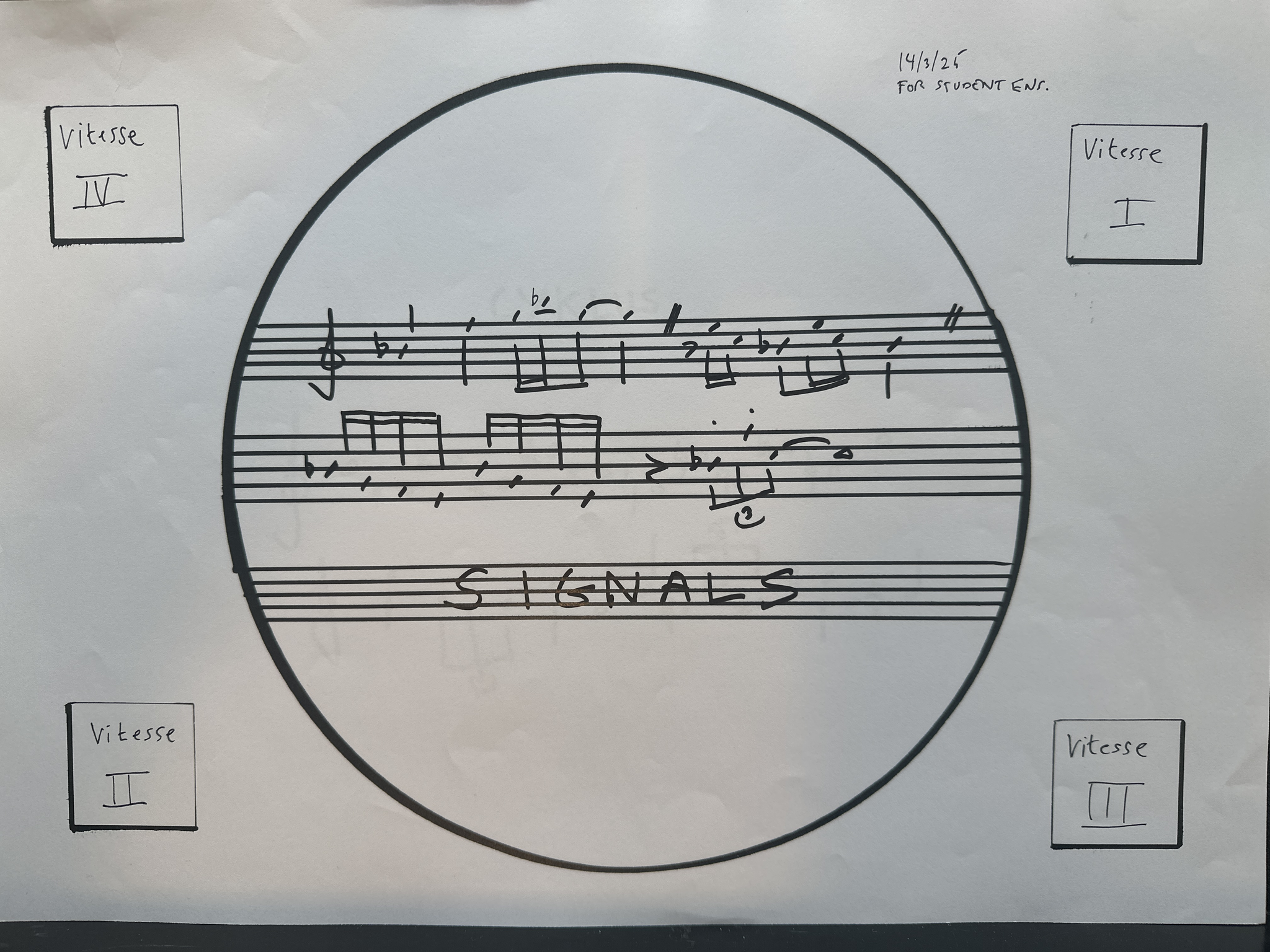
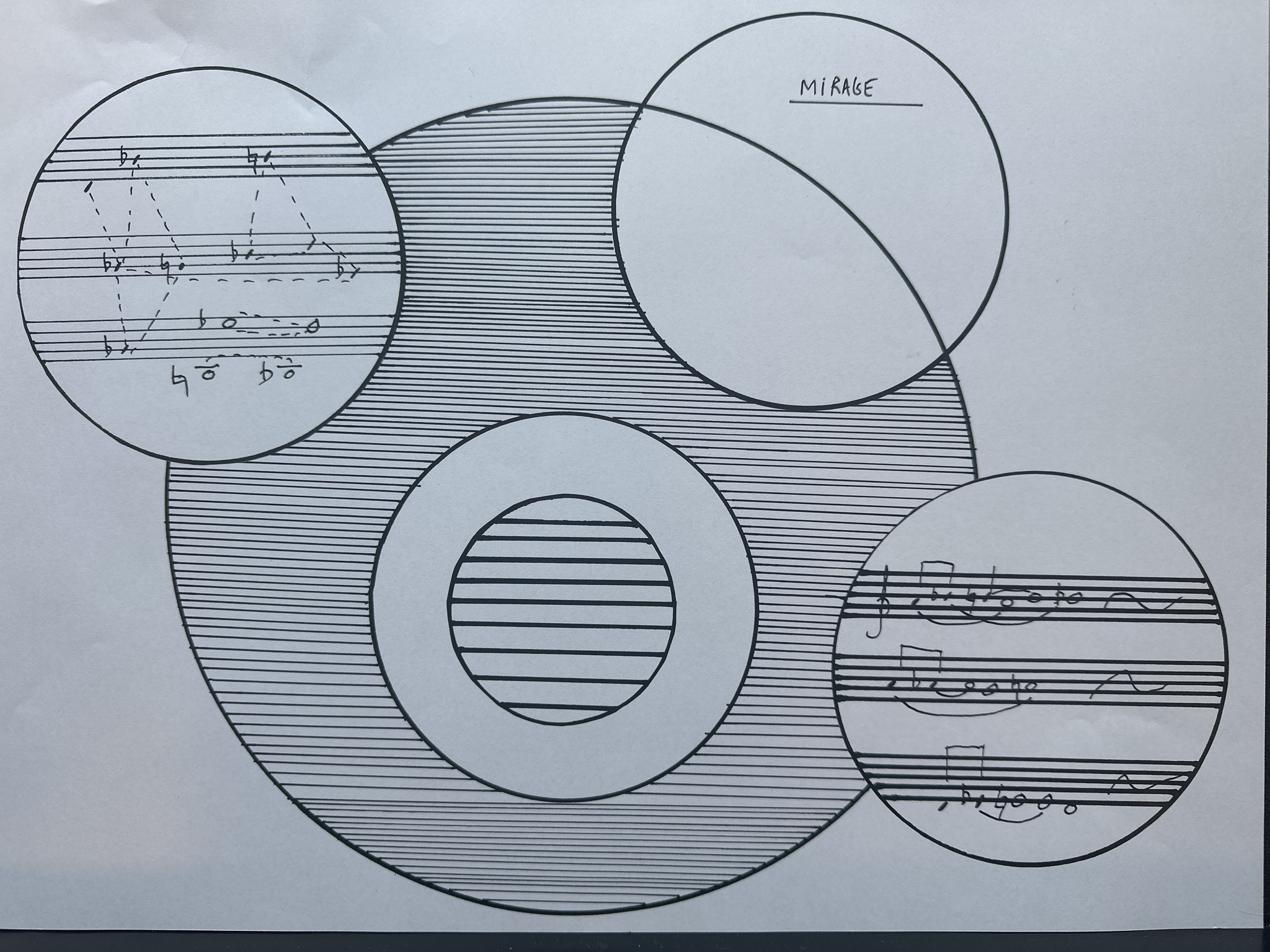
Signals are melodic statements that suggest direction, sometimes without fully committing to it. They are fragments that point somewhere, melodic hints, invitations, or openings without necessarily arriving somewhere. A signal might be a single, articulated note left unresolved, or a short melodic motif that could implie a tonal centre in that particular moment or rhythmic pattern before disappearing again. In my own playing I still hears traces of Horagai-signals (Japanese conchshell instrument), usually in the end of phrases (going up)
Signals i a melodic statement that hints a direction or idea, prompting the performer or ensemble to respond, continue, contrast, or explore. Somehow related to ealier free-jazz' "Calls", but also opening space for interpretation, interaction, or interruption, especially within ensemble contexts, where a signal may provoke a response or redirect the flow. In this mode, melody could also operate more like a question than a statement.
Often I find this to be an interesting role for my playing in improvisation, and often I feel a strong connection to this and my experienced intentionality.
I spend a lot of time on my road bike. I enter a mode where everything is reduced to breath, to becoming one with the forward motion of the bike and my body. Of course, I look out over the handlebars, seeing what’s just ahead, but also scanning further toward the horizon sensing which lines I need to follow in my riding. Already as a child, I discovered something important: that even when I looked straight ahead, I could still sense what was happening at the edges of my vision. I could see the elderly woman stepping into the street, or the young couple with a pram in the side-street, figures that were not in my direct focus, but present in the periphery. That experience stayed with me. It gave me the idea that one can also listen this way, and even improvise in the area of perception that lies outside the immediate field of attention.
The periphery becomes a place. It’s not neccesarily where you aim your attention, but where you remain receptive. It’s where you notice what’s about to happen, or what’s happening quietly alongside the main flow. For me, playing in the periphery means engaging with sound in that same way, sensitive to presence, motion, and nuance that occur just outside the centre of focus.
Peripheral playing also draws attention to what is not being said. It values absence and atmosphere, and shifts the listener’s focus toward subtle relational energies. For me it can evoke a sense of distance or proximity.
It’s also a way of staying alert to possibilities that lie just outside the main frame.
(see spatial version of Peripheral)
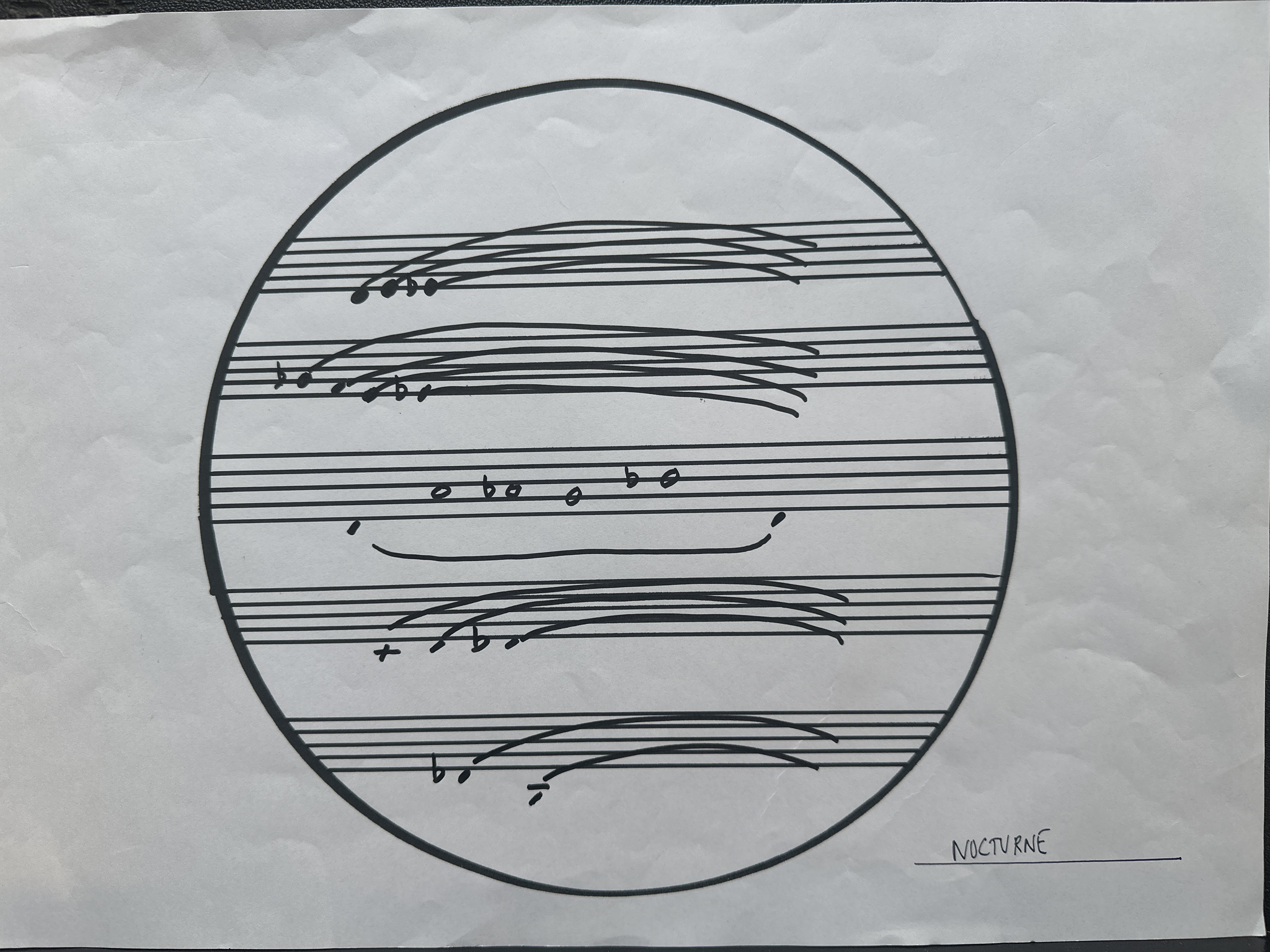
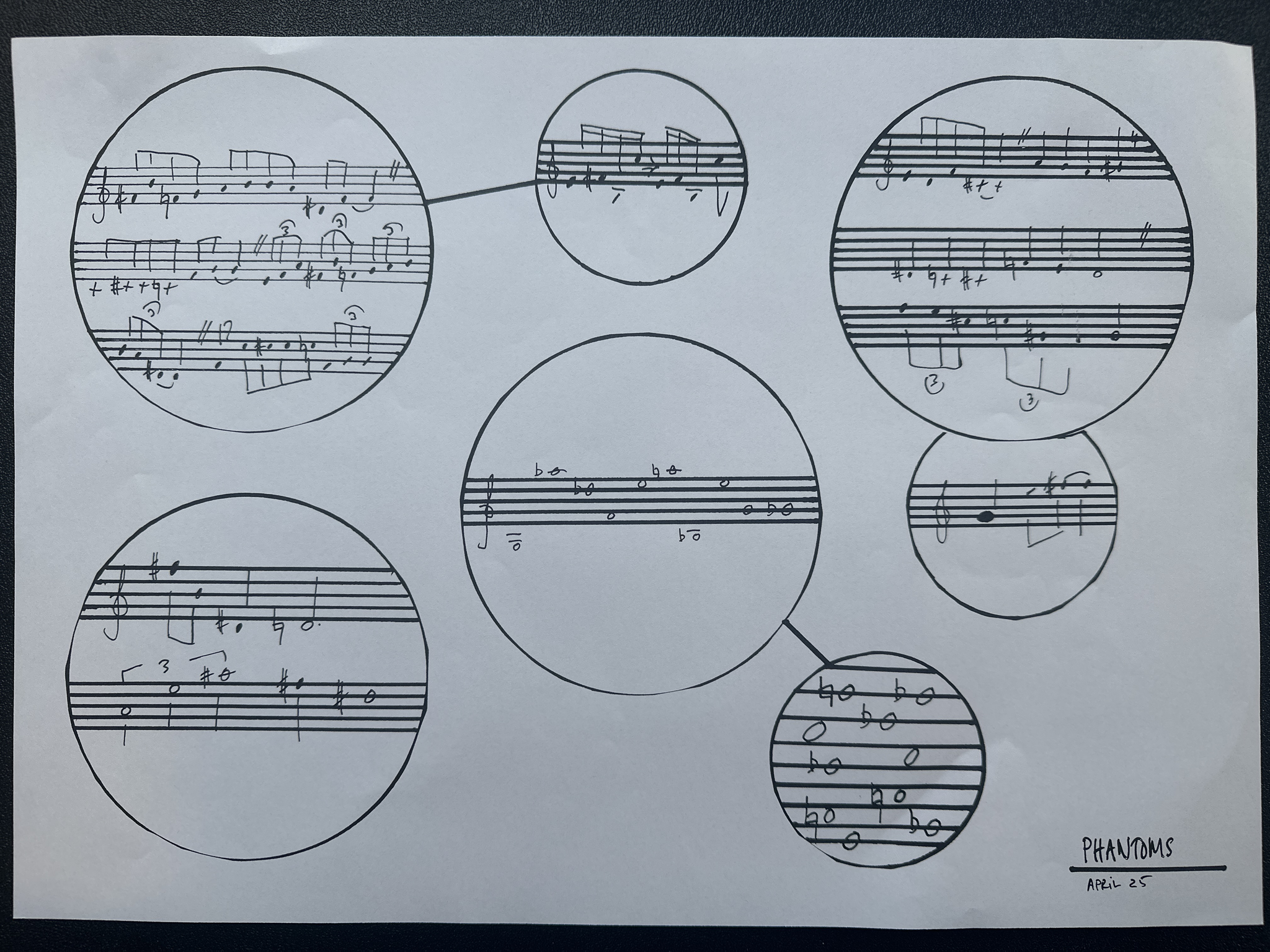
Describes a abstraction where melody seem stretched, suspended, or slow-moving. Instead of line and goal, I sense duration and vibration. Sometimes movement is not toward something, but within something.
Most important for me is that Melodronic playing invites internal listening. I typically use sustained tones, subtle modulations, or slow unfolding phrases. Time feels suspended, and movement becomes almost textural; I experience this in more rapid versions slowness aswell: so in my ear Melodronic does not need extreme slowness, as e.g. in the works of Morton Feldman, Magda Mayas or Alvin Lucier.
Arrows are focused and forward-driving. Clear, intentional fragments that aim toward an unknown, destination. Arrows carry momentum. They are shaped by contour and articulation, often changing speed or energy as they move. What defines them is intention: they mean to go somewhere, and that meaning is felt throughout the phrase. In ensemble settings, they can offer propulsion or a leading role, functioning as both signal and statement.
The four concepts - signals, peripheral, melodronic and arrows - offered me different ways of relating to directionality and intention in melody. They expanded my understanding of directionality not as a fixed trajectory, but as a field of choices and sensitivities. Whether reaching, resisting, orbiting, or suspending, each mode opened a different facet of melodic thinking, and other ways of listening and responding.