NY TITEL TIL DETTE CHAPTER! OUTRODUCTION HER?
Process Reflections (?)
Working iteratively created varying degrees of clarity, both in what I produced and in the process itself. For me, this meant that the one to four iterations of hybrid scores I developed for my two ensembles contained different levels of information and improvisational strategies for the participating musicians.
I have learned that, as a music maker, I can bend and shape the music’s expression and direction by working consciously with this clarity in the improvisational frameworks and the melodies tied to them. I came to see myself as a mediator of a connection between one or more of the strands and the improvisers, acting as a composer working with the loosest possible form of composition, something I am still contemplating.
Solo Work
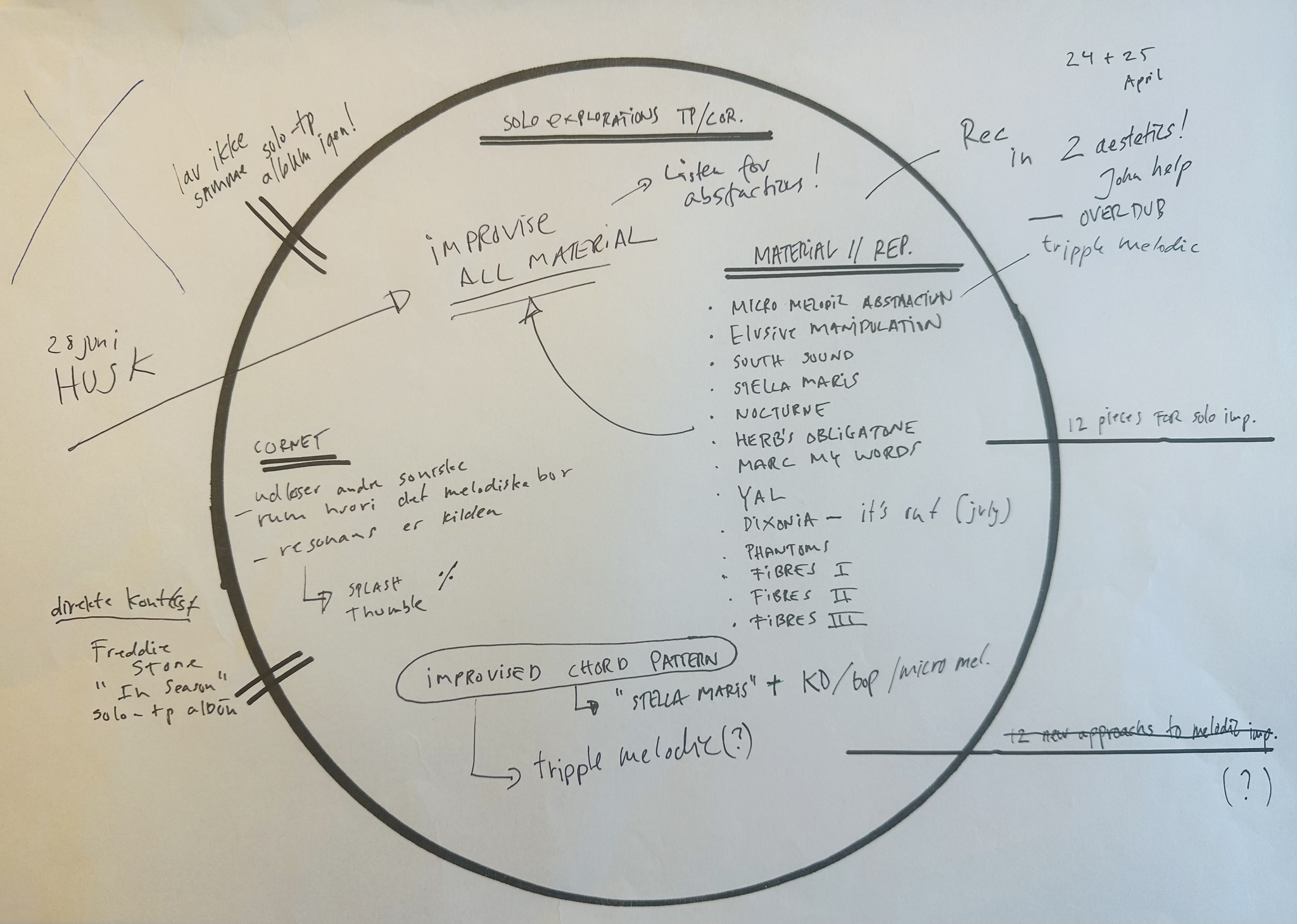
In developing solo works for Melodic Illusions, I was in a strong position, already carrying an ongoing solo practice. I had performed many solo concerts, worked with poems, and reflected continuously on my solo expression and improvisational methods. One sentence stayed with me: do not make the same solo-trumpet album again.
My solo work became a driving force in the project. Practicing alone for long stretches, I developed approaches, sensing its physicality, and letting ideas become embodied. This practice also exists within a broader context of solo trumpet work; I have always drawn nectar from many musicians, not only trumpeters, while also seeking other directions, not repeating what has already been done.
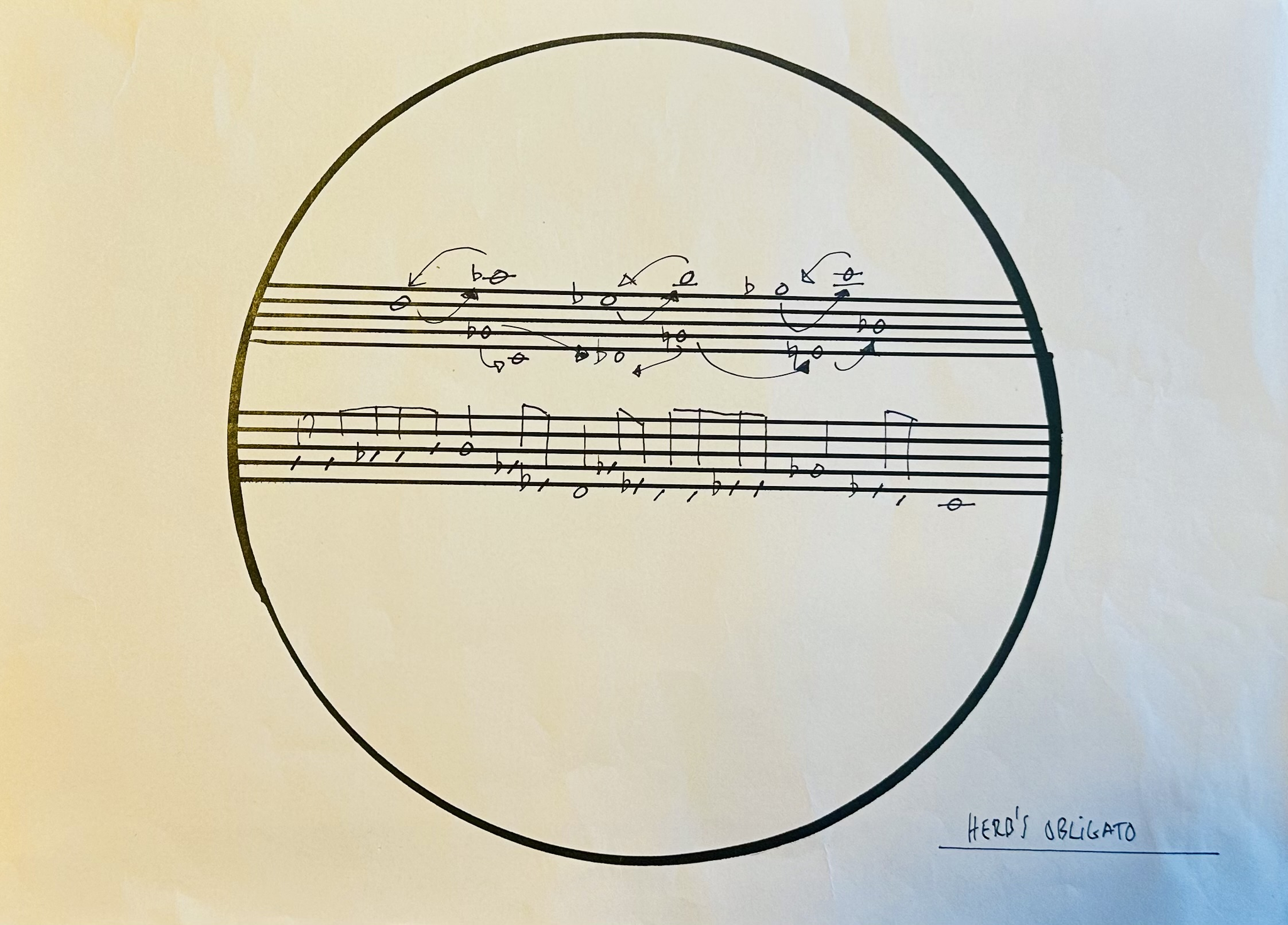
My solo abstractions took shape through IDP, Hidden Melodies/Melodic Illusions, Cyclus, Dream Melodies, Micro Melodics, Melodronic, Splash Melodics, and Arrows, together with certain forms of Shadowing and Contouring. These became my primary concepts. I would improvise within the four strands, developing approaches and moving ideas across contexts, for example placing Cyclus inside different strands.
Throughout, I questioned how much sonic exploration should enter the work. I use mutes extensively and can alter the trumpet sound considerably, but here I worked more selectively. Timbre proved central to shaping melodic identity, and in the recordings I used Harmon, Plunger, and Cup mutes, while letting extended techniques step a little into the background.
Although the cornet is important in my practice, I chose to work exclusively with the Bb trumpet, setting a limit that allowed me to focus fully on the strands and melodic orientation concepts.
Spatial dimensions became an important abstraction, volumetric placement, positional shifts, and orientation of phrases.
I was also inspired by Henry Grimes, who spoke of being “visited” by fellow musicians during long solo improvisations. I have experienced similar visits from Yusef Lateef, Herb Robertson, Marc Ducret, guiding new abstractions and ideas.
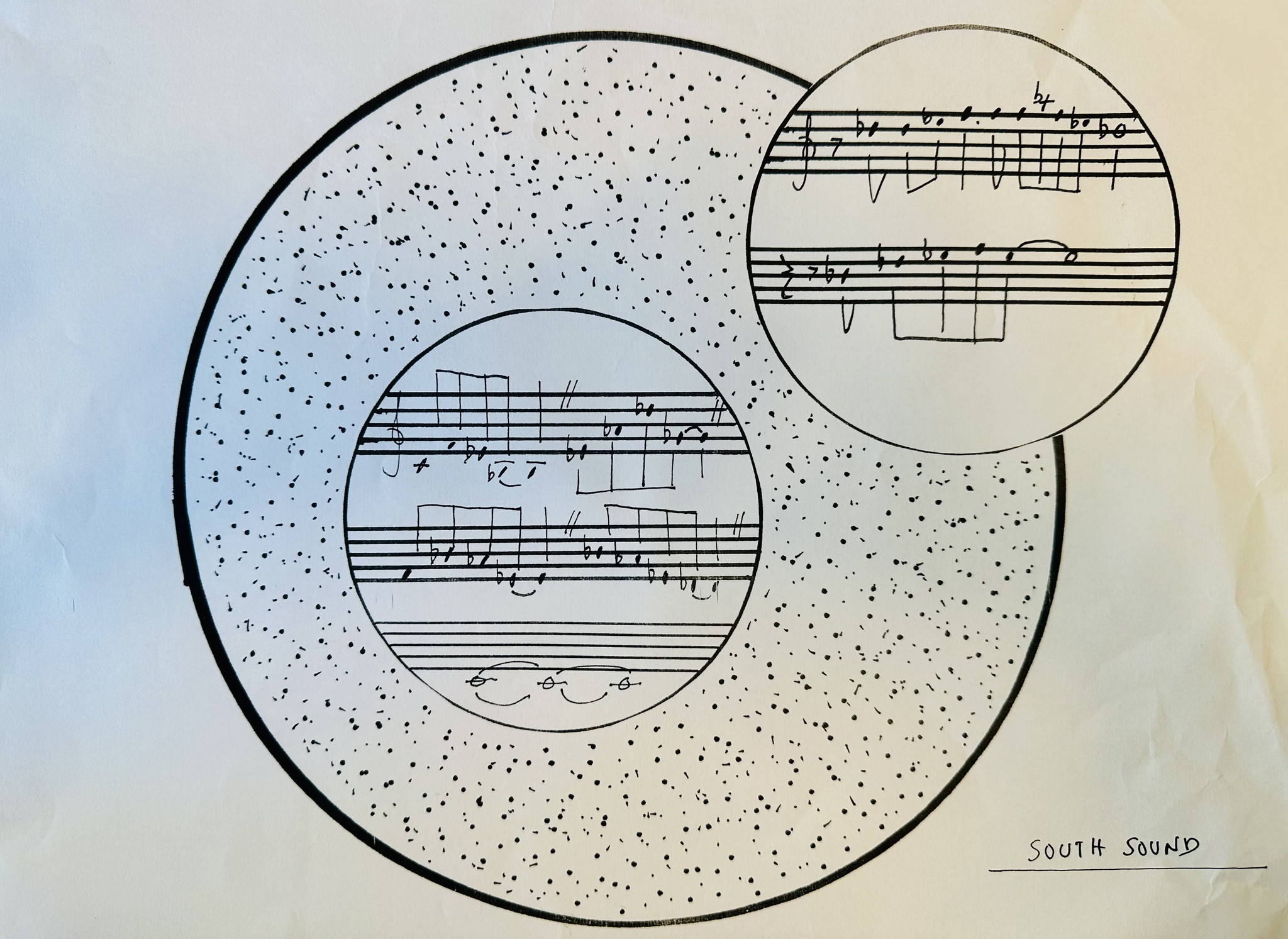
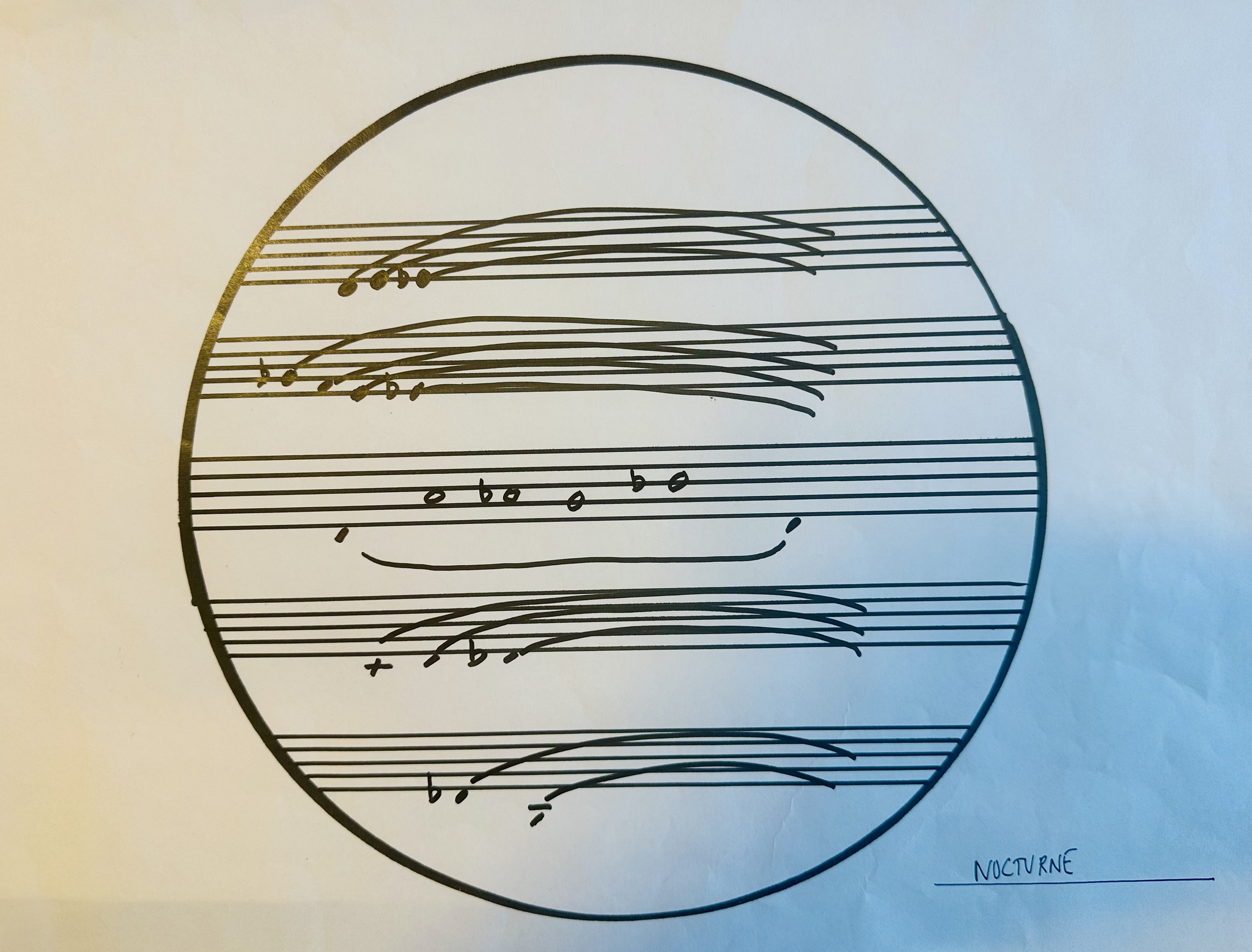
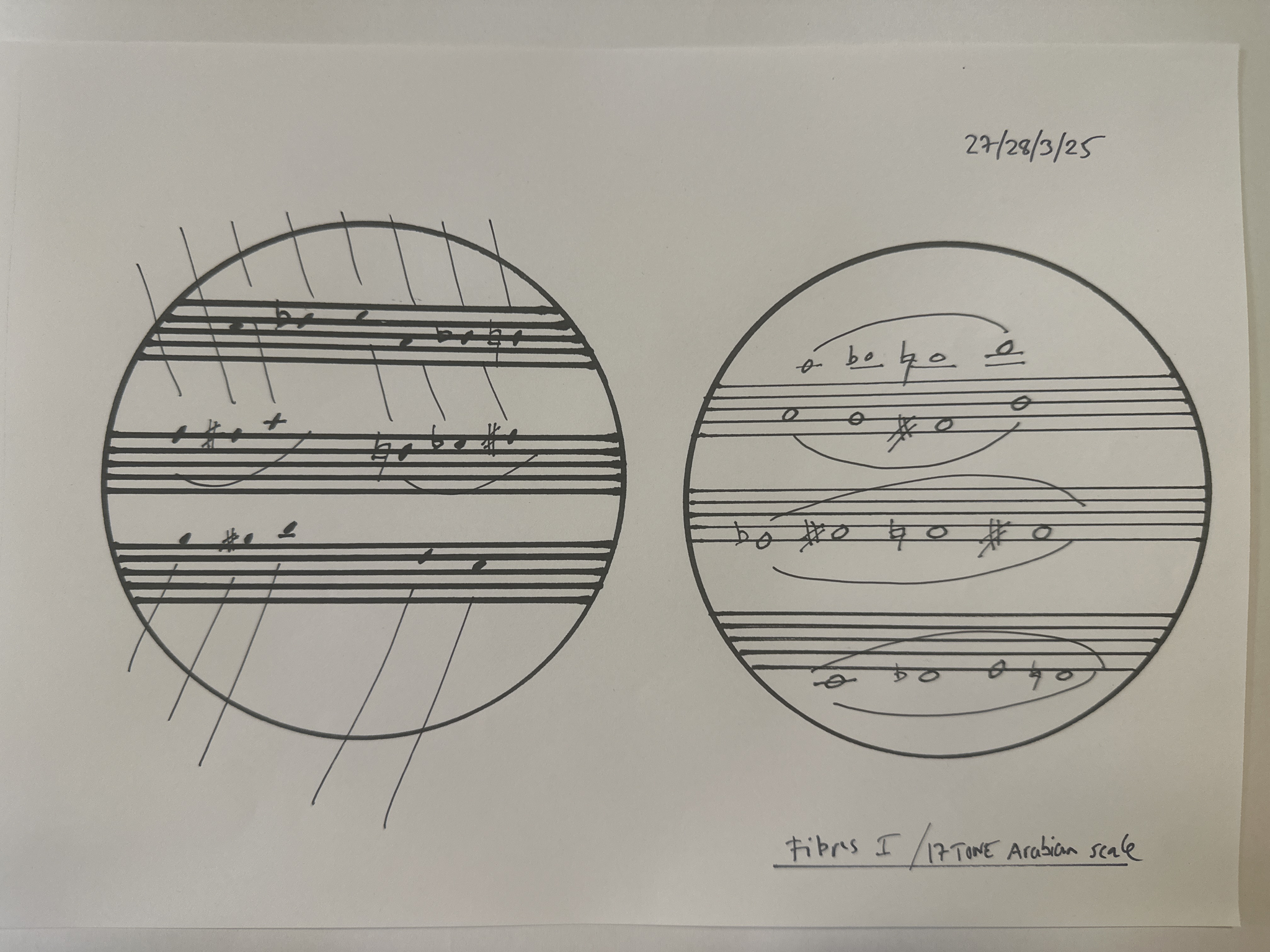
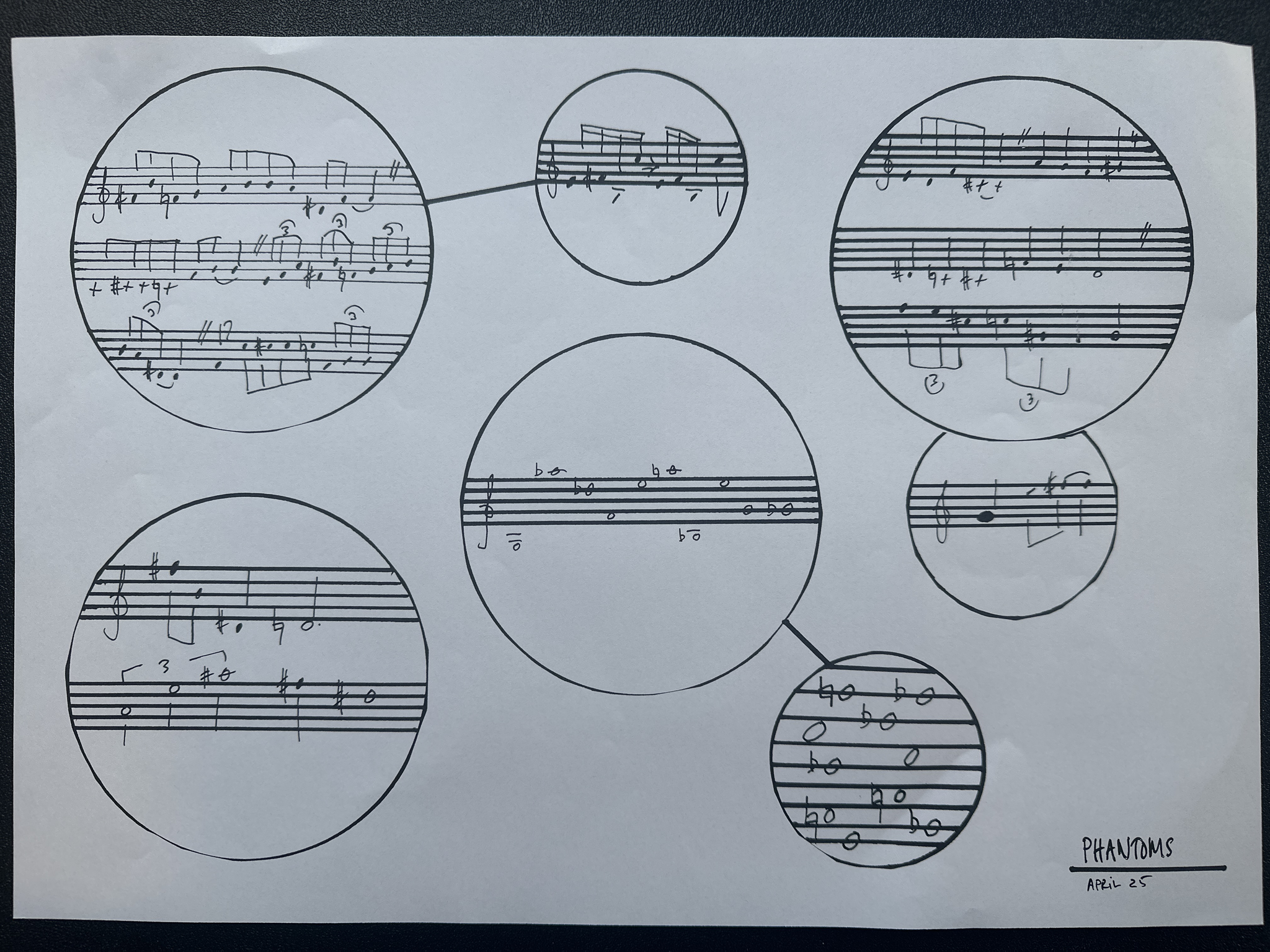
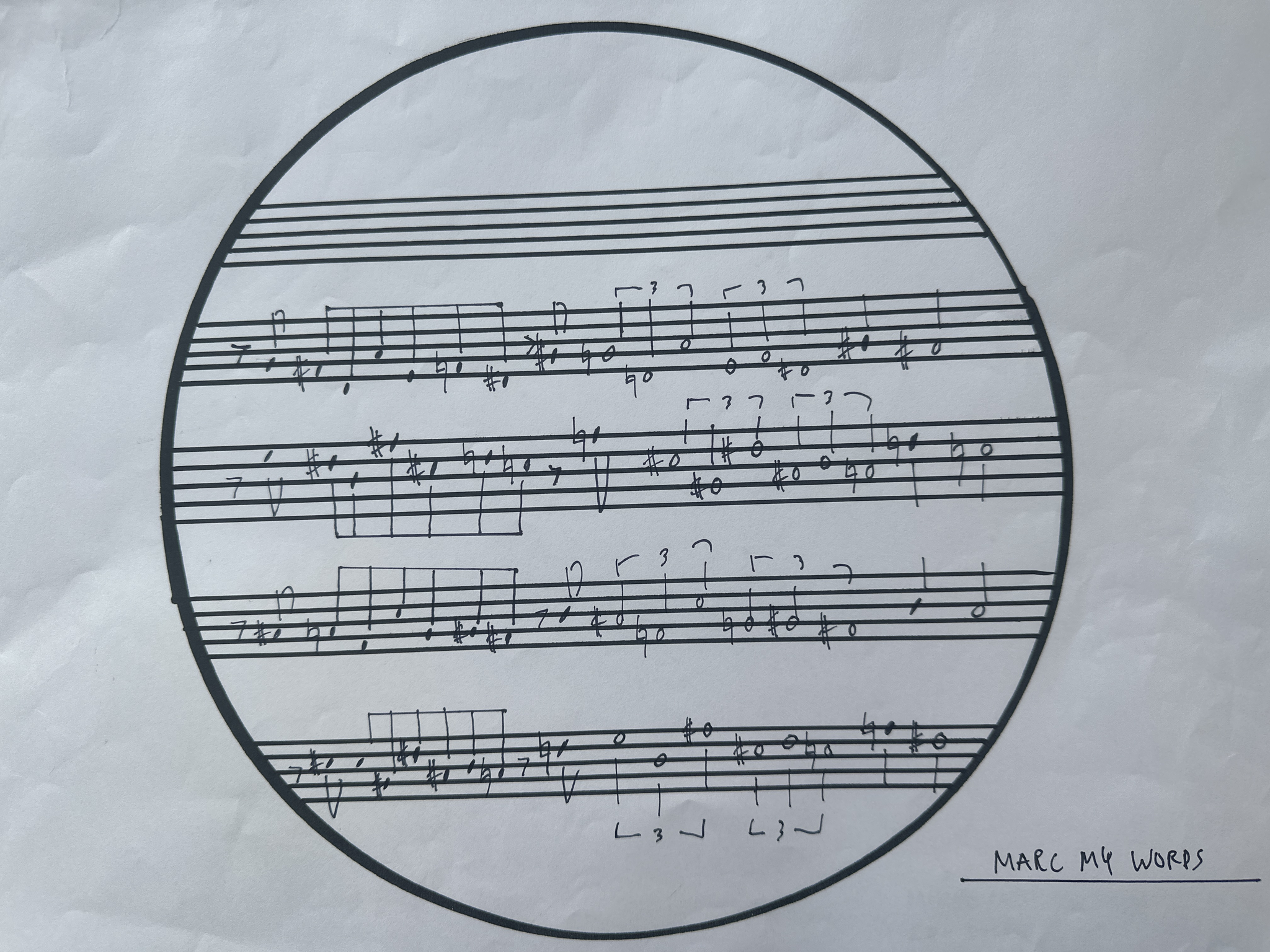
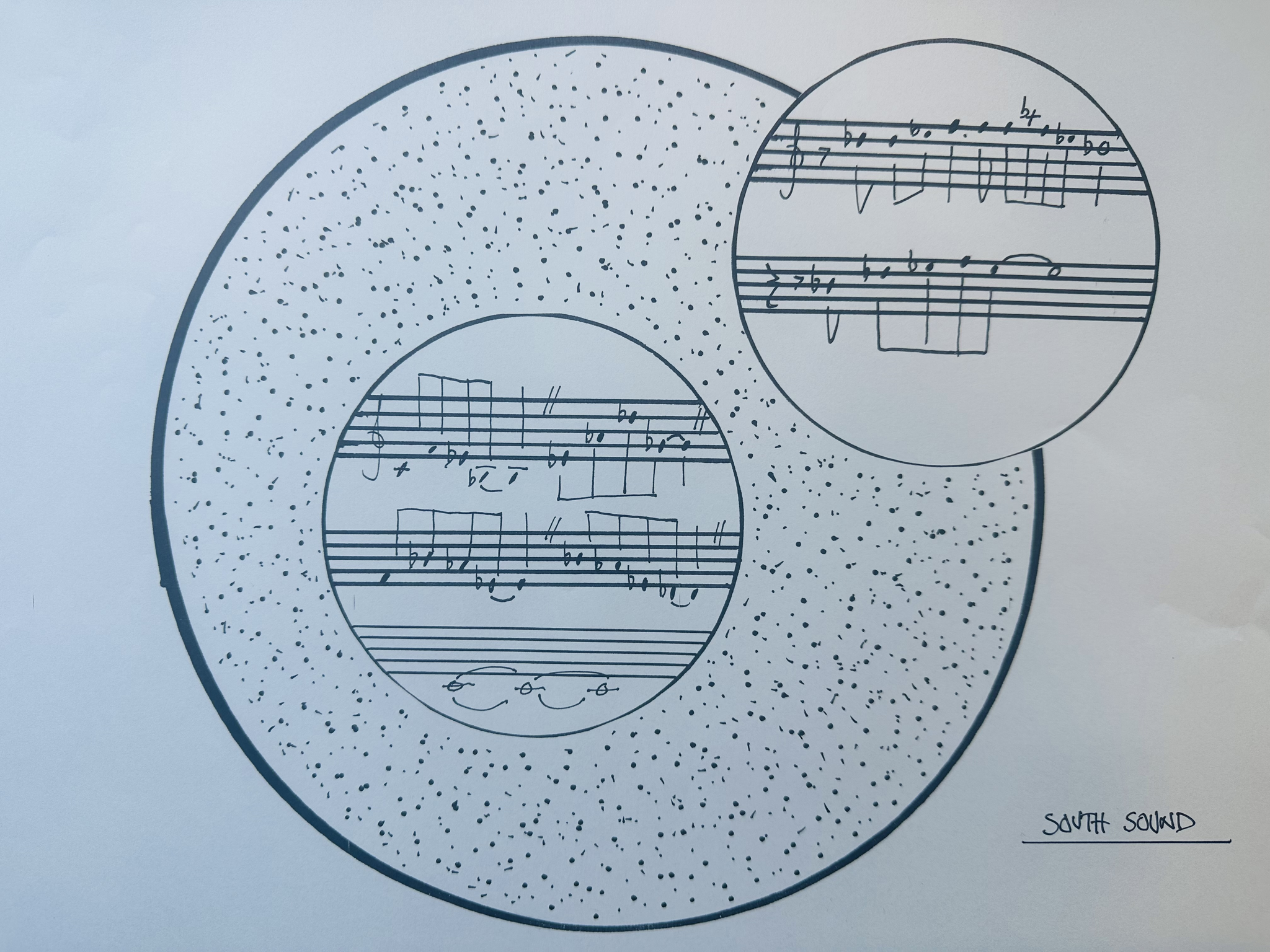
As the repertoire formed, I realized I had around 14 melodic points of departure. From this came the idea of “12 Melodic Illusions for Solo Improviser”, de-instrumentalized hybrid scores any instrumentalist can use. All trumpet recordings were first takes; some in overdubbed sections, each layer was also a single take.
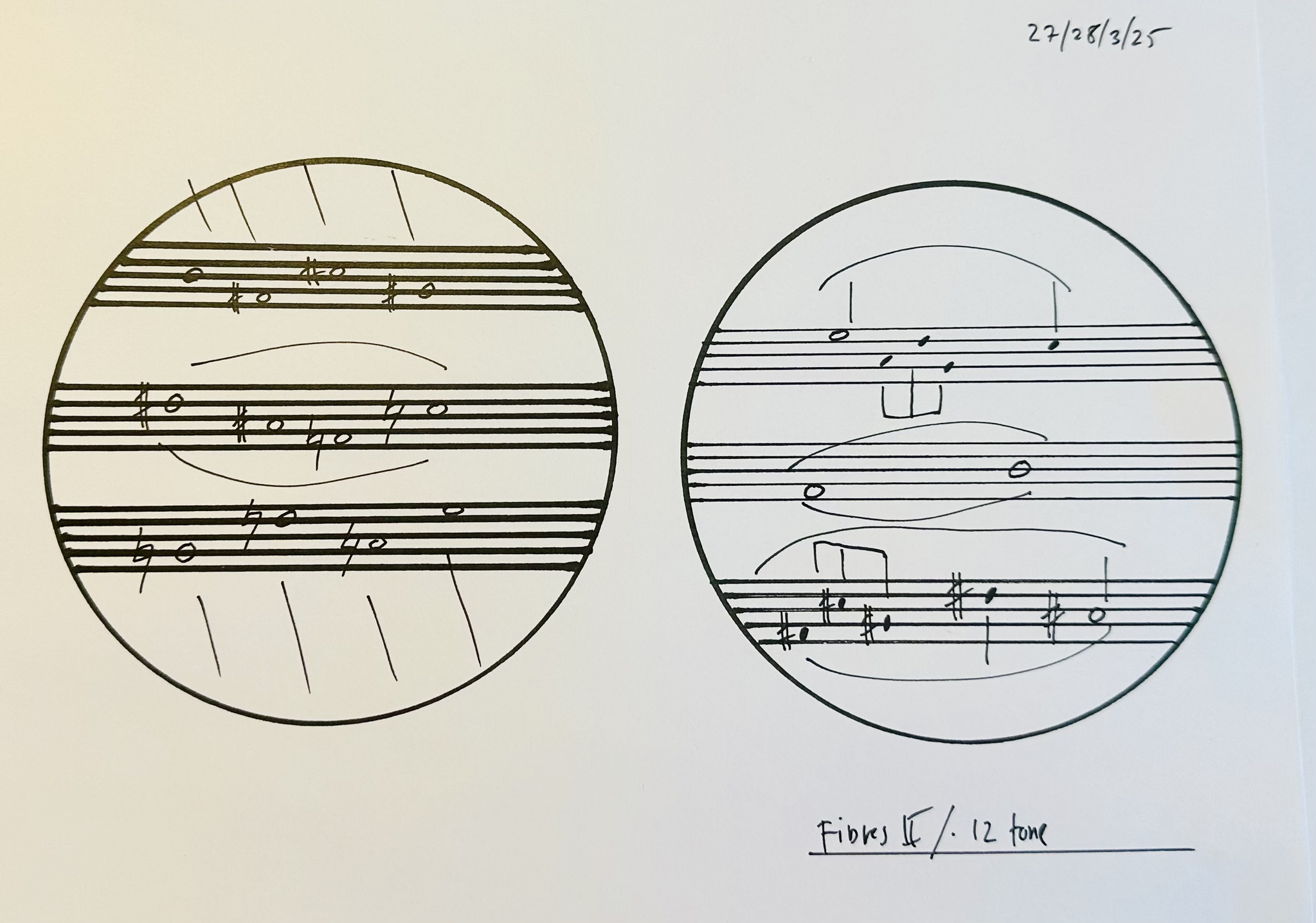
Among these works, Fibers I and Fibers II remained, reflecting my fascination with fibers and the way they connect and strengthen communities or bands.
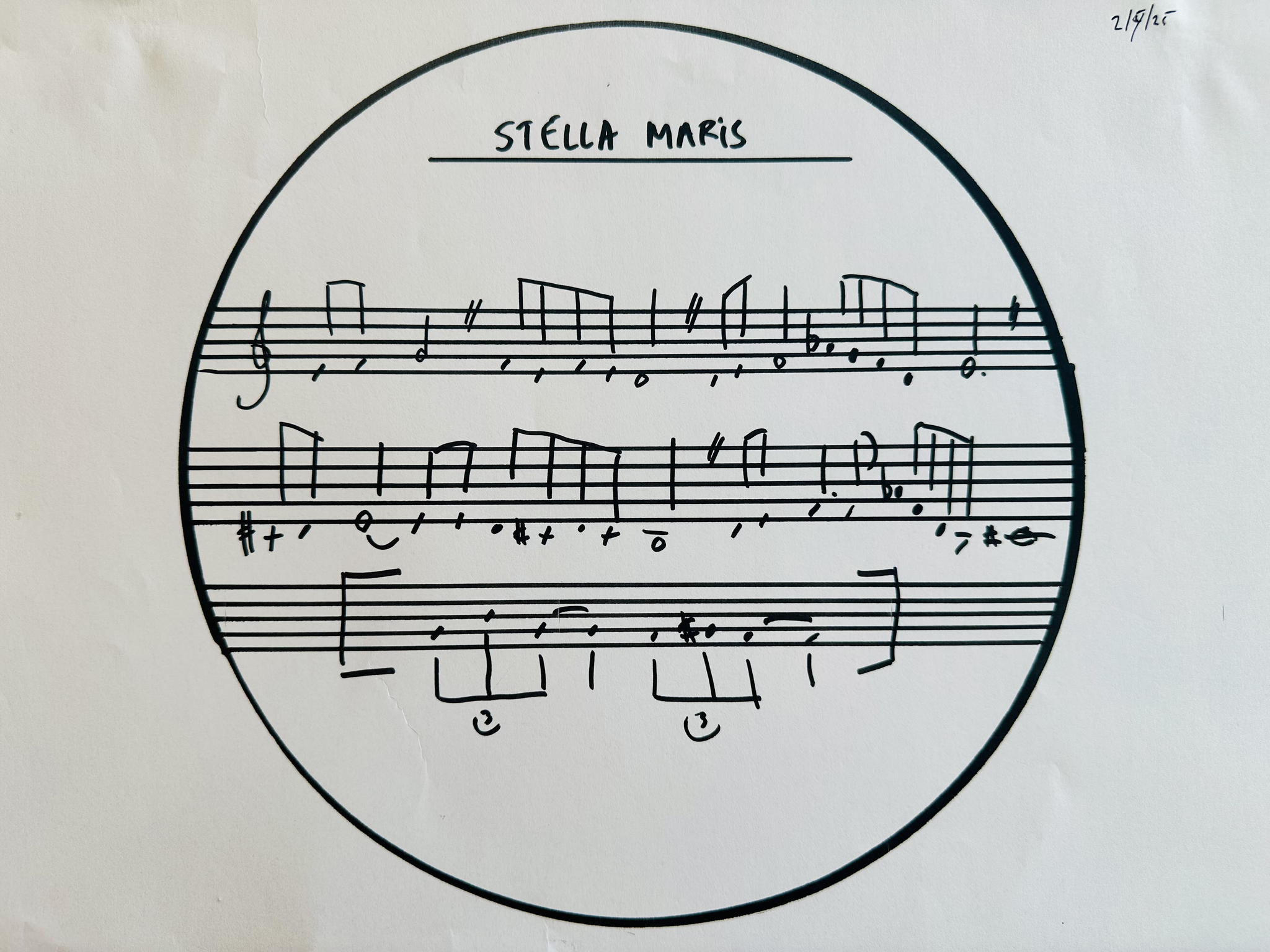
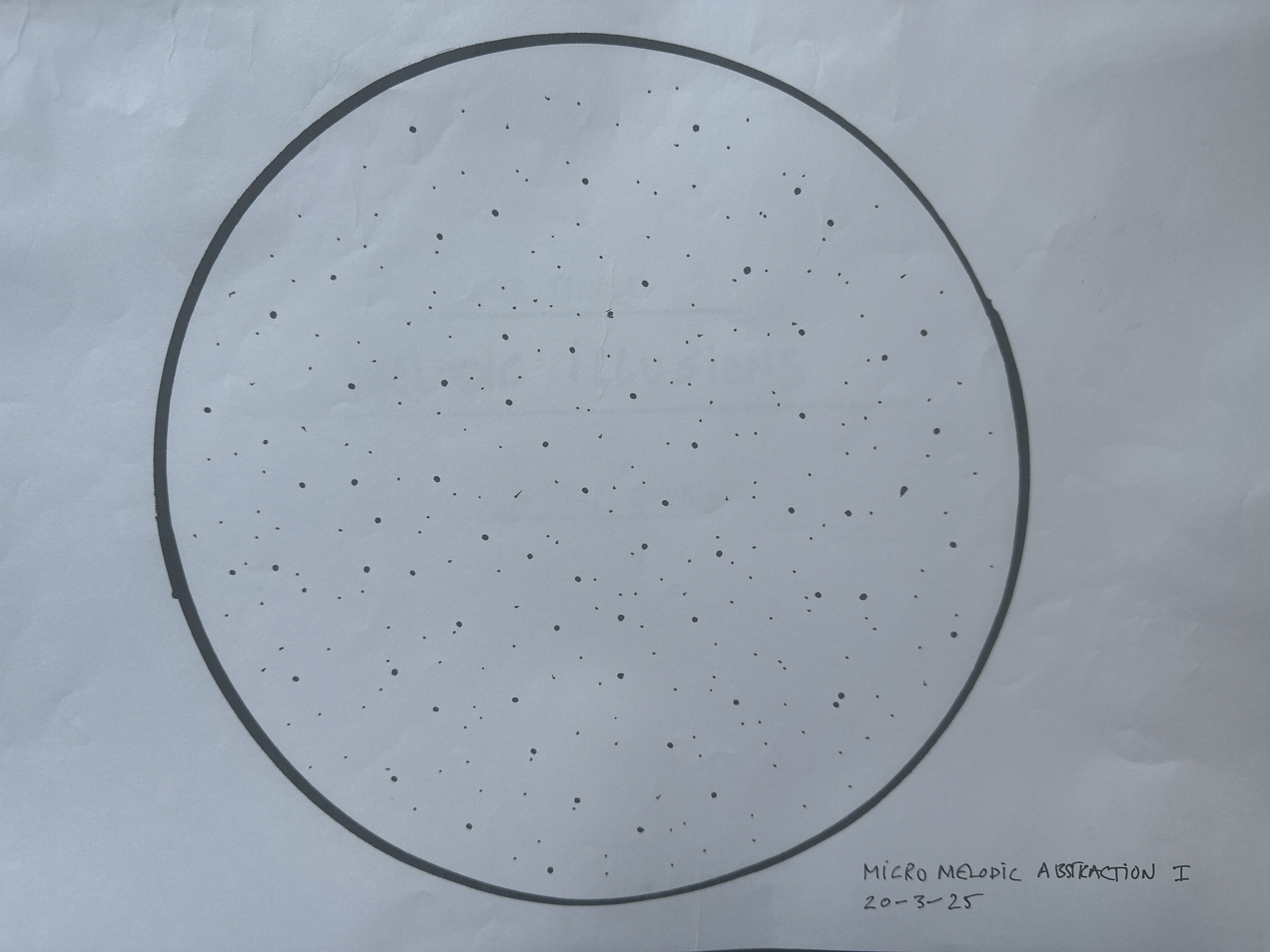
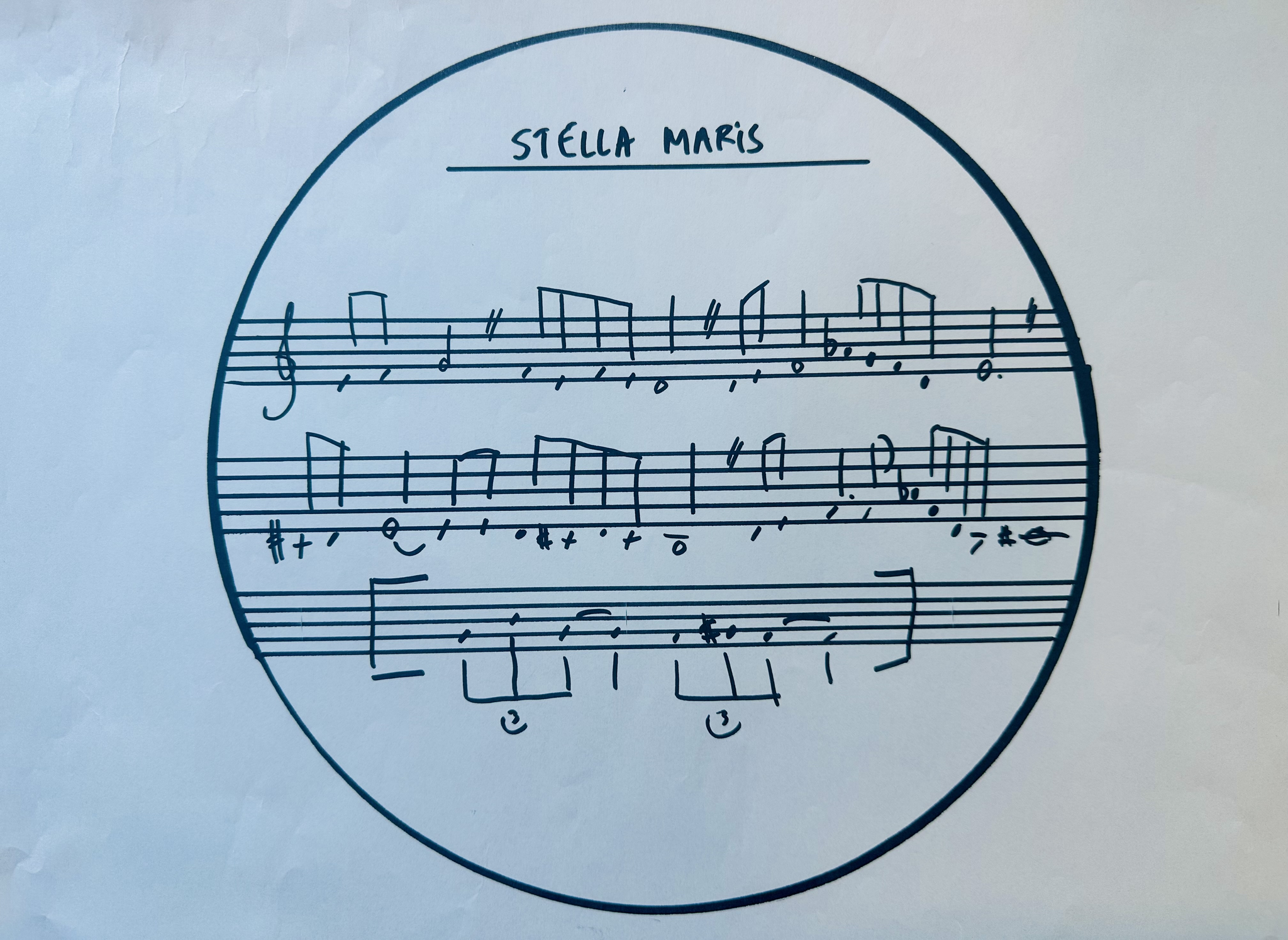
Micro Melodic Occurrences began as a triple-melodic approach inspired by early jazz front lines, combined with a microscopic perspective. I improvised three voices in sequence, forming melodic dialogue with no edits. Stella Maris follows a similar method, using three voices to create a chord progression that ends with a folk-like character. I also applied this approach in more bebop-like abstractions.
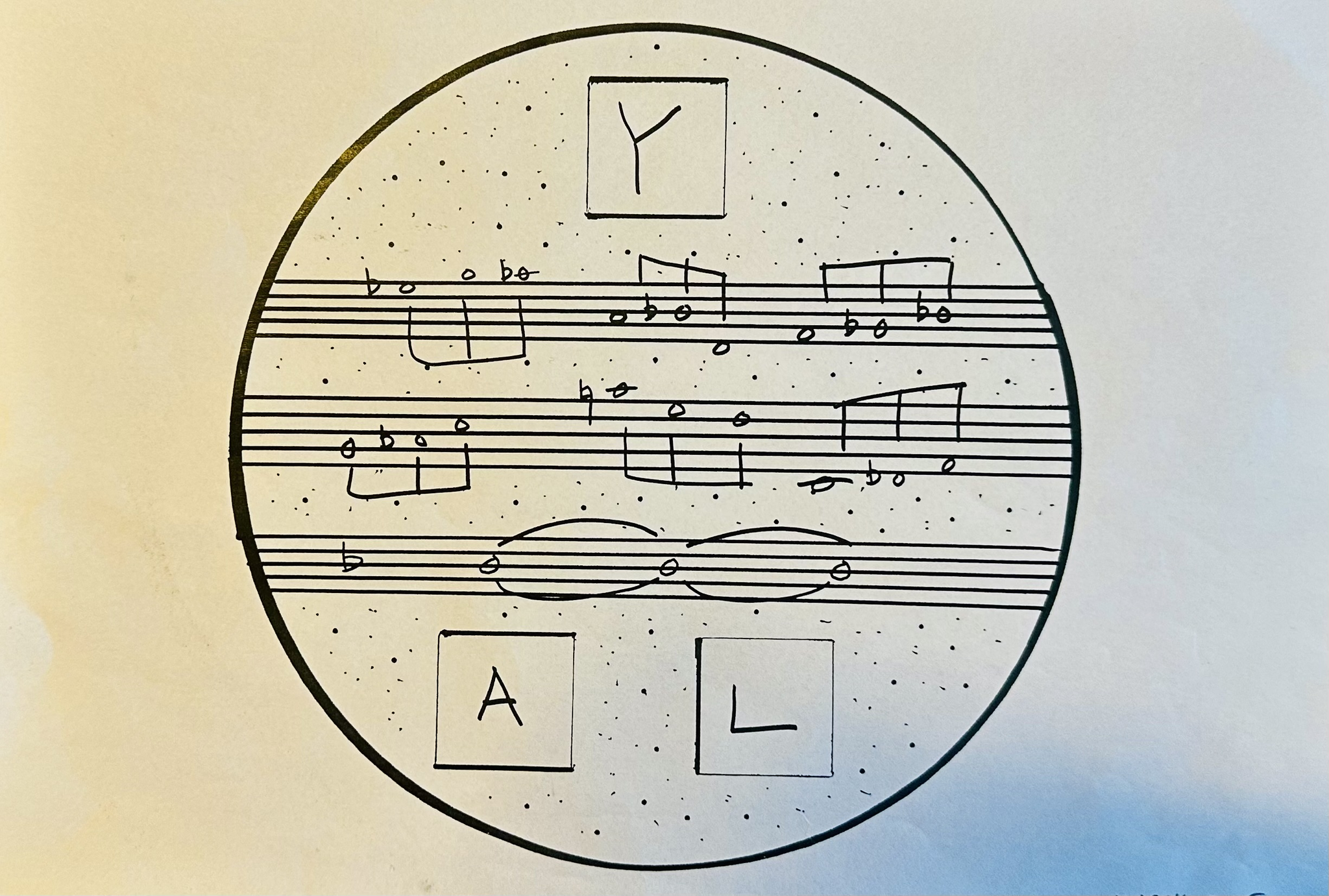
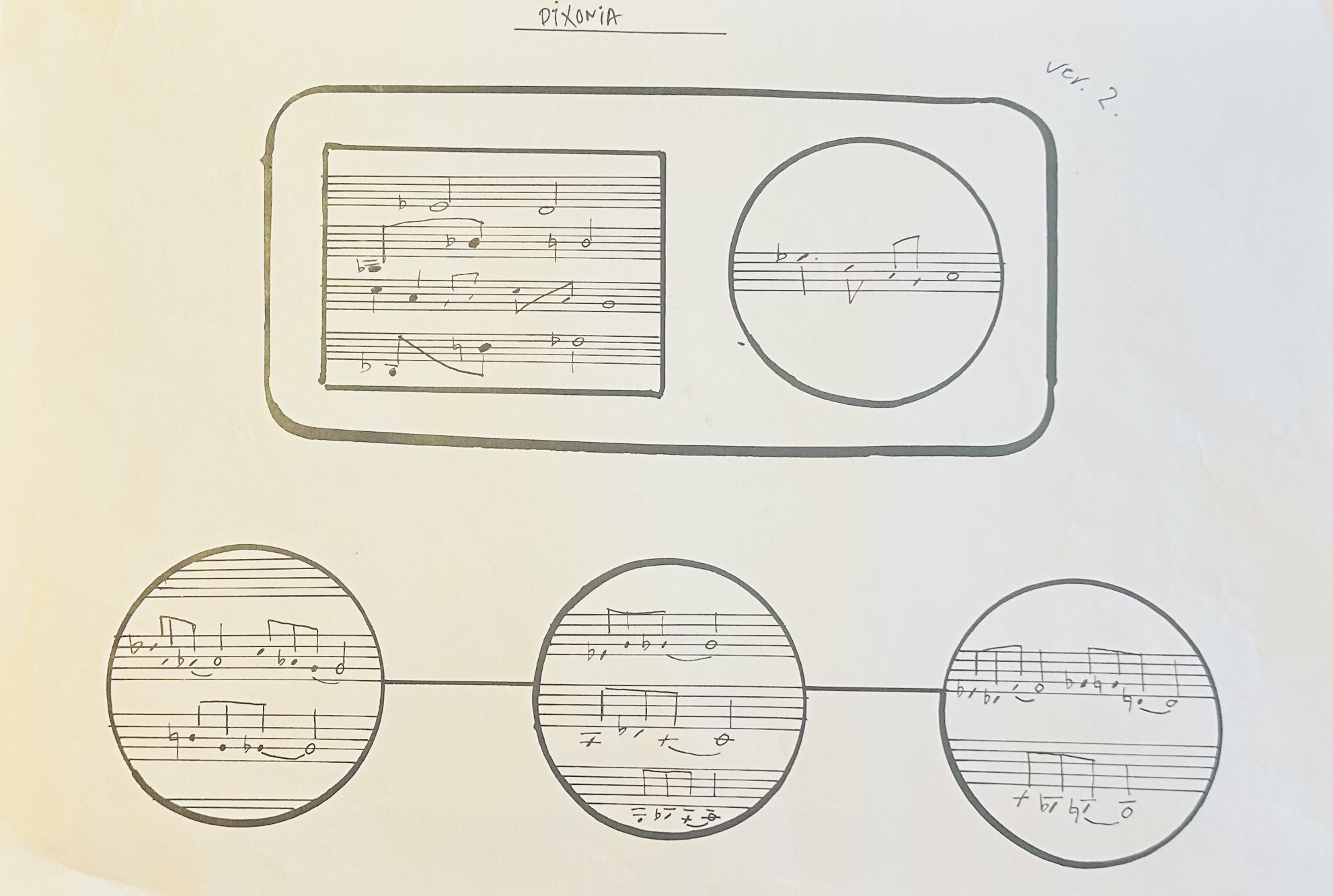
YAL and Dixonia also use overdubs and have a condensed atmosphere. YAL combines Yusef Lateef’s triple-diminished concept with a melodronic context. In Dixonia I worked with fragmentary melodic blocks assembled spatially, exploring their volumetric and expressive potential.
The aesthetic resonance of the solo works rests on two stations: a dry, traditional trumpet sound, and a more manipulated sound with delay and reverb. I used these settings deliberately to enter the strands and key melodic concepts, giving direction to the varied expressions of the whole.
Ensemble Work
When I shared these ideas with the improvising ensembles in a brief and direct manner, it was not an unqualified success. The four strands were too extensive to absorb on the spot or even over three or more sessions. Listening back to recordings from both ensembles during this phase, the music felt somewhat constrained, and it was often unclear which strands were at play at any given moment.
By contrast, the sharing, both orally and in writing, of the initial melodographic ideas created direction and inspiration within the ensemble. I found that this increased melodic awareness led to an expression that moved away from “just free” or “freak-out” music. It became a goal of mine to reconstruct the familiar in order to illuminate alternative meanings and approaches to our melodic improvisation.
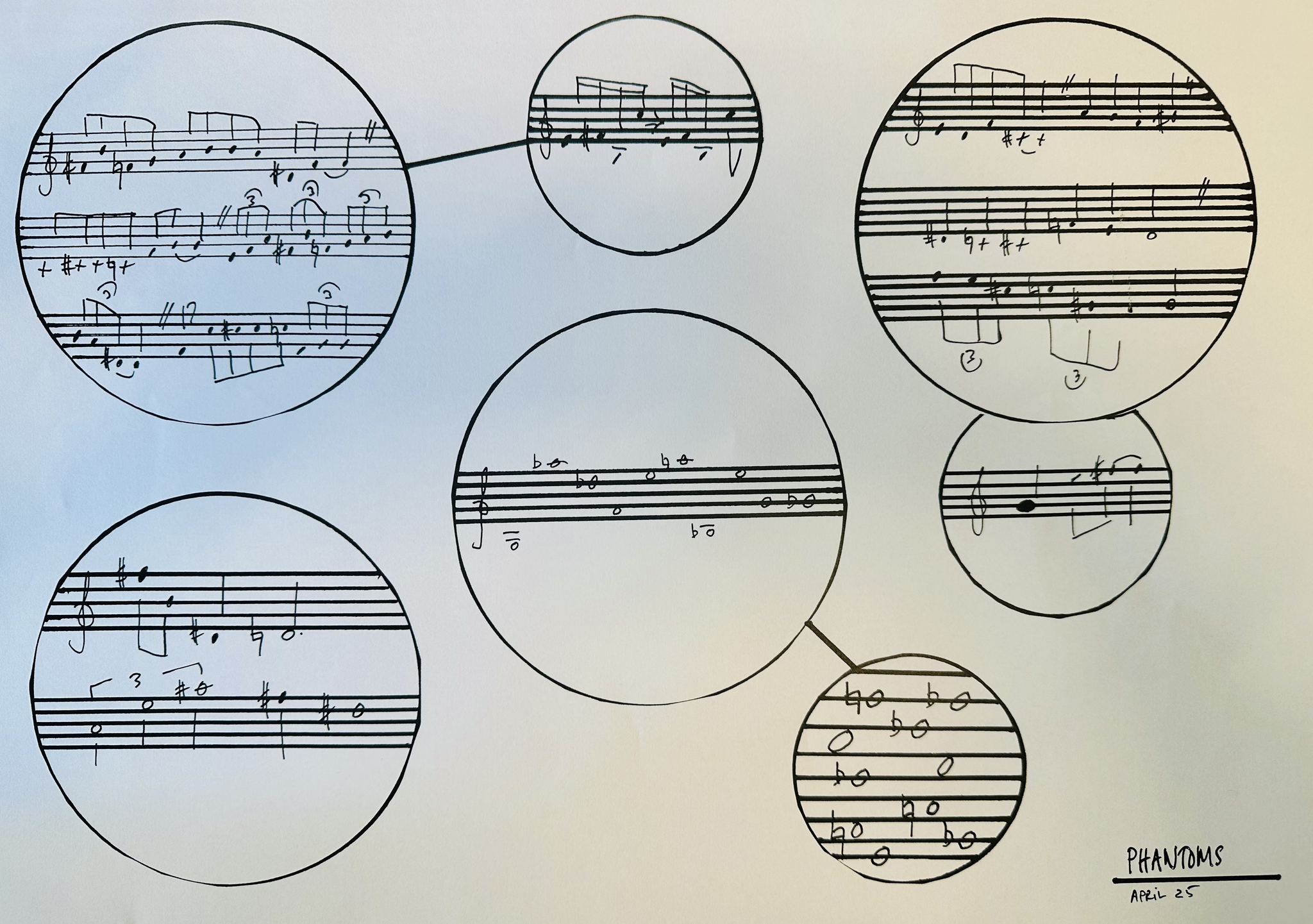
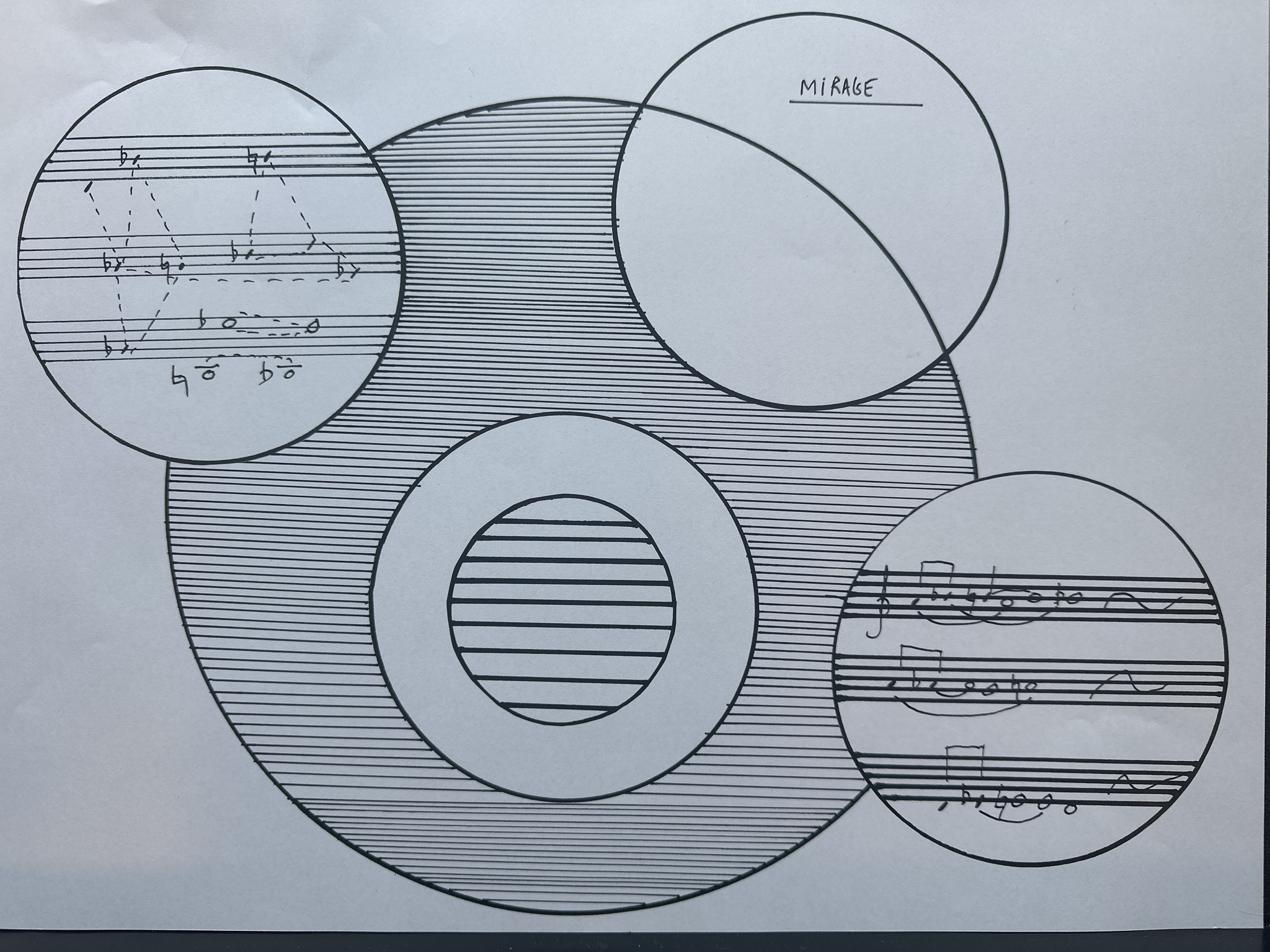
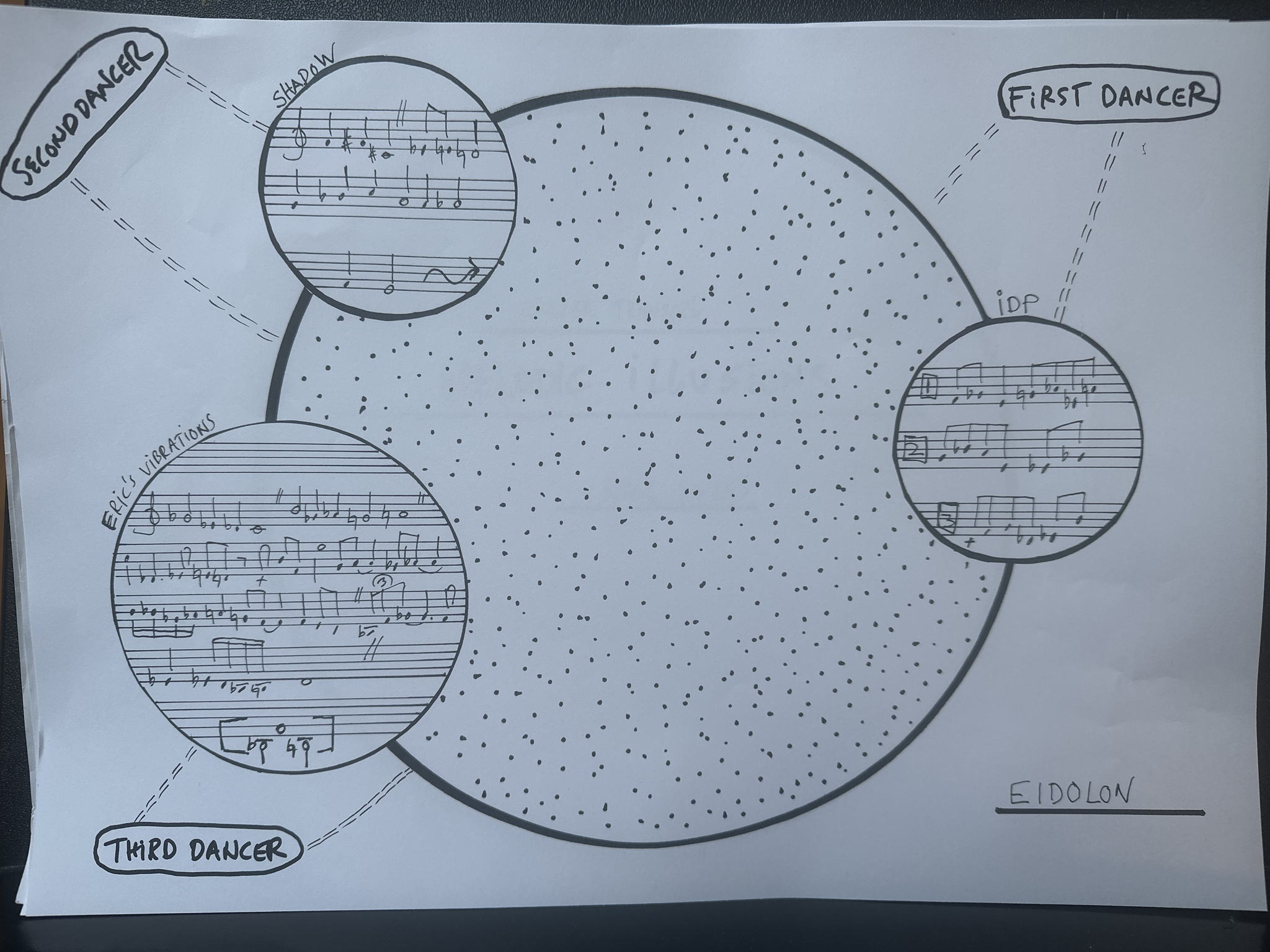
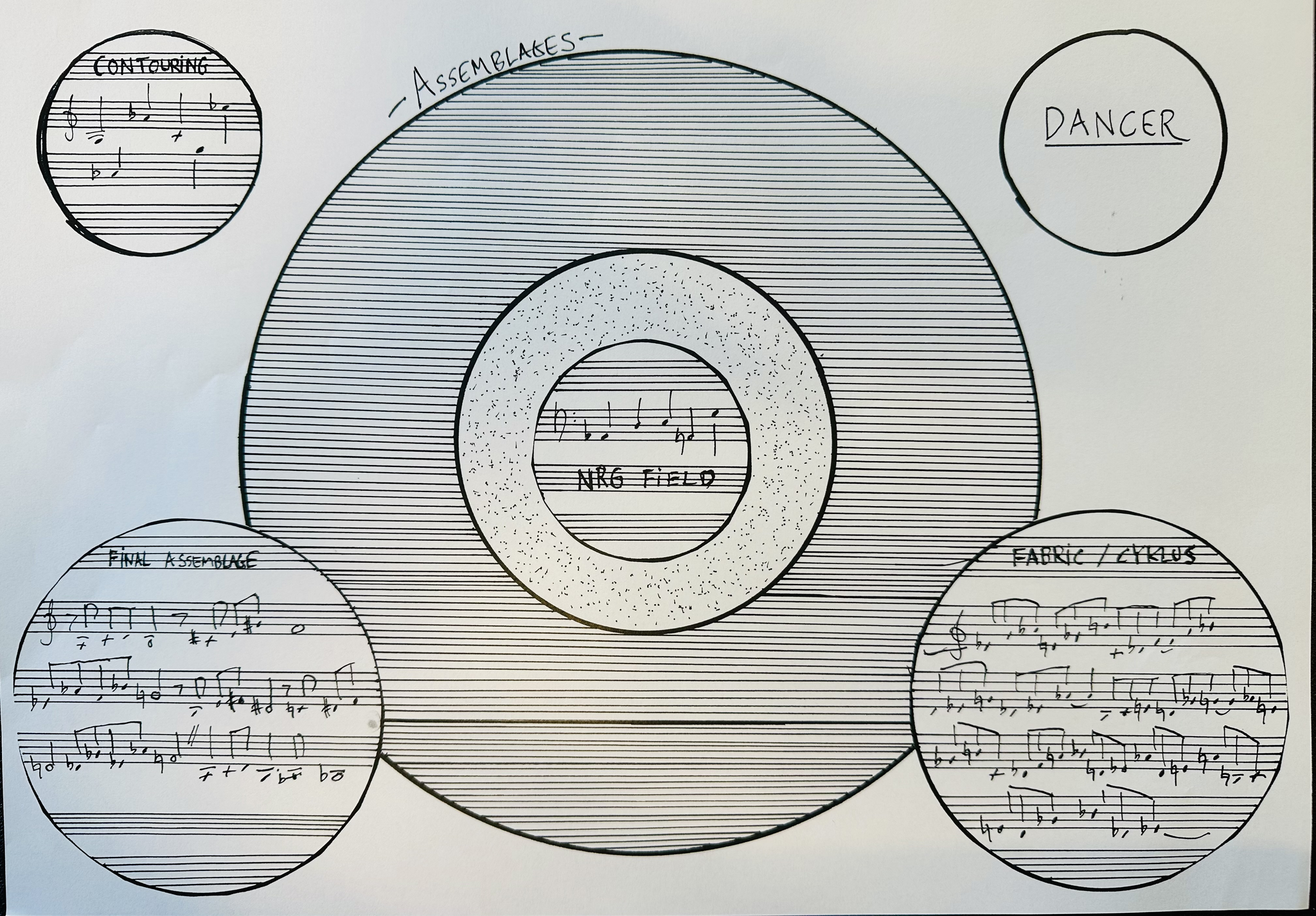
After two sessions, the omni reading approach was set aside, and I began searching for another solution. This led to the development of hybrid scores combined with oral instructions and strategies. In this way, the improvisational aspects and both the musical frameworks and the improvisers themselves became modular.
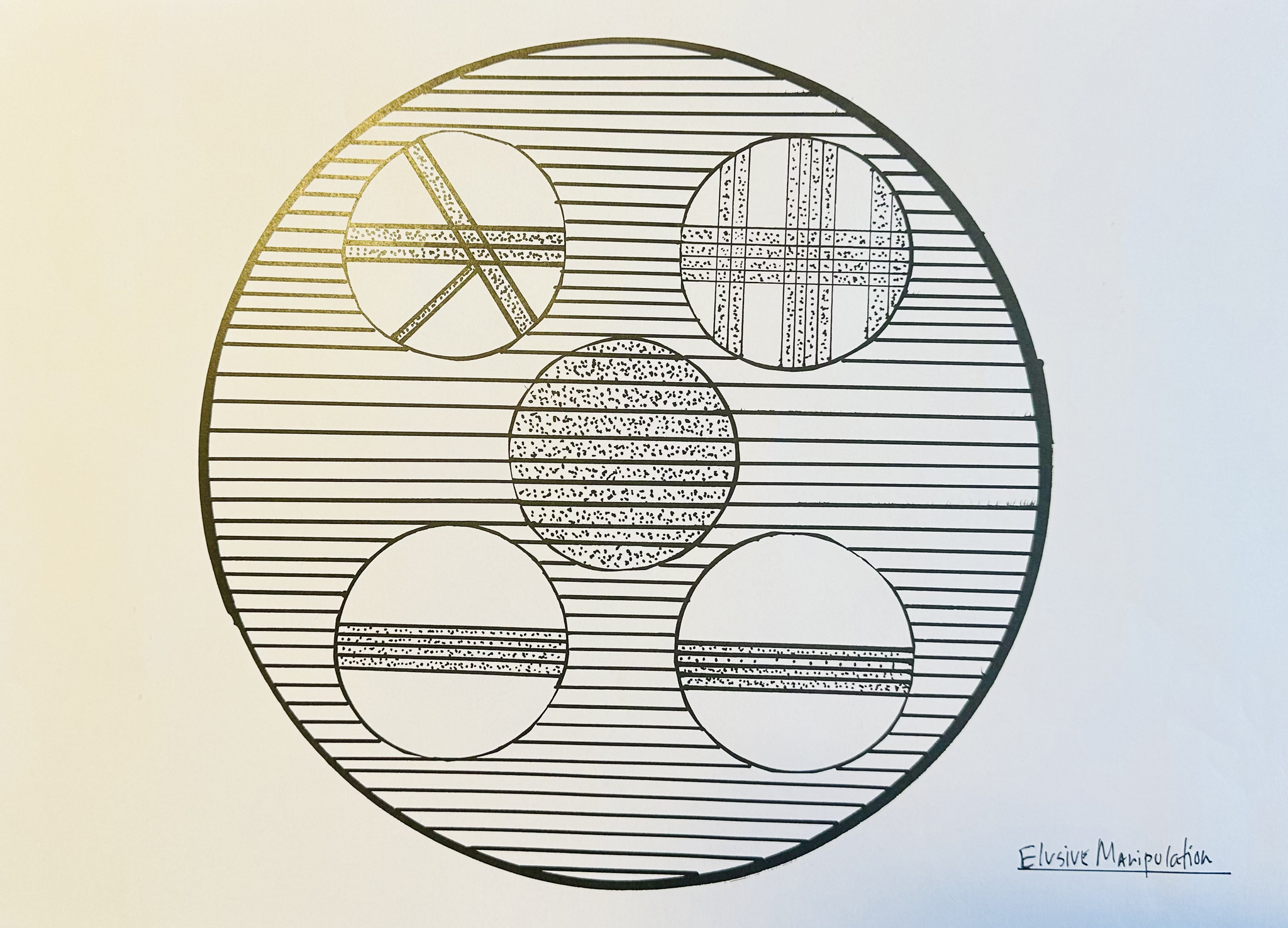
For a short while, I explored a more traditional graphic notation approach using symbols and drawings. It quickly became clear that this was an entirely different project and not the contribution I wanted to make this time. Fortunately, this led to an ambition to de-instrumentalise hybrid scores and certain forms and aesthetics of notation.
It opened up my own approach to improvisational strategies. I discovered that I truly wanted changeable elements in my scores, and from the musicians I sensed a greater openness to alternate routes and experiences in the written material beyond just another “free-jazz blowing-sheet” idea.
Another element in my ensemble work was what I call Touchpoints and Turning Points. This came from reflecting on intentionality: how to guide my own and the ensemble’s awareness toward a specific idea, feeling, or vibration. Touchpoints mark crucial moments; Turning Points signal major shifts. Focusing on these created a stronger foundation for listening into the same centre of the musical flow. They shaped improvisational movements or sections where collectivity and individuality weave together. This balance became clearer, giving musicians another focus and the possibility of standing out more solistically.
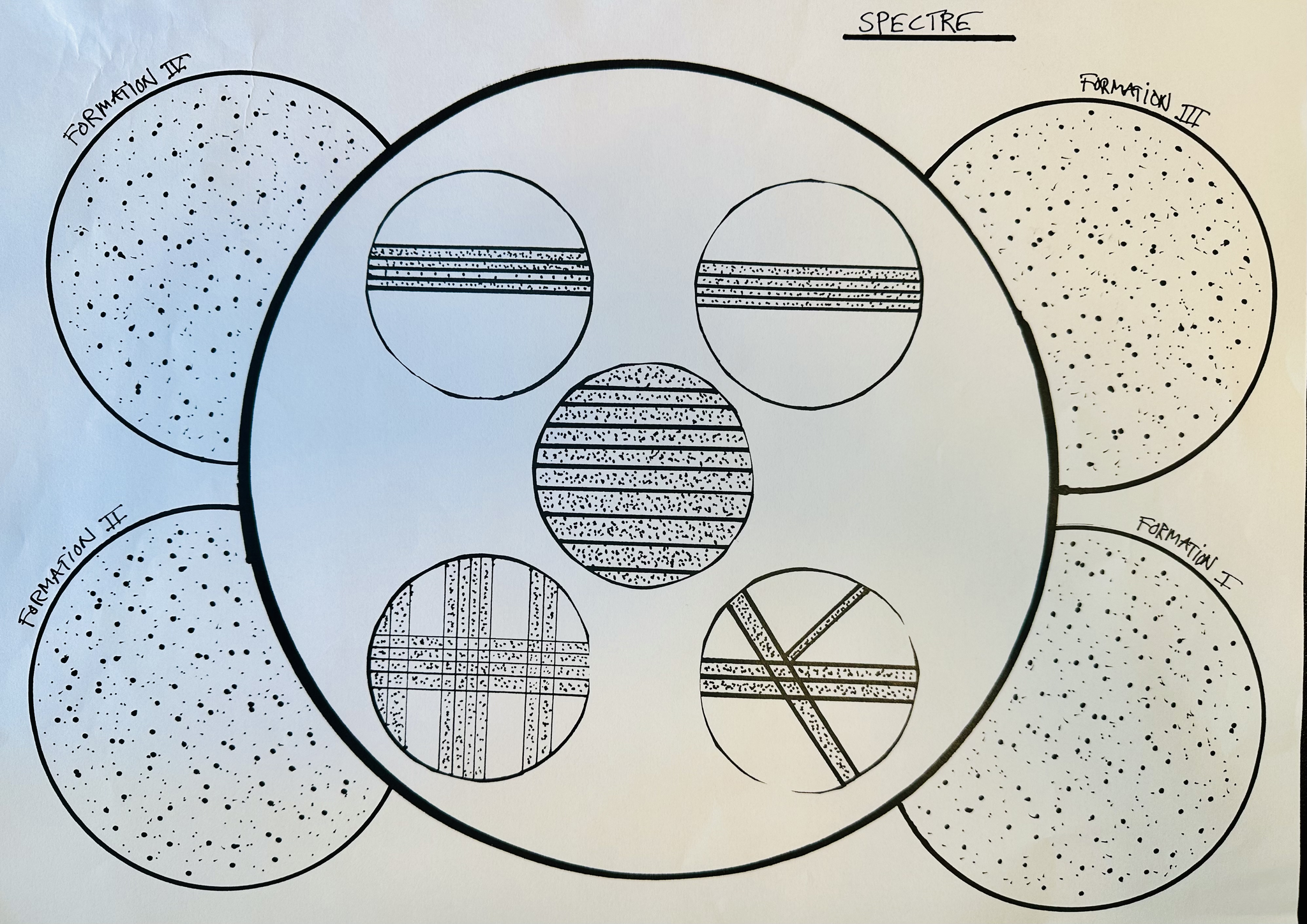
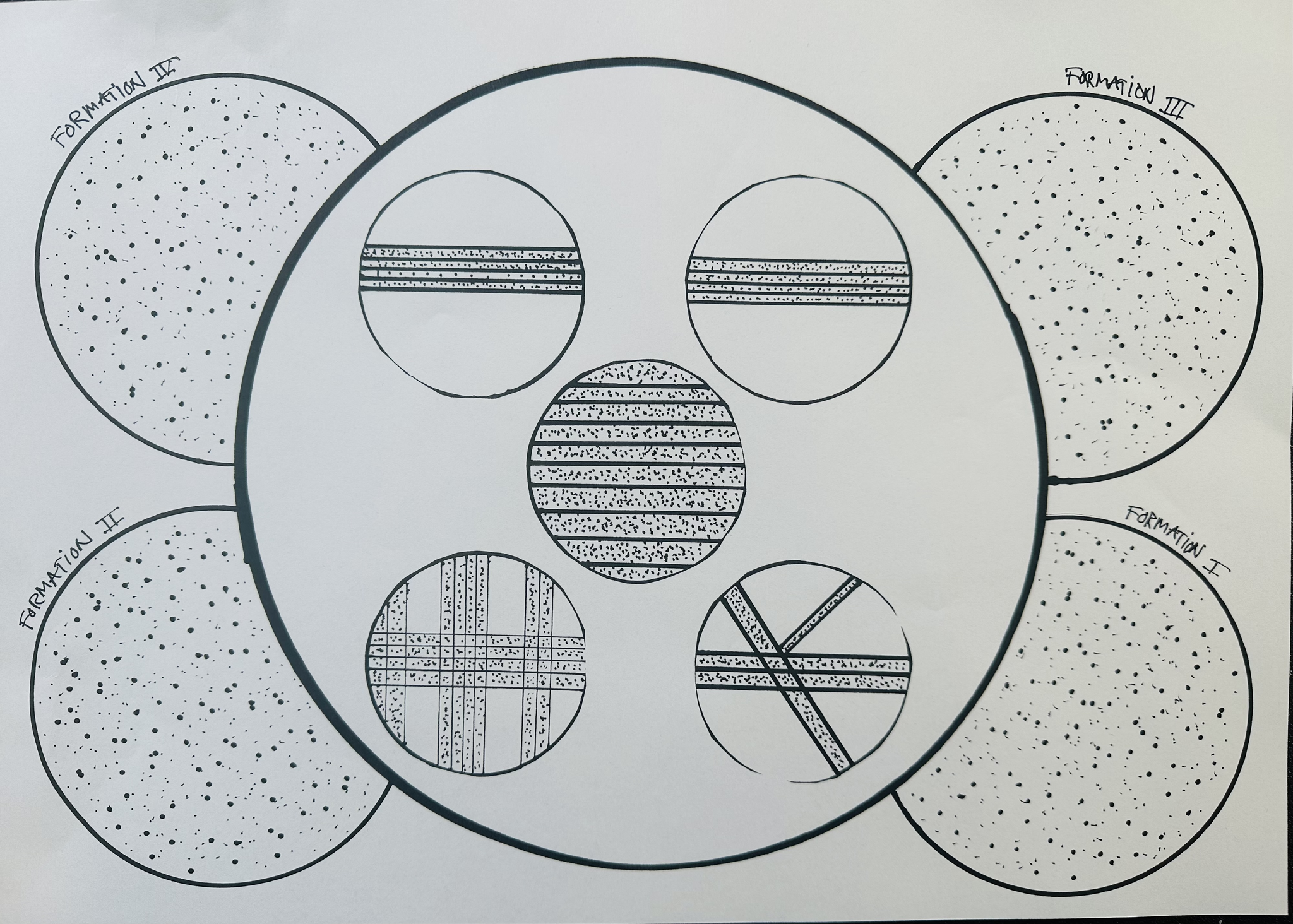
One of the strategies that proved most effective was working with what I call Formations. These are collaboratively created structures, textures or backgrounds, could be entire sections that are improvised and "build" collectively. In this way, they become mutable aspects and sections that I can shape and direct within the improvisation.
Formations emerged out of my work with hybrid scores, where I wanted to retain flexibility while still offering some degree of direction. They became a way of emphasising the process of de-instrumentalisation within the ensembles, encouraging the musicians to move beyond fixed instrumental roles.They also formed transformations and moments in which the music could evaporate, melt, condense, solidify, or dissolve entirely. Abstractions I also used in my directions. In this sense, Formations are both structural and conceptual.
Working with the Melodic Illusions Sextet, I became a crucial link in the oral transmission of what the scores were meant to hold. We met for the first time in December 2024, spending three days playing, rehearsing, recording, and exploring the first iterations of my material.
After this session I returned to my solo process and to the student ensemble, further developing ideas and hybrid scores. So when the professional ensemble came back to Copenhagen for three days of recording in May 2025, we were already functioning as a cohesive unit, able to lean into a trust that had become foundational.
As always in ensemble work, it was about finding collective fields of energy. Many musicalities, habits, and personalities must align, and in creating sixty minutes of music together, one must trust the music itself.
I often describe improvising as “not getting in my own way.” One can easily become an obstacle to one’s own playing. When observing the sextet, I paid close attention to whether they were in a position where they did not hinder themselves, especially in sections where they carried leading roles.
Throughout rehearsals I listened to how they responded to one another. After each session I wrote brief notes on emerging possibilities. Some musicians contribute actively and verbally; others are more inward, offering little spoken input yet expressing themselves at the highest level through their playing.
My own role was sharpened. I had to position myself to play at my best while remaining open in the improvisations. A common trap for a bandleader is to prepare everything and arrive at the recording without a real path inside the music. I was relieved to avoid that, finding I could carry responsibility while staying almost fully present as an improviser.
A key factor was my long-time collaborator John Fomsgaard, who documented the process as sound engineer. His ability to give space, to approach new colleagues sensitively, and to navigate the psychological side of working with artists was invaluable. Our collaboration through preparation, rehearsals, sessions, and post-production, was a steady support. We also challenged each other’s aesthetics, drawing inspiration from electronic music and art-rock, ensuring we did not simply produce yet another “jazz” album.
Final Works
"Melodic Illusions For Sextet"
- Kasper Tranberg – trumpet
- Maria Faust – alto saxophone
- Philip Zoubek – piano & keyboards
- Carl Ludwig Hübsch – tuba & voice
- Anja Jacobsen – percussion & voice
- Oli Steidle – drums & percussion
Recorded at RMC, May 20+21, 2025 and mixed, and mastered June 2025, by John Fomsgaard, Karma Crew