The Research Catalogue (RC) is a non-commercial, collaboration and publishing platform for artistic research provided by the
Society for Artistic Research. The RC is free to use for artists and
researchers. It
serves also as a backbone for teaching purposes, student assessment, peer review workflows and research funding administration. It strives to be
an open space for experimentation and exchange.
recent activities <>
Astrattismo
(2026)
Giusirames
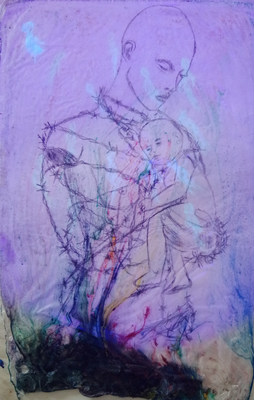
This thesis stems from the need to investigate an original painting technique developed by the author, which combines figurative painting and solidified atmospheric phenomena.
The heart of the research is a simple and radical question:
How can an ephemeral phenomenon be made permanent?
The answer takes shape through the creation of sheets of solidified rain, transparent membranes that preserve the logic of the drop, the flow, the surface tension. These membranes are superimposed on figurative paintings, generating a multidimensional visual language.
Transparency is not an aesthetic effect, but a temporal device: it freezes the work, suspends it, holds it in an eternal instant.
Narratografía y procesos de mediación gráfica en contextos de migración
(2026)
Pinzón Lizarazo Oscar Daniel
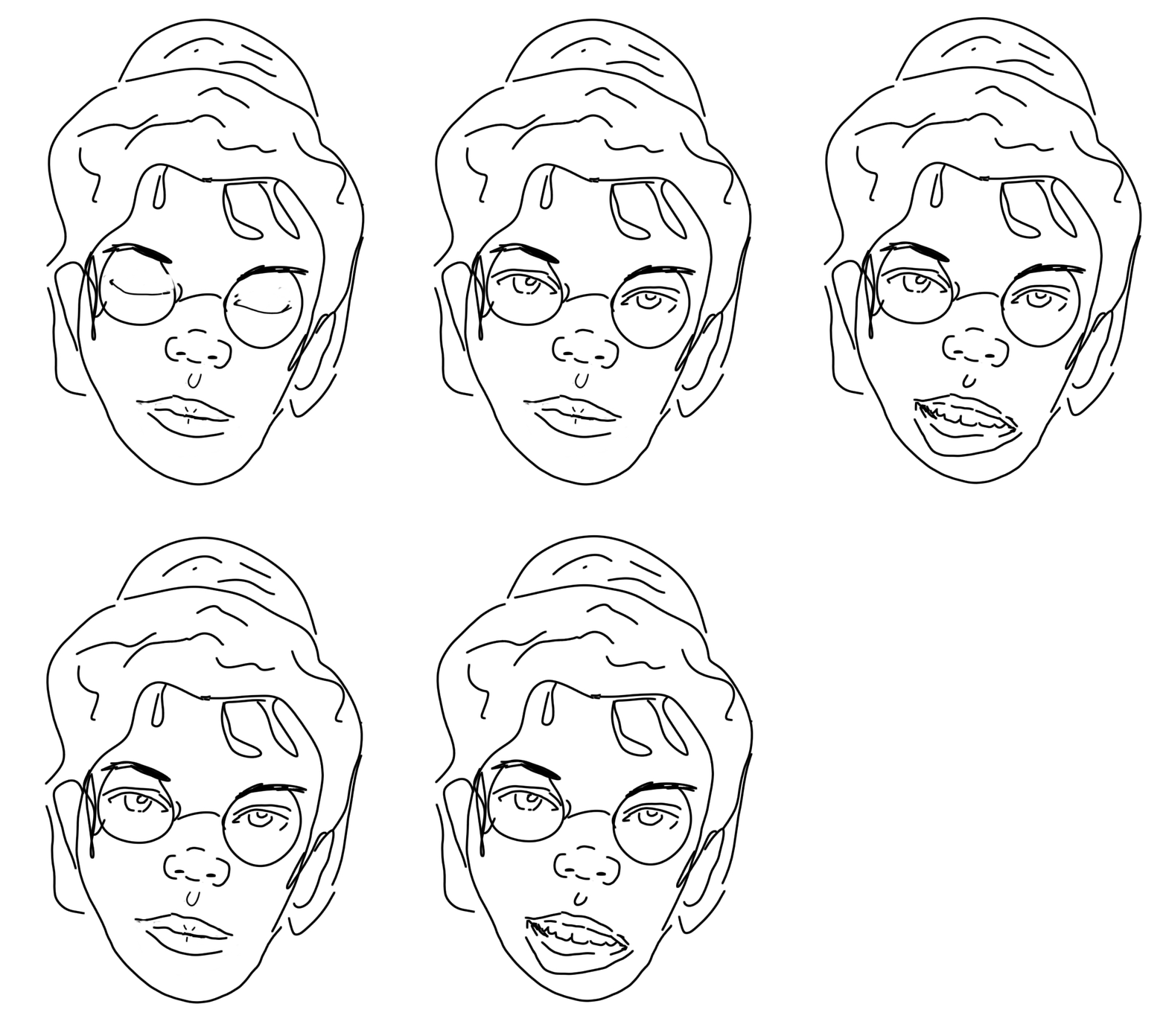
Esta web es producto digital del proyecto Narración gráfica, laboratorio de objetos, cartografía digital y mediaciones en experiencias con comunidades de artistas migrantes, registrado con Cód. 10160180521 proyecto institucionalizado sin financiamiento del Centro de Investigaciones y Desarrollo Científico - CIDC de la Universidad Distrital Francisco José de Caldas.
Hace parte del proceso metodológico de desarrollo de la tesis doctoral Narración Gráfica de Experiencias: Intercambios en Imágenes de migración.
Con la realización del proyecto, se busca incentivar el uso de la narración gráfica como proceso horizontal que permite relatar y revisar la importancia que tienen las prácticas artísticas de las comunidades en la construcción de tejido social. La propuesta de mediación artística se visibiliza como una estrategia colaborativa que permite el diálogo y el intercambio.
El trabajo se inscribe y contribuye a las apuestas del Grupo de investigación para la creación artística y de la Línea de investigación en: Estudios críticos de las corporeidades, las sensibilidades y las performatividades. Adscritos al doctorado en estudios artísticos de la Universidad Distrital Francisco José de Caldas.
TECHNICAL REPORT ON THE SOLIDIFICATION OF LIQUIDS: SEA AND RAIN
(2026)
Giusirames
Introduction
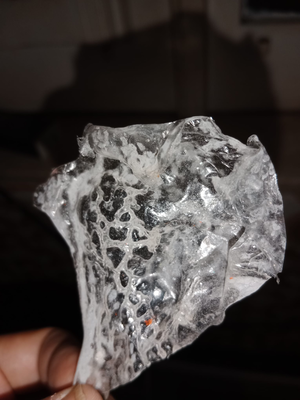
This research investigates the possibility of transforming ephemeral liquids—primarily seawater and rain—into solid, stable, and optically active materials, within the methodological framework of the Divergent Gaze, a phenomenological protocol that considers imagination as a pre-scientific hypothesis capable of being empirically verified.
The artist does not simply observe matter, but interrogates its molecular stability, manipulating transition states to arrest fluidity without destroying the identity of the liquid itself.
recent publications <>
Everything is Here – On Nomadic Scenographic Learning in Everyday Environments
(2025)
Raisa Kilpeläinen
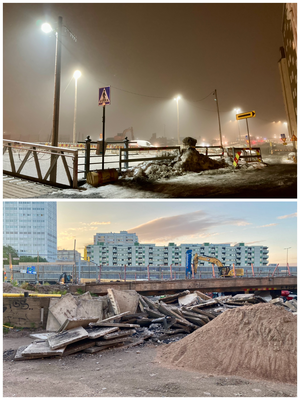
This exposition aims to examine the found and experienced environments as an impulse for artistic and pedagogical potentials in performance design. The writer asks, what kind of performance design could be created through scenographic worlding? The exposition presents a research approach to the urban, built environment, which is seen as an impulse, a constant and ongoing potential for performances and performance designers’ work. The topic is contributed with photographs from the writer’s site-sensitive memos. This approach offers perspectives on contemporary scenography and its theories. It is situated in the field of art-based action research, and the intention is to combine performing arts, performance design, visual arts, and pedagogy. The exposition highlights that an observational, experiential, and environmentally oriented way of working may prove more useful in the future; designers encounter applied and nomadic forms of performance design in their careers. How can we create more sustainable performance design, encourage ecocreativity and work towards more sustainable pedagogy?
Drawing as a journey, nonhumans as teachers, learning as creation. Sensory drawing methods for curating experiential connection with nature
(2025)
Jane Remm
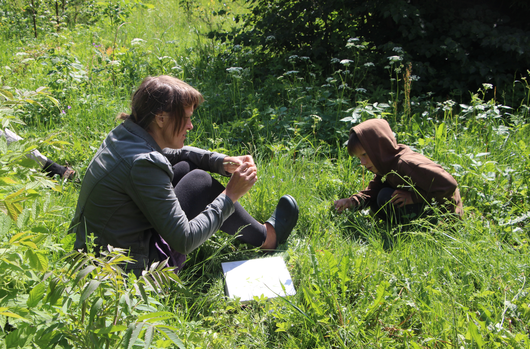
The presentation focuses on inclusive sensory drawing as a way to observe, notice and interact with non-human species in local nature, imagine their perspectives and reflect on the experience. It is known that many people today feel alienated from nature while on the other hand connection to nature is linked to pro-environmental behaviour. As an artist and art educator I have been wondering how participatory artistic and educational practices can reinforce the emotional and physical connection with nature, how to create conditions for perceiving the intertwinedness and mutual dependence, moreover, what could be the role of art and art education in the post-growth conditions. Drawing is not a new method for observing nature, but I find the inclusive drawing activities to be relevant to facilitate creative nature experience in contemporary context.
As an artist, I have been using sensory drawing and realised how using the pencil and brush as facilitators help me to concentrate, slow down, notice interactions and sense myself as a part of the ecosystem. I have used the embodied and situated artistic thinking as a source for drawing walks and workshops in gardens, forests and parks and introduce some of the simple exercises in this presentation, asking how and which drawing and painting approaches facilitate active engagement with the environment and what is the intersection between artistic practice, environmental and artist pedagogy. I describe the specifics of four methods. These kind of curated nature experiences offer possibilities to recognise other beings, their relationships and ourselves as related to them through actions and reflections.
xeno/exo/astro -choreoreadings
(2025)
Simo Kellokumpu
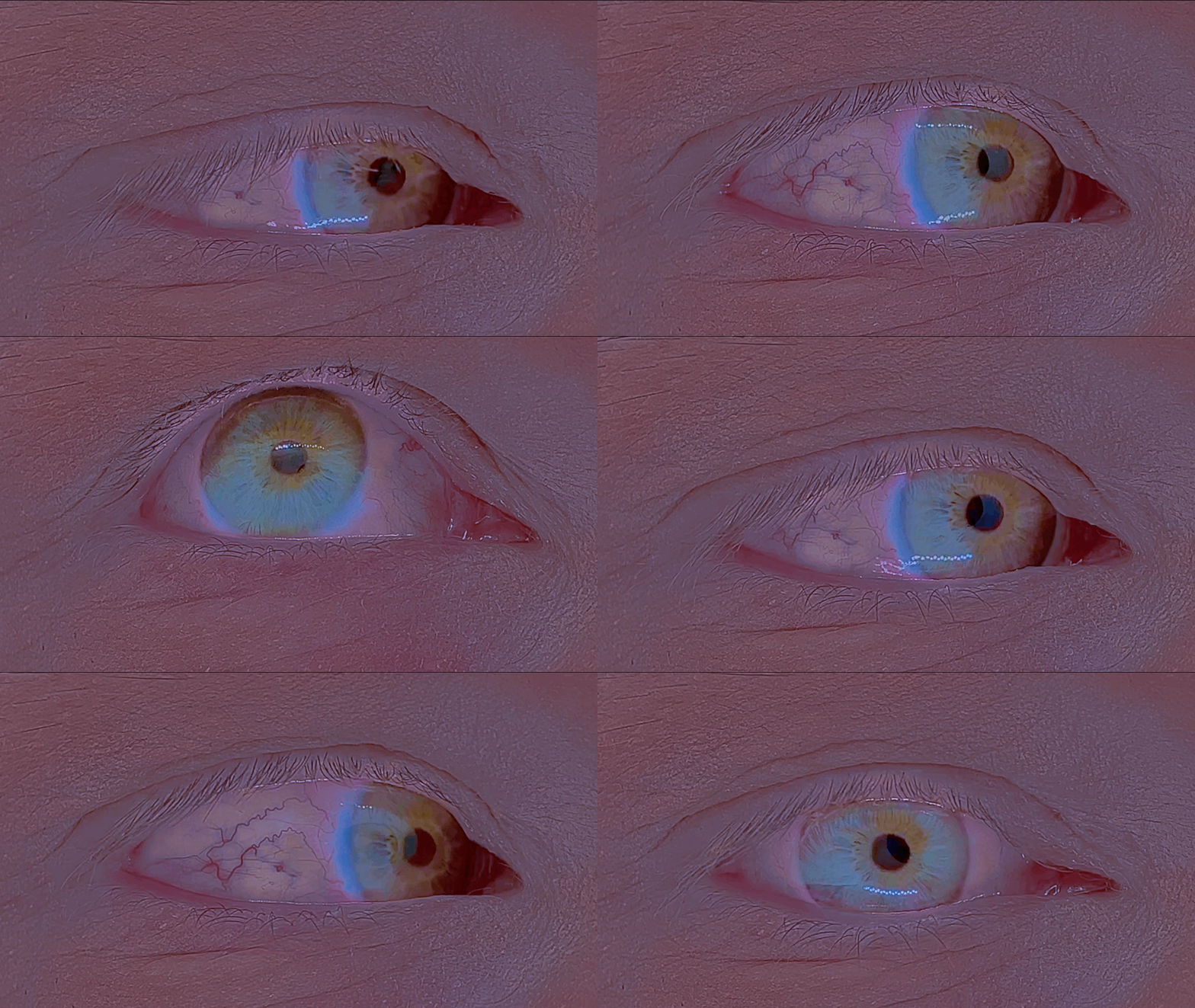
xeno-/exo-/astro -choreoreadings is a postdoctoral artistic research project that explores research questions that reopen site- and place-responsive choreographic practices by expanding the notions of ‘site’ and ‘place’ to outer space. The prefixes in the title refer to planetary conditions to which I do not have direct access. Another key choreographic exploration focuses on embodying hyper-reading and examining the impact of digital reading on embodied artistic practice. Hyper-reading refers to a computer-assisted, screen-based reading practice that has become common in contemporary daily life globally. It connects the reader to the limitless cyberspace. The research project blends these two spatial dimensions, in which the examination of the notions of choreography and choreoreading happen. The research process is multidisciplinary and hybrid in nature, producing artworks, traces, and reflections. The results are presented in this exposition as artworks and as reflections on the choreographic practice that this process has clarified.
Download Accessible PDF