Playing the Electrophonic Saxophone
(2021)
author(s): Kjetil Traavik Møster
published in: Faculty of Fine Art, Music and Design, University of Bergen
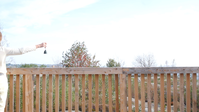
'Playing the Electrophonic Saxophone' explores the expanded role of the instrument and relations made possible by such expansions. In and through artistic practice I research the many processes, tensions, and artistic possibilities that emerge through interplay. How can exploring possibilities and conditions for the acoustic saxophone in interplay with electric and electronic tools and sounds pave the way for new music, new insights, and expand the conception of what the instrument can be? How can playing with electrically and digitally manipulated sound facilitate the instrument’s ability to connect to musicians and artists from other fields of practice? The research’s main artistic outcome is the sum of a series of artistic projects presented in this exposition. The two texts Playing Air and Playing Parasitic constitute the ethical and methodological basis for the research and my practice and transfers to the projects’ two basic elements: roles and their relations. The band Møster! acts as the main project ensemble, and the PhD research is finalized with a public artistic presentation at the Nattjazz Festival, Røkeriet USF, Bergen on June 1st, 2021.
'Playing the Electrophonic Saxophone' utforsker instrumentets utvidete rolle, og relasjoner som en slik utvidelse åpner for. I og gjennom kunstnerisk praksis forsker jeg på de mange prosesser, spenninger, og kunstneriske potensial som vokser frem gjennom samspill. Hvordan kan utforskning av muligheter og premisser for akustisk saksofonspill i samspill med elektriske og elektroniske verktøy og lyder lede til ny musikk, ny innsikt, og utvide forståelsen av hva instrumentet kan være? Hvordan kan det å spille med elektrisk og digitalt manipulert lyd legge til rette for samhandling med musikere og artister fra andre kunstneriske felt, med ulike kunstneriske praksiser? Forskningens kunstneriske resultat er presentert som en samling prosjekter i denne eksposisjonen. De to tekstene 'Playing Air' og 'Playing Parasitic' utgjør det metodologiske og etiske grunnlaget for forskningen og min praksis, og kan leses inn i forskningens to hovedelementer: roller, og deres relasjoner. Bandet Møster! fungerer som hoved-ensemble, og PhD-prosjektet ble avsluttet med en offentlig konsertfremføring på Nattjazz, Røkeriet USF i Bergen, 1. juni 2021.
Andrej
(2021)
author(s): Denisa Böserová
published in: Research Catalogue
The table was created on the topic of waste and its impact. The material I was based on
is a reference to the global production of a large amount of waste that cannot be
select repeatedly.
SOSIAALISEN SOMATIIKAN UTOPIA: Ruumiin orientaatio tilassa
(2021)
author(s): Ilmari K.
published in: RUUKKU - Studies in Artistic Research
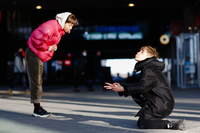
Somatiikka kehittää kykyä tunnistaa totunnaisia liikkumisen tapoja, ja mahdollisuutta murtautua kohti uusia liikemuotoja. Aistiva tutkimus mahdollistaa uudenlaisia yhteyksiä kehon käyttöön sosiaalisen tilan tutkimuksessa.Kutsun ruumiinsosiologian teoriasta ammennettuja harjoituksia sosiaaliseksi somatiikaksi seuraten tutkija Jill Greeniä (2015). Sosiaalisen somatiikan keskeinen kohde on yhteiskunnan säätämät ruumiilliset sijoittumiset tilaan ja somaattisia harjoitusmuodot, jotka kasvattavat kehon sosiaaliseen tiedostamiseen.
Kehon pienistä eleistä ja kokemuksesta nouseva muutos voidaan nähdä sosiaalisen tai poliittisen muutoksen mahdollistajana (Manning 2016; Kortelainen 2020). Tarkastelen artikkelissani tätä kehotietoisuudesta nousevaa, ja jokaisen meidän kehoon kytkeytyvää mahdollisuutta sosiaaliselle muutokselle. Sosiaalisen muutoksen kohteena kulttuurisesti luodut kehon kuvat vaikuttavat merkittävästi ihmisten jokapäiväiseen elämään yhteiskunnassa.
Sara Ahmedin queer fenomenologian tapaan tarkastelen, kuinka kehon tilallisuus ja kehon suhde objekteihin ja esineisiin vaikuttaa korporeaalisella tasolla siihen, mitä keholta odotetaan.
Walking to Utopia and Thinking About Art Along the Way
(2021)
author(s): Ulvi Haagensen
published in: RUUKKU - Studies in Artistic Research
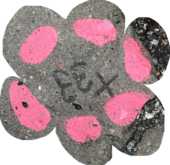
Walking through the old town of Tallinn, where everything is quiet because shops, cafés and restaurants are closed, some permanently because of a lack of tourists due to the pandemic and others temporarily because of the current lockdown, I experience the city in a new way. The city is different and no longer am I drawn in by the enticement of what I could or should buy. I no longer peer in the café window to see if there is an available table, in the expectation of a pastry and a coffee. Art galleries and museums are also closed. I’m closed out but this strange situation means there is time to stop, notice and think, space to walk and an opportunity to see things differently. There is freedom to imagine new worlds, other possibilities, and new ways of seeing and being. I look at shop windows, peer into art galleries, think about my own window exhibition in the context of these other windows, and in the process take in a full experience of visual art in the form of installations, performance art and even participation art. At the same time my thoughts take me to completely other utopian worlds where things are quite different. The walk, though initially purposeful, becomes something more than a walk. It starts to meander and – combined with what I see, remember and imagine – it becomes a meandering text with images and ideas that click in and out of focus.
Elisenvaara-Pieksämäki - hajonnut kone
(2021)
author(s): Jaakko Ruuska
published in: RUUKKU - Studies in Artistic Research
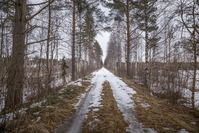
Elisenvaara-Pieksämäki –hajonnut kone on taiteellinen tutkimus irtikytkennän tilallisuudesta, jonka tapaustutkimuksena on eräs syrjään jäänyt rautatien raunio.Kun rautatien koneellinen kooste kerran hajosi, muodostui kokemuksesta irti kytketty alue, katve, jossa viitteet hajonneeseen koneeseen asettuvat kokemuksen taustalle, kuin aaveraaja, joka säteilee paikantumattomia tuntemuksia menetetystä raajasta. Tässä kokeellisessa tutkimuksessa kehitetyt harjoitteet ovat yrityksiä vastata ongelmaan: kuinka katveeseen jääneiden rautatien raunioiden aistinen ulottuvuus voidaan kytkeä uudelleen, uudeksi yhteiseksi tilaksi. Asetan Gilles Deleuzen elokuvaa luonnehtivan liike-kuvan käsitteen junamatkustamisen kokemuksen ilmaisulliseksi vastineeksi. Toisissa tiloissa kollektiivin jäsenten: Kati Korosuon ja Timo Jokitalon kanssa toteutetussa esityksessä: Elokuva ilman kameraa (2019) resiina valjastettiin alustaksi radan varren asukkaita osallistaville harjoitteille. Näissä harjoitteissa elokuvan käsite laajenee ilmaisemaan irti kytketyn rautatien aistista tilaa. Teemana irtikytkentä muodostaa taiteelliselle tutkimukselle utopistisen perustan, lähtökohdan, joka ei sijaitse missään. Öisellä resiina matkalla läpi takapajuisen seudun paikattomuuteen rakentui hetkellisesti uusi yhteinen tila. Digitaalista valokuvista, videoista ja kirjoituksesta koostuva ekspositio on koottu luettavaksi tietokoneen ruudulta.
Calling for Zoe as a Utopian Gesture
(2021)
author(s): Annette Arlander
published in: RUUKKU - Studies in Artistic Research
This exposition discusses the possibility of embracing an expanded notion of life, a zoe-centred egalitarianism, as proposed by Rosi Braidotti, in order to envision a liveable future on the planet and the utopian potential in the act of calling for an imaginary creature, a dragon, using as examples some video works created in 2012-2013 and retuned to in 2019.